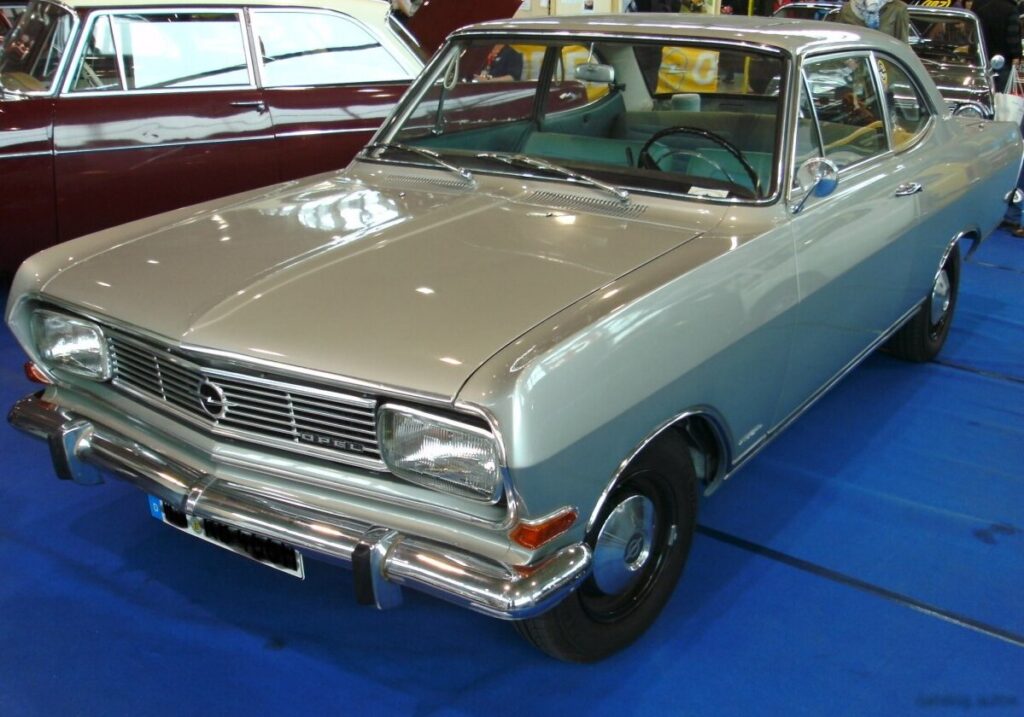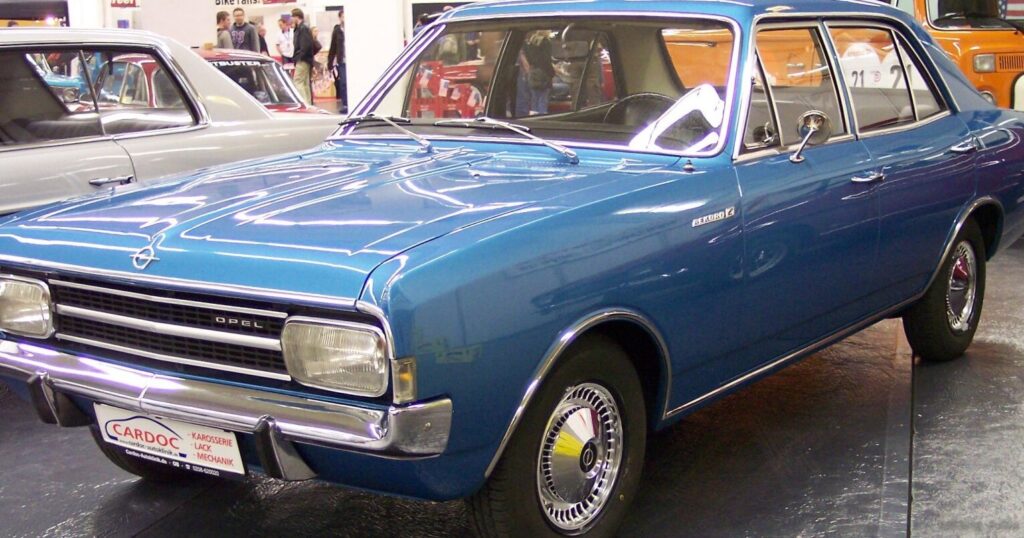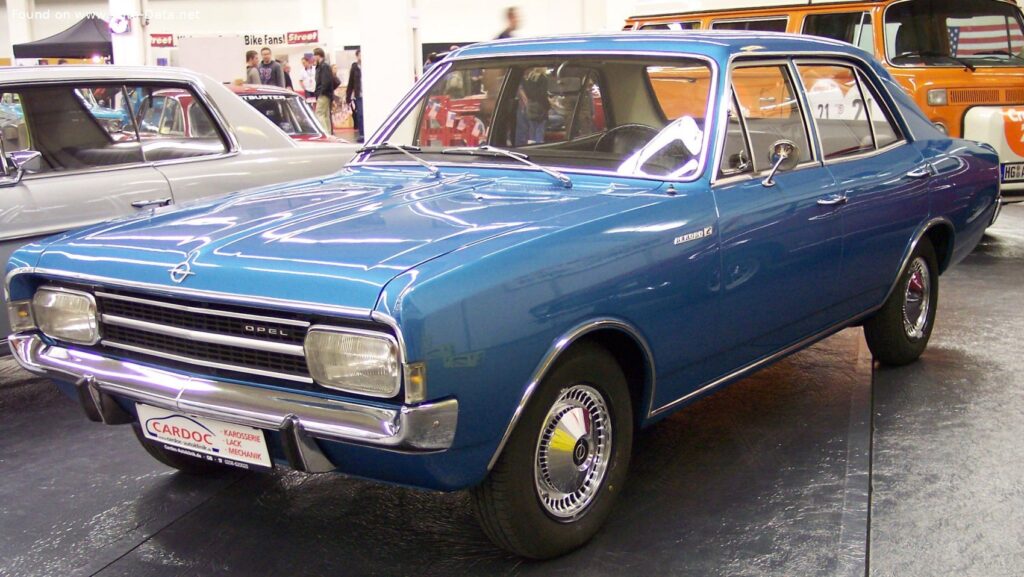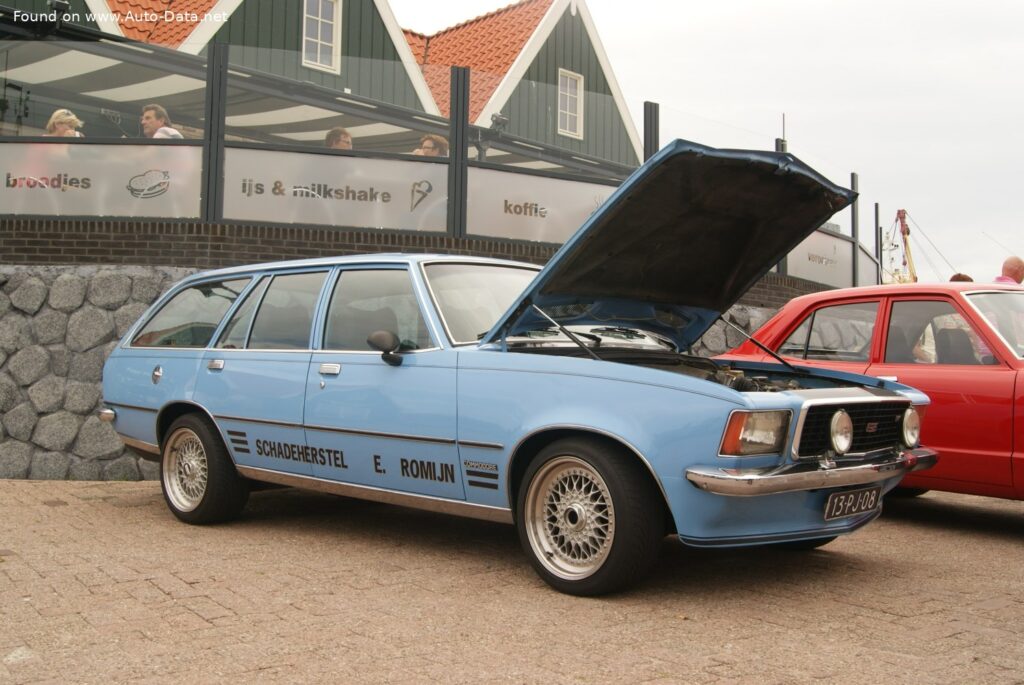
The Opel Rekord D Caravan 1.7, producing 60 horsepower, was a station wagon (estate) produced between 1975 and 1977. It represented an entry-level offering within the broader Rekord D range, which spanned from 1972 to 1977 and was built on the GM’s H-platform. The Caravan body style, a practical and popular choice in Europe, offered increased cargo capacity compared to the sedan version. This particular 1.7-liter variant was positioned as the most economical option in the lineup, appealing to buyers prioritizing fuel efficiency and affordability over outright performance. It served as a family vehicle, workhorse, and a common sight on European roads during its production run.
The 1.7-Liter Engine and Powertrain
The heart of the Rekord D Caravan 1.7 was the Opel 1698 cc (103.62 cu. in.) inline-four cylinder engine. This engine, internally designated with various codes depending on the specific market and year, was a naturally aspirated, two-valve-per-cylinder (SOHC) unit. Fuel delivery was managed by a carburetor, a common feature for vehicles of this era. The engine produced 60 hp at 4800 rpm and 112 Nm (82.61 lb-ft) of torque between 2200 and 3000 rpm. This configuration resulted in a power-to-weight ratio of 19 kg/hp. The engine’s bore and stroke measured 88 mm (3.46 in) and 69.8 mm (2.75 in) respectively, with a compression ratio of 8:1.
Power was transmitted to the rear wheels through a four-speed manual transmission. While an automatic transmission was offered on higher-spec Rekord D models, the 1.7-liter engine was exclusively paired with the manual gearbox. This was likely a cost-saving measure and also reflected the engine’s relatively modest power output, where a manual transmission allowed for better control and fuel economy. The drivetrain architecture was a traditional rear-wheel drive setup, typical for European cars of the time.
Engine Architecture Details
The engine featured a single overhead camshaft (SOHC) valvetrain, which was a relatively simple and reliable design. The carburetor system, while less precise than fuel injection, was cost-effective and relatively easy to maintain. The engine block was cast iron, providing durability, while the cylinder head was made of aluminum alloy to reduce weight. The engine’s design prioritized reliability and longevity over high performance, making it a suitable choice for everyday driving.
Driving Characteristics
The Rekord D Caravan 1.7 offered modest performance. Acceleration from 0 to 100 km/h (0-62 mph) took approximately 24 seconds, and 0 to 60 mph was achieved in around 22.8 seconds. The top speed was 137 km/h (85.13 mph). The 1.7-liter engine’s power delivery was characterized by a relatively narrow powerband, requiring frequent gear changes to maintain momentum, especially when climbing hills or carrying a full load. Compared to the larger-displacement Rekord models, such as the 2.1-liter or 2.8-liter versions, the 1.7 felt noticeably slower and less refined.
However, the 1.7-liter engine’s lower output also contributed to better fuel economy. Combined fuel consumption was rated at 10.7 l/100 km (22 US mpg / 26.4 UK mpg / 9.3 km/l). The manual transmission allowed drivers to maximize fuel efficiency by selecting the appropriate gear for the driving conditions. The Caravan’s suspension, while not particularly sporty, provided a comfortable ride, absorbing bumps and imperfections in the road surface effectively. The rear-wheel drive configuration offered predictable handling, although it lacked the stability of front-wheel drive vehicles in slippery conditions.
Equipment and Trim Levels
The Rekord D Caravan 1.7 was typically equipped with basic, functional features. Standard equipment included cloth upholstery, a simple dashboard layout with analog gauges, and basic exterior trim. Power steering and electric windows were not typically included as standard equipment on this base model, but were available as optional extras. The interior was designed for practicality and durability, with hard-wearing materials and a focus on functionality. The Caravan body style offered a spacious interior with ample cargo capacity, making it ideal for families and those needing to transport large items.
Optional extras included a radio, upgraded upholstery, and a sunroof. The level of equipment varied depending on the market and the specific customer’s preferences. The Rekord D range offered a variety of trim levels, with the 1.7-liter Caravan representing the entry-level option. Higher-spec models featured more luxurious interiors, additional features, and more powerful engines.
Chassis and Braking
The Rekord D Caravan 1.7 featured a conventional chassis design with a separate body-on-frame construction. The front suspension consisted of independent coil springs and wishbones, while the rear suspension utilized a live axle with leaf springs. The braking system consisted of disc brakes on the front wheels and drum brakes on the rear wheels. The braking performance was adequate for the vehicle’s weight and power output, but it lacked the stopping power of more modern braking systems.
The kerb weight of the Rekord D Caravan 1.7 was 1140 kg (2513.27 lbs), with a maximum permissible weight of 1740 kg (3836.04 lbs). The maximum load capacity was 600 kg (1322.77 lbs). The vehicle’s dimensions were 4594 mm (180.87 in) in length, 1715 mm (67.52 in) in width, and 1440 mm (56.69 in) in height. The wheelbase measured 2668 mm (105.04 in).
Market Reception and Comparison
The Opel Rekord D Caravan 1.7 was generally well-received as a practical and affordable family vehicle. Critics praised its spacious interior, comfortable ride, and fuel efficiency. However, its modest performance was often criticized, particularly when compared to the more powerful Rekord models. The 1.7-liter engine was considered adequate for everyday driving, but it lacked the punch needed for spirited driving or frequent highway use.
Compared to other station wagons of the time, such as the Ford Taunus Turnier or the Volvo 145, the Rekord D Caravan 1.7 offered a competitive combination of price, space, and fuel economy. The 1.9-liter diesel version of the Rekord D offered better fuel economy but significantly less power. The larger gasoline engines provided more performance but at the cost of increased fuel consumption. The 1.7-liter version struck a balance between these two extremes, appealing to buyers who prioritized practicality and affordability.
Technical Specifications
| Brand | Opel |
| Model | Rekord |
| Generation | Rekord D Caravan |
| Type (Engine) | 1.7 (60 Hp) |
| Start of production | 1975 |
| End of production | 1977 |
| Fuel consumption (combined) | 10.7 l/100 km |
| Fuel Type | Petrol (Gasoline) |
| Acceleration 0 – 100 km/h | 24 sec |
| Acceleration 0 – 62 mph | 24 sec |
| Acceleration 0 – 60 mph | 22.8 sec |
| Maximum speed | 137 km/h (85.13 mph) |
| Power | 60 Hp @ 4800 rpm |
| Torque | 112 Nm @ 2200-3000 rpm (82.61 lb.-ft.) |
| Engine displacement | 1698 cm3 (103.62 cu. in.) |
| Number of cylinders | 4 |
| Engine configuration | Inline |
| Cylinder Bore | 88 mm (3.46 in) |
| Piston Stroke | 69.8 mm (2.75 in) |
| Compression ratio | 8:1 |
| Number of valves per cylinder | 2 |
| Fuel injection system | Carburettor |
| Kerb Weight | 1140 kg (2513.27 lbs) |
| Max. weight | 1740 kg (3836.04 lbs) |
| Fuel tank capacity | 70 l (18.49 US gal | 15.4 UK gal) |
| Length | 4594 mm (180.87 in) |
| Width | 1715 mm (67.52 in) |
| Height | 1440 mm (56.69 in) |
| Wheelbase | 2668 mm (105.04 in) |
| Drive wheel | Rear wheel drive |
| Number of gears | 4 gears, manual transmission |
| Front brakes | Disc |
| Rear brakes | Drum |
Legacy
The Opel Rekord D Caravan 1.7, while not a particularly high-performance vehicle, remains a fondly remembered classic among Opel enthusiasts. Its simple, reliable engine and durable construction have ensured that many examples are still on the road today. The 1.7-liter engine, while not known for its longevity in the same way as some of Opel’s larger engines, is generally considered to be relatively reliable if properly maintained. In the used car market, the Rekord D Caravan 1.7 is often sought after by collectors and enthusiasts looking for a classic European station wagon. Its affordability and practicality continue to make it an appealing option for those seeking a vintage vehicle with character and charm.