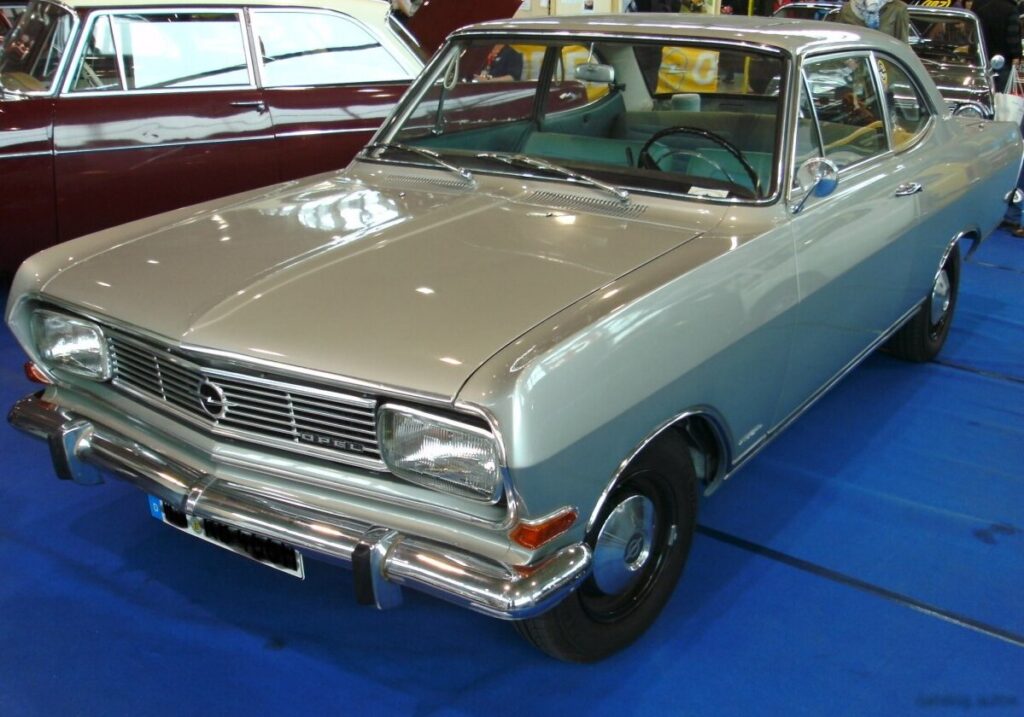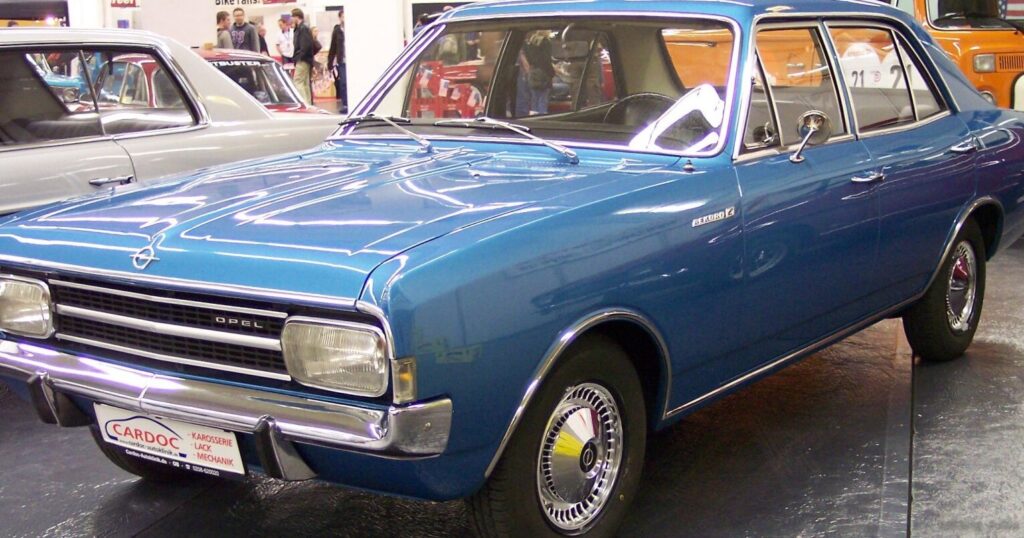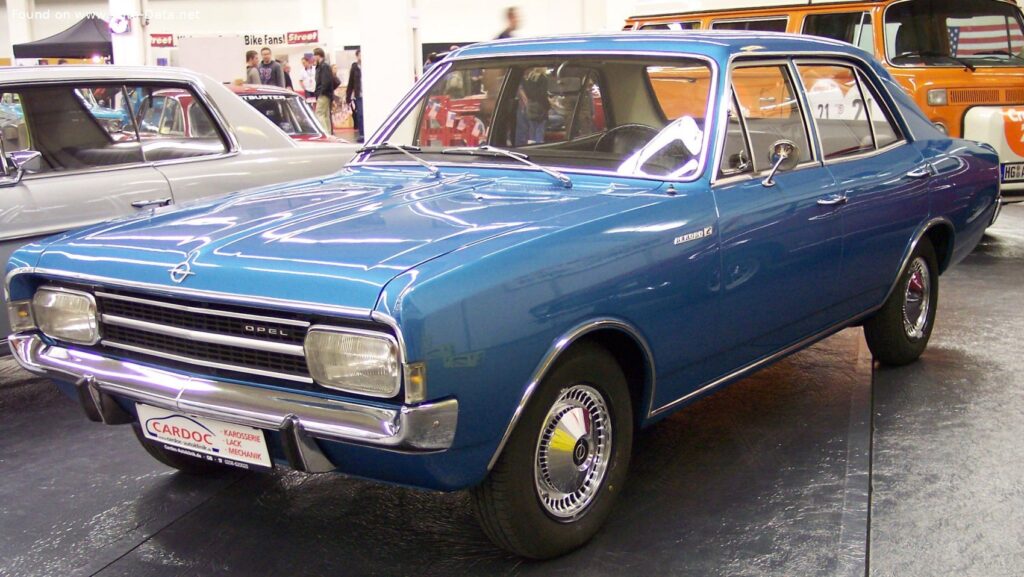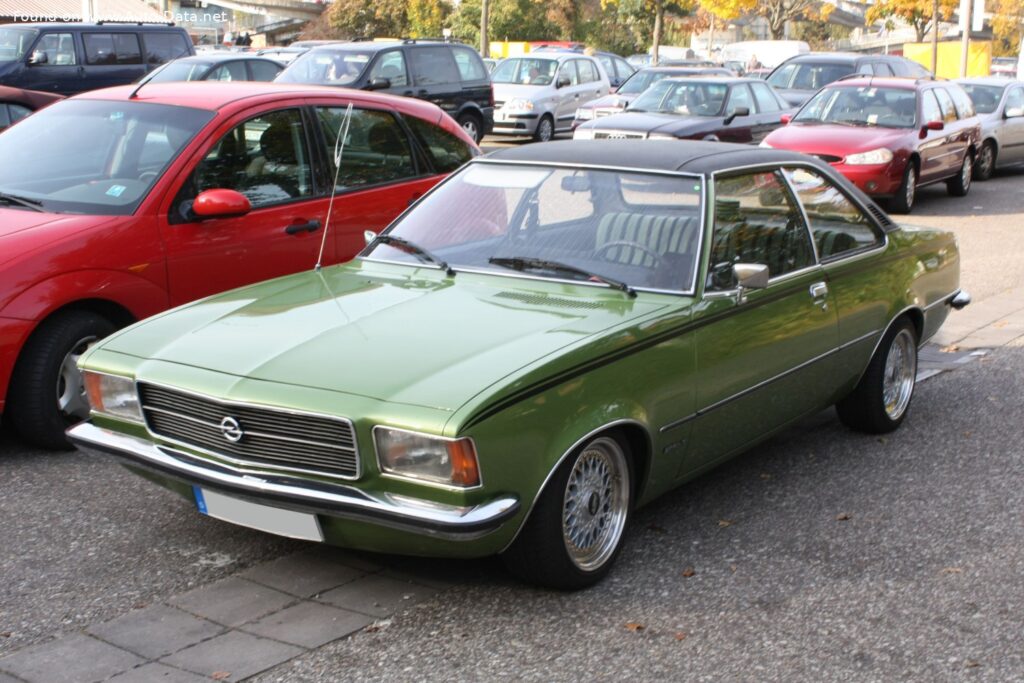
The Opel Rekord D Coupe 1.9 (75 hp) was a two-door coupe produced between 1975 and 1977, representing a stylish variant within the broader Rekord D range. Positioned as a more sporting and aesthetically focused model, the Coupe distinguished itself from the four-door sedan and wagon (Kombi) versions. It was built on the GM’s ‘H-body’ platform, shared with other Opel and Vauxhall models of the era. This particular 1.9-liter, 75 horsepower configuration occupied the entry-level to mid-range position within the Coupe lineup, offering a balance between affordability and acceptable performance for the time. The Rekord D series, as a whole, was Opel’s mid-size offering, intended to compete with vehicles like the Ford Taunus and Volkswagen Passat.
Powertrain & Engine Architecture
The heart of the Rekord D Coupe 1.9 was the Opel CIH (Cylinderkopf-Integrierte Nockenwelle – camshaft integrated in the cylinder head) engine. Specifically, this variant utilized the 1897 cc (115.76 cubic inches) inline-four cylinder engine. While often referred to simply as a 1.9, the engine’s bore and stroke measured 93 mm (3.66 inches) and 69.8 mm (2.75 inches) respectively. The engine featured a single overhead camshaft (SOHC) valvetrain with two valves per cylinder. Crucially, this engine employed a carburetor for fuel delivery, rather than fuel injection, which was less common on European vehicles of this price point in the mid-1970s. The compression ratio was 7.6:1. Power output was rated at 75 hp (56 kW) at 4800 rpm, and torque peaked at 97.36 lb-ft (132 Nm) at 2800 rpm. The engine code for this specific configuration is not consistently documented, but it falls within the broader CIH family.
Transmission
The 1.9-liter Rekord D Coupe was primarily equipped with a four-speed manual transmission. While an automatic transmission was offered as an option, it was less common and significantly impacted performance. The manual gearbox was a standard, fully synchronized unit. The automatic transmission, when specified, was a three-speed Hydramatic unit sourced from General Motors. This transmission, while providing convenience, was known to detract from the car’s responsiveness and fuel economy.
Driving Characteristics
The driving experience in the Rekord D Coupe 1.9 was characterized by its comfortable ride and predictable handling. With 75 hp propelling a curb weight of approximately 2447 lbs (1110 kg), acceleration was modest. Zero to 62 mph (0-100 km/h) took around 16.5 seconds, and the top speed was approximately 96 mph (155 km/h). The manual transmission allowed for better control and utilization of the engine’s power band, making it the preferred choice for drivers seeking a more engaging experience. The automatic transmission, while smoother, resulted in noticeable performance degradation. The rear-wheel-drive layout provided a balanced feel, although the suspension setup – detailed below – wasn’t particularly sporty. Steering was relatively light, making it easy to maneuver in urban environments, but lacked significant feedback at higher speeds.
Equipment & Trim Levels
The Rekord D Coupe 1.9 typically came with a fairly basic level of standard equipment. Interior appointments included cloth upholstery, a simple dashboard layout with analog gauges, and basic door panels. Features like a radio were often optional extras. The Coupe’s interior was generally functional and durable, prioritizing practicality over luxury. Optional extras included upgraded upholstery, a vinyl roof, tinted glass, and a more sophisticated radio system. The trim level could vary slightly depending on the market (Germany, UK, etc.), but generally, the 1.9-liter model represented the entry point into the Coupe range. Higher trim levels, often paired with the larger 2.0 or 2.2-liter engines, offered more luxurious features like power windows and upgraded interior trim.
Chassis & Braking
The Rekord D Coupe utilized a conventional chassis layout with independent front suspension featuring MacPherson struts and a rigid axle with leaf springs at the rear. The suspension was tuned for comfort rather than outright handling prowess. Braking was accomplished via disc brakes on the front wheels and drum brakes on the rear. The braking system was adequate for the car’s performance capabilities, but lacked the stopping power of more modern vehicles. Steering was a recirculating ball system, providing a relatively light but imprecise feel. The car’s curb weight of 2447 lbs (1110 kg) was relatively light for a vehicle of its size, contributing to its manageable handling characteristics.
Market Reception & Comparison
The Opel Rekord D Coupe 1.9 was generally well-received as a stylish and affordable coupe. Critics praised its attractive design and comfortable ride. However, the 1.9-liter engine was often considered underpowered, particularly when paired with the automatic transmission. Compared to the larger-engined Rekord D Coupes (2.0 and 2.2 liters), the 1.9 offered less performance but better fuel economy. The 1.9’s fuel consumption was rated at 10.9 l/100 km (21.6 US mpg), which was reasonable for the era. Compared to competitors like the Ford Taunus Coupe, the Rekord D Coupe offered a similar level of practicality and affordability, with the Opel often being favored for its more modern styling. The manual transmission version was generally preferred by enthusiasts due to its improved performance and driver engagement.
Technical Specifications
| Body Type | Coupe, 2 Doors, 5 Seats |
| Engine Displacement | 1.9 l (1897 cm3 / 115.76 cu. in.) |
| Number of Cylinders | 4, Inline |
| Fuel Type | Petrol (Gasoline) |
| Power Output | 75 hp @ 4800 rpm |
| Torque | 97.36 lb.-ft. (132 Nm) @ 2800 rpm |
| Compression Ratio | 7.6:1 |
| Fuel Injection System | Carburettor |
| Valvetrain | SOHC (Single Overhead Camshaft) |
| Transmission | 4-speed Manual (primarily), 3-speed Automatic (optional) |
| Drive Wheels | Rear Wheel Drive |
| Kerb Weight | 2447.13 lbs (1110 kg) |
| Maximum Speed | 96.31 mph (155 km/h) |
| 0-60 mph | 15.7 sec |
| Fuel Consumption (Combined) | 21.6 US mpg (10.9 l/100 km) |
| Trunk (Boot) Space | 15.36 cu. ft. (435 l) |
| Fuel Tank Capacity | 18.49 US gal (70 l) |
Legacy
The Opel Rekord D Coupe 1.9, while not the most powerful or technologically advanced vehicle of its time, holds a nostalgic appeal for many classic car enthusiasts. The CIH engine, in its various iterations, proved to be relatively durable and reliable, and many examples are still on the road today. However, age and neglect can lead to issues with carburetor function, rust, and wear on suspension components. The automatic transmission, if not properly maintained, can be prone to failure. In the current used car market, the Rekord D Coupe 1.9 is considered an affordable entry point into classic Opel ownership. Values vary depending on condition, originality, and location, but well-maintained examples can command a modest premium. The car’s enduring appeal lies in its distinctive styling, comfortable ride, and relative simplicity, making it a charming and accessible classic for those seeking a taste of 1970s European motoring.