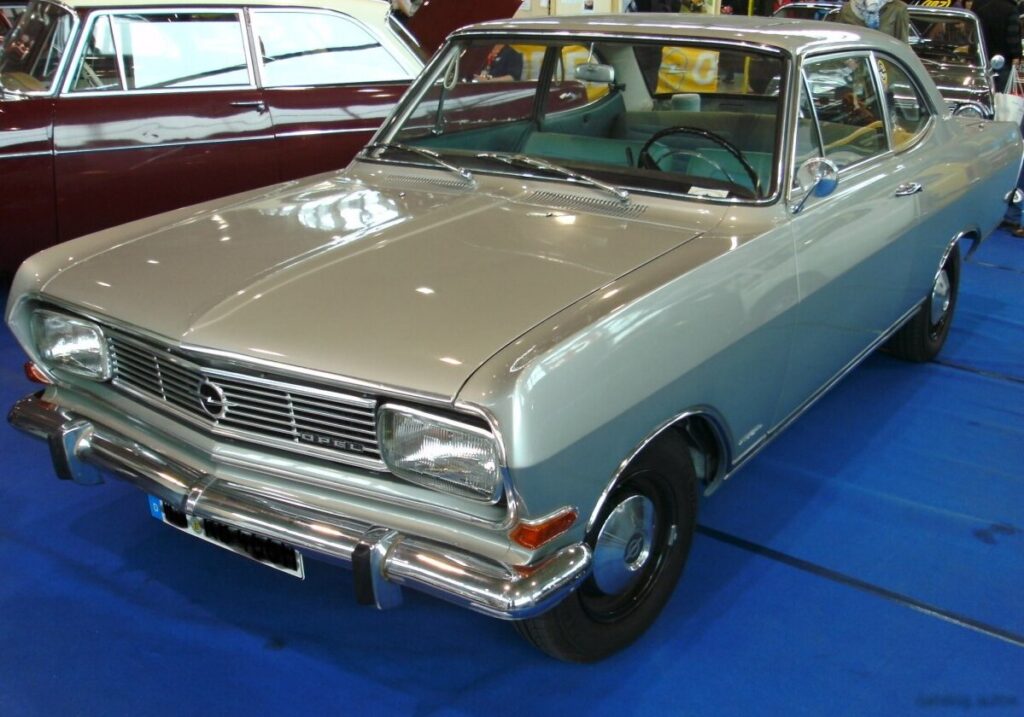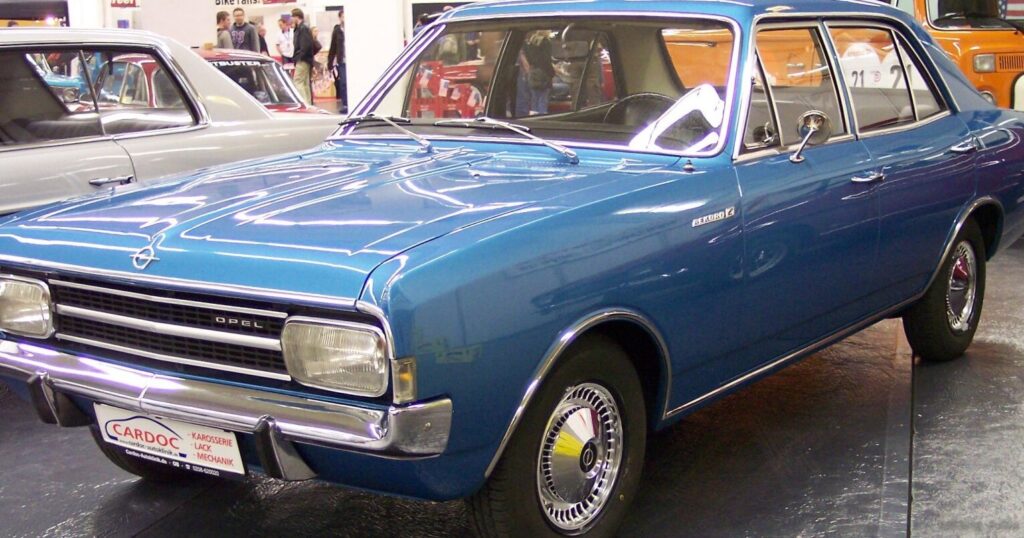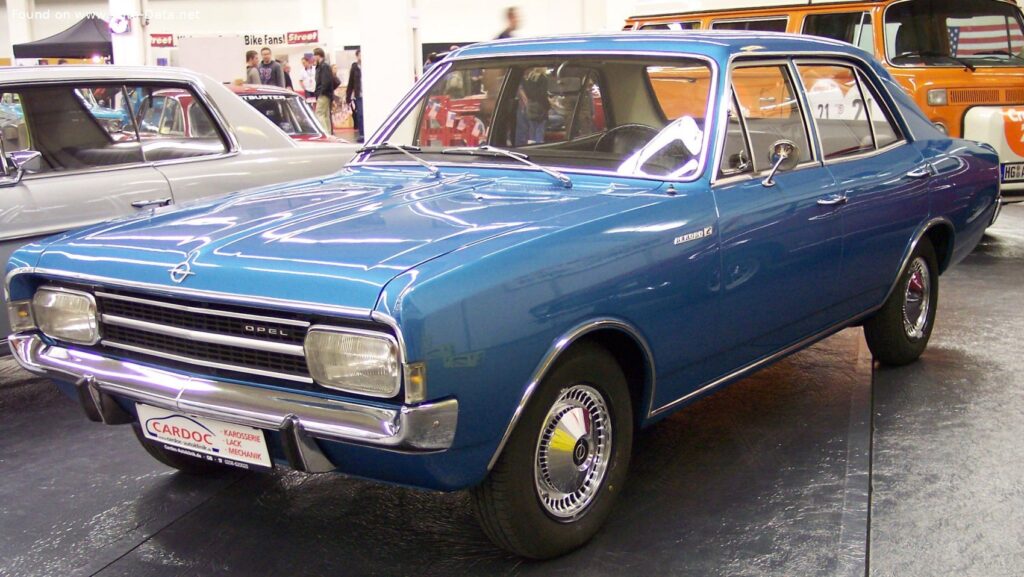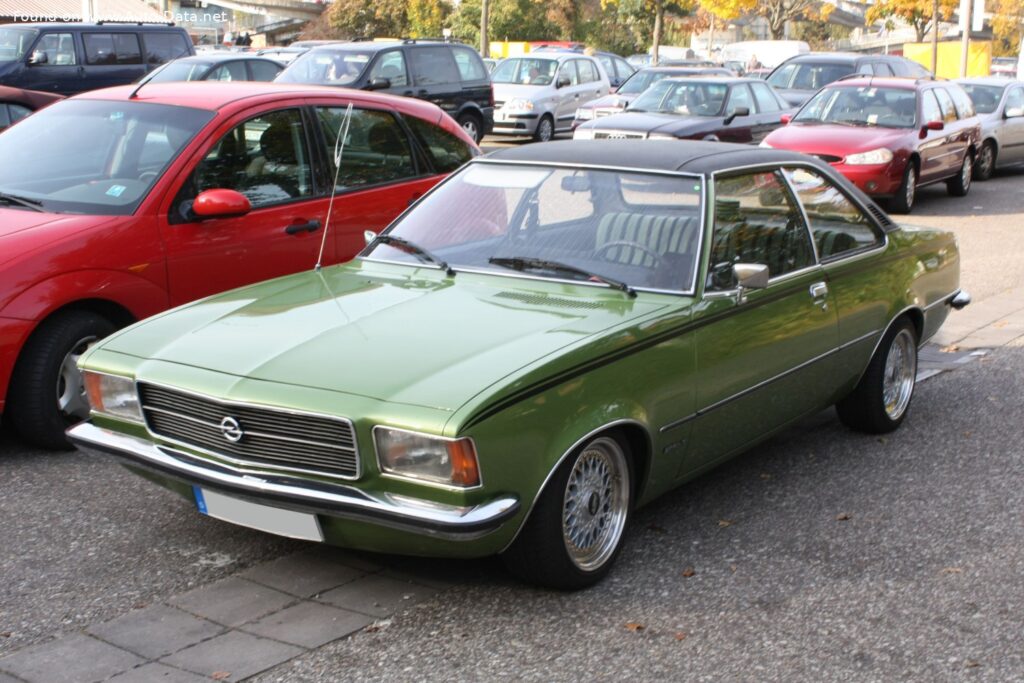
The Opel Rekord D Coupe 1.9 (90 hp) was a variant of the Rekord D Coupe produced between 1975 and 1977. Positioned as an entry-level offering within the Rekord D Coupe range, it provided a more affordable and fuel-conscious alternative to the larger-displacement engines available. The Rekord D, launched in 1972, represented a significant redesign for Opel’s mid-size offering, built on the 1HX0 platform (later designated A3). The Coupe version, introduced shortly after the sedan and wagon, aimed to appeal to buyers seeking a more stylish and sporty vehicle. This 1.9-liter version, while not the fastest, offered a balance of practicality and reasonable performance for the era.
Powertrain & Engine Architecture
The heart of the Rekord D Coupe 1.9 was the Opel inline-four cylinder engine, designated with engine codes likely including variations depending on specific market and year. This 1,897 cc (115.76 cubic inches) engine produced 90 horsepower at 4,800 rpm and 145 Nm (106.95 lb-ft) of torque at 3,800 rpm. The engine featured a single overhead camshaft (SOHC) valvetrain with two valves per cylinder. Fuel delivery was managed by a carburetor, a common setup for the time, rather than fuel injection. The compression ratio was 8.8:1. Bore and stroke dimensions were 93 mm (3.66 inches) and 69.8 mm (2.75 inches) respectively. This engine was known for its relative simplicity and durability, though it lacked the refinement of more modern designs.
Transmission
While a four-speed manual transmission was standard, the focus of this article is the automatic transmission variant. The automatic transmission was a three-speed unit, typical for European cars of this period. Specific details regarding the manufacturer and internal designation of the automatic transmission are often difficult to ascertain, but it was designed to provide smooth, if not particularly rapid, gear changes. The automatic transmission contributed to a more relaxed driving experience, appealing to buyers prioritizing comfort over performance. The gear ratios were optimized for fuel economy and everyday drivability, rather than outright acceleration.
Driving Characteristics
The Rekord D Coupe 1.9 with the automatic transmission delivered a driving experience best described as comfortable and adequate. Acceleration from 0 to 100 km/h (0-62 mph) took approximately 14 seconds, and 0 to 60 mph was achieved in around 13.3 seconds. The top speed was 164 km/h (101.9 mph). Compared to the more powerful Rekord D Coupe variants, such as those equipped with larger engines, the 1.9-liter version felt noticeably slower, particularly when accelerating for overtaking maneuvers. The automatic transmission, while convenient, further reduced the sense of urgency. However, the lower engine output also meant that the car was less stressed during normal driving, potentially contributing to improved long-term reliability. The rear-wheel-drive configuration provided predictable handling, but the car wasn’t particularly sporty in its dynamics.
Equipment & Trim Levels
The Rekord D Coupe 1.9 typically came with a fairly basic level of standard equipment, reflecting its position as an entry-level model. Interior upholstery was generally cloth, with vinyl often used for door panels and other trim elements. The dashboard layout was functional and straightforward, with analog gauges providing essential information. Standard features included basic instrumentation, a two-spoke steering wheel, and manually adjustable seats. Optional extras could include a radio, upgraded upholstery, and a sunroof. The level of trim could vary depending on the specific market and dealer options. The Coupe body style itself was considered a step up in terms of aesthetics compared to the sedan, offering a more streamlined and modern appearance.
Chassis & Braking
The Rekord D Coupe 1.9 utilized a conventional chassis design for the era. It featured independent front suspension with coil springs and a rigid rear axle with leaf springs. The suspension was tuned for comfort, providing a relatively smooth ride over uneven surfaces. Braking was accomplished via disc brakes on the front wheels and drum brakes on the rear wheels. This configuration was typical for cars in this price range during the 1970s. The car’s kerb weight of 1,110 kg (2,447.13 lbs) contributed to its handling characteristics. The front track measured 1,431 mm (56.34 inches), while the rear track was 1,412 mm (55.59 inches). A stabilizer bar was included in the front suspension to reduce body roll during cornering.
Market Reception & Comparison
The Opel Rekord D Coupe 1.9 was generally well-received as a practical and affordable coupe. Critics acknowledged its stylish design and comfortable ride, but noted its relatively modest performance. Compared to other trims in the Rekord D Coupe lineup, the 1.9-liter version offered better fuel economy – rated at 11.7 l/100 km (20.1 US mpg, 24.1 UK mpg, 8.5 km/l) – but at the expense of acceleration and overall driving excitement. It competed with other European coupes of the time, such as the Ford Taunus Coupe and the Volkswagen K1300 (later the Scirocco). The Rekord D Coupe 1.9 appealed to buyers who prioritized fuel efficiency and comfort over outright performance, making it a popular choice for everyday transportation.
Technical Specifications
| Engine Displacement | 1,897 cm3 (115.76 cu. in.) |
| Number of Cylinders | 4, Inline |
| Bore x Stroke | 93 mm x 69.8 mm (3.66 in x 2.75 in) |
| Compression Ratio | 8.8:1 |
| Valvetrain | SOHC, 2 valves per cylinder |
| Fuel Injection System | Carburetor |
| Maximum Power | 90 hp @ 4,800 rpm |
| Maximum Torque | 145 Nm (106.95 lb-ft) @ 3,800 rpm |
| Transmission | 3-speed Automatic |
| Drive Wheels | Rear Wheel Drive |
| Kerb Weight | 1,110 kg (2,447.13 lbs) |
| Maximum Weight | 1,530 kg (3,373.07 lbs) |
| Fuel Tank Capacity | 70 l (18.49 US gal, 15.4 UK gal) |
| Top Speed | 164 km/h (101.9 mph) |
| 0-100 km/h | 14 sec |
| Trunk Space | 435 l (15.36 cu. ft.) |
| Length | 4,607 mm (181.38 in) |
| Width | 1,728 mm (68.03 in) |
| Height | 1,380 mm (54.33 in) |
Legacy
The Opel Rekord D Coupe 1.9, while not a particularly rare or collectible model today, holds a nostalgic appeal for enthusiasts of classic European cars. The 1.9-liter engine and three-speed automatic transmission combination proved to be relatively reliable, and well-maintained examples can still be found on the used car market. Parts availability can be a challenge, but many components are still obtainable through specialist suppliers. The Rekord D Coupe 1.9 represents a snapshot of automotive design and engineering from the 1970s, offering a glimpse into a time when cars were simpler, more durable, and focused on providing comfortable and practical transportation. Its enduring appeal lies in its classic styling, straightforward mechanics, and the sense of driving a piece of automotive history.