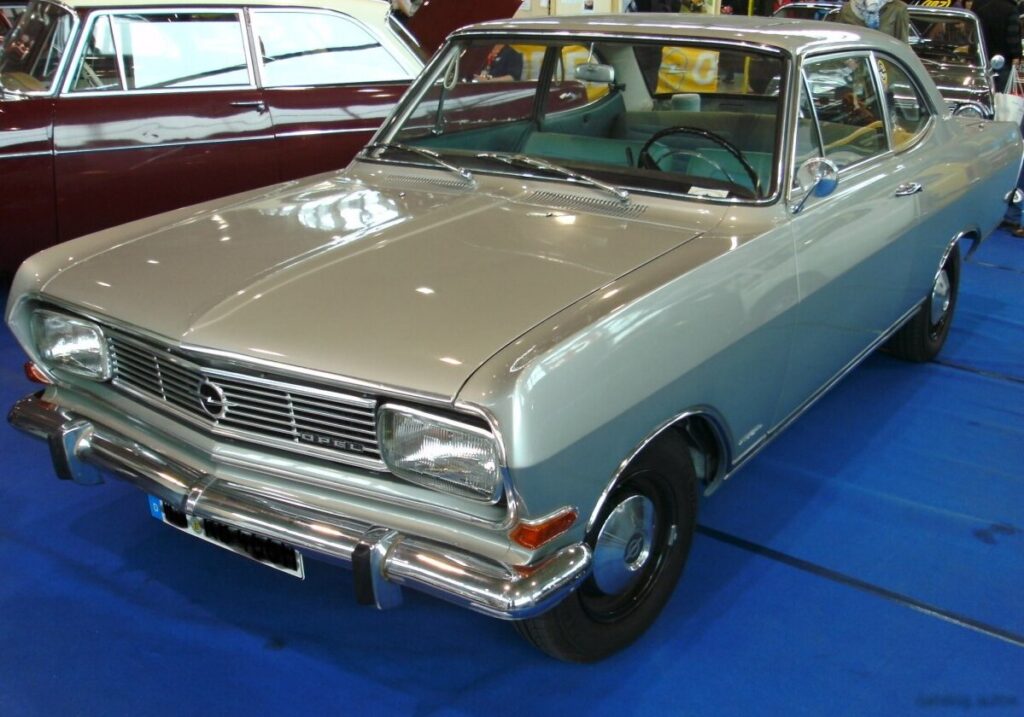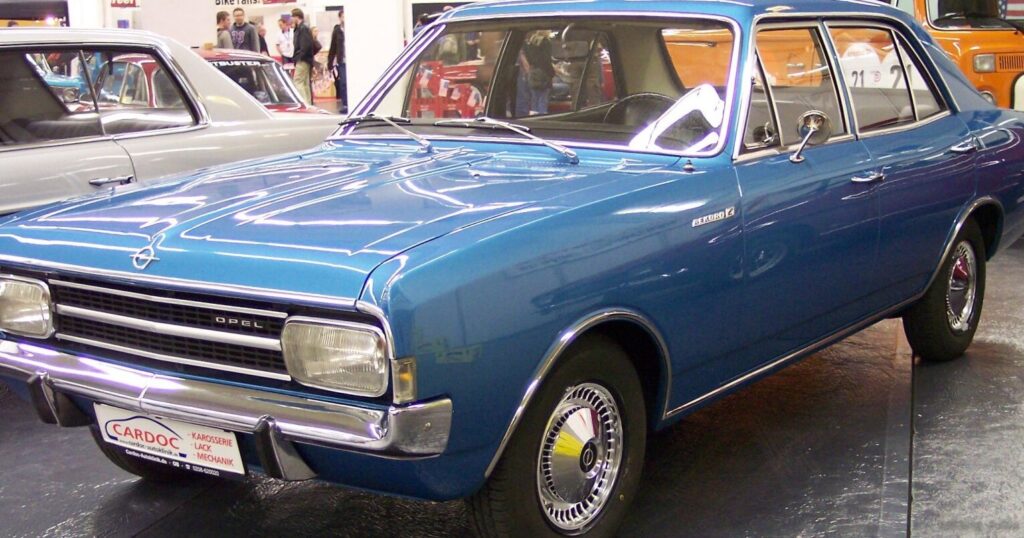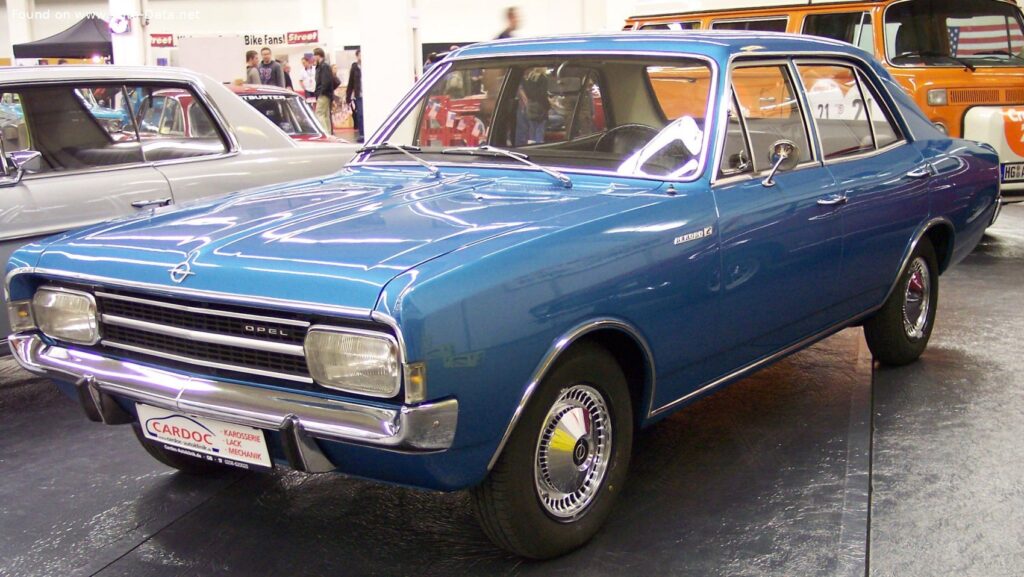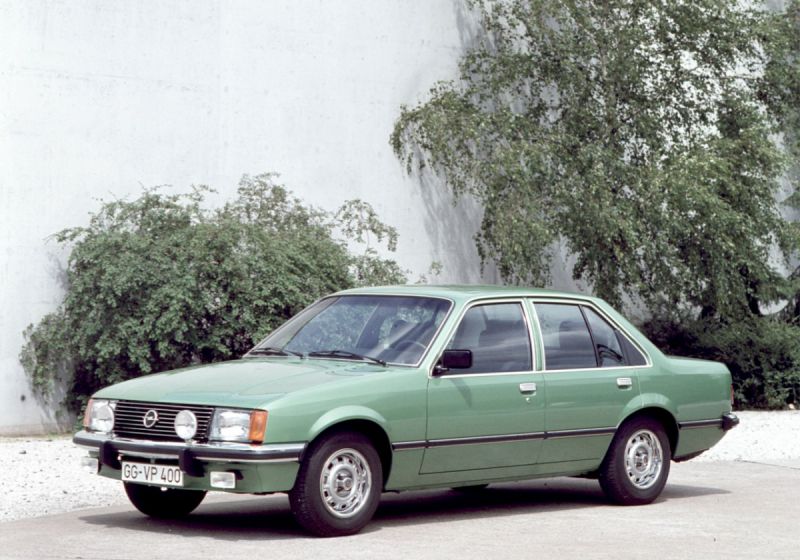
The Opel Rekord E 2.0 S (101 hp) was a variant of the Rekord E produced between 1977 and 1982. Positioned as a mid-range offering within the Rekord E lineup, it aimed to provide a balance between performance and affordability. The Rekord E itself was a significant model for Opel, representing a modern, comfortable, and relatively spacious family car built on the H-platform (internally designated 1HX0/A3). The 2.0 S distinguished itself from the base models with a larger engine and slightly more refined trim, while remaining below the more luxurious and powerful Rekord E GTE.
Powertrain & Engine Architecture
The heart of the Rekord E 2.0 S was the 20S engine, a 1,979 cc (120.77 cubic inches) inline-four cylinder gasoline engine. This engine produced 101 horsepower at 5,600 rpm and 155 Nm (114.32 lb-ft) of torque between 3,400 and 3,800 rpm. The engine featured a single overhead camshaft (SOHC) valvetrain with two valves per cylinder. Unlike later fuel injection systems, the 20S utilized a carburetor for fuel delivery, a common practice for the era. The compression ratio was 9:1. The cylinder bore measured 95 mm (3.74 inches) and the piston stroke was 69.8 mm (2.75 inches).
While a four-speed manual transmission was standard, the 2.0 S was also offered with a three-speed automatic transmission. This automatic was a General Motors-sourced unit, reflecting Opel’s relationship with GM at the time. The automatic transmission, while offering convenience, did impact acceleration and fuel economy compared to the manual version. The drivetrain was rear-wheel drive, a configuration typical for European sedans of this period.
Driving Characteristics
The Rekord E 2.0 S offered a comfortable, if not particularly sporty, driving experience. With 101 hp propelling a curb weight of approximately 1,100 kg (2,425 lbs), acceleration from 0 to 100 km/h (0-62 mph) took around 12.5 seconds. The 0-60 mph time was calculated at 11.9 seconds. Top speed was rated at 173 km/h (107.5 mph). The automatic transmission resulted in slightly slower acceleration times than the manual version, as it inherently loses some power to the torque converter.
The engine delivered usable torque at lower and mid-range RPMs, making it suitable for everyday driving. However, it lacked the punch of the larger-displacement engines found in the Rekord E GTE. The rear-wheel drive configuration provided predictable handling, but the car wasn’t designed for aggressive cornering. The steering, utilizing a hydraulic rack and pinion system, was relatively light and easy to use.
Equipment & Trim Levels
The 2.0 S trim level offered a step up in features compared to the base Rekord E models. Standard equipment typically included cloth upholstery, a basic radio, and a more comprehensive instrument cluster. The interior design was functional and focused on practicality. Optional extras included a vinyl roof, upgraded audio systems, and power windows. The dashboard layout was typical of the late 1970s, with a straightforward design and clearly marked gauges. The 2.0 S often featured a woodgrain trim on the dashboard and door panels, adding a touch of sophistication.
Chassis & Braking
The Rekord E 2.0 S utilized an independent McPherson strut suspension at the front, providing a comfortable ride and reasonable handling. The rear suspension employed a spring strut setup. The front brakes were ventilated discs, offering good stopping power, while the rear brakes were drums. This combination was typical for cars in this class and price range during the late 1970s. The car rode on 185/70 R14 tires mounted on 14-inch steel wheels. The steering system was a hydraulic rack and pinion, providing relatively precise steering feel.
Market Reception & Comparison
The Rekord E 2.0 S was generally well-received by automotive critics as a practical and reliable family car. It offered a good balance of performance, comfort, and fuel economy. However, it wasn’t considered a particularly exciting car to drive. Compared to the base Rekord E models, the 2.0 S offered a noticeable improvement in performance thanks to the larger engine. Compared to the Rekord E GTE, which featured a more powerful engine and sportier suspension, the 2.0 S was less focused on performance but more affordable. Fuel economy was rated at 9.2 l/100 km (25.6 US mpg) combined, which was reasonable for the time. Reliability was generally good, although carburetor maintenance could be required periodically.
Technical Specifications
| Brand | Opel |
| Model | Rekord |
| Generation | Rekord E |
| Type (Engine) | 2.0 S (101 Hp) |
| Start of production | 1977 |
| End of production | 1982 |
| Engine Model/Code | 20S |
| Engine displacement | 1979 cm3 (120.77 cu. in.) |
| Number of cylinders | 4 |
| Engine configuration | Inline |
| Cylinder Bore | 95 mm (3.74 in.) |
| Piston Stroke | 69.8 mm (2.75 in.) |
| Compression ratio | 9:1 |
| Number of valves per cylinder | 2 |
| Fuel injection system | Carburettor |
| Engine aspiration | Naturally aspirated |
| Valvetrain | SOHC |
| Power | 101 Hp @ 5600 rpm |
| Torque | 155 Nm @ 3400-3800 rpm (114.32 lb.-ft. @ 3400-3800 rpm) |
| Fuel Type | Petrol (Gasoline) |
| Acceleration 0 – 100 km/h | 12.5 sec |
| Acceleration 0 – 62 mph | 12.5 sec |
| Acceleration 0 – 60 mph | 11.9 sec |
| Maximum speed | 173 km/h (107.5 mph) |
| Kerb Weight | 1100 kg (2425.08 lbs.) |
| Max. weight | 1600 kg (3527.4 lbs.) |
| Trunk (boot) space – minimum | 540 l (19.07 cu. ft.) |
| Fuel tank capacity | 65 l (17.17 US gal | 14.3 UK gal) |
| Length | 4593 mm (180.83 in.) |
| Width | 1726 mm (67.95 in.) |
| Height | 1420 mm (55.91 in.) |
| Wheelbase | 2668 mm (105.04 in.) |
Legacy
The Opel Rekord E 2.0 S, while not a particularly rare or collectible car today, remains a popular choice among classic car enthusiasts seeking a reliable and affordable vintage vehicle. The 20S engine, while simple in design, is generally durable and relatively easy to maintain. However, finding parts for the carburetor and other aging components can sometimes be challenging. The automatic transmission, if not properly maintained, can be prone to issues. In the used car market, Rekord E 2.0 S models in good condition typically command modest prices, making them an accessible entry point into classic car ownership. The Rekord E, as a whole, represents a significant chapter in Opel’s history, and the 2.0 S variant offers a representative example of the comfortable and practical family cars that defined the era.