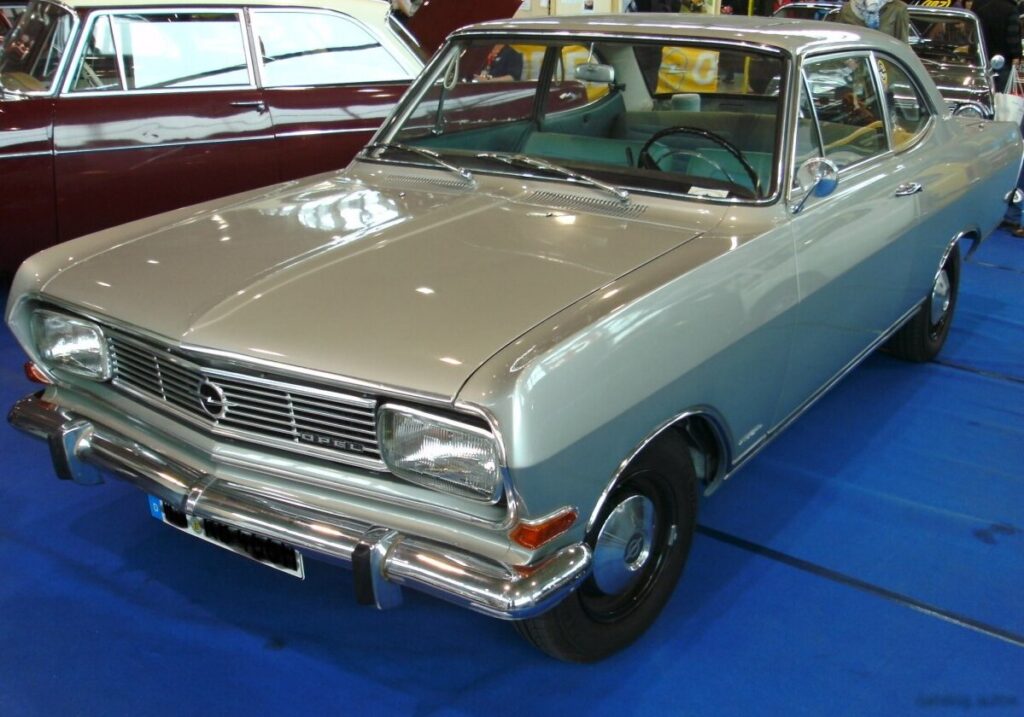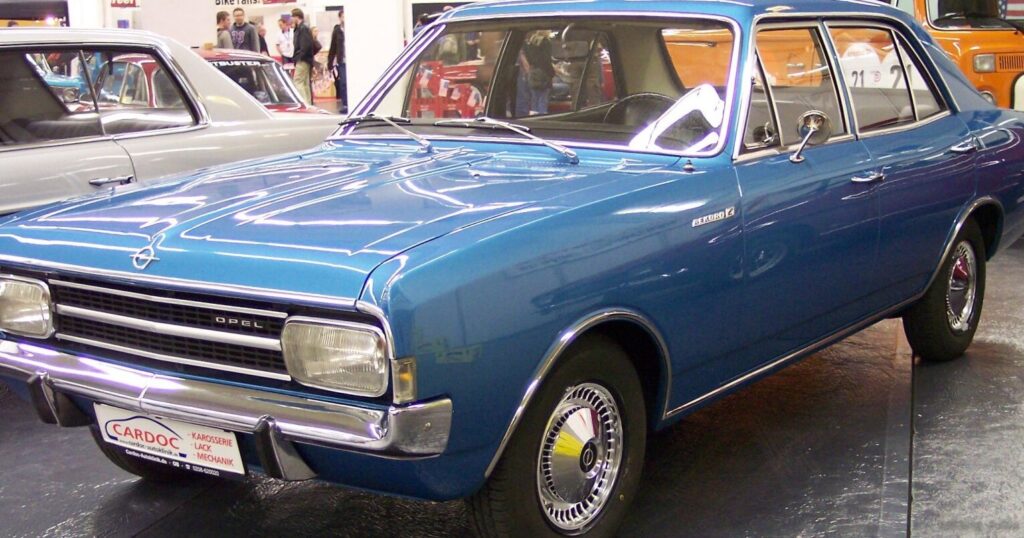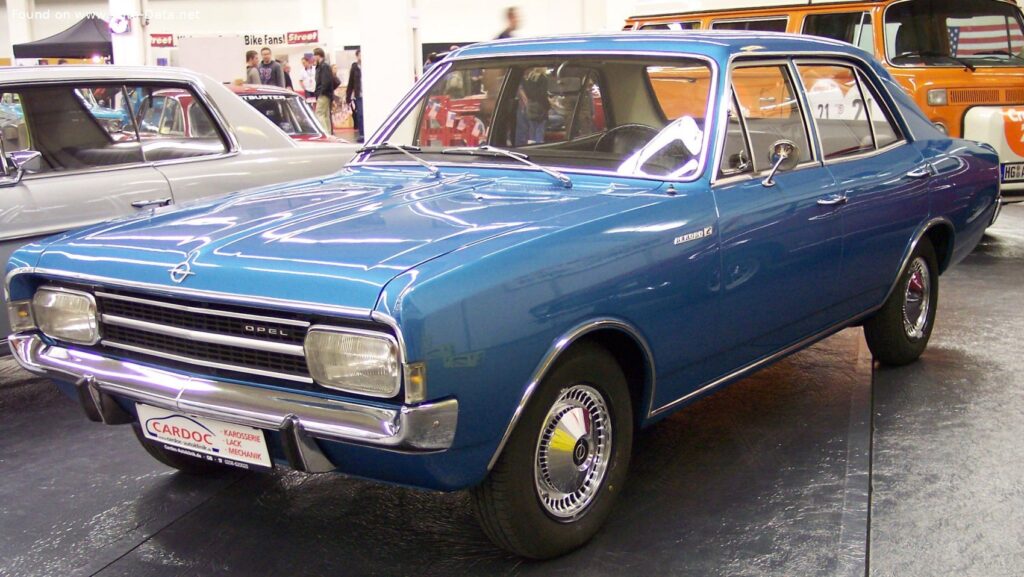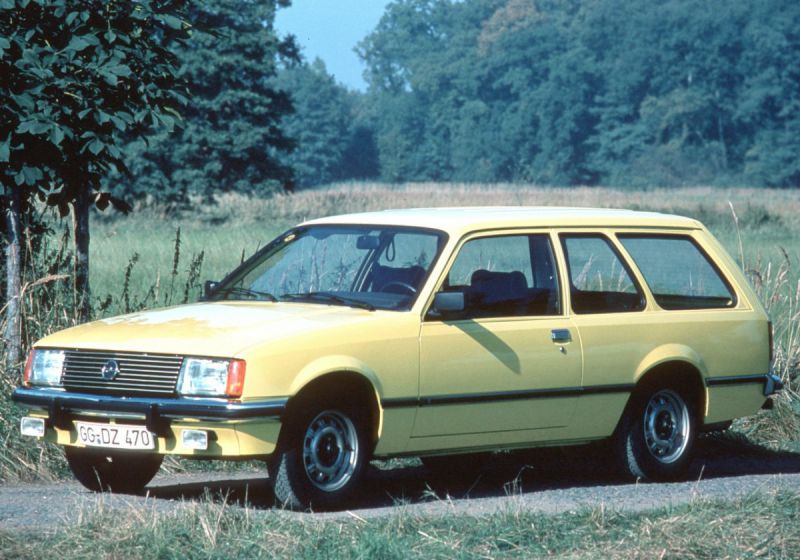
The Opel Rekord E Caravan 2.1 D (60 Hp) Automatic represents a significant chapter in European automotive history, embodying the practical, durable, and economical family vehicle ethos of the late 1970s. As part of the fifth generation of the highly successful Rekord lineage, the ‘E’ series, this particular variant stood out for its diesel powertrain and spacious station wagon (known as ‘Caravan’ in Opel’s nomenclature) body style. Produced by the German automaker Opel, a subsidiary of General Motors, the Rekord E was a ubiquitous sight on European roads from its introduction in 1977 until its discontinuation in 1986. The 2.1 D automatic model, specifically manufactured between 1977 and 1978, was engineered for reliability and fuel efficiency, making it a popular choice for families and businesses across the continent, even though it was never officially sold in the United States market.
The 2.1 D Automatic: Positioning in the Rekord E Lineup
The 2.1 D Automatic occupied the entry-level position within the Rekord E Caravan range, particularly when considering diesel options. Opel offered a variety of engine and transmission combinations, including gasoline engines ranging from 1.6L to 2.1L, and both manual and automatic transmissions. The 2.1 D was positioned below the more powerful gasoline-powered Rekord E models, such as the 2.0E and 2.1E, which offered significantly more horsepower and performance. It also sat below the later 2.3D models that offered a slight power increase. The target audience for the 2.1 D Automatic was primarily families and businesses prioritizing fuel economy and low running costs over outright speed and driving excitement. It was a vehicle designed for long-distance cruising and everyday practicality, rather than spirited driving.
Powertrain & Engine Architecture
Under the hood of the Opel Rekord E Caravan 2.1 D Automatic lay a robust, naturally aspirated 2.1-liter (2068 cm³) inline-four diesel engine, designated with the code ’21D’. This powerplant was a testament to the growing interest in diesel engines for passenger cars in Europe during the energy crises of the 1970s. Delivering a modest 60 horsepower at 4400 rpm and 87.03 lb.-ft. (118 Nm) of torque at a low 2500 rpm, the engine was not designed for blistering performance but rather for dependable, economical motoring. Its power-per-liter figure of 29 Hp/l was typical for a diesel engine of its era, emphasizing longevity and fuel economy over outright speed.
The 21D engine utilized a precombustion chamber injection system, a common diesel technology of the time. This system involved injecting fuel into a precombustion chamber connected to the main combustion chamber, promoting more complete combustion and reducing engine noise. The engine also featured a Single Overhead Camshaft (SOHC) valvetrain, operating two valves per cylinder. The high compression ratio of 22:1 was crucial for efficient diesel combustion. The 3-speed automatic transmission was a General Motors-sourced unit, known for its durability and relatively smooth operation. It wasn’t a particularly sophisticated transmission by modern standards, lacking features like overdrive, but it provided convenient, hands-free driving. The transmission’s gear ratios were optimized for fuel efficiency and low-speed torque, rather than rapid acceleration.
Comparing the 2.1 D to Other Rekord E Engines
Compared to the gasoline-powered Rekord E variants, the 2.1 D offered significantly lower performance but superior fuel economy. The 2.0E, for example, produced around 100 hp and offered considerably quicker acceleration. However, it also consumed significantly more fuel. The 1.9 TDI (introduced later in the Rekord E’s lifespan) offered a balance between performance and economy, but was generally more expensive to maintain due to its more complex turbocharging system. The 2.1 D’s simplicity and robust construction made it a relatively easy engine to maintain, appealing to owners who preferred a straightforward and reliable vehicle.
Driving Characteristics
The Opel Rekord E Caravan 2.1 D Automatic offered a driving experience focused on comfort and practicality. Acceleration was modest, with 0-60 mph times estimated to be around 18-20 seconds. The 3-speed automatic transmission contributed to a relaxed driving style, with smooth but deliberate gear changes. The engine’s peak torque at 2500 rpm provided adequate pulling power for everyday driving and highway cruising, but overtaking maneuvers required careful planning. The car felt stable and planted on the road, thanks to its relatively long wheelbase and substantial weight. The steering was relatively heavy, typical of cars from that era, but provided good feedback. The automatic transmission, while convenient, did sap some power compared to the available manual gearbox.
Equipment & Trim Levels
The 2.1 D Automatic trim level was generally considered the base model for the Caravan. Standard features included cloth upholstery, basic instrumentation (speedometer, fuel gauge, temperature gauge), and a two-spoke steering wheel. The interior was functional and durable, with hard-wearing plastics and vinyl trim. Optional extras included a radio, upgraded upholstery, power steering, and a sunroof. The Rekord E Caravan offered a reasonable level of comfort for its price point, but it wasn’t a luxury vehicle. The focus was on providing a practical and reliable family car at an affordable price.
Chassis & Braking
The Opel Rekord E Caravan featured a conventional body-on-frame construction, providing a robust and durable chassis. The suspension consisted of independent front suspension with coil springs and a rigid rear axle with leaf springs. This setup provided a comfortable ride, but handling was not particularly sporty. The braking system consisted of ventilated disc brakes at the front and drum brakes at the rear. While adequate for the vehicle’s weight and performance, the drum brakes at the rear were less effective than disc brakes, particularly in wet conditions. The Rekord E Caravan was equipped with a stabilizer bar at the front to reduce body roll during cornering.
Market Reception & Comparison
The Opel Rekord E Caravan 2.1 D Automatic was generally well-received by European consumers seeking a practical and economical family vehicle. Critics praised its fuel efficiency, spacious interior, and robust construction. However, its modest performance and somewhat dated styling were also noted. Compared to other station wagons in its class, such as the Ford Taunus and Volvo 240, the Rekord E Caravan offered a competitive combination of price, practicality, and reliability. Its fuel economy was particularly impressive, making it a popular choice for drivers covering long distances. The 2.1 D was often seen as a more sensible and economical alternative to the more powerful gasoline-powered Rekord E models.
Technical Specifications
| Category | Specification |
| Engine Type | Inline-Four Diesel |
| Engine Displacement | 2068 cc (2.1 L) |
| Engine Code | 21D |
| Horsepower | 60 hp @ 4400 rpm |
| Torque | 87.03 lb-ft (118 Nm) @ 2500 rpm |
| Compression Ratio | 22:1 |
| Fuel Injection | Precombustion Chamber |
| Valvetrain | SOHC, 2 valves per cylinder |
| Transmission | 3-Speed Automatic |
| Drivetrain | Rear-Wheel Drive |
| Top Speed | 80.78 mph (130 km/h) |
| Fuel Consumption (Combined) | 25.8 US mpg (9.1 l/100 km) |
| Fuel Tank Capacity | 18.49 US gallons (70 L) |
| Length | 181.89 inches (4620 mm) |
| Width | 67.95 inches (1726 mm) |
| Height | 57.87 inches (1470 mm) |
| Wheelbase | 105.04 inches (2668 mm) |
| Curb Weight | 2843.96 lbs (1290 kg) |
| Maximum Permissible Weight | 4166.74 lbs (1890 kg) |
| Drag Coefficient (Cd) | 0.48 |
Legacy
The Opel Rekord E Caravan 2.1 D Automatic, while not a performance icon, holds a significant place in automotive history as a representative of the practical and economical family cars of the 1970s. The 21D engine proved to be remarkably durable, and many examples are still on the road today, testament to its robust construction. In the used car market, these vehicles are sought after by enthusiasts and collectors who appreciate their simplicity, reliability, and classic styling. While maintenance can be challenging due to the age of the vehicles and the availability of parts, the 2.1 D Automatic remains a popular choice for those seeking a nostalgic and affordable classic car. The powertrain, while basic, is known for its longevity, and with proper maintenance, can provide many more years of reliable service.