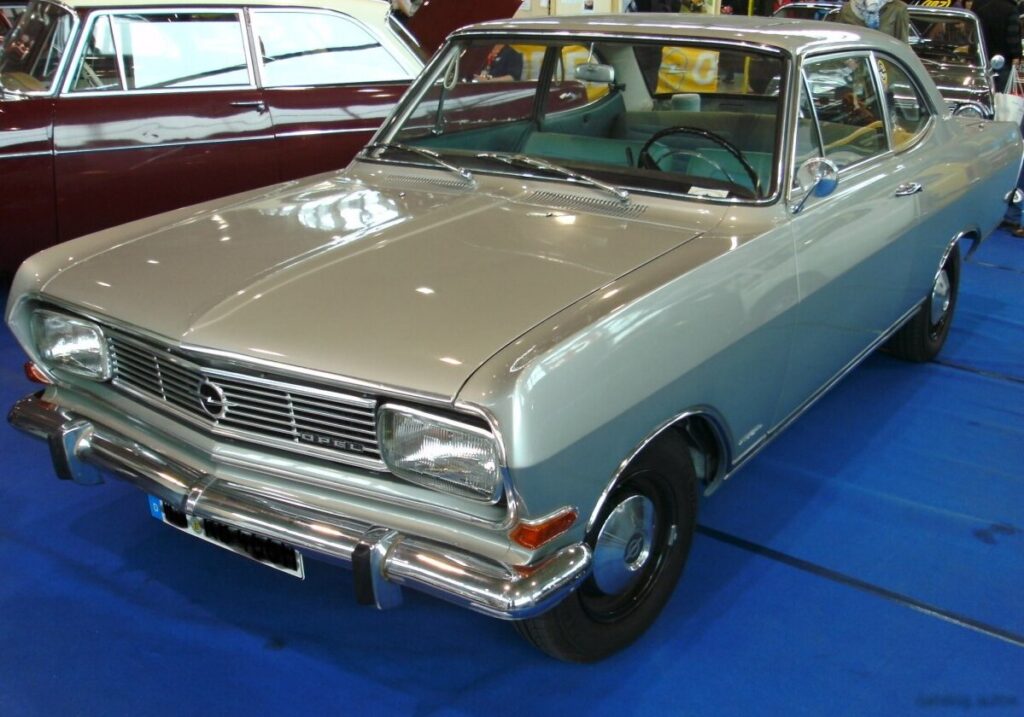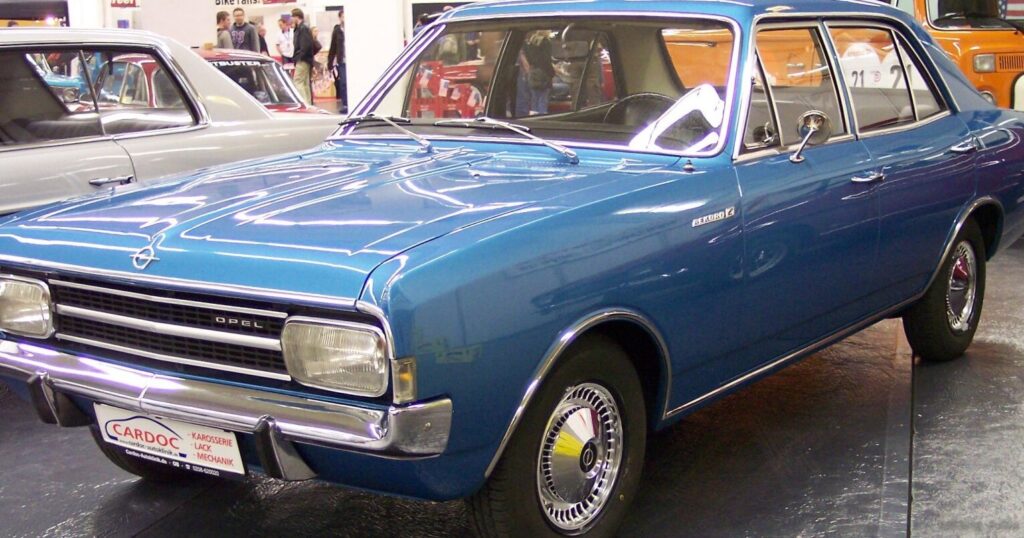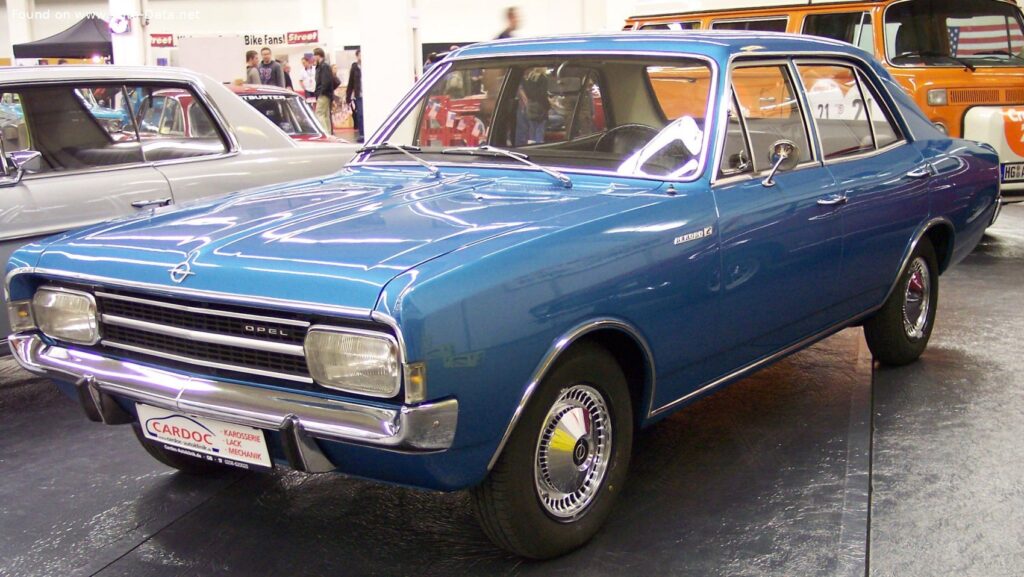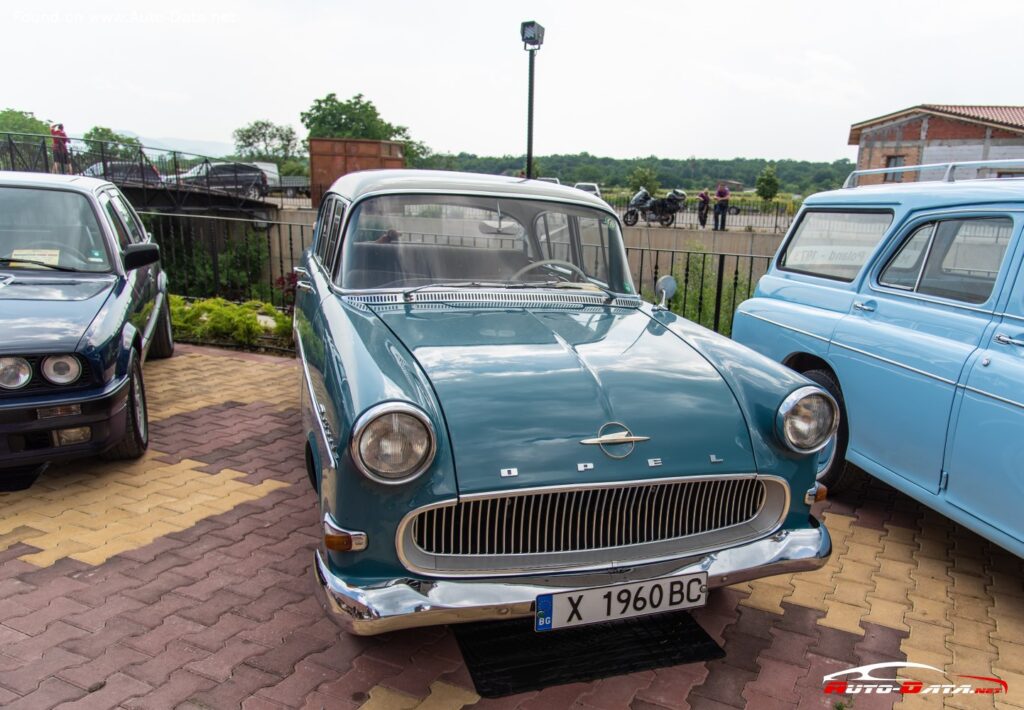
The Opel Rekord P1 (Olympia) 1.5 (50 Hp), produced from 1957 to 1960, represents a significant chapter in European automotive history, particularly for the German manufacturer Opel. As a direct successor to the Opel Olympia Rekord, the P1 generation introduced a new level of styling and comfort, reflecting the growing prosperity of post-war West Germany. While never officially sold in the United States, the Rekord P1 was a quintessential European family car, embodying the spirit of the economic miracle (Wirtschaftswunder) with its modern design and practical engineering. This particular variant, powered by a 1.5-liter engine generating 50 horsepower, was a popular choice, offering a balance of performance and fuel efficiency suitable for the era’s infrastructure and consumer demands. It occupied the entry-level position within the Rekord P1 lineup, providing affordable transportation for a broad segment of the population.
The Evolution of the Opel Rekord P1 (Olympia)
The Rekord nameplate, first introduced in 1953, quickly became synonymous with Opel’s mid-size offerings. The P1 generation, often referred to as the Olympia Rekord P1 or simply Rekord P1, marked a significant departure from its predecessors in terms of aesthetic and technological ambition. The “P1” designation itself referred to the panoramic windshield, a defining feature of its design, which was heavily influenced by contemporary American automotive styling. This was a deliberate strategy by Opel, a subsidiary of General Motors, to bring modern, attractive designs to the European market. The P1 was offered in various body styles, but the 4-door sedan, as detailed here, was the workhorse of the lineup, providing ample space for up to five occupants. Its production run from 1957 to 1960, though relatively short, saw considerable sales, cementing its place as a popular and recognizable vehicle on European roads.
Powertrain & Engine Architecture
At the heart of the 1957-1960 Opel Rekord P1 (Olympia) 1.5 (50 Hp) was a robust and proven 1.5-liter (1488 cm³ or 90.8 cu. in.) inline four-cylinder engine. This naturally aspirated gasoline (petrol) unit was configured with an overhead valve (OHV) valvetrain, a common and reliable design for the period. Fuel delivery was managed by a single Solex carburetor, a straightforward and effective system. The engine was longitudinally mounted at the front, driving the rear wheels, a conventional drivetrain architecture for sedans of that era.
This 1.5-liter engine produced a modest but adequate 50 horsepower at 4300 revolutions per minute (rpm). Its power per liter stood at 33.6 horsepower per liter, a respectable figure for a non-performance oriented engine of the late 1950s. More importantly for everyday driving, the engine delivered a healthy 106 Newton-meters (78.18 lb.-ft.) of torque across a useful band from 1800 to 2400 rpm. This broad torque curve ensured good tractability and flexibility, making the Rekord P1 capable of handling urban traffic and longer journeys without constant gear changes. The engine featured a 7.25:1 compression ratio, allowing it to operate reliably on the gasoline available at the time.
Power was transmitted to the rear wheels via a 3-speed manual transmission, a standard offering for many European cars of the time. While a 4-speed manual was available on some later models, the 3-speed was the most common pairing with the 50 hp engine. The transmission was a fully synchronized unit, improving shift quality and ease of use. This powertrain allowed the Rekord P1 to achieve a maximum speed of 128 km/h (79.54 mph), which was competitive for a family sedan in its segment.
Driving Characteristics
The Opel Rekord P1 1.5 (50 Hp) with the 3-speed manual transmission offered a driving experience geared towards practicality and ease of use rather than outright performance. Acceleration was modest, with 0-60 mph times estimated around 18-20 seconds. The gear ratios were relatively tall, prioritizing fuel economy and reducing engine noise at cruising speeds. The engine’s torque delivery meant that it didn’t require frequent downshifts for overtaking maneuvers, but it also lacked the punch of higher-output versions. Compared to the later Rekord models with larger engines, the 1.5-liter version felt noticeably slower, particularly when fully loaded with passengers and luggage. However, its simplicity and predictable handling made it a comfortable and reliable companion for everyday driving. The steering, while not power-assisted, was relatively light and responsive, providing adequate control. The suspension, while not particularly sophisticated, offered a reasonable level of ride comfort, absorbing bumps and imperfections in the road surface.
Equipment & Trim Levels
The Rekord P1 1.5 (50 Hp) was positioned as the entry-level model, and as such, it came with a relatively basic level of standard equipment. The interior typically featured cloth upholstery, often in a durable patterned fabric. The dashboard was functional and straightforward, with a speedometer, fuel gauge, and ammeter as the primary instruments. A steering wheel horn ring was standard. Optional extras included a radio, heater, whitewall tires, and a two-tone paint scheme. The Olympia trim level, often associated with this engine variant, signified a slightly more refined interior finish compared to the base model. Chrome trim was used sparingly, primarily on the bumpers, grille, and window surrounds. The overall emphasis was on providing a practical and affordable family car, rather than a luxurious one.
Chassis & Braking
The Rekord P1 employed a conventional chassis setup for the era. The front suspension utilized independent coil springs, providing a more comfortable ride and improved handling compared to earlier beam-axle designs. The rear suspension, however, relied on leaf springs, a durable and cost-effective solution for carrying passengers and cargo. Braking was handled by drum brakes on all four wheels, which provided adequate stopping power for the vehicle’s speed and weight. The steering system, a cone worm with recirculation balls, offered predictable control, though it lacked the power assistance found in more modern vehicles. The 13-inch wheels (4J x 13) were fitted with tires that provided a balance of grip and ride comfort. Stabilizer bars were not typically fitted to the base 1.5-liter models, contributing to a slightly softer ride but also increased body roll during cornering.
Market Reception & Comparison
Critics generally viewed the Opel Rekord P1 1.5 (50 Hp) as a solid and reliable family car, offering good value for money. While its performance was not exceptional, it was considered adequate for its intended purpose. The car’s styling was praised for its modern and American-inspired design, which set it apart from many of its more conservative European rivals. Fuel economy was considered reasonable for the period, and the car’s mechanical simplicity contributed to its reputation for reliability. Compared to the higher-output Rekord models, such as those equipped with larger engines, the 1.5-liter version was less expensive to purchase and maintain. However, it also lacked the performance and refinement of its more powerful siblings. In terms of fuel economy, the 1.5-liter version typically achieved slightly better figures than the larger-engined models. Reliability was generally comparable across the Rekord P1 range, but the simpler engine of the 1.5-liter version potentially reduced the likelihood of mechanical issues.
Technical Specifications
| Category | Specification |
| General Information | |
| Brand | Opel |
| Model | Rekord P1 (Olympia) |
| Generation | Rekord P1 (Olympia) |
| Type (Engine) | 1.5 (50 Hp) |
| Start of Production | 1957 year |
| End of Production | 1960 year |
| Powertrain Architecture | Internal Combustion engine |
| Body type | Sedan |
| Seats | 5 |
| Doors | 4 |
| Performance Specs | |
| Fuel consumption (economy) – combined | 8.5 l/100 km |
| Fuel Type | Petrol (Gasoline) |
| Maximum speed | 128 km/h |
| Weight-to-power ratio | 18.6 kg/Hp |
| Engine Specs | |
| Power | 50 Hp @ 4300 rpm |
| Power per liter | 33.6 Hp/l |
| Torque | 106 Nm @ 1800-2400 rpm |
| Engine layout | Front, Longitudinal |
| Engine displacement | 1488 cm³ |
| Number of cylinders | 4 |
| Engine configuration | Inline |
| Cylinder Bore | 80 mm |
| Piston Stroke | 74 mm |
| Compression ratio | 7.25:1 |
| Number of valves per cylinder | 2 |
| Fuel injection system | Carburetor |
| Engine aspiration | Naturally aspirated engine |
| Valvetrain | OHV |
| Space, Volume and Weights | |
| Kerb Weight | 930 kg |
| Dimensions | |
| Length | 4433 mm |
| Width | 1616 mm |
| Height | 1490 mm |
| Wheelbase | 2541 mm |
| Drivetrain, Brakes and Suspension Specs | |
| Drivetrain Architecture | Internal combustion engine drives rear wheels |
| Drive wheel | Rear wheel drive |
| Number of gears and type of gearbox | 3 gears, manual transmission |
| Front suspension | Independent coil spring |
| Rear suspension | Leaf spring |
| Front brakes | Drum |
| Rear brakes | Drum |
Legacy
The Opel Rekord P1 (Olympia) 1.5 (50 Hp) powertrain, while not known for exceptional performance or longevity compared to some later designs, proved to be reasonably reliable for its time. The engine’s simplicity and robust construction meant that it could withstand years of use with proper maintenance. Today, finding a well-maintained example of this variant is becoming increasingly rare, but those that remain are highly sought after by classic car enthusiasts. The 1.5-liter engine is relatively easy to repair and maintain, as parts are still available from specialist suppliers. The Rekord P1’s legacy is one of a stylish, dependable workhorse that helped mobilize a continent, representing a pivotal moment in European automotive history. It remains a testament to Opel’s engineering prowess and its understanding of the evolving needs of the European motorist.