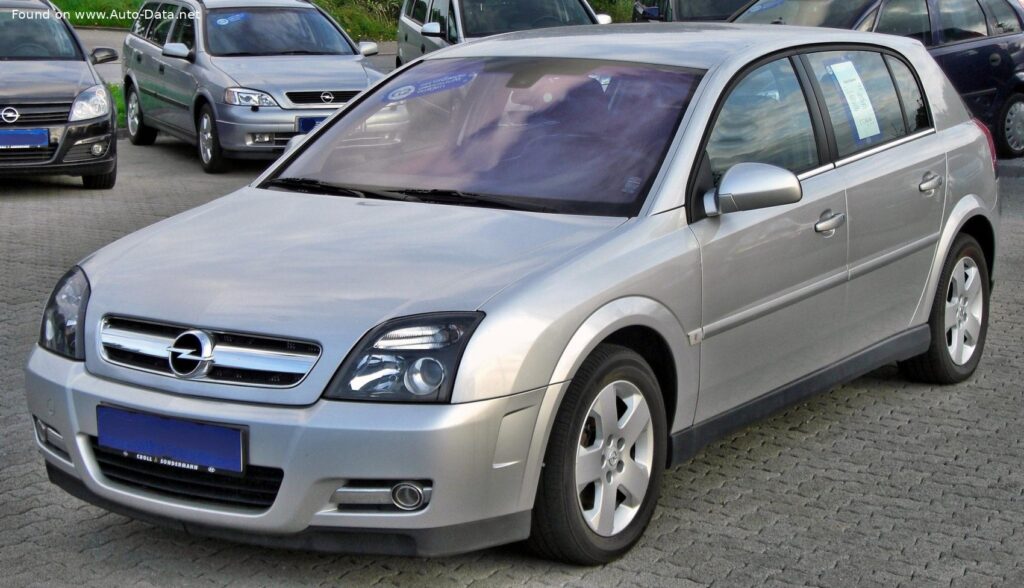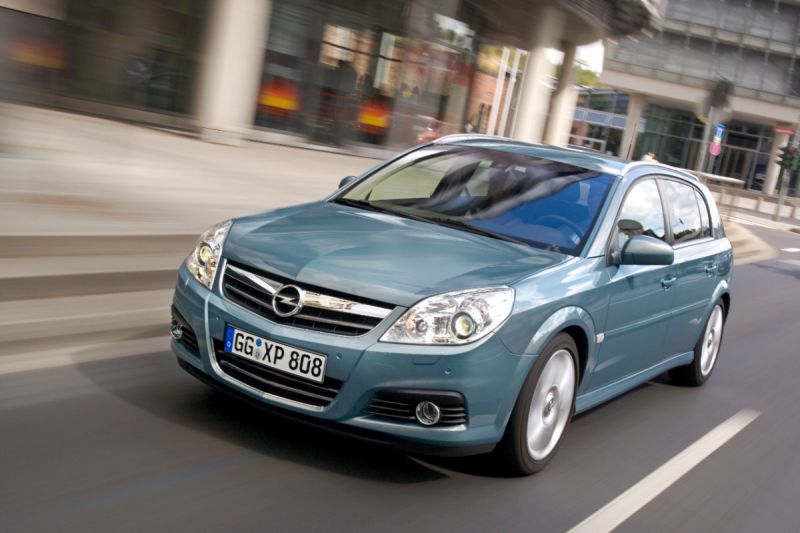
The Opel Signum, particularly the facelifted 2005 model with the 2.2i 16V ECOTEC engine, occupies a unique niche in automotive history. Never officially offered for sale in North America, it represents General Motors’ attempt to cater to the European market’s demand for a vehicle that combined the prestige of a traditional sedan with the practicality of a hatchback. Introduced in 2003 and receiving a significant refresh in 2005, the Signum aimed to appeal to buyers who desired a spacious, flexible, and somewhat upscale vehicle, effectively bridging the gap between conventional saloons, estates (wagons), and multi-purpose vehicles (MPVs). This article will delve into the details of the 2005 Signum 2.2i 16V ECOTEC, offering an in-depth look at its design, engineering, and place within the broader European automotive landscape of the mid-2000s.
The Opel Signum: A European Executive Hatchback
The Signum was conceived as a more stylish and sophisticated alternative to the often-utilitarian MPV segment that was gaining popularity in Europe. Opel, GM’s European brand, recognized a demand for vehicles that offered family-friendly space without sacrificing the perceived status associated with a traditional sedan. The Signum’s “notchback” design – a sloping rear roofline that blends sedan and hatchback elements – was central to this strategy. It provided a larger cargo opening than a typical sedan while maintaining a more streamlined and elegant profile. The 2005 facelift brought revised front and rear styling, updated interior materials, and refinements to the engine range, enhancing the Signum’s appeal and competitiveness.
Origins and Market Positioning
The Signum was built on the GM Epsilon platform, which also underpinned models like the Opel Vectra and Saab 9-3. This platform allowed for a degree of cost-effectiveness in production while providing a solid foundation for a comfortable and capable vehicle. In Europe, the Signum competed with vehicles such as the Ford Mondeo, Volkswagen Passat, and Audi A4, all of which offered similar levels of space, comfort, and technology. However, the Signum differentiated itself with its unique body style and focus on providing a more premium experience than some of its more mainstream rivals. It was positioned as a slightly more upscale offering within the Opel lineup, targeting buyers who were willing to pay a premium for its distinctive design and features.
Engine & Performance
The 2.2i 16V ECOTEC engine powering the 2005 Opel Signum is a naturally aspirated, inline-four cylinder powerplant. Displacing 2,198 cc (134 cubic inches), it produces 147 horsepower (110 kW) at 5,600 rpm and 151 lb-ft (205 Nm) of torque at 3,900 rpm. While not a performance-oriented engine, it provided adequate power for comfortable cruising and everyday driving. The ECOTEC designation signifies Opel’s commitment to fuel efficiency and reduced emissions, incorporating features such as multi-point fuel injection and a lightweight construction.
Power is delivered to the front wheels through either a five-speed manual transmission or a five-speed automatic transmission. The automatic transmission offered a smooth and convenient driving experience, while the manual transmission provided greater driver control and slightly improved fuel economy. The Signum’s suspension system, featuring MacPherson struts at the front and a multi-link setup at the rear, was tuned for comfort, providing a smooth and controlled ride even on uneven surfaces. The steering was precise and well-weighted, contributing to a confident and enjoyable driving experience. Performance figures for the 2.2i model are modest, with a 0-62 mph (0-100 km/h) time of around 9.8 seconds and a top speed of approximately 134 mph (216 km/h). However, the Signum was never intended to be a sports car; its focus was on providing a refined and comfortable driving experience.
Design & Features
The Opel Signum’s design is characterized by its distinctive notchback profile. The sloping rear roofline creates a sleek and aerodynamic silhouette, while the large hatchback opening provides easy access to the spacious cargo area. The 2005 facelift brought subtle but significant changes to the exterior, including a revised front grille, new headlights, and updated taillights. These changes gave the Signum a more modern and sophisticated appearance.
Inside, the Signum offered a well-appointed and comfortable cabin. The interior materials were upgraded in the 2005 facelift, with higher-quality plastics and fabrics used throughout. The seats were supportive and comfortable, providing good cushioning for long journeys. The Signum was equipped with a range of features, including air conditioning, power windows, power mirrors, and a CD stereo system. Higher trim levels offered additional features such as leather upholstery, automatic climate control, and a sunroof. Safety features included ABS brakes, electronic stability control (ESP), and front and side airbags. The Signum’s flexible seating configuration allowed for a variety of cargo-carrying options. The rear seats could be folded down to create a large, flat cargo area, making it ideal for transporting bulky items. The Signum’s interior was designed to be both practical and comfortable, providing a pleasant and functional space for both driver and passengers.
Technical Specifications
| Engine Type | Inline-4, Naturally Aspirated |
| Displacement | 2,198 cc (134 cu in) |
| Horsepower | 147 hp (110 kW) @ 5,600 rpm |
| Torque | 151 lb-ft (205 Nm) @ 3,900 rpm |
| Fuel System | Multi-point Fuel Injection |
| Transmission | 5-speed Manual or 5-speed Automatic |
| Drivetrain | Front-Wheel Drive |
| Suspension (Front) | MacPherson Struts |
| Suspension (Rear) | Multi-link |
| Brakes | ABS Disc Brakes (Front & Rear) |
| 0-62 mph (0-100 km/h) | 9.8 seconds (approx.) |
| Top Speed | 134 mph (216 km/h) (approx.) |
| Curb Weight | 3,351 lbs (1,520 kg) (approx.) |
| Fuel Capacity | 17.2 gallons (65 liters) |
| Body Type | 5-Door Hatchback |
The Opel Signum, while remaining largely unknown in the North American market, represents a compelling example of European automotive design and engineering. Its unique blend of sedan elegance and hatchback practicality, combined with a comfortable driving experience and a well-appointed interior, made it a popular choice for discerning buyers in Europe. The 2005 facelifted model, with its refined styling and updated features, represents the culmination of Opel’s efforts to create a truly distinctive and versatile vehicle. Though production ceased in 2008, the Signum remains a fascinating and often overlooked chapter in the history of General Motors’ global product portfolio.