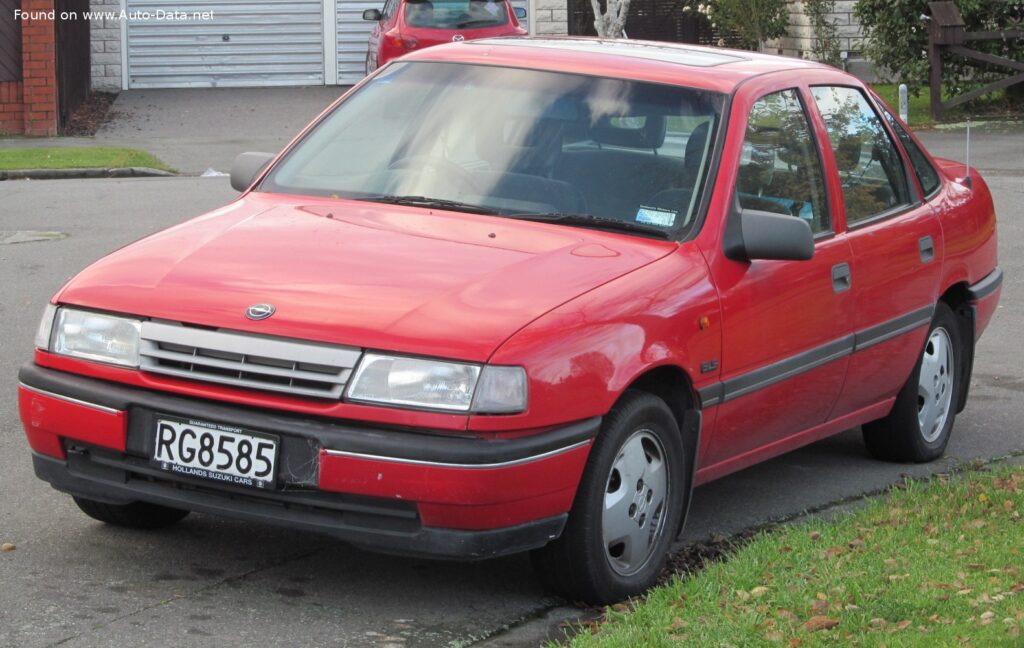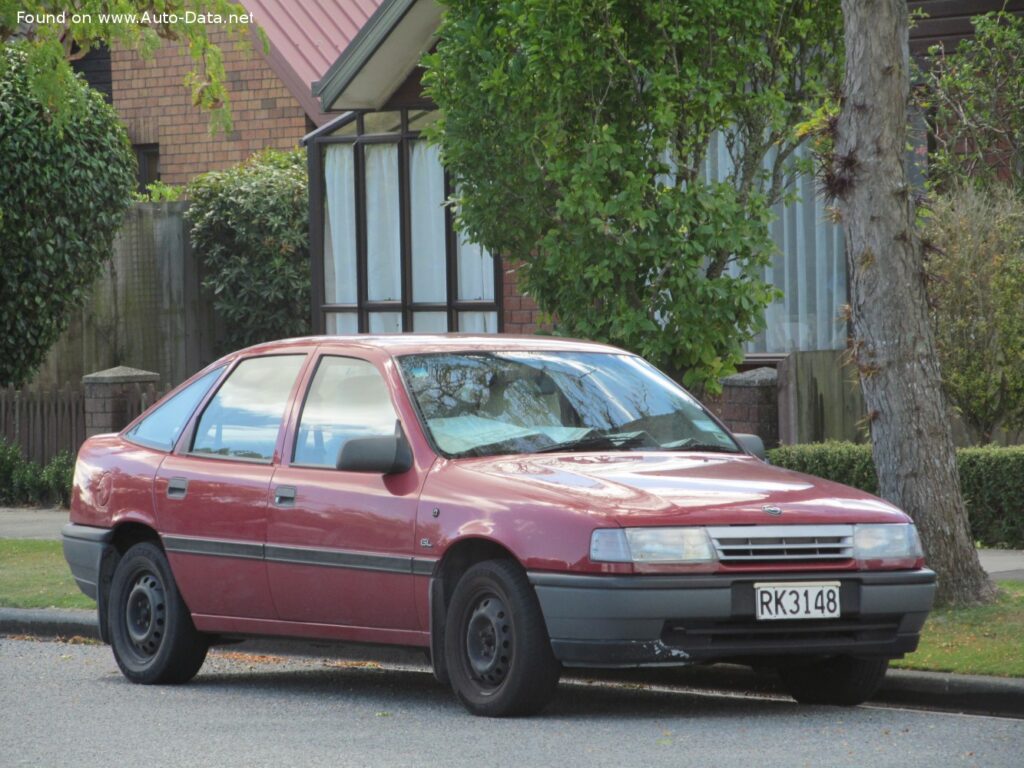
The Opel Vectra A CC 1.8i, produced between September 1988 and July 1989, represents the initial offering in the Vectra lineage, a mid-size car intended to replace the aging Ascona and Manta models. Positioned as a practical and modern family vehicle, the Vectra A aimed to compete with established rivals like the Ford Mondeo and Volkswagen Passat in the European market. The “CC” designation signifies the “Caravan” or station wagon body style, offering increased cargo capacity compared to the notchback sedan. While not officially sold in the United States, understanding the Vectra A provides insight into Opel’s engineering and design philosophies of the late 1980s, and its role in shaping the European automotive landscape.
Opel Vectra A CC: A Detailed Overview
The Vectra A marked a significant departure for Opel, embracing a more aerodynamic and contemporary design compared to its predecessors. It was a crucial model for General Motors’ European arm, representing a substantial investment in a new platform and technology. The 1.8i variant, equipped with a 90 horsepower engine, was a popular choice, balancing affordability with reasonable performance. The Vectra A’s success paved the way for subsequent generations, solidifying its position as a mainstay in Opel’s lineup for over a decade.
Engine & Performance
The heart of the Vectra A CC 1.8i is an inline four-cylinder, 1.8-liter (1796 cm3 or 109.6 cu. in.) gasoline engine, designated the 18SV. This naturally aspirated engine produces 90 horsepower at 5400 rpm and 145 Nm (106.95 lb.-ft.) of torque at 3000 rpm. Power delivery is managed through a five-speed manual transmission, driving the front wheels. Acceleration from 0 to 100 km/h (0-62 mph) takes 12.5 seconds, while 0 to 60 mph is achieved in approximately 11.9 seconds. The vehicle boasts a maximum speed of 183 km/h (113.71 mph). The engine’s fuel consumption figures are 10.5 l/100 km (22.4 US mpg) in urban settings, 5.9 l/100 km (39.9 US mpg) on the open road, and a combined 7.4 l/100 km (31.8 US mpg). The weight-to-power ratio stands at 11.9 kg/Hp, and the weight-to-torque ratio is 7.4 kg/Nm.
Design & Features
The Opel Vectra A CC is a five-door hatchback, offering a practical blend of passenger space and cargo versatility. Its design, while typical of the late 1980s, featured a relatively streamlined silhouette with a sloping rear hatch. The interior prioritized functionality, offering seating for five occupants. Safety features for the time included ventilated front disc brakes and optional Anti-lock Braking System (ABS). Hydraulic power steering was standard, enhancing driver comfort and control. The rear suspension and front suspension both utilize coil springs. The trunk offers a minimum capacity of 460 liters (16.24 cu. ft.), expanding to a substantial 1290 liters (45.56 cu. ft.) with the rear seats folded down. The vehicle rides on 175/70 R14 tires mounted on 14-inch wheel rims.
Technical Specifications
| Brand | Opel |
| Model | Vectra |
| Generation | Vectra A CC |
| Type (Engine) | 1.8i (90 Hp) |
| Start of production | September, 1988 |
| End of production | July, 1989 |
| Powertrain Architecture | Internal Combustion engine |
| Body type | Hatchback |
| Seats | 5 |
| Doors | 5 |
| Fuel consumption (urban) | 10.5 l/100 km (22.4 US mpg) |
| Fuel consumption (extra urban) | 5.9 l/100 km (39.9 US mpg) |
| Fuel consumption (combined) | 7.4 l/100 km (31.8 US mpg) |
| Fuel Type | Petrol (Gasoline) |
| Acceleration 0 – 100 km/h | 12.5 sec |
| Acceleration 0 – 62 mph | 12.5 sec |
| Acceleration 0 – 60 mph | 11.9 sec |
| Maximum speed | 183 km/h (113.71 mph) |
| Weight-to-power ratio | 11.9 kg/Hp |
| Weight-to-torque ratio | 7.4 kg/Nm |
| Power | 90 Hp @ 5400 rpm |
| Torque | 145 Nm @ 3000 rpm (106.95 lb.-ft. @ 3000 rpm) |
| Engine layout | Front, Transverse |
| Engine Model/Code | 18SV |
| Engine displacement | 1796 cm3 (109.6 cu. in.) |
| Number of cylinders | 4 |
| Engine configuration | Inline |
| Cylinder Bore | 84.8 mm (3.34 in.) |
| Piston Stroke | 79.5 mm (3.13 in.) |
| Compression ratio | 9.2:1 |
| Number of valves per cylinder | 2 |
| Fuel injection system | Multi-port manifold injection |
| Engine aspiration | Naturally aspirated |
| Valvetrain | OHC |
| Engine oil capacity | 4 l (4.23 US qt | 3.52 UK qt) |
| Coolant capacity | 7 l (7.4 US qt | 6.16 UK qt) |
| Kerb Weight | 1075 kg (2369.97 lbs.) |
| Max. weight | 1610 kg (3549.44 lbs.) |
| Max load | 535 kg (1179.47 lbs.) |
| Trunk (boot) space – minimum | 460 l (16.24 cu. ft.) |
| Trunk (boot) space – maximum | 1290 l (45.56 cu. ft.) |
| Fuel tank capacity | 61 l (16.11 US gal | 13.42 UK gal) |
| Length | 4352 mm (171.34 in.) |
| Width | 1706 mm (67.17 in.) |
| Height | 1400 mm (55.12 in.) |
| Wheelbase | 2600 mm (102.36 in.) |
| Front track | 1420 mm (55.91 in.) |
| Rear track | 1423 mm (56.02 in.) |
| Drivetrain | Front wheel drive |
| Number of gears | 5, manual transmission |
The Opel Vectra A CC 1.8i, while not a performance icon, represented a solid and reliable family car for its time. Its blend of practicality, reasonable fuel economy, and accessible price point contributed to its success in the competitive European market. It laid the groundwork for the subsequent Vectra generations, which would continue to evolve and refine Opel’s mid-size offering.