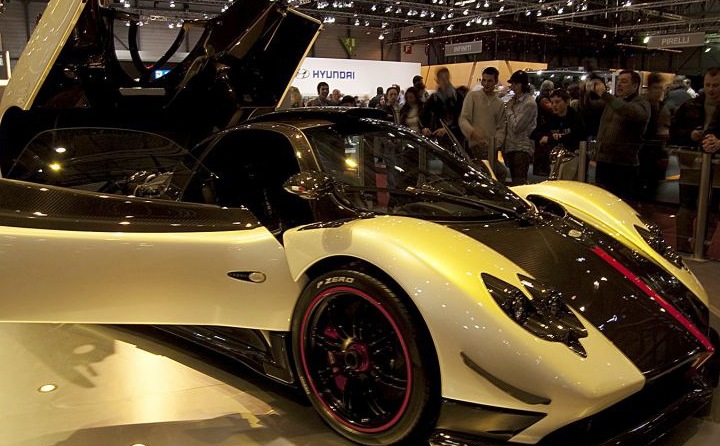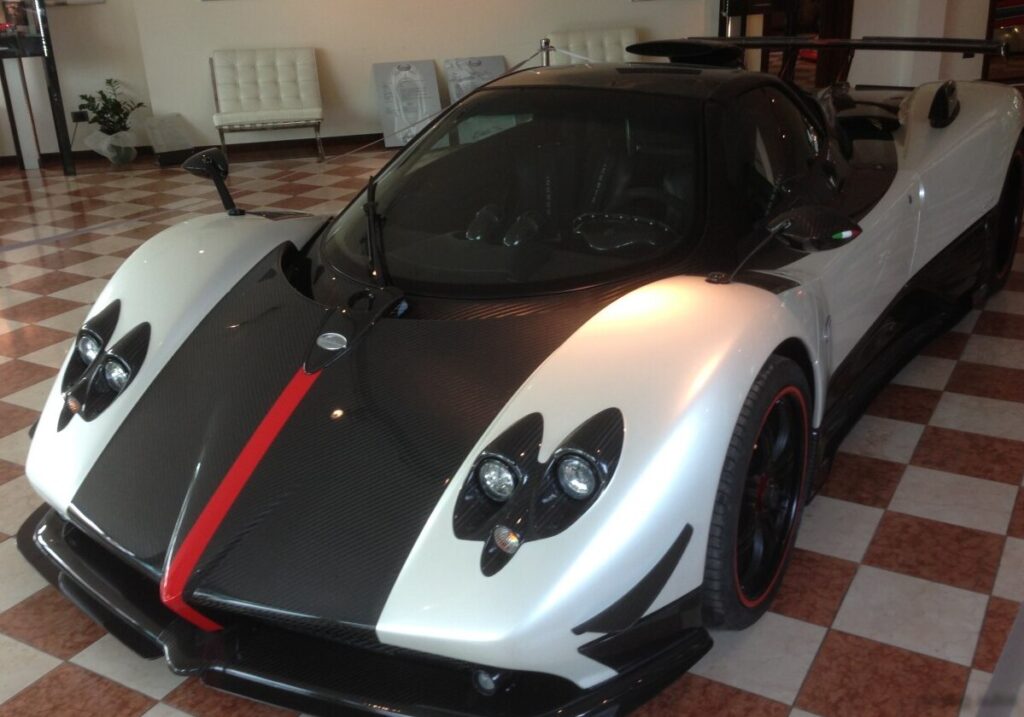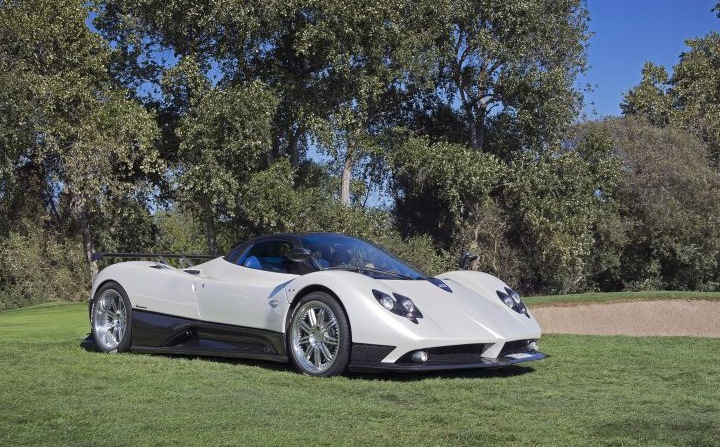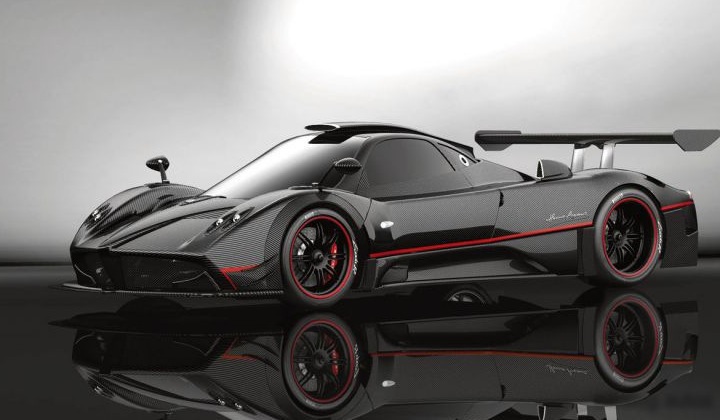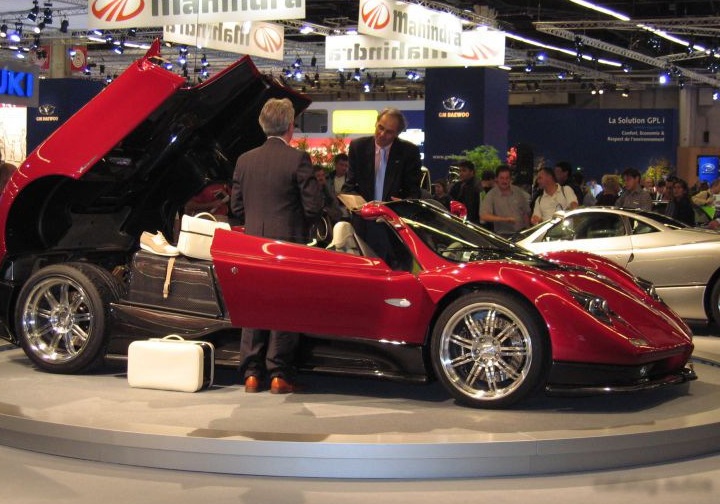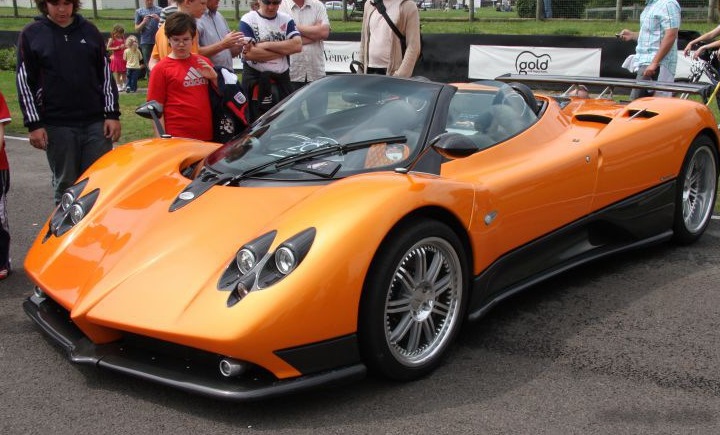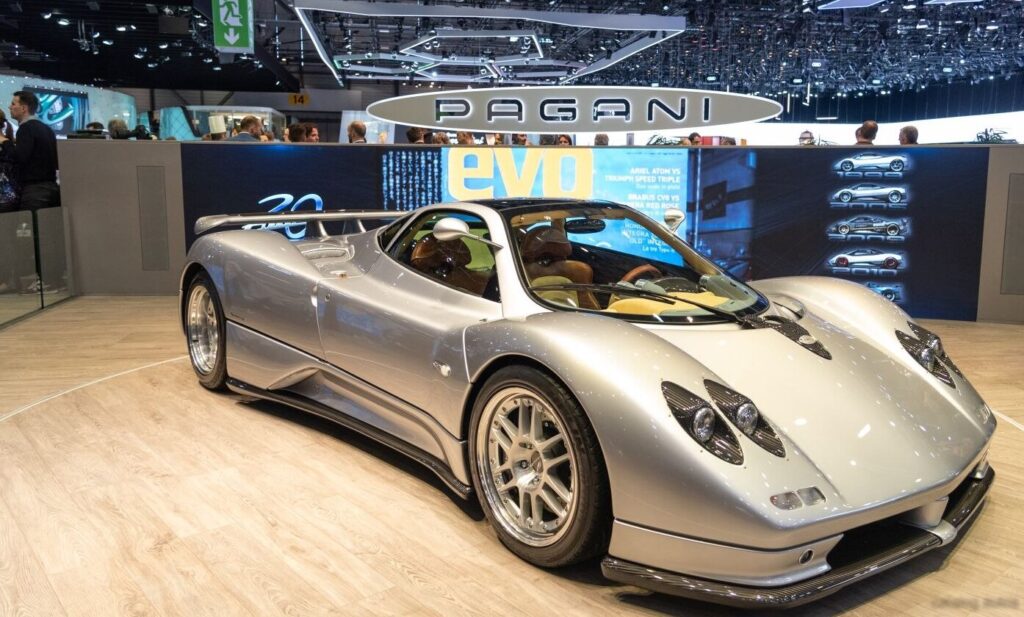
The Pagani Zonda C12, introduced in 1999, represents the initial iteration of the iconic Zonda hypercar. Produced through 2002, it established the foundation for the Zonda lineage and cemented Pagani’s reputation for extreme performance and bespoke craftsmanship. The C12 was the first model offered by the newly formed Pagani Automobili, founded by Horacio Pagani, and served as a direct competitor to established supercar manufacturers like Ferrari and Lamborghini. It was built upon a central carbon-titanium monocoque chassis, a revolutionary construction technique at the time, and powered by a massive Mercedes-AMG V12 engine. The Zonda C12 was a limited-production vehicle, with approximately 15 examples built, making it a highly sought-after collector’s item today.
Technical Specifications
| Brand | Pagani |
| Model | Zonda |
| Generation | Zonda C12 |
| Type (Engine) | 7.3 i V12 48V (550 Hp) |
| Start of production | 1999 |
| End of production | 2002 |
| Powertrain Architecture | Internal Combustion engine |
| Body type | Coupe |
| Seats | 2 |
| Doors | 2 |
| Fuel consumption (urban) | 20 l/100 km (11.8 US mpg) |
| Fuel consumption (extra urban) | 10 l/100 km (23.5 US mpg) |
| Fuel Type | Petrol (Gasoline) |
| Acceleration 0 – 100 km/h | 3.7 sec |
| Acceleration 0 – 62 mph | 3.7 sec |
| Acceleration 0 – 60 mph | 3.5 sec |
| Maximum speed | 340 km/h (211.27 mph) |
| Weight-to-power ratio | 2.3 kg/Hp |
| Weight-to-torque ratio | 1.7 kg/Nm |
| Power | 550 Hp @ 5500 rpm |
| Power per litre | 75.4 Hp/l |
| Torque | 750 Nm @ 4000 rpm (553.17 lb.-ft. @ 4000 rpm) |
| Engine layout | Middle, Longitudinal |
| Engine displacement | 7291 cm3 (444.92 cu. in.) |
| Number of cylinders | 12 |
| Engine configuration | V-engine |
| Cylinder Bore | 91.5 mm (3.6 in.) |
| Piston Stroke | 92.4 mm (3.64 in.) |
| Compression ratio | 10.5:1 |
| Number of valves per cylinder | 4 |
| Fuel injection system | Multi-port manifold injection |
| Engine aspiration | Naturally aspirated engine |
| Valvetrain | DOHC |
| Kerb Weight | 1250 kg (2755.78 lbs.) |
| Length | 4345 mm (171.06 in.) |
| Width | 2055 mm (80.91 in.) |
| Height | 1150 mm (45.28 in.) |
| Wheelbase | 2730 mm (107.48 in.) |
| Front track | 1675 mm (65.94 in.) |
| Rear track | 1660 mm (65.35 in.) |
| Drivetrain Architecture | Rear wheel drive |
| Number of gears | 6 gears, manual transmission |
| Front suspension | Double wishbone |
| Rear suspension | Coil spring |
| Front brakes | Ventilated discs |
| Rear brakes | Ventilated discs |
| Assisting systems | ABS (Anti-lock braking system) |
| Steering type | Steering rack and pinion |
| Power steering | Hydraulic Steering |
| Tires size | Front: 255/40 R18, Rear: 345/35 R18 |
Powertrain & Engine Architecture
The heart of the Zonda C12 is a naturally aspirated 7.3-liter (7291 cc) Mercedes-AMG M120 V12 engine. This engine, originally designed for use in Mercedes-Benz’s flagship sedans, was heavily modified by Pagani for use in the Zonda. The engine produces 550 horsepower at 5500 rpm and 750 Nm (553 lb-ft) of torque at 4000 rpm. It features a 60-degree V-angle, four valves per cylinder, and a multi-port fuel injection system. The engine’s 48-valve DOHC configuration contributes to its high-revving nature and impressive power output. Power is sent to the rear wheels via a robust 6-speed manual transmission, providing a direct and engaging driving experience. The engine is longitudinally mounted in a mid-engine configuration, optimizing weight distribution for improved handling.
Driving Characteristics
The Zonda C12 delivers a visceral and exhilarating driving experience. The combination of the powerful V12 engine and the lightweight chassis results in breathtaking acceleration. The 0-60 mph sprint is achieved in approximately 3.5 seconds, and the car boasts a top speed of 211 mph. The manual transmission requires a skilled driver to extract the most performance, but it offers a level of control and involvement that is absent in automatic transmissions. The car’s handling is precise and responsive, thanks to its advanced suspension system and balanced weight distribution. However, the Zonda C12 is not a forgiving car; its raw power and lack of electronic driver aids demand respect and attention from the driver.
Equipment & Trim Levels
The Zonda C12 was offered with a relatively minimalist interior, focusing on functionality and driver engagement rather than luxury. The cabin featured leather upholstery, aluminum trim, and a simple, analog instrument cluster. Air conditioning and power windows were standard features. However, options were limited, reflecting Pagani’s commitment to bespoke customization. Customers could specify different leather colors and trim materials, but the overall layout and design remained largely unchanged. The focus was on creating a driver-centric environment that prioritized performance and feedback.
Chassis & Braking
The Zonda C12’s chassis is a masterpiece of engineering. It’s constructed from a carbon-titanium monocoque, a material combination that provides exceptional strength and rigidity while minimizing weight. The suspension system utilizes double wishbones at the front and a coil spring setup at the rear. Braking duties are handled by ventilated disc brakes on all four wheels, providing ample stopping power. An ABS system is included as standard, enhancing safety and stability. The car’s lightweight construction and advanced suspension contribute to its exceptional handling and responsiveness.
Market Reception & Comparison
The Zonda C12 was immediately lauded by automotive critics for its stunning design, incredible performance, and uncompromising driving experience. It was praised for its raw power, precise handling, and unique character. Compared to its contemporaries, such as the Ferrari Enzo and the Lamborghini Murciélago, the Zonda C12 offered a more visceral and engaging driving experience. While the Enzo and Murciélago prioritized technological sophistication and electronic driver aids, the Zonda C12 focused on pure, unadulterated performance. Fuel economy was, unsurprisingly, poor, with combined figures around 15 mpg. Reliability was generally good, although maintenance costs were exceptionally high due to the car’s exotic components and limited production run.
Legacy
The Pagani Zonda C12 laid the groundwork for the Zonda’s enduring success. It established Pagani as a serious player in the hypercar market and demonstrated the company’s commitment to innovation and craftsmanship. The C12’s carbon-titanium monocoque chassis and powerful Mercedes-AMG V12 engine became hallmarks of the Zonda lineage. Today, the Zonda C12 is a highly collectible car, with values continuing to rise. Its rarity, performance, and historical significance make it a prized possession for enthusiasts and collectors worldwide. The powertrain, while demanding in terms of maintenance, has proven remarkably durable when properly cared for, solidifying its place as a legend in the automotive world.