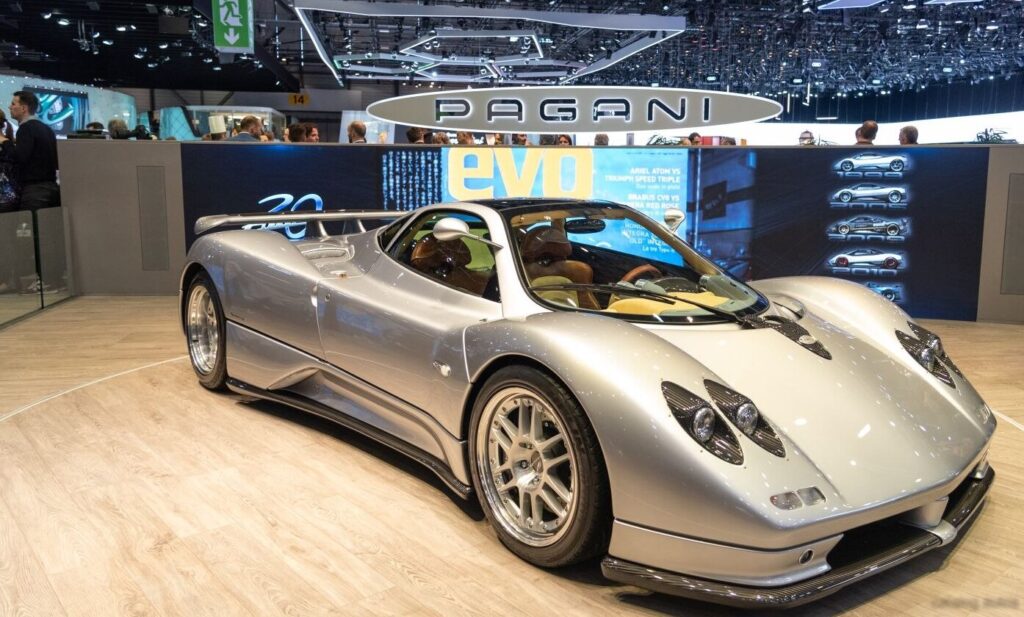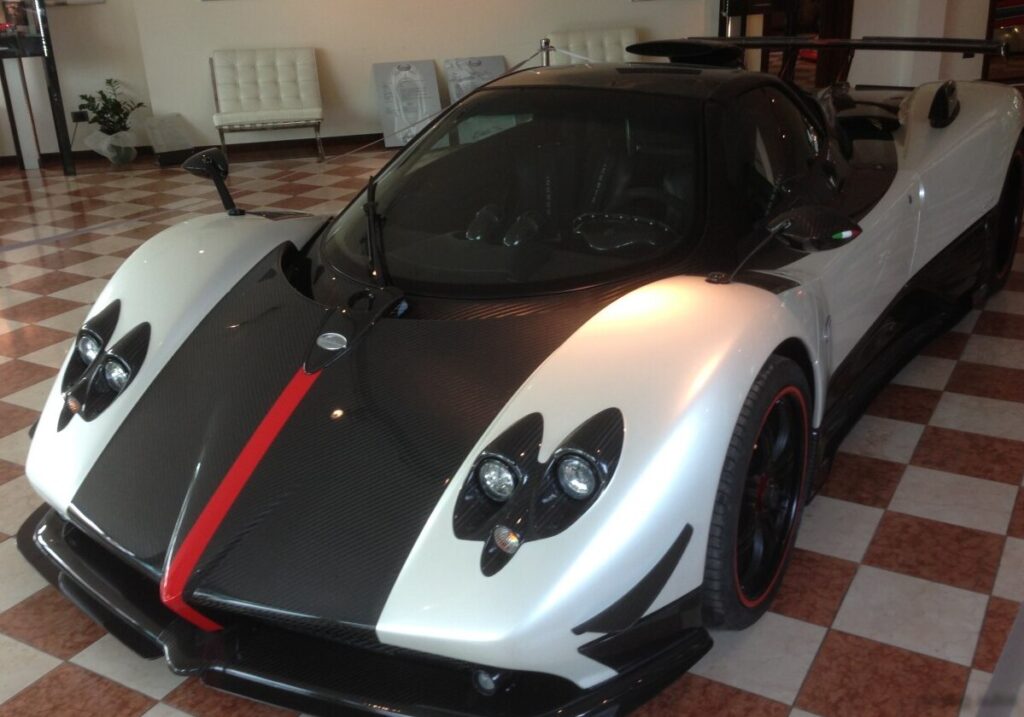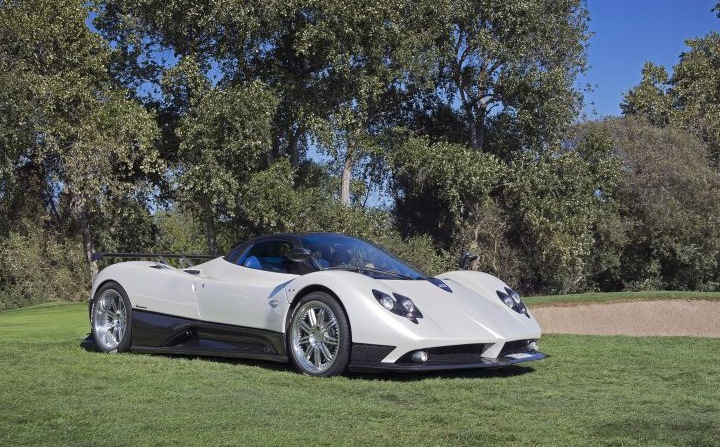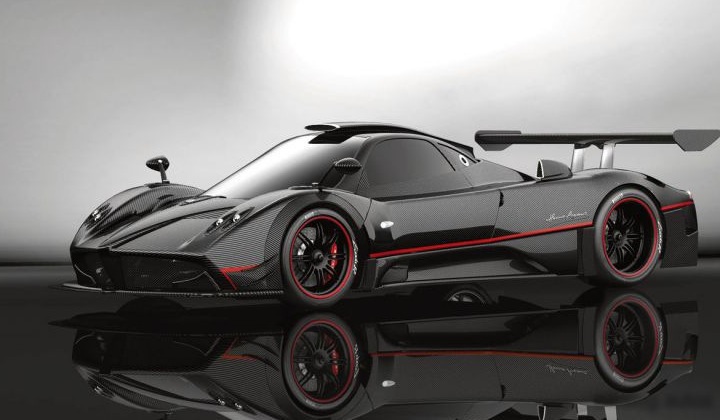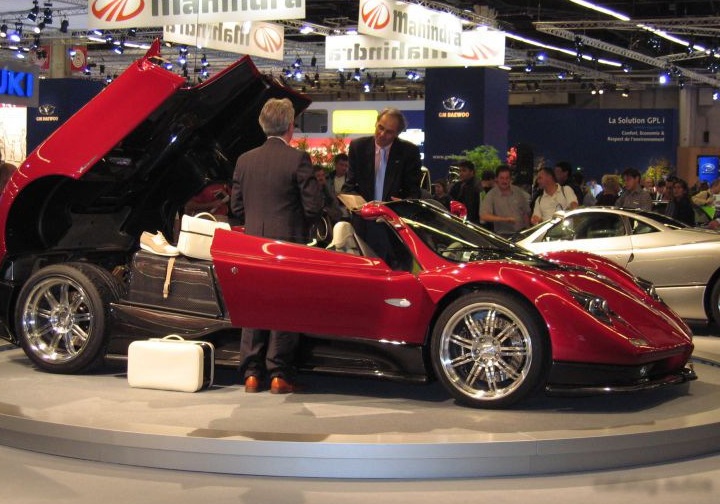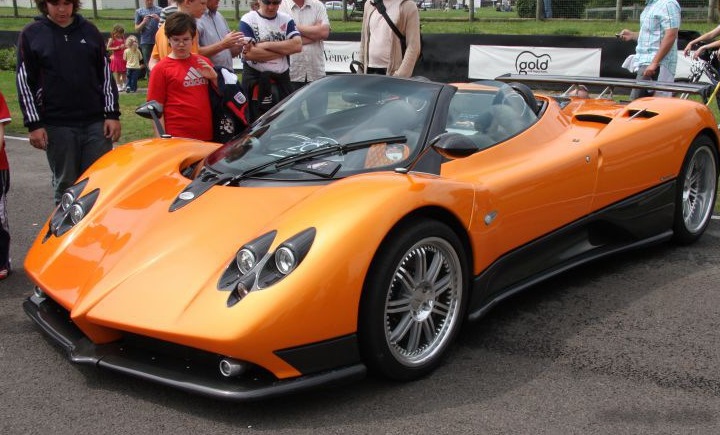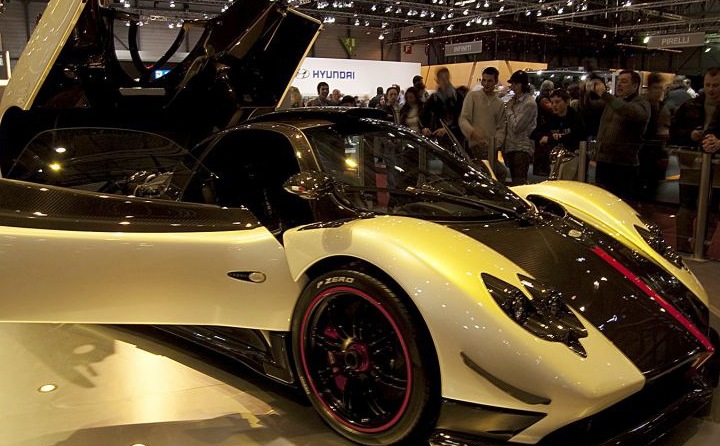
The Pagani Zonda Cinque is an extremely limited-production, high-performance sports car produced by Italian manufacturer Pagani Automobili from 2008 to 2009. Derived from the already exclusive Zonda F, the Cinque (Italian for “five”) was created to celebrate Pagani’s fifth anniversary and was initially intended as a limited run for the European market. However, demand led to the production of both a European and a US-spec version, resulting in a total of just 25 vehicles – 5 European, 5 US, and 15 standard versions. The Zonda Cinque represents a significant evolution in Zonda design and technology, focusing on weight reduction and increased aerodynamic performance. This article will focus specifically on the 7.3-liter V12 engine paired with the 6-speed automatic transmission configuration.
Technical Specifications
| Brand | Pagani |
| Model | Zonda |
| Generation | Zonda Cinque |
| Type (Engine) | 7.3 V12 (678 Hp) Automatic |
| Start of production | 2008 |
| End of production | 2009 |
| Powertrain Architecture | Internal Combustion engine |
| Body type | Coupe |
| Seats | 2 |
| Doors | 2 |
| Fuel Type | Petrol (Gasoline) |
| Acceleration 0 – 100 km/h | 3.4 sec |
| Acceleration 0 – 62 mph | 3.4 sec |
| Acceleration 0 – 60 mph | 3.2 sec |
| Acceleration 0 – 200 km/h | 9.6 sec |
| Weight-to-power ratio | 1.8 kg/Hp, 560.3 Hp/tonne |
| Weight-to-torque ratio | 1.6 kg/Nm, 644.6 Nm/tonne |
| Power | 678 Hp @ 6400 rpm |
| Power per litre | 93 Hp/l |
| Torque | 780 Nm @ 4000 rpm, 575.3 lb.-ft. @ 4000 rpm |
| Engine layout | Middle, Longitudinal |
| Engine displacement | 7291 cm3, 444.92 cu. in. |
| Number of cylinders | 12 |
| Engine configuration | V-engine |
| Engine aspiration | Naturally aspirated engine |
| Kerb Weight | 1210 kg, 2667.59 lbs |
| Drivetrain Architecture | The Internal combustion engine (ICE) drives the rear wheels of the vehicle. |
| Drive wheel | Rear wheel drive |
| Number of gears and type of gearbox | 6 gears, automatic transmission |
| Front suspension | Double wishbone |
| Rear suspension | Double wishbone |
| Front brakes | Ventilated discs |
| Rear brakes | Ventilated discs |
| Assisting systems | ABS (Anti-lock braking system) |
| Steering type | Steering rack and pinion |
| Power steering | Electric Steering |
| Tires size | 255/35 R19; 335/30 R20 |
| Wheel rims size | 19; 20 |
Powertrain & Engine Architecture
The heart of the Zonda Cinque is the Mercedes-AMG M297 7.3-liter naturally aspirated V12 engine. This engine, hand-built by Mercedes-AMG, is a 60-degree V12 featuring a dry-sump lubrication system, crucial for maintaining oil pressure during the extreme cornering forces the Cinque is capable of. The engine utilizes a three-valve per cylinder configuration (two intake, one exhaust) and individual throttle bodies for each cylinder, contributing to its responsive throttle characteristics. Fuel delivery is managed by a sophisticated Bosch Motronic engine management system. The 678 horsepower output is achieved at 6400 rpm, while a substantial 780 Nm (575.3 lb-ft) of torque is available at 4000 rpm. The automatic transmission is a 6-speed unit, specifically chosen for its robustness and ability to handle the engine’s immense power. While not known for lightning-fast shifts compared to modern dual-clutch transmissions, it provides a smooth and relatively quick gear change experience.
Driving Characteristics
The Zonda Cinque with the automatic transmission offers a unique driving experience compared to the manual versions. While purists often favor the engagement of a manual gearbox, the automatic provides a level of accessibility and ease of use, particularly in traffic or during extended drives. The gear ratios are tuned for acceleration, with shorter gearing in the lower ranges to maximize responsiveness. The automatic transmission, however, does slightly diminish the direct connection between driver and machine. The Cinque’s lightweight construction (1210 kg / 2667.59 lbs) and powerful engine result in breathtaking acceleration – 0 to 60 mph in approximately 3.2 seconds. The rear-wheel-drive configuration and limited-slip differential ensure excellent traction, although managing the power requires respect and skill.
Equipment & Trim Levels
Given the limited production run and ultra-high price point, the Zonda Cinque was largely bespoke. Standard features included a carbon fiber monocoque chassis, carbon fiber body panels, and a luxurious interior trimmed with leather and carbon fiber. The interior was minimalist yet functional, focusing on providing the driver with essential information. Customers could specify custom paint schemes, interior colors, and materials. Air conditioning, a navigation system, and a high-end audio system were typically included, though options were extensive and tailored to individual preferences. The Cinque also featured unique aerodynamic elements, including a distinctive rear wing and front splitter, designed to generate significant downforce.
Chassis & Braking
The Zonda Cinque’s chassis is a carbon fiber monocoque, providing exceptional rigidity and contributing to the car’s low weight. Suspension is handled by independent double wishbone setups at both the front and rear, with adjustable dampers and anti-roll bars. Braking is provided by ventilated carbon ceramic discs at all four corners, paired with multi-piston calipers. This braking system delivers phenomenal stopping power and resistance to fade, essential for a car of this performance level. The steering is a rack and pinion system with power assistance, offering precise and responsive control.
Market Reception & Comparison
The Zonda Cinque was universally praised by automotive journalists for its performance, handling, and exclusivity. Critics lauded the engine’s power and responsiveness, as well as the car’s exceptional chassis and braking systems. The automatic transmission was generally viewed as a competent, if not the most engaging, option. Compared to other Zonda variants, such as the Zonda F or Zonda R, the Cinque represented a further refinement of the Zonda formula, with a greater emphasis on aerodynamic efficiency and track performance. Its limited production run and high price (over $1.4 million at launch) ensured its status as a collector’s item.
Legacy
The Pagani Zonda Cinque remains one of the most sought-after and collectible supercars of the 21st century. Its rarity, performance, and stunning design have cemented its place in automotive history. The M297 V12 engine, while aging by modern standards, is known for its reliability when properly maintained. The automatic transmission, while not as technologically advanced as contemporary gearboxes, has proven to be durable. Today, Zonda Cinque models command extremely high prices on the used car market, reflecting their desirability and limited availability. The Cinque served as a bridge between the original Zonda and the later Huayra, showcasing Pagani’s commitment to pushing the boundaries of automotive performance and design.