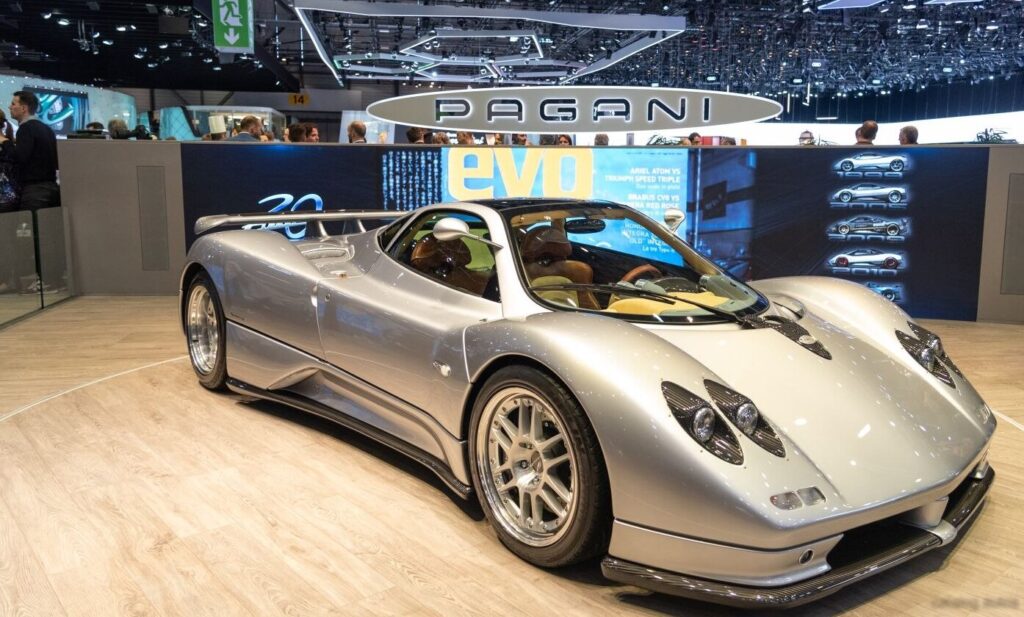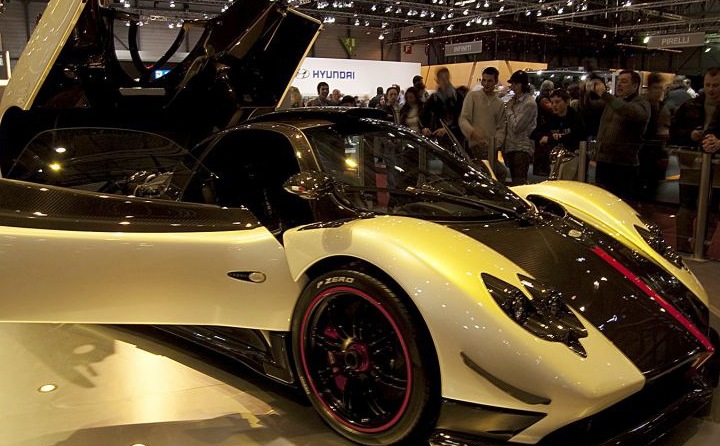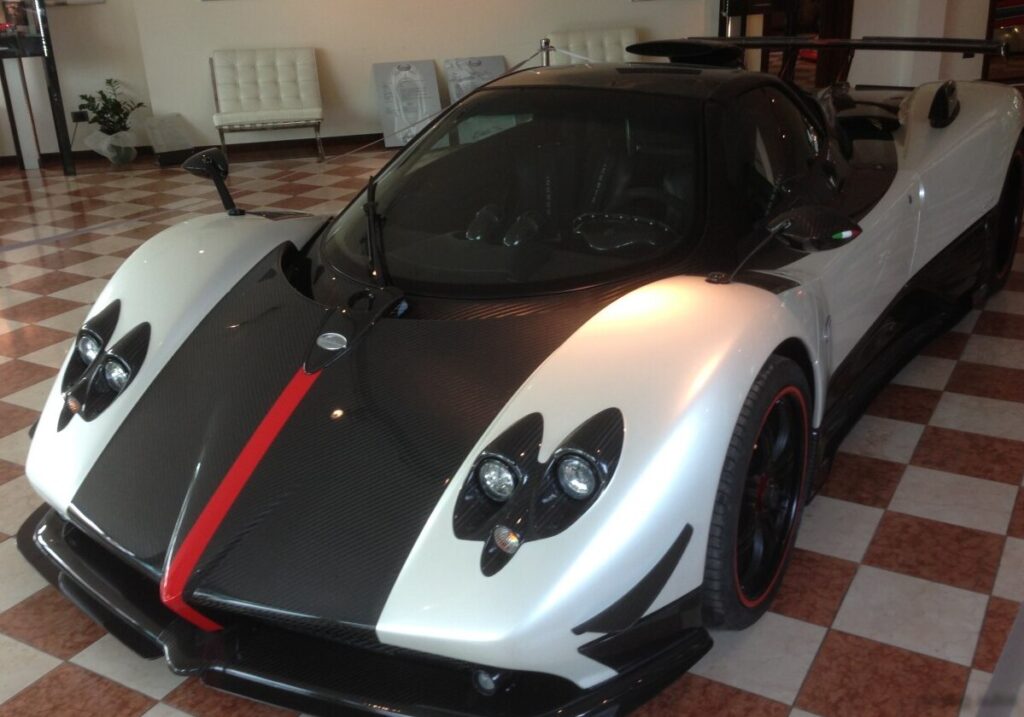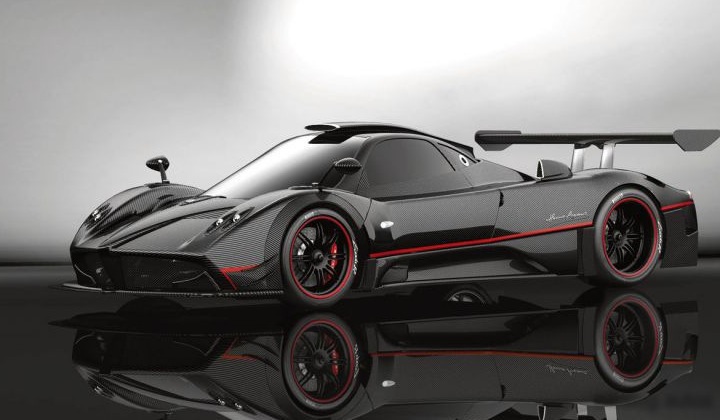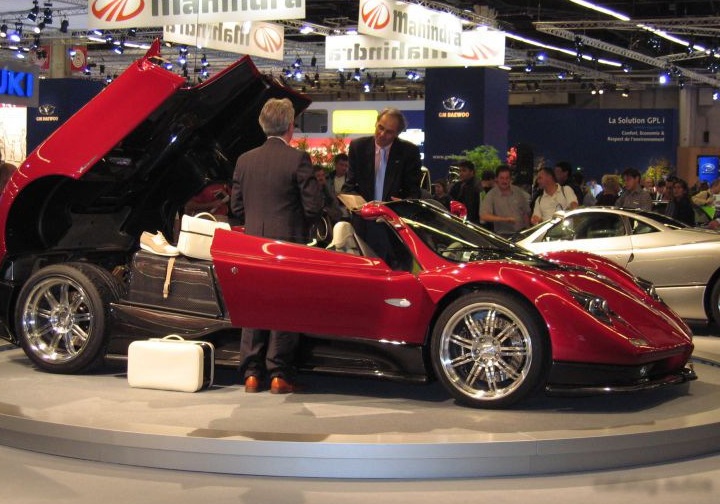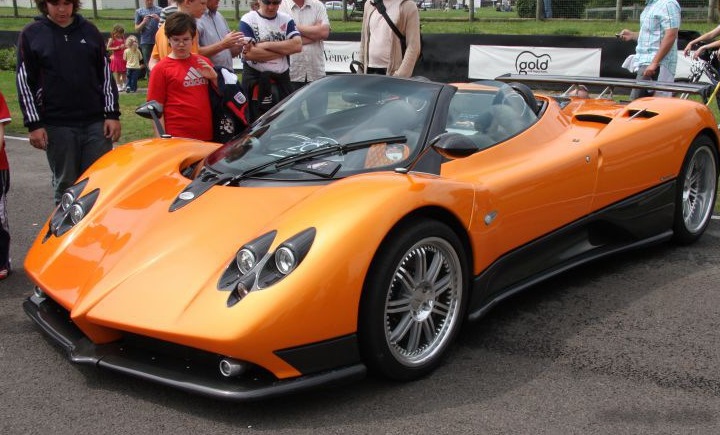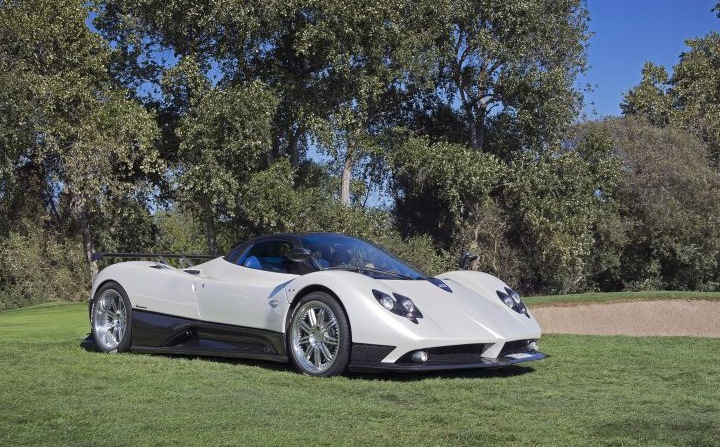
The Pagani Zonda F 7.3 V12 48V (602 Hp) represents a pivotal evolution within the iconic Zonda lineage, produced between 2005 and 2007. Positioned as a significant upgrade over earlier Zonda models, the ‘F’ designation – standing for ‘Finale’ – initially suggested it would be the last iteration of the Zonda before the Huayra. However, further limited-edition Zondas followed. The Zonda F aimed to deliver a more refined and focused driving experience, blending extreme performance with a degree of usability not always associated with hypercars. It built upon the foundational mid-engine, rear-wheel-drive layout established by the original Zonda, but with substantial improvements to aerodynamics, suspension, and engine output.
Technical Specifications
| Brand | Pagani |
| Model | Zonda |
| Generation | Zonda F |
| Type (Engine) | 7.3 V12 48V (602 Hp) |
| Start of production | 2005 |
| End of production | 2007 |
| Powertrain Architecture | Internal Combustion engine |
| Body type | Coupe |
| Seats | 2 |
| Doors | 2 |
| Fuel Type | Petrol (Gasoline) |
| Acceleration 0 – 100 km/h | 3.6 sec |
| Acceleration 0 – 62 mph | 3.6 sec |
| Acceleration 0 – 60 mph | 3.4 sec |
| Acceleration 0 – 200 km/h | 9.8 sec |
| Weight-to-power ratio | 2 kg/Hp, 489.4 Hp/tonne |
| Weight-to-torque ratio | 1.6 kg/Nm, 617.9 Nm/tonne |
| Power | 602 Hp @ 6150 rpm |
| Power per litre | 82.6 Hp/l |
| Torque | 760 Nm @ 4000 rpm (560.55 lb.-ft. @ 4000 rpm) |
| Engine layout | Middle, Longitudinal |
| Engine displacement | 7291 cm3 (444.92 cu. in.) |
| Number of cylinders | 12 |
| Engine configuration | V-engine |
| Number of valves per cylinder | 4 |
| Engine aspiration | Naturally aspirated engine |
| Kerb Weight | 1230 kg (2711.69 lbs.) |
| Length | 4435 mm (174.61 in.) |
| Width | 2055 mm (80.91 in.) |
| Height | 1141 mm (44.92 in.) |
| Wheelbase | 2730 mm (107.48 in.) |
| Drivetrain Architecture | Rear wheel drive. Internal Combustion engine (ICE) |
| Number of gears and type of gearbox | 6 gears, manual transmission |
| Front suspension | Double wishbone |
| Rear suspension | Double wishbone |
| Front brakes | Ventilated discs |
| Rear brakes | Ventilated discs |
| Assisting systems | ABS (Anti-lock braking system) |
| Steering type | Steering rack and pinion |
| Power steering | Electric Steering |
| Tires size | 255/35 R19; 335/30 R20 |
Powertrain & Engine Architecture
At the heart of the Zonda F lies the Mercedes-AMG M120 7.3-liter V12 engine. This naturally aspirated powerplant, originally designed for use in Mercedes-Benz’s flagship models, was extensively modified by Pagani to deliver a staggering 602 horsepower at 6150 rpm and 760 Nm (560.55 lb-ft) of torque at 4000 rpm. The engine features a 60-degree V-angle, four valves per cylinder, and a dry-sump lubrication system to ensure consistent oil supply during extreme cornering. The ‘48V’ designation refers to the electrical system architecture used to manage various engine functions. The Zonda F exclusively utilized a 6-speed manual transmission, a deliberate choice by Horacio Pagani to maintain a direct connection between driver and machine. This transmission was sourced from Graziano Trasmissioni and featured a robust design capable of handling the engine’s immense power.
Driving Characteristics
The Zonda F’s driving experience is defined by its raw, visceral nature. The 7.3-liter V12 delivers a surge of power across the rev range, with a particularly strong pull from 4000 rpm onwards. The 6-speed manual transmission requires a skilled driver to extract the most from the engine, but rewards with precise gear changes and a satisfying mechanical feel. The car’s relatively lightweight construction (1230 kg / 2711.69 lbs) contributes to its exceptional acceleration – 0-60 mph in approximately 3.4 seconds. Compared to potential future automatic variants, the manual transmission in the Zonda F provides a more engaging and direct driving experience, favored by enthusiasts who prioritize control and driver involvement. The Zonda F’s handling is equally impressive, thanks to its double-wishbone suspension and precise steering.
Equipment & Trim Levels
The Zonda F was largely characterized by its bespoke nature, with each car tailored to the customer’s specifications. However, certain features were common. The interior was lavishly appointed with leather upholstery, carbon fiber trim, and aluminum accents. Standard equipment included air conditioning, power windows, and a high-end audio system. Customers could specify a wide range of options, including different leather colors, stitching patterns, and carbon fiber weaves. A notable option was the inclusion of a titanium exhaust system, which further enhanced the engine’s sound and reduced weight. The Zonda F did not adhere to traditional trim levels; instead, each car was essentially a unique creation.
Chassis & Braking
The Zonda F’s chassis is a carbon fiber monocoque, providing exceptional rigidity and lightness. This construction technique, pioneered by Pagani, contributes significantly to the car’s performance and handling. The suspension utilizes independent double wishbones at both the front and rear, with adjustable dampers and anti-roll bars. Braking is provided by ventilated discs at all four corners, coupled with an ABS (Anti-lock braking system) for enhanced safety. The braking system was designed to withstand the extreme stresses of high-performance driving. The car’s relatively short wheelbase (2730 mm / 107.48 in.) contributes to its agile handling characteristics.
Market Reception & Comparison
The Zonda F was widely praised by automotive critics for its breathtaking performance, stunning design, and uncompromising driving experience. It was often compared to other hypercars of the era, such as the Ferrari Enzo and the Porsche Carrera GT. While the Enzo and Carrera GT offered advanced technology and sophisticated electronics, the Zonda F appealed to those who valued a more raw and visceral driving experience. The Zonda F’s manual transmission was a key differentiator, setting it apart from its rivals. Fuel economy was, unsurprisingly, not a priority, with the Zonda F returning relatively poor figures. However, this was considered acceptable given the car’s performance capabilities. Reliability was generally good, although maintenance costs were substantial due to the car’s exotic components and specialized servicing requirements.
Legacy
The Pagani Zonda F 7.3 V12 48V (602 Hp) remains a highly sought-after collector’s car. Its limited production run and iconic status ensure its continued desirability. The Zonda F’s influence can be seen in subsequent hypercars, particularly in its emphasis on lightweight construction and driver engagement. The M120 engine, while no longer in production, is still revered for its power and character. Today, well-maintained Zonda F models command significant prices on the used car market, reflecting their rarity and historical importance. The Zonda F solidified Pagani’s reputation as a manufacturer of truly exceptional and unforgettable automobiles.