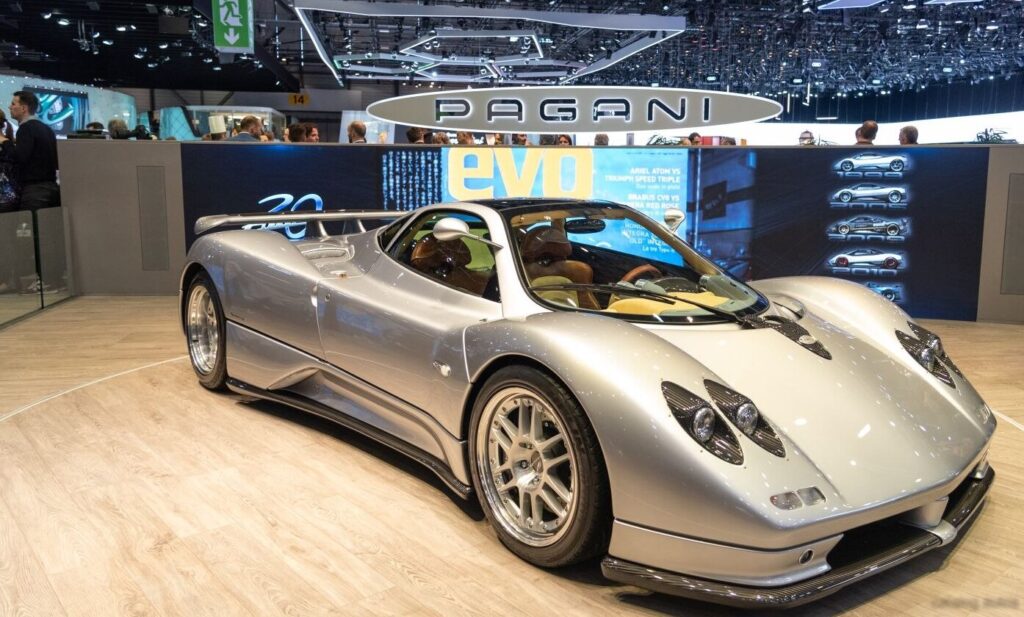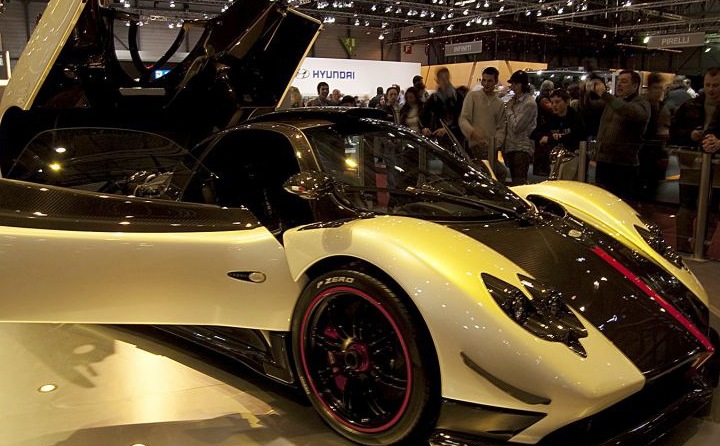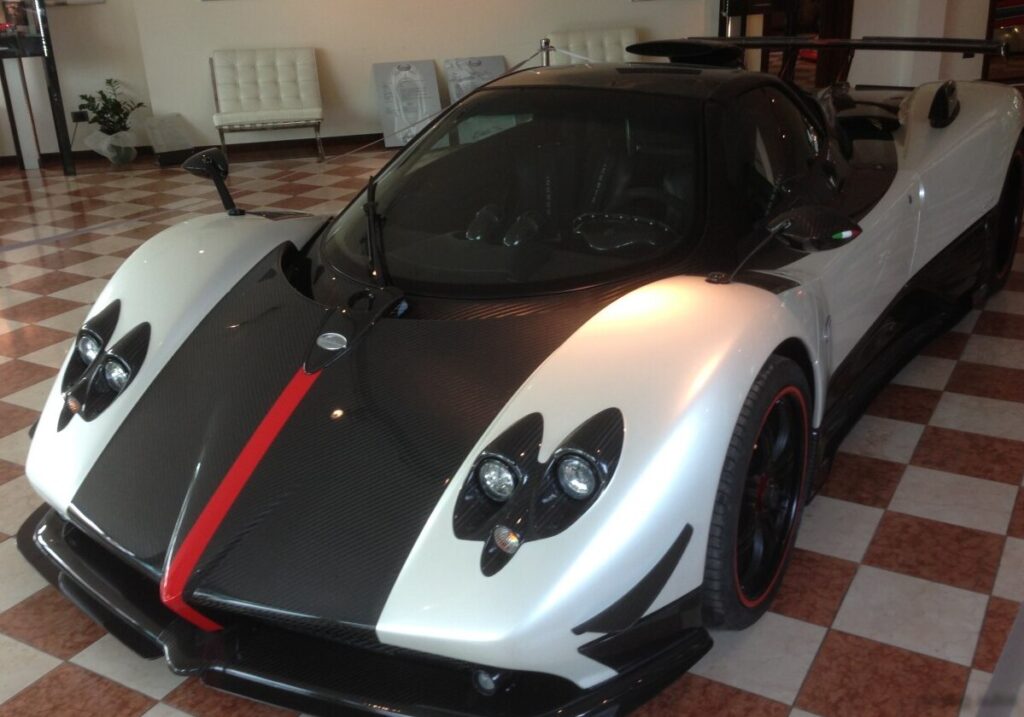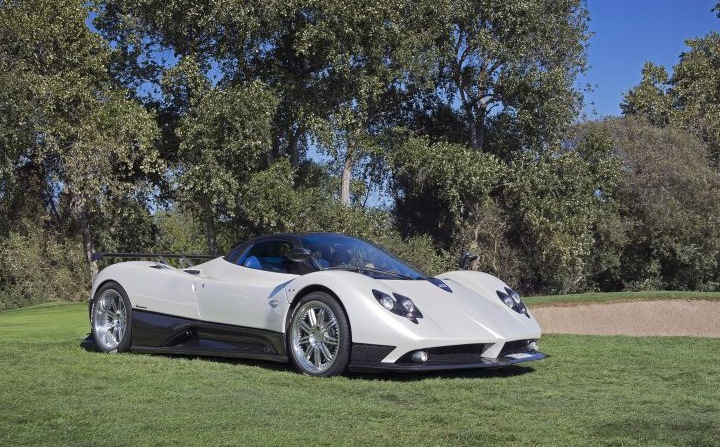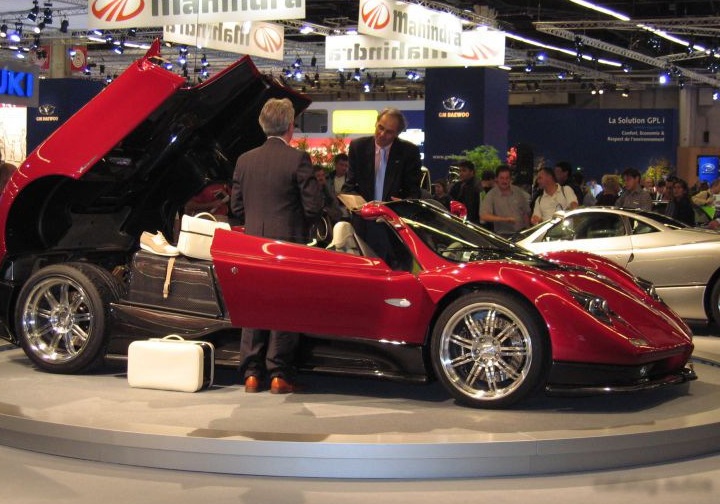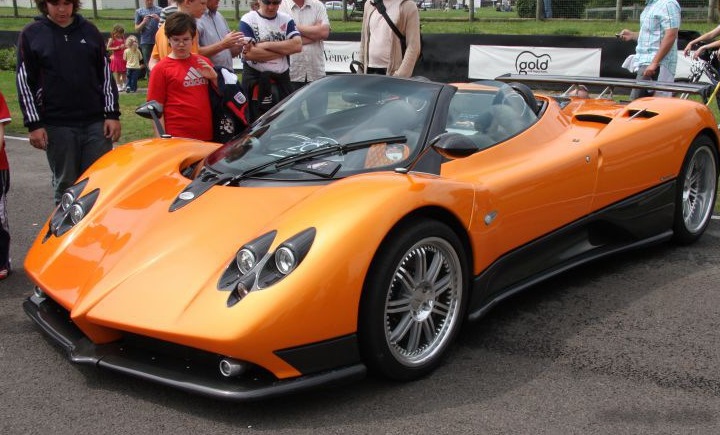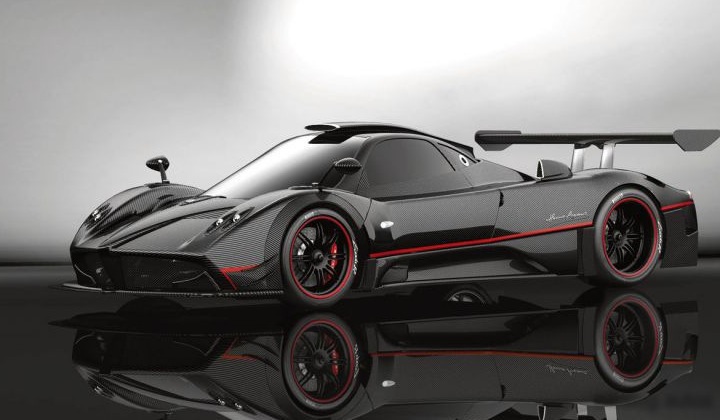
The Pagani Zonda R 6.0 V12 48V (749 Hp) Automatic, produced between 2009 and 2011, represents a focused, track-oriented evolution of the already extreme Zonda model line. Positioned as a limited-production, high-performance variant, the Zonda R was not designed for road legality in many jurisdictions, instead prioritizing ultimate performance on the circuit. It built upon the foundation of the Zonda F and Zonda Cinque, incorporating advanced materials and a significantly upgraded powertrain. The “R” designation signified a return to the raw, visceral driving experience that characterized the earliest Zondas, but with the benefit of years of engineering refinement. This particular iteration, equipped with a 6-speed automatic transmission, offered a slightly more accessible driving experience compared to the manual versions, though still demanding for all but the most skilled drivers.
Technical Specifications
| Brand | Pagani |
| Model | Zonda |
| Generation | Zonda R |
| Type (Engine) | 6.0 V12 48V (749 Hp) Automatic |
| Start of production | 2009 |
| End of production | 2011 |
| Powertrain Architecture | Internal Combustion engine |
| Body type | Coupe |
| Seats | 2 |
| Doors | 2 |
| Fuel Type | Petrol (Gasoline) |
| Acceleration 0 – 100 km/h | 2.7 sec |
| Acceleration 0 – 62 mph | 2.7 sec |
| Acceleration 0 – 60 mph | 2.6 sec |
| Weight-to-power ratio | 1.4 kg/Hp, 700 Hp/tonne |
| Weight-to-torque ratio | 1.5 kg/Nm, 663.6 Nm/tonne |
| Power | 749 Hp @ 7500 rpm |
| Power per litre | 125.1 Hp/l |
| Torque | 710 Nm @ 5700 rpm (523.67 lb.-ft. @ 5700 rpm) |
| Engine layout | Middle, Longitudinal |
| Engine displacement | 5987 cm3 (365.35 cu. in.) |
| Number of cylinders | 12 |
| Engine configuration | V-engine |
| Cylinder Bore | 89 mm (3.5 in.) |
| Piston Stroke | 80.2 mm (3.16 in.) |
| Number of valves per cylinder | 4 |
| Engine aspiration | Naturally aspirated engine |
| Kerb Weight | 1070 kg (2358.95 lbs.) |
| Length | 4886 mm (192.36 in.) |
| Width | 2014 mm (79.29 in.) |
| Height | 1141 mm (44.92 in.) |
| Wheelbase | 2785 mm (109.65 in.) |
| Drivetrain Architecture | Rear wheel drive. Internal Combustion engine (ICE) |
| Number of gears and type of gearbox | 6 gears, automatic transmission |
| Front suspension | Double wishbone |
| Rear suspension | Double wishbone |
| Front brakes | Ventilated discs |
| Rear brakes | Ventilated discs |
| Assisting systems | ABS (Anti-lock braking system) |
| Steering type | Steering rack and pinion |
| Power steering | Electric Steering |
| Tires size | 255/35 R19; 335/30 R20 |
Powertrain & Engine Architecture
At the heart of the Zonda R lies a naturally aspirated 6.0-liter V12 engine, internally designated as the M120. This engine is derived from the Mercedes-AMG M120 unit, but extensively modified by Pagani. The Zonda R’s engine boasts a 48-valve configuration and produces 749 horsepower at 7,500 rpm and 710 Nm (523.67 lb-ft) of torque at 5,700 rpm. The engine features a dry-sump lubrication system, crucial for maintaining oil supply during the extreme cornering forces experienced on track. Fuel delivery is managed by a sophisticated electronic fuel injection system. The 6-speed automatic transmission, while not as common in high-performance applications as a manual, was chosen for its relative ease of use and quicker shift times compared to earlier automatic designs. It was specifically calibrated to work in harmony with the engine’s power delivery, offering smooth yet rapid gear changes.
Driving Characteristics
The Zonda R 6.0 V12 Automatic delivers a truly visceral driving experience. The combination of the powerful V12 engine and the relatively quick-shifting automatic transmission results in breathtaking acceleration. The 0-60 mph sprint is dispatched in approximately 2.6 seconds, and the car continues to accelerate relentlessly. The automatic transmission, while offering convenience, doesn’t entirely mask the raw power of the engine. Gear ratios are optimized for track performance, prioritizing acceleration out of corners. Compared to a manual Zonda R, the automatic version offers slightly reduced driver involvement but compensates with quicker, more consistent shifts. The car’s lightweight construction (1070 kg / 2358.95 lbs) contributes significantly to its agility and responsiveness.
Equipment & Trim Levels
Given its track-focused nature, the Zonda R was not offered with a wide range of trim options. The interior is spartan yet functional, prioritizing weight reduction and driver feedback. Standard features include racing seats upholstered in carbon fiber and leather, a minimalist dashboard with essential gauges, and a racing steering wheel. Air conditioning was typically included, but other comfort features were largely absent. Optional extras were limited to personalized paint schemes and bespoke interior detailing. The emphasis was on creating a pure, unadulterated driving machine, rather than a luxurious grand tourer.
Chassis & Braking
The Zonda R utilizes a carbon fiber monocoque chassis, providing exceptional rigidity and lightness. The suspension system consists of double wishbones at both the front and rear, with adjustable dampers and springs. This allows for precise tuning of the suspension to suit different track conditions. Braking is handled by ventilated discs at all four corners, coupled with an advanced ABS system. The braking performance is exceptional, capable of repeatedly withstanding the stresses of track use. The car’s aerodynamic package, including a large rear wing and front splitter, generates significant downforce, enhancing stability and grip at high speeds.
Market Reception & Comparison
The Pagani Zonda R was universally praised by automotive journalists for its incredible performance and track capabilities. Critics lauded its raw power, exceptional handling, and uncompromising focus on driving enjoyment. Compared to other Zonda variants, such as the Zonda F or Cinque, the R represented the pinnacle of the model line’s performance potential. While the manual versions were often preferred by purists, the automatic transmission offered a more accessible entry point for drivers less experienced with high-performance manual gearboxes. Reliability, while not a primary concern for a track-focused car, was generally good, although maintenance costs were substantial due to the exotic materials and complex engineering involved.
Legacy
The Pagani Zonda R remains a highly sought-after collector’s item. Its limited production run and exceptional performance have ensured its place in automotive history. The powertrain, while demanding in terms of maintenance, has proven to be remarkably durable when properly cared for. In the used car market, Zonda Rs command extremely high prices, reflecting their rarity and desirability. The Zonda R served as a crucial stepping stone in Pagani’s development, paving the way for the Huayra and subsequent models. It demonstrated the company’s commitment to pushing the boundaries of automotive performance and engineering excellence, and continues to be celebrated as one of the most iconic supercars of the 21st century.