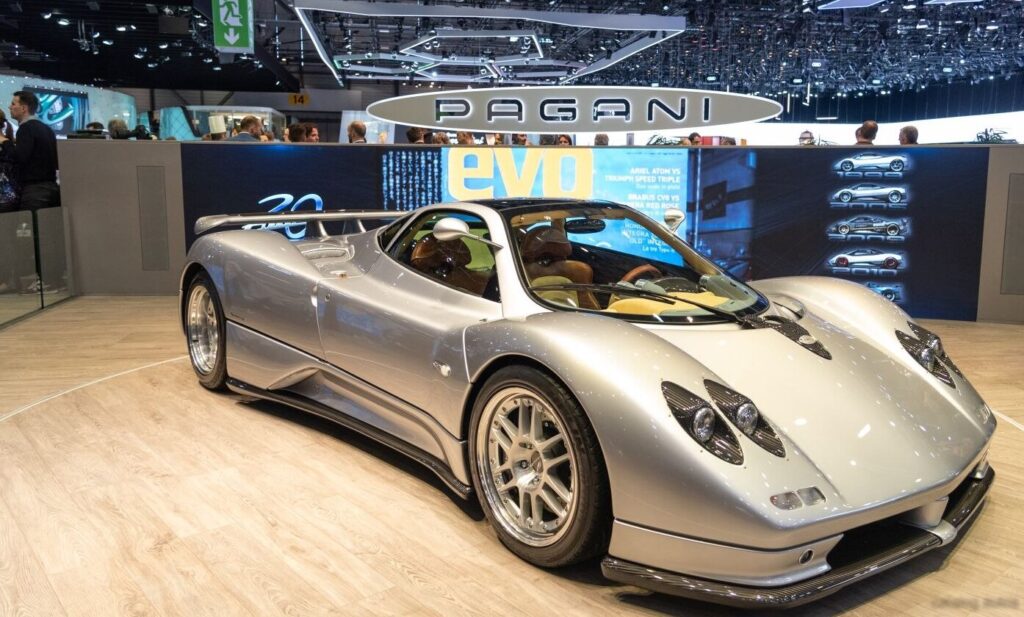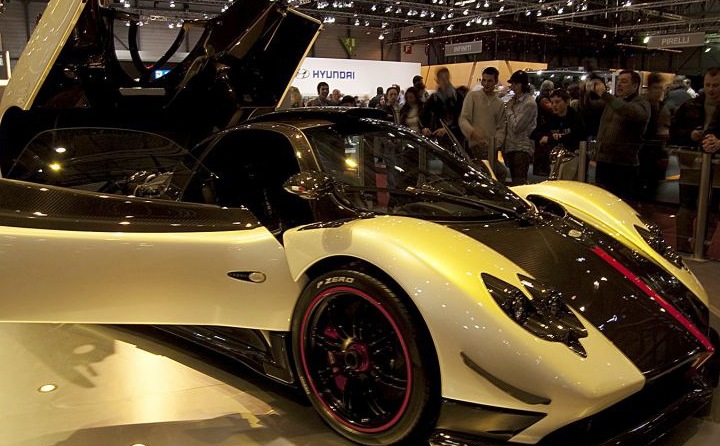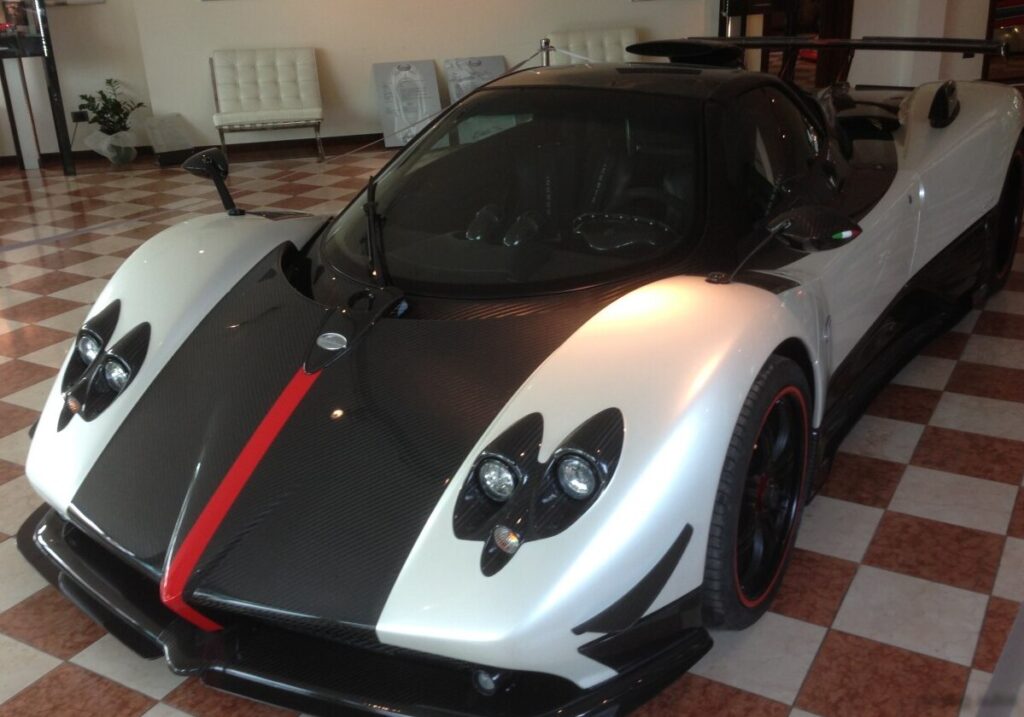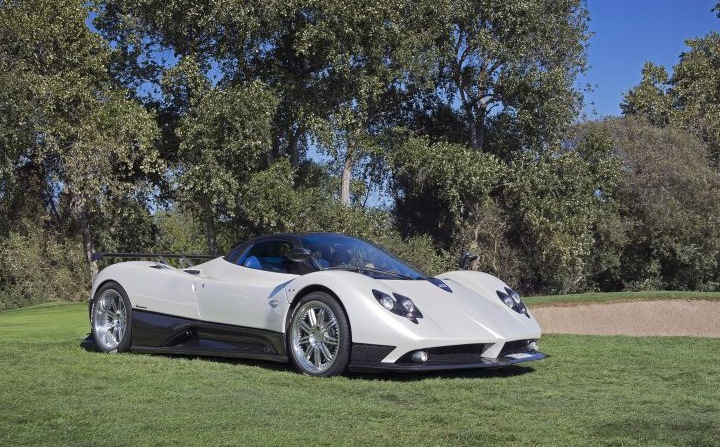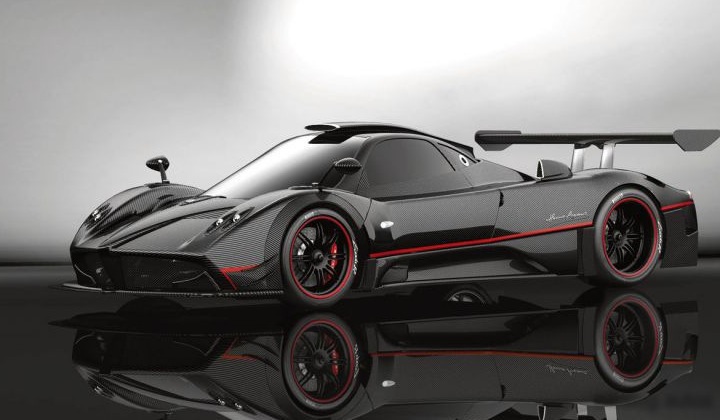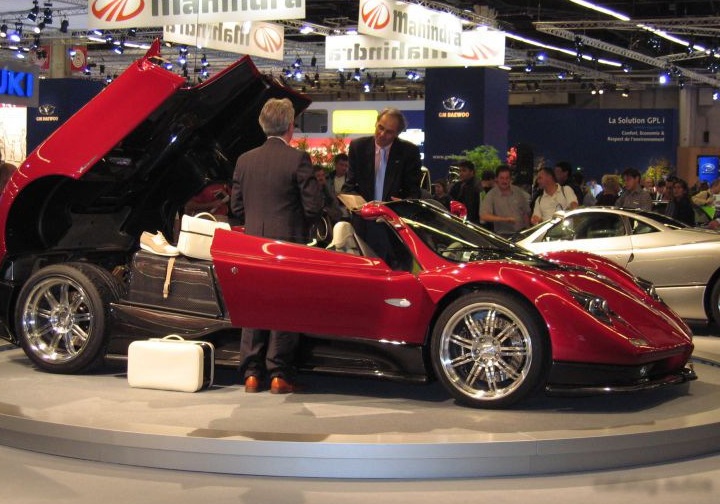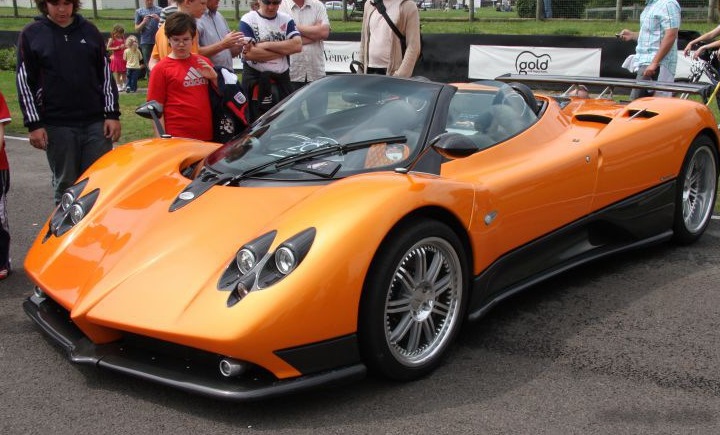
The Pagani Zonda Roadster F 7.3 V12 48V (650 Hp) represents the open-top iteration of the iconic Zonda, produced between 2006 and 2007. It was a limited-production model, building upon the success of the original Zonda and offering a more visceral driving experience. The “F” designation, standing for “Finale,” hinted at its position as one of the last iterations of the original Zonda design before the introduction of the Zonda Cinque. The Roadster F was designed to deliver the extreme performance and exclusivity associated with the Zonda brand, but with the added thrill of open-air motoring. It sits within the broader Zonda lineage, a series of high-performance, hand-built supercars renowned for their dramatic styling and powerful Mercedes-AMG V12 engines.
Technical Specifications
| Brand | Pagani |
| Model | Zonda |
| Generation | Zonda Roadster F |
| Type (Engine) | 7.3 V12 48V (650 Hp) |
| Start of production | 2006 |
| End of production | 2007 |
| Powertrain Architecture | Internal Combustion engine |
| Body type | Roadster |
| Seats | 2 |
| Doors | 2 |
| Fuel Type | Petrol (Gasoline) |
| Acceleration 0 – 100 km/h | 3.6 sec |
| Acceleration 0 – 62 mph | 3.6 sec |
| Acceleration 0 – 60 mph | 3.4 sec |
| Acceleration 0 – 200 km/h | 9.8 sec |
| Weight-to-power ratio | 1.9 kg/Hp |
| Weight-to-torque ratio | 1.6 kg/Nm |
| Power | 650 Hp @ 6200 rpm |
| Power per litre | 89.2 Hp/l |
| Torque | 780 Nm @ 4000 rpm (575.3 lb.-ft. @ 4000 rpm) |
| Engine layout | Middle, Longitudinal |
| Engine displacement | 7291 cm3 (444.92 cu. in.) |
| Number of cylinders | 12 |
| Engine configuration | V-engine |
| Number of valves per cylinder | 4 |
| Engine aspiration | Naturally aspirated engine |
| Kerb Weight | 1230 kg (2711.69 lbs) |
| Length | 4435 mm (174.61 in) |
| Width | 2055 mm (80.91 in) |
| Height | 1141 mm (44.92 in) |
| Wheelbase | 2730 mm (107.48 in) |
| Drivetrain Architecture | Rear wheel drive, Internal Combustion engine |
| Number of gears and type of gearbox | 6 gears, manual transmission |
| Front suspension | Double wishbone |
| Rear suspension | Double wishbone |
| Front brakes | Ventilated discs |
| Rear brakes | Ventilated discs |
| Assisting systems | ABS (Anti-lock braking system) |
| Steering type | Steering rack and pinion |
| Power steering | Electric Steering |
| Tires size | 255/35 R19; 335/30 R20 |
Powertrain & Engine Architecture
At the heart of the Zonda Roadster F lies the Mercedes-AMG M120 V12 engine, a 7.3-liter naturally aspirated powerplant. This engine, originally designed for use in Mercedes-Benz’s flagship models, was extensively modified by Pagani for use in the Zonda. The “48V” designation refers to a 48-volt electrical system used to power auxiliary components. The engine features a 60-degree V-angle and utilizes four valves per cylinder, operated by a dual overhead camshaft design. Fuel is delivered via multi-point fuel injection, carefully calibrated to optimize performance and responsiveness. The engine produces 650 horsepower at 6200 rpm and a substantial 780 Nm (575.3 lb-ft) of torque at 4000 rpm. Power is transmitted to the rear wheels through a 6-speed manual transmission, providing the driver with complete control over the car’s immense power. The longitudinally mounted engine contributes to the car’s balanced weight distribution.
Driving Characteristics
The Zonda Roadster F delivers a raw and exhilarating driving experience. The combination of the powerful V12 engine and the lightweight chassis results in breathtaking acceleration. The 0-60 mph sprint is dispatched in approximately 3.4 seconds, and the car can reach 200 km/h (124 mph) in just 9.8 seconds. The manual transmission requires a skilled driver to extract the most from the engine, but it provides a level of engagement that is absent in automatic transmissions. The gear ratios are closely spaced, allowing the driver to keep the engine within its optimal power band. Compared to potential future iterations with more sophisticated electronic aids, the Roadster F offers a more direct and unfiltered connection to the road. The lack of a roof amplifies the engine’s sound and the sensation of speed, making for an incredibly immersive driving experience.
Equipment & Trim Levels
The Zonda Roadster F was largely bespoke, with customers able to specify a wide range of interior and exterior options. Standard features included leather upholstery, air conditioning, and a high-end audio system. However, the emphasis was on lightweight construction and performance, so many luxury features were omitted or offered as optional extras. Customers could choose from a variety of exterior colors and finishes, as well as different wheel designs. Interior trim could be customized with various leather colors, stitching patterns, and carbon fiber accents. Optional extras included a navigation system, upgraded audio system, and various aerodynamic enhancements.
Chassis & Braking
The Zonda Roadster F utilizes a carbon fiber monocoque chassis, providing exceptional rigidity and a low weight. The suspension system consists of double wishbones at both the front and rear, with adjustable dampers and anti-roll bars. This setup provides excellent handling and stability, even at high speeds. Braking is handled by ventilated discs at all four corners, coupled with an ABS (Anti-lock Braking System) to ensure safe and controlled stopping power. The car’s relatively low weight (1230 kg or 2711.69 lbs) contributes to its impressive braking performance. The steering is a rack and pinion system with electric power assistance, providing precise and responsive control.
Market Reception & Comparison
The Zonda Roadster F was universally praised by automotive critics for its stunning performance, dramatic styling, and exclusivity. It was considered to be one of the most desirable supercars of its time. Compared to other high-performance roadsters, such as the Ferrari 599 SA Aperta or the Lamborghini Murciélago LP640 Roadster, the Zonda Roadster F offered a more raw and visceral driving experience. While those cars offered a greater degree of refinement and luxury, the Zonda prioritized performance and driver engagement above all else. Its limited production run and high price tag ensured that it remained a highly sought-after collector’s item.
Legacy
The Pagani Zonda Roadster F remains a highly collectible and sought-after supercar. Its combination of stunning design, powerful engine, and exhilarating driving experience has cemented its place in automotive history. The M120 V12 engine, while aging, has proven to be remarkably reliable when properly maintained. The carbon fiber chassis is also known for its durability. However, maintenance costs for a Zonda are substantial, requiring specialized expertise and expensive parts. Today, the Zonda Roadster F represents the pinnacle of early 21st-century supercar design and engineering, and continues to command a premium price on the used car market.