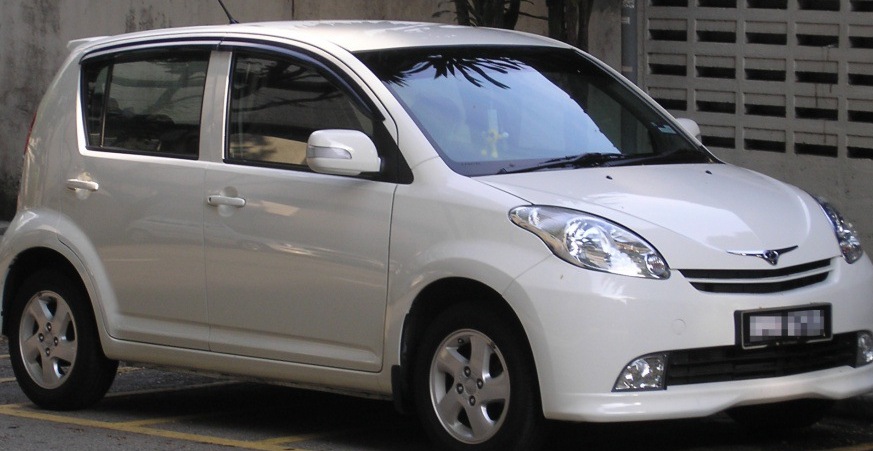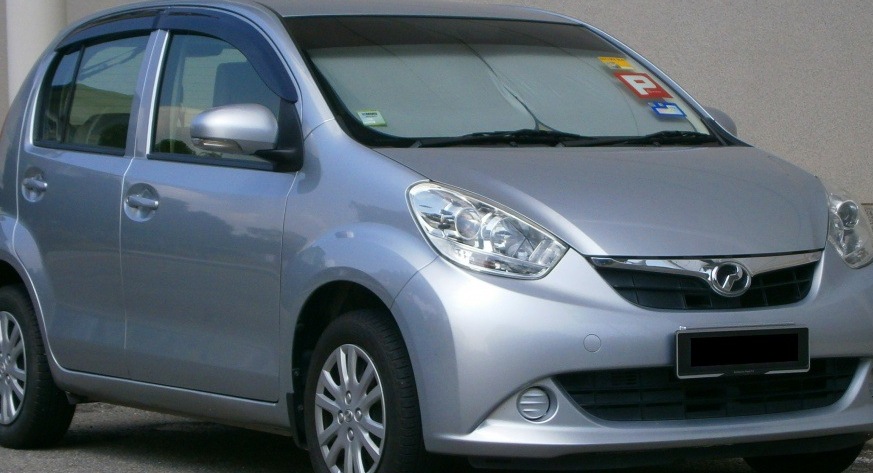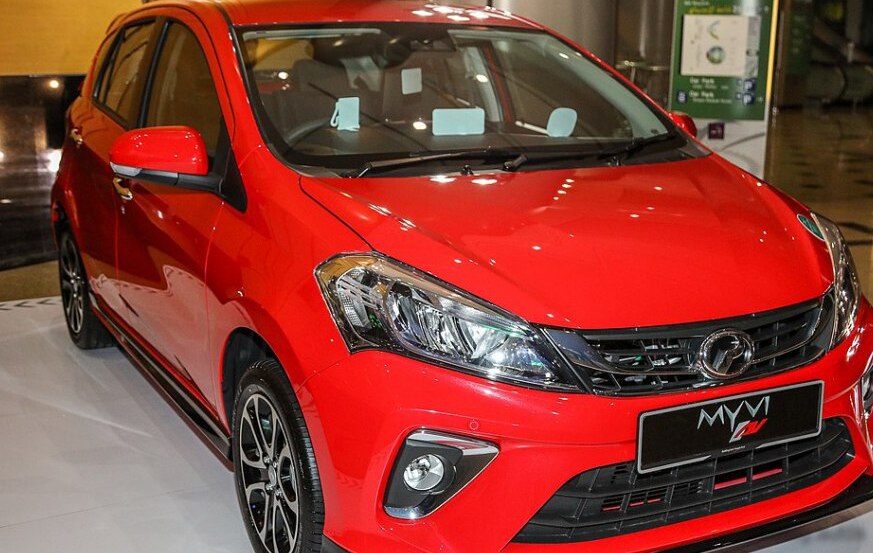
The Perodua Myvi III 1.3, produced between November 2017 and November 2021, represents a significant iteration in the popular Malaysian city car’s lineage. Positioned as the entry-level variant of the third-generation Myvi (internally designated as the third generation), this model aimed to provide affordable and fuel-efficient transportation for a broad consumer base within the Malaysian market. It played a crucial role in maintaining the Myvi’s position as the best-selling car in Malaysia for many years, appealing to first-time car buyers, students, and families seeking a practical and economical hatchback. The Myvi III generation, built on an improved platform over its predecessors, focused on enhanced safety features, improved interior space, and a more refined driving experience, while still prioritizing value for money.
Technical Specifications
| Brand | Perodua |
| Model | Myvi |
| Generation | Myvi III |
| Type (Engine) | 1.3 (95 Hp) |
| Start of production | November, 2017 |
| End of production | November, 2021 |
| Powertrain Architecture | Internal Combustion engine |
| Body type | Hatchback |
| Seats | 5 |
| Doors | 5 |
| Fuel consumption (combined) | 4.9 l/100 km (48 US mpg, 57.6 UK mpg, 20.4 km/l) |
| Fuel Type | Petrol (Gasoline) |
| Weight-to-power ratio | 10.1 kg/Hp, 99.5 Hp/tonne |
| Weight-to-torque ratio | 7.9 kg/Nm, 126.7 Nm/tonne |
| Power | 95 Hp @ 6000 rpm |
| Power per litre | 71.5 Hp/l |
| Torque | 121 Nm @ 4000 rpm (89.25 lb.-ft. @ 4000 rpm) |
| Engine layout | Front, Transverse |
| Engine Model/Code | 1NR-VE |
| Engine displacement | 1329 cm3 (81.1 cu. in.) |
| Number of cylinders | 4 |
| Engine configuration | Inline |
| Number of valves per cylinder | 4 |
| Fuel injection system | Multi-port manifold injection |
| Engine aspiration | Naturally aspirated engine |
| Valvetrain | DOHC |
| Engine oil capacity | 3.5 l (3.7 US qt | 3.08 UK qt) |
| Coolant | 3 l (3.17 US qt | 2.64 UK qt) |
| Kerb Weight | 955 kg (2105.41 lbs.) |
| Trunk (boot) space – minimum | 277 l (9.78 cu. ft.) |
| Fuel tank capacity | 36 l (9.51 US gal | 7.92 UK gal) |
| Length | 3895 mm (153.35 in.) |
| Width | 1735 mm (68.31 in.) |
| Height | 1515 mm (59.65 in.) |
| Wheelbase | 2500 mm (98.43 in.) |
| Front track | 1485 mm (58.46 in.) |
| Rear (Back) track | 1475 mm (58.07 in.) |
| Minimum turning circle | 9.6 m (31.5 ft.) |
| Drivetrain Architecture | Front wheel drive, Internal Combustion engine (ICE) |
| Number of gears and type of gearbox | 5 gears, manual transmission |
| Assisting systems | ABS (Anti-lock braking system) |
| Steering type | Steering rack and pinion |
| Power steering | Electric Steering |
| Tires size | 175/65 R14 |
| Wheel rims size | 14 |
Powertrain & Engine Architecture
The heart of the Myvi III 1.3 is the 1NR-VE 1.3-liter inline-four cylinder engine. This engine is a naturally aspirated unit employing a dual overhead camshaft (DOHC) valvetrain and multi-point fuel injection. The 1NR-VE is known for its reliability and fuel efficiency, rather than outright performance. It’s a relatively simple engine design, contributing to its durability and ease of maintenance. The engine produces 95 horsepower at 6000 rpm and 121 Nm (89.25 lb-ft) of torque at 4000 rpm. This power is delivered to the front wheels through a five-speed manual transmission. The transmission is a standard configuration, offering a straightforward driving experience. The engine’s design prioritizes low-end torque for improved drivability in urban conditions, typical for its intended market.
Driving Characteristics
The 1.3-liter engine and manual transmission combination in the Myvi III delivers a practical, if not exhilarating, driving experience. Acceleration is adequate for city driving, but highway overtaking requires careful planning. The five-speed manual gearbox provides a decent level of control, allowing drivers to maximize the available power. Compared to higher-spec Myvi variants equipped with a 1.5-liter engine and automatic transmission, the 1.3 feels noticeably less powerful. The gear ratios are tuned for fuel economy, meaning the engine can feel strained at higher speeds. However, the lighter weight of the 1.3 variant, compared to the 1.5, partially mitigates the power deficit, resulting in a reasonably nimble feel in urban environments.
Equipment & Trim Levels
The Myvi III 1.3 typically came with a basic, yet functional, equipment list. Standard features included air conditioning, power windows, and central locking. Safety features, a key selling point for the Myvi III, included dual airbags and ABS (Anti-lock Braking System). Interior upholstery was typically fabric, with a simple dashboard layout. Optional extras, depending on the specific package chosen, could include a touchscreen infotainment system, reverse parking sensors, and alloy wheels. The 1.3 trim was generally considered the entry point to the Myvi range, offering essential features at an affordable price point.
Chassis & Braking
The Myvi III utilizes a front MacPherson strut suspension and a rear torsion beam suspension. This setup provides a comfortable ride quality, suitable for Malaysian road conditions. The braking system consists of front disc brakes and rear drum brakes. While adequate for everyday driving, the rear drum brakes are a cost-saving measure compared to the disc brakes found on higher-spec models. The steering is electrically assisted, providing light and easy steering feel, ideal for maneuvering in tight urban spaces. The chassis is designed to prioritize fuel efficiency and affordability, rather than sporty handling.
Market Reception & Comparison
The Perodua Myvi III 1.3 was well-received in the Malaysian market due to its affordability, fuel efficiency, and practicality. Critics praised its improved safety features and spacious interior compared to previous generations. However, the 1.3-liter engine was often criticized for its lack of power, particularly when compared to the 1.5-liter variant. Fuel economy figures of around 4.9 l/100km (48 US mpg) were considered excellent for its class. Compared to competitors like the Proton Iriz, the Myvi III 1.3 offered a more refined driving experience and a stronger reputation for reliability. The 1.5L automatic was a popular upgrade for those willing to spend more for improved performance and convenience.
Legacy
The Perodua Myvi III 1.3 remains a popular choice in the used car market in Malaysia. The 1NR-VE engine is known for its durability and relatively low maintenance costs. Common issues are generally minor, such as wear and tear on suspension components and occasional sensor failures. The availability of spare parts is excellent, and the Myvi’s widespread popularity means that mechanics are familiar with its maintenance requirements. The Myvi III 1.3 continues to be a practical and affordable option for budget-conscious buyers seeking a reliable city car.