
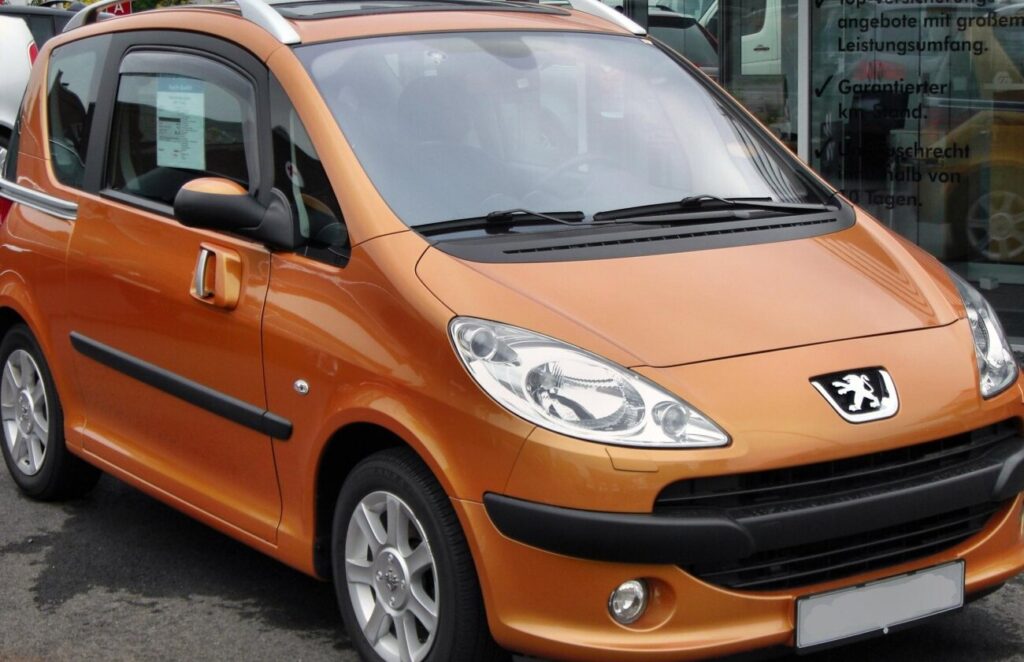
The Peugeot 1007 1.6 16V (110 hp) 2-Tronic was a compact, three-door minivan produced by the French automaker Peugeot between 2005 and 2009. It represented a unique offering in the European microvan segment, characterized by its distinctive styling and innovative, though sometimes problematic, automated manual transmission. This variant occupied the mid-range position within the 1007 lineup, offering a balance between performance and affordability compared to the lower-powered engine options and serving as a more accessible alternative to potential future, higher-specification trims that never materialized. The 1007, built on Peugeot’s B1 platform (shared with the 206), aimed to provide a practical and stylish urban vehicle for small families or individuals.
Powertrain & Engine Architecture
The heart of the 1007 1.6 16V 2-Tronic is the NFU (and sometimes TU5JP4) engine code, a 1.587-liter (96.84 cubic inches) inline-four cylinder gasoline engine. This engine is a naturally aspirated unit featuring multi-point fuel injection and a double overhead camshaft (DOHC) valvetrain with four valves per cylinder. The engine produces a maximum power output of 110 horsepower (82 kW) at 5800 rpm and 147 Nm (108.42 lb-ft) of torque at 4000 rpm. The compression ratio is 11:1. Engine oil capacity is 3.35 liters (3.54 US quarts), and the recommended coolant capacity is 5.9 liters (6.23 US quarts).
Paired with this engine is the “2-Tronic” transmission, a five-speed automated manual gearbox developed by Jaeger Automobil-Technik. This transmission is essentially a conventional manual gearbox with robotic actuators controlling the clutch and gear changes. It offers a degree of convenience similar to a traditional automatic transmission, but without the torque converter. The 2-Tronic system was known for its sometimes jerky shifts and occasional reliability issues, a common criticism leveled against early automated manual transmissions. The transmission’s gear ratios are designed to provide a balance between acceleration and fuel efficiency, though the automated nature of the shifts often resulted in less-than-optimal performance compared to a skilled driver using a traditional manual gearbox.
Engine Specifics
- Engine Code: NFU (TU5JP4)
- Displacement: 1587 cc (1.6L)
- Fuel Injection: Multi-point
- Valvetrain: DOHC, 4 valves/cylinder
- Aspiration: Naturally Aspirated
Driving Characteristics
The Peugeot 1007 1.6 16V 2-Tronic offered adequate, but not particularly exhilarating, performance. Acceleration from 0 to 100 km/h (0-62 mph) took approximately 11.8 seconds, with a top speed of 190 km/h (118 mph). The 2-Tronic transmission, while convenient, often resulted in noticeable pauses during gear changes, impacting the overall driving experience. Compared to the lower-powered 1.4-liter versions of the 1007, the 1.6L offered a more responsive feel, particularly when overtaking or climbing hills. However, it lacked the punch of potential higher-performance variants that were never produced. The front-wheel-drive configuration and relatively lightweight construction (1216-1271 kg / 2680.82 – 2802.08 lbs) contributed to reasonable handling, but the 1007 was primarily designed for urban driving rather than spirited performance.
Equipment & Trim Levels
The 1.6 16V 2-Tronic trim typically included features such as air conditioning, power windows, central locking, and an audio system. Safety features included ABS (Anti-lock Braking System) and front airbags. Interior upholstery was generally cloth, with options for upgraded materials available. The dashboard layout was functional and modern for its time, with a focus on ergonomics. Optional extras included alloy wheels, a panoramic sunroof, and parking sensors. The 1007’s interior space was maximized through its clever packaging, offering reasonable room for four passengers despite its compact exterior dimensions. The trunk space, at 364 liters (12.85 cu ft), was adequate for everyday use.
Chassis & Braking
The Peugeot 1007 utilized an independent McPherson strut suspension at the front and a coil spring torsion beam suspension at the rear. This setup provided a comfortable ride quality, particularly on smooth roads. The front brakes were ventilated discs, while the rear brakes were drums. The steering was electrically assisted, providing light and precise control. Tire size was typically 195/50 R16, mounted on 6J x 16 inch wheel rims. The suspension tuning was geared towards comfort and ease of driving, rather than sporty handling. The weight distribution was relatively balanced, contributing to predictable handling characteristics.
Market Reception & Comparison
The Peugeot 1007 received mixed reviews upon its launch. Critics praised its distinctive styling and innovative interior packaging, but the 2-Tronic transmission was a frequent source of criticism. Many reviewers found the shifts to be jerky and slow, detracting from the overall driving experience. Fuel economy was reasonable, with combined fuel consumption figures of around 6.6 l/100 km (35.6 US mpg). Compared to other microvans of the time, such as the Fiat Panda or Renault Modus, the 1007 offered a more premium feel and a more distinctive design. However, its reliability record, particularly concerning the 2-Tronic transmission, was a concern for some buyers. The 1.6L engine offered a good balance between performance and fuel economy, making it a popular choice for those who wanted a more responsive driving experience than the base 1.4L models.
Technical Specifications
| Brand | Peugeot |
| Model | 1007 |
| Type | 1.6 16V (110 Hp) 2-Tronic |
| Start of production | 2005 |
| End of production | 2009 |
| Engine Displacement | 1587 cm3 (96.84 cu. in.) |
| Engine Layout | Inline-4 |
| Power | 110 Hp @ 5800 rpm |
| Torque | 147 Nm @ 4000 rpm (108.42 lb.-ft. @ 4000 rpm) |
| Fuel Consumption (Urban) | 8.6 l/100 km (27.4 US mpg) |
| Fuel Consumption (Extra Urban) | 5.4 l/100 km (43.6 US mpg) |
| Fuel Consumption (Combined) | 6.6 l/100 km (35.6 US mpg) |
| CO2 Emissions | 156 g/km |
| Acceleration 0-100 km/h | 11.8 sec |
| Maximum Speed | 190 km/h (118.06 mph) |
| Kerb Weight | 1216-1271 kg (2680.82 – 2802.08 lbs.) |
| Fuel Tank Capacity | 40 l (10.57 US gal) |
| Transmission | 5-speed Automated Manual (2-Tronic) |
Legacy
The Peugeot 1007, particularly the 1.6 16V 2-Tronic variant, remains a relatively uncommon sight on the roads today. The 2-Tronic transmission’s reliability issues contributed to a lower survival rate compared to models with traditional manual gearboxes. However, well-maintained examples can still be found, often appealing to enthusiasts seeking a unique and stylish city car. The engine itself is generally considered reliable, although regular maintenance is essential. In the used car market, the 1007 1.6 16V 2-Tronic typically commands a modest price, reflecting its age and the potential for transmission-related repairs. Despite its flaws, the 1007 represents an interesting chapter in Peugeot’s history, showcasing the brand’s willingness to experiment with innovative technologies and design concepts.
