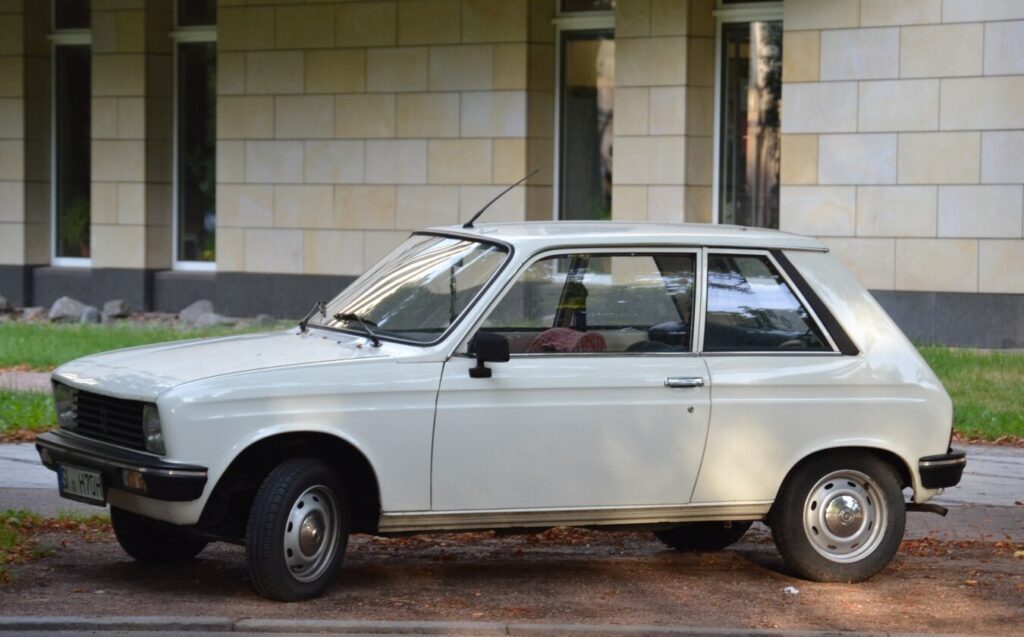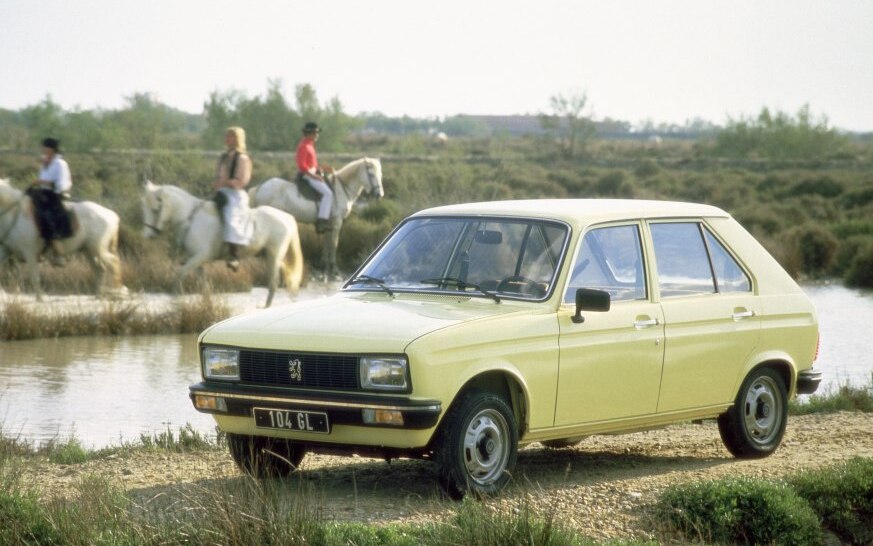
The Peugeot 104 0.9, producing 45 horsepower, was a foundational variant of the Peugeot 104 model range, manufactured between 1979 and 1983. It represented the entry point into the 104 lineup, a small, front-wheel-drive hatchback designed to offer affordable and practical transportation. The 104, as a whole, was a significant vehicle for Peugeot, marking a departure from their traditionally rear-wheel-drive designs and embracing a more modern, space-efficient layout. This particular 0.9-liter version was aimed at budget-conscious buyers and those prioritizing fuel economy over outright performance. It played a crucial role in establishing the 104 as a popular choice in the European supermini segment.
Peugeot 104 0.9: Entry-Level Appeal
The 0.9-liter engine variant of the Peugeot 104 was specifically positioned as the base model. It was designed to be the most accessible version of the car, both in terms of purchase price and running costs. Compared to the later 1.1 and 1.3-liter versions, the 0.9 offered less power and a simpler specification, but it provided a viable option for first-time car buyers, city dwellers, and those needing a basic, reliable vehicle. The target audience was clearly defined: individuals seeking economical transportation without the need for high-speed performance or extensive features. It was often favored by those who primarily used the car for short commutes and errands.
Powertrain & Engine Architecture
The heart of the Peugeot 104 0.9 was the 108 XV5 engine, a 954cc, inline-four cylinder, naturally aspirated gasoline engine. This engine was a relatively simple design, featuring a single overhead camshaft (SOHC) operating two valves per cylinder. The engine utilized a Solex carburetor for fuel delivery, a common setup for vehicles of this era. The engine block was cast iron, while the cylinder head was aluminum, contributing to a reasonable balance between durability and weight. The compression ratio was approximately 8.5:1. The engine’s modest output of 45 horsepower at 6000 rpm and 56 lb-ft of torque at 4000 rpm was sufficient for urban driving, but it struggled on inclines or when fully loaded. The engine was transversely mounted, driving the front wheels. The transmission offered was typically a four-speed manual gearbox, although a three-speed automatic transmission was available as an option, albeit less common in this base trim.
Driving Characteristics
The driving experience in the Peugeot 104 0.9 was characterized by its light weight and nimble handling. The car weighed around 1,680 lbs, which meant that even with only 45 horsepower, it felt reasonably responsive in city traffic. Acceleration was, however, slow; 0 to 60 mph took approximately 18-20 seconds. The four-speed manual transmission allowed drivers to make the most of the limited power, while the optional automatic transmission, while offering convenience, further reduced acceleration performance. The gear ratios were geared towards maximizing fuel economy rather than outright speed. The steering was light and precise, making it easy to maneuver in tight spaces. The suspension, consisting of independent front suspension with torsion bars and a twist-beam rear axle, provided a comfortable ride, although it could become unsettled on rough roads. Compared to the 1.1 and 1.3-liter versions, the 0.9 felt noticeably slower, particularly when overtaking or climbing hills. The manual transmission offered a more engaging driving experience, while the automatic felt sluggish and less responsive.
Equipment & Trim Levels
The Peugeot 104 0.9 was typically equipped with basic, functional features. Standard equipment included cloth upholstery, vinyl floor covering, and simple steel wheels. The dashboard was minimalist, featuring a speedometer, fuel gauge, and basic warning lights. Heating and ventilation were standard, but air conditioning was not available on this base model. Optional extras included a radio, upgraded upholstery, and a sunroof. The interior was designed for practicality rather than luxury, with a focus on durability and ease of cleaning. Trim levels were relatively limited for the 0.9 version, with most cars being finished in a range of solid colors. The emphasis was on providing a no-frills, affordable package.
Chassis & Braking
The Peugeot 104 featured a monocoque chassis construction, providing a good balance of strength and weight. The front suspension utilized independent torsion bar springs, offering a comfortable ride and good handling characteristics. The rear suspension employed a simple twist-beam axle, which was cost-effective and provided adequate stability. Braking was initially provided by drum brakes on all four wheels, although later models often featured front disc brakes. The braking system was adequate for the car’s weight and performance, but it lacked the stopping power of more modern vehicles. Steering was rack and pinion, providing precise and responsive control. The 104’s relatively small size and light weight contributed to its nimble handling.
Market Reception & Comparison
The Peugeot 104 0.9 received generally positive reviews for its affordability, fuel economy, and practicality. Critics praised its nimble handling and comfortable ride, but noted its lack of power and basic interior. Compared to its rivals, such as the Renault 5 and the Fiat 127, the 104 0.9 offered a competitive package, particularly in terms of fuel efficiency. The 1.1 and 1.3-liter versions of the 104 offered significantly improved performance, but at a higher price point. The 0.9-liter version was often seen as a compromise, offering affordability at the expense of power. Fuel economy was a key selling point, with the 0.9-liter engine achieving around 45-50 mpg in typical driving conditions. Reliability was generally good, although the carburetor required periodic maintenance. The 104 0.9 was a popular choice for budget-conscious buyers and those seeking a practical city car.
Technical Specifications
| Engine Type | Inline-Four, Naturally Aspirated |
| Engine Code | 108 XV5 |
| Displacement | 954 cc (58.2 cu in) |
| Power Output | 45 hp (34 kW) @ 6000 rpm |
| Torque Output | 56 lb-ft (76 Nm) @ 4000 rpm |
| Fuel System | Solex Carburetor |
| Transmission | 4-Speed Manual (Standard), 3-Speed Automatic (Optional) |
| Drivetrain | Front-Wheel Drive |
| Weight | 1,680 lbs (762 kg) |
| Top Speed | 87 mph (140 km/h) |
| 0-60 mph | 18-20 seconds (approx.) |
| Fuel Economy (Combined) | 45-50 mpg |
| Engine Oil Capacity | 4.5 liters (4.76 US qt, 3.96 UK qt) |
| Coolant Capacity | 5.8 liters (6.13 US qt, 5.1 UK qt) |
Legacy
The Peugeot 104 0.9, while not the most powerful or luxurious version of the 104, remains a fondly remembered example of a classic European supermini. The 108 XV5 engine, while simple, proved to be relatively durable and reliable, and many examples are still on the road today. In the used car market, the 0.9-liter version is often the most affordable option, making it an attractive choice for enthusiasts and those seeking a classic car experience. The 104, as a whole, played a significant role in establishing Peugeot as a major player in the small car segment, and the 0.9-liter version served as an important entry point for many buyers. Its simplicity and affordability continue to appeal to a dedicated following.