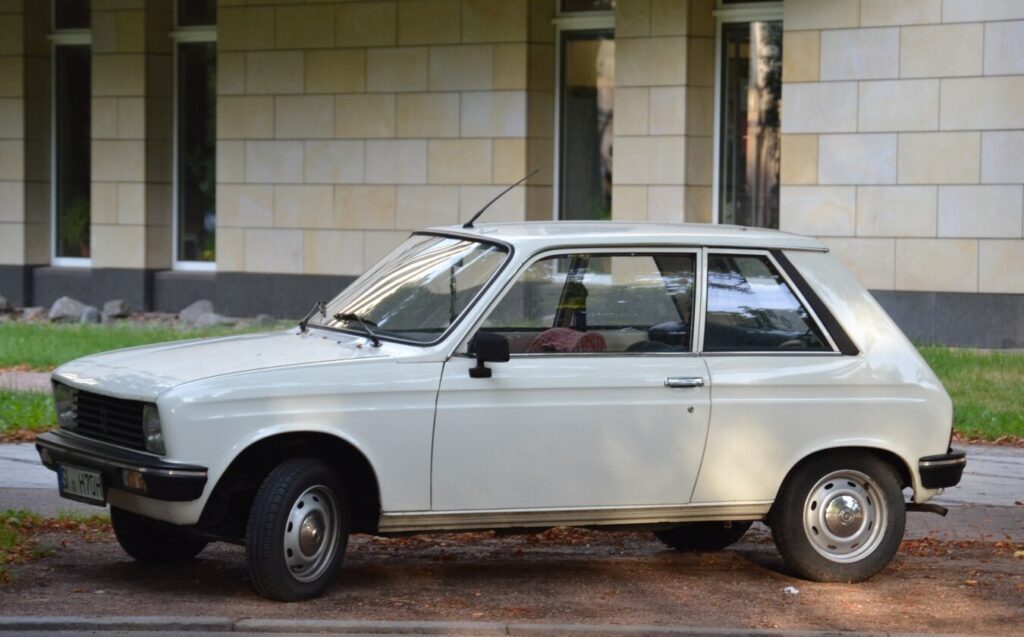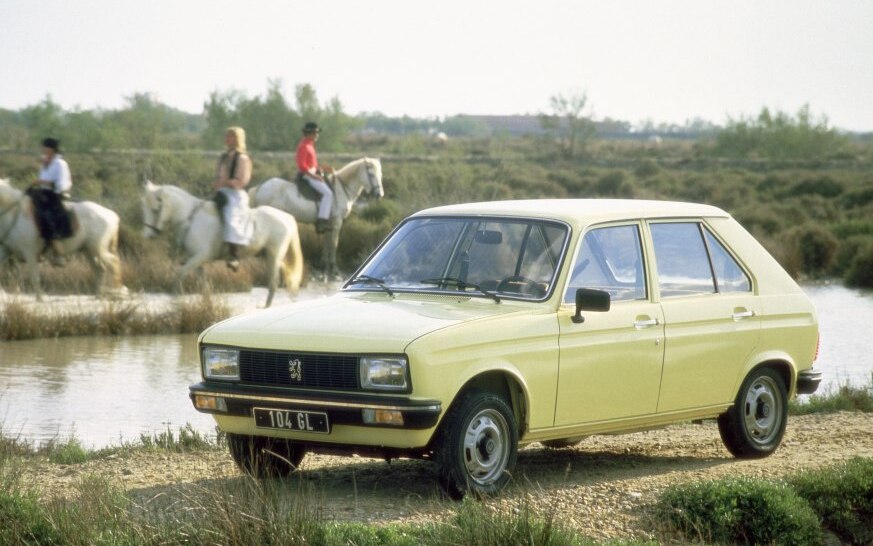
The Peugeot 104 1.1, producing 50 horsepower, was a mainstay of the Peugeot lineup from 1980 to 1988. It represented the entry-level offering within the broader Peugeot 104 range, which spanned from 1972 to 1988 and was a significant model for the French manufacturer, embodying a shift towards smaller, more economical vehicles. The 104 was built on a front-wheel-drive platform, a relatively new concept for Peugeot at the time, and aimed to provide affordable transportation for a wide demographic. The 1.1-liter variant, designated by engine code XW7, was particularly popular due to its low running costs and ease of driving, making it a common sight on European roads for nearly a decade.
Peugeot 104 1.1: Positioning and Market Role
The 1.1-liter Peugeot 104 occupied the base trim level within the 104 family. Higher-spec models included the 1.3 and 1.6-liter variants, offering increased performance. The 1.1 was specifically targeted at buyers prioritizing fuel efficiency and affordability over outright speed. It was often chosen by first-time car owners, city dwellers, and those seeking a practical and economical runabout. Compared to the more powerful 1.3 and 1.6 models, the 1.1 offered a lower purchase price and reduced running costs, albeit at the expense of acceleration and overall performance. It was a deliberate choice for buyers who valued practicality and economy above all else.
Powertrain & Engine Architecture
The heart of the Peugeot 104 1.1 was the XW7 engine, a 1,124 cc (1.1 L) inline-four cylinder petrol engine. This engine was a naturally aspirated unit, meaning it did not employ a turbocharger or supercharger. It featured a single overhead camshaft (SOHC) valvetrain operating two valves per cylinder. The engine utilized a Solex carburetor for fuel delivery, a common technology for the time, providing a relatively simple and reliable fuel system. The XW7 engine produced 50 horsepower (37 kW) at 6,000 rpm and 69 lb-ft (94 Nm) of torque at 4,000 rpm. The engine block was constructed from cast iron, while the cylinder head was made of aluminum alloy. Lubrication was provided by a conventional wet sump system. The engine was transversely mounted at the front of the vehicle, driving the front wheels. The transmission offered was typically a four-speed manual gearbox, although a three-speed automatic transmission was available as an option, albeit less common.
Driving Characteristics
The driving experience in the Peugeot 104 1.1 was characterized by its light and nimble handling. The relatively low weight of the vehicle – around 1,786 lbs (810 kg) – contributed to its agility. However, the 50 horsepower output meant that acceleration was modest. 0 to 60 mph (0 to 97 km/h) took approximately 16-18 seconds, and top speed was around 87 mph (140 km/h). The four-speed manual transmission offered a reasonable spread of gears, allowing the driver to keep the engine in its optimal power band. The optional three-speed automatic transmission, while providing convenience, further reduced acceleration performance. The steering was light and precise, making it easy to maneuver in urban environments. The suspension, consisting of independent front suspension with torsion bars and a twist-beam rear axle, provided a comfortable ride, although it could become somewhat unsettled on uneven surfaces. The 1.1-liter engine was known for its willingness to rev, but it lacked the punch of the larger-displacement engines in the 104 range.
Equipment & Trim Levels
The Peugeot 104 1.1 was typically equipped with basic, but functional, features. Standard equipment included cloth upholstery, vinyl floor covering, and basic instrumentation consisting of a speedometer, fuel gauge, and temperature gauge. The steering wheel was a two-spoke design, and the dashboard was relatively simple and utilitarian. Optional extras included a radio, heated rear window, and upgraded upholstery. Higher trim levels, such as the “GL” and “GR” variants, offered additional features such as tinted glass, more comfortable seats, and improved interior trim. The 1.1-liter model generally featured steel wheels with hubcaps, while higher-spec models could be equipped with alloy wheels. Safety features were limited by the standards of the time, with seat belts being the primary safety equipment. Air conditioning was not typically available on the 1.1-liter model.
Chassis & Braking
The Peugeot 104 featured a monocoque chassis construction, providing a good balance of strength and weight. The front suspension utilized independent torsion bar springs and wishbones, while the rear suspension employed a simple twist-beam axle with trailing arms. Braking was initially provided by drum brakes on all four wheels, but later models were upgraded with front disc brakes. The braking system was hydraulic, providing adequate stopping power for the vehicle’s weight and performance. Steering was rack and pinion, offering precise and responsive handling. The tires were typically 155/80 R13 size, providing a reasonable compromise between grip and rolling resistance. The 104 did not feature anti-lock brakes (ABS) or traction control, as these technologies were not widely available during its production run.
Market Reception & Comparison
The Peugeot 104 1.1 received generally positive reviews for its affordability, fuel efficiency, and ease of driving. Critics praised its nimble handling and comfortable ride, but noted its lack of outright performance. Compared to its rivals, such as the Renault 5 and Citroën 2CV, the 104 offered a more modern and refined driving experience. However, the 104 was often more expensive than the 2CV, which was known for its rugged simplicity and low cost. The 1.1-liter engine offered fuel economy figures of around 45-50 mpg (5.2-5.6 L/100km), making it an attractive option for budget-conscious buyers. Reliability was generally good, although the carburetor could require occasional adjustment. The 104 1.1 was considered a practical and economical choice for urban commuting and short journeys.
Technical Specifications
| Engine Code | XW7 |
| Engine Type | Inline-Four, Naturally Aspirated |
| Displacement | 1,124 cc (1.1 L) |
| Power Output | 50 hp (37 kW) @ 6,000 rpm |
| Torque Output | 69 lb-ft (94 Nm) @ 4,000 rpm |
| Fuel System | Solex Carburetor |
| Valvetrain | SOHC, 2 Valves per Cylinder |
| Compression Ratio | 9.5:1 |
| Transmission | 4-Speed Manual (Standard), 3-Speed Automatic (Optional) |
| Weight | 1,786 lbs (810 kg) approx. |
| Top Speed | 87 mph (140 km/h) approx. |
| 0-60 mph | 16-18 seconds approx. |
| Fuel Economy | 45-50 mpg (5.2-5.6 L/100km) |
| Engine Oil Capacity | 4.5 l (4.76 US qt | 3.96 UK qt) |
Legacy
The Peugeot 104 1.1, while not a performance icon, holds a significant place in automotive history as a representative of the small, economical cars that became popular in Europe during the 1970s and 1980s. The XW7 engine proved to be a reliable and durable unit, and many examples of the 104 1.1 are still on the road today. In the used car market, the 104 1.1 is valued for its simplicity, affordability, and classic charm. Parts availability can be a challenge, but a dedicated community of enthusiasts continues to support the model. The 104 1.1 remains a popular choice for classic car enthusiasts and those seeking a nostalgic driving experience. Its enduring appeal lies in its honest simplicity and its ability to provide affordable and reliable transportation.