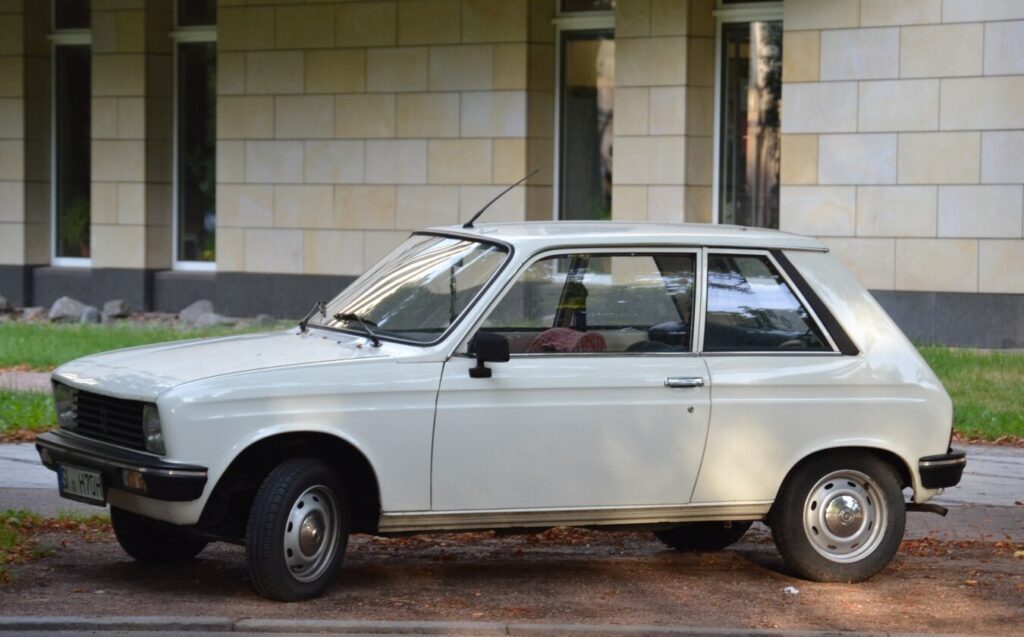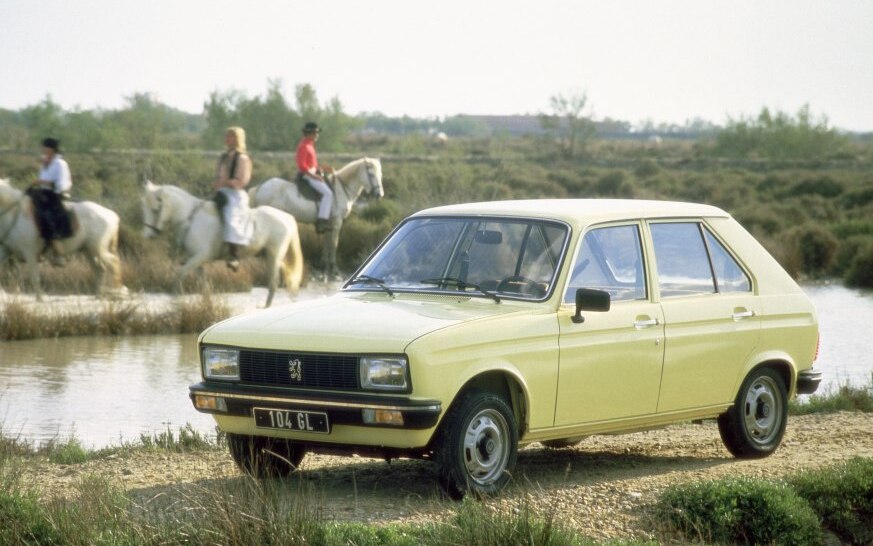
The Peugeot 104 1.1, producing 66 horsepower, was a mainstay of the Peugeot lineup from 1978 to 1979. It represented an entry-level offering within the broader 104 range, which spanned from 1972 to 1988. This variant, powered by the XW3S engine, was designed to provide economical and practical transportation, appealing to a broad customer base seeking a small, affordable hatchback. The 104 series itself was a significant departure for Peugeot, moving towards front-wheel drive and a more modern design philosophy. The 1.1 model specifically targeted buyers prioritizing fuel efficiency and low running costs over outright performance.
Peugeot 104 1.1: Powertrain and Engine Architecture
The heart of the Peugeot 104 1.1 was the XW3S engine, a 1.1-liter (1128 cc) inline-four cylinder, naturally aspirated gasoline engine. This engine was a key component of Peugeot’s push towards smaller, more efficient vehicles. The XW3S featured a cast iron block and an aluminum cylinder head, a common construction for engines of this era. It utilized a single overhead camshaft (SOHC) valvetrain, operating two valves per cylinder. Fuel delivery was managed by a single Solex carburetor, a relatively simple and reliable system for the time. The engine’s bore and stroke measured 76.2 mm x 69.0 mm, contributing to its relatively oversquare design. Compression ratio was 8.8:1.
While a four-speed manual transmission was the most common pairing for the 104 1.1, an optional three-speed automatic transmission was available, though less frequently chosen. This automatic was a conventional hydraulic torque converter type, offering smooth but not particularly rapid gear changes. The automatic transmission significantly altered the driving experience, prioritizing comfort and ease of use over performance. The automatic version typically saw a slight reduction in fuel economy compared to the manual.
Engine Code Specifics: XW3S
The XW3S engine code designates a specific iteration of the 1.1-liter engine used in the 104 and other Peugeot/Citroën models. Variations within the XW family existed, but the XW3S was specifically tuned for the 104’s weight and intended use. Maintenance on the XW3S is generally straightforward, benefiting from its relatively simple design. Common maintenance items include regular oil changes, spark plug replacement, and carburetor adjustments. The engine is known for its durability, though age and neglect can lead to issues such as oil leaks and carburetor fouling.
Driving Characteristics
The Peugeot 104 1.1, particularly in automatic guise, was not designed for spirited driving. With 66 horsepower and approximately 68 lb-ft of torque, acceleration was modest. The 0-60 mph time was estimated to be around 16-18 seconds, making it a decidedly slow vehicle by modern standards. However, within the context of the late 1970s, it was competitive with other small, economy-focused hatchbacks. The automatic transmission further dampened performance, with noticeable delays in downshifting and a limited range of gear ratios. The gear ratios in the three-speed automatic were optimized for fuel economy rather than acceleration.
The car’s light weight (around 1,700 lbs) helped to mitigate the lack of power. Handling was generally considered acceptable, though not particularly sporty. The front-wheel drive layout provided decent grip in most conditions, and the steering was light and easy to use. The ride quality was reasonably comfortable, thanks to the relatively long wheelbase and compliant suspension. Compared to the manual transmission version, the automatic 104 1.1 felt noticeably slower, especially when attempting to overtake or climb hills.
Equipment & Trim Levels
The Peugeot 104 1.1 was typically offered in a basic trim level, reflecting its position as the entry point to the 104 range. Standard equipment included cloth upholstery, vinyl floor covering, and basic instrumentation consisting of a speedometer, fuel gauge, and temperature gauge. The steering wheel was typically made of plastic. Heating and ventilation were standard, but air conditioning was not available on this model.
Optional extras included upgraded upholstery, a radio, and occasionally, a sunroof. The exterior trim was minimal, with black plastic bumpers and relatively simple steel wheels with hubcaps. The interior was functional and utilitarian, prioritizing practicality over luxury. The dashboard layout was straightforward, with all controls within easy reach of the driver. The 104 1.1 was designed to be a no-frills transportation solution, focusing on affordability and reliability.
Chassis & Braking
The Peugeot 104 utilized a monocoque chassis construction, providing a good balance of strength and weight. The front suspension consisted of independent MacPherson struts, while the rear suspension employed a trailing arm setup. This suspension configuration provided a comfortable ride, though it was not particularly sophisticated. Steering was rack and pinion, offering precise and responsive control.
Braking on the 104 1.1 was typically accomplished with disc brakes on the front wheels and drum brakes on the rear wheels. This configuration was common for vehicles in this price range during the 1970s. The braking system was adequate for normal driving conditions, but it lacked the stopping power of more modern vehicles. The automatic transmission versions often had a slightly larger brake booster to compensate for the added weight and reduced engine braking.
Market Reception & Comparison
The Peugeot 104 1.1 was generally well-received by critics as an affordable and practical city car. It was praised for its fuel efficiency, ease of driving, and relatively spacious interior for its size. However, it was also criticized for its lack of power and somewhat basic interior. Compared to other small hatchbacks of the era, such as the Renault 5 and the Fiat 127, the 104 1.1 offered a slightly more refined driving experience, but at a slightly higher price point.
The automatic transmission version was seen as a compromise, offering convenience at the expense of performance and fuel economy. The manual transmission version was generally preferred by drivers who prioritized driving enjoyment and efficiency. Reliability was generally good, though the carburetor required periodic adjustment and maintenance. Fuel economy was a strong point, with the 1.1-liter engine achieving around 35-40 mpg in typical driving conditions.
Technical Specifications
| Body Type | Hatchback |
| Engine Type | Inline-Four, Naturally Aspirated |
| Engine Displacement | 1128 cc (1.1 liters) |
| Engine Code | XW3S |
| Power Output | 66 hp @ 6000 rpm |
| Torque | 68 lb-ft @ 3500 rpm |
| Fuel System | Solex Carburetor |
| Transmission | 3-Speed Automatic (Optional) / 4-Speed Manual |
| Drivetrain | Front-Wheel Drive |
| Weight | Approximately 1700 lbs (771 kg) |
| Top Speed | Approximately 85 mph (137 km/h) |
| 0-60 mph | 16-18 seconds (Automatic) |
| Fuel Economy (estimated) | 35-40 mpg |
Legacy
The Peugeot 104 1.1, while not a performance icon, holds a significant place in automotive history as a representative of the small, economical hatchback that became popular in Europe during the 1970s and 1980s. The XW3S engine proved to be a durable and reliable unit, and many examples of the 104 1.1 are still on the road today. In the used car market, these vehicles are often sought after by enthusiasts and collectors looking for a classic and affordable French car.
The automatic transmission versions, while less common, are appreciated by those seeking a comfortable and easy-to-drive classic. Maintenance costs are generally low, thanks to the engine’s simple design and the availability of spare parts. The Peugeot 104 1.1 remains a testament to Peugeot’s ability to produce practical and affordable vehicles that appealed to a wide range of customers. Its enduring popularity is a reflection of its simple design, reliability, and charming character.