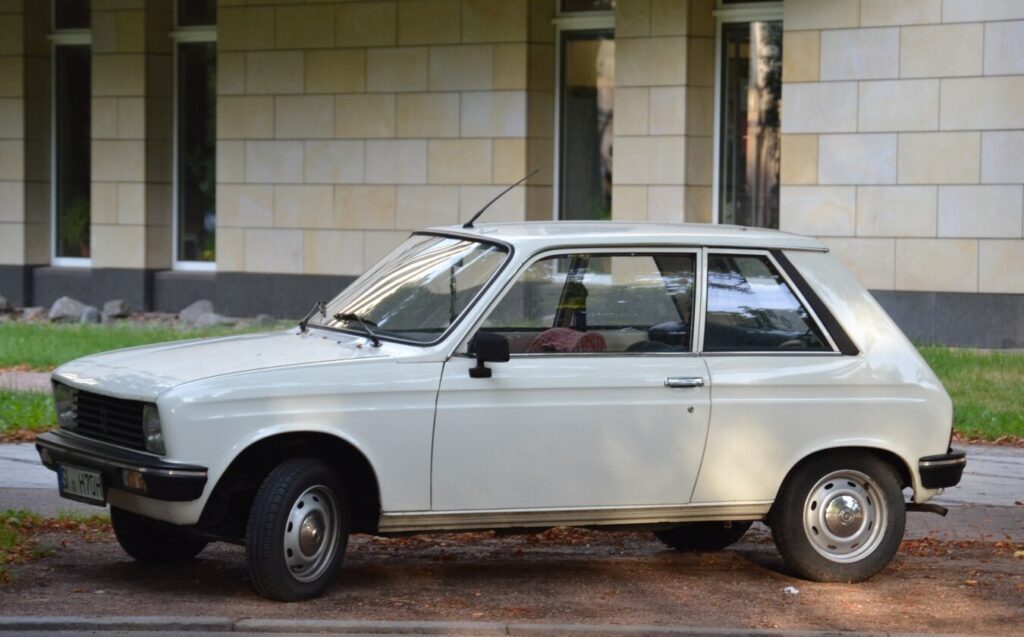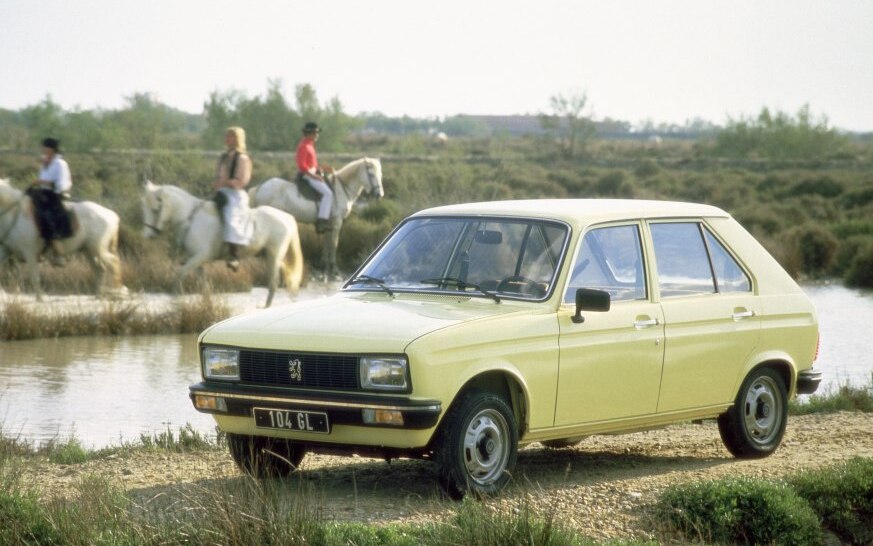
The Peugeot 104 1.4, producing 72 horsepower, was a mainstay of the Peugeot lineup from 1979 to 1983. It represented a core offering within the 104 series, a small, front-wheel-drive hatchback designed as an affordable and practical vehicle for European city dwellers. This variant, powered by the XY6B engine, occupied a middle ground in the 104 range, positioned between the lower-powered 954cc models and the slightly more potent 1.6-liter versions. The 104 series itself was a significant departure for Peugeot, embracing a more modern, space-efficient design compared to the rear-wheel-drive vehicles that preceded it.
Peugeot 104 1.4: A Detailed Overview
The Peugeot 104 was conceived in the late 1960s as Peugeot’s answer to the increasingly popular supermini segment, pioneered by the Mini. The 104 aimed to provide a spacious interior within a compact footprint, prioritizing practicality and affordability. The 1.4-liter variant, introduced in 1979, offered a balance of performance and economy that appealed to a broad range of buyers. It was intended to be a step up from the base models, offering a more relaxed driving experience, particularly on longer journeys. The 104 series, including the 1.4, was ultimately replaced by the Peugeot 205 in 1983, marking a shift towards even more modern and sophisticated small cars.
Powertrain & Engine Architecture
The heart of the Peugeot 104 1.4 is the XY6B engine, a 1376cc inline-four cylinder, naturally aspirated gasoline engine. This engine is a relatively simple design, featuring a single overhead camshaft (SOHC) operating two valves per cylinder. The XY6B engine utilizes a Solex carburetor for fuel delivery, a common setup for vehicles of this era. While not particularly powerful by modern standards, the XY6B provided adequate performance for the 104’s intended purpose. The engine’s construction is largely cast iron, contributing to its durability, though also adding to its weight. The engine’s output of 72 horsepower (DIN) at 6000 rpm and 88 lb-ft of torque at 3500 rpm was considered respectable for a vehicle of its size and class in the late 1970s and early 1980s.
The 104 1.4 was typically paired with a four-speed manual transmission, although a three-speed automatic transmission was also available as an option. The automatic transmission, while offering convenience, did noticeably impact performance and fuel economy. The manual transmission featured a relatively long throw, typical of European cars of the period. The final drive ratio varied slightly depending on the specific year and market, but generally aimed to provide a balance between acceleration and cruising ability. The engine’s relatively low compression ratio (8.5:1) allowed it to run on lower octane gasoline, a consideration in many European markets.
Driving Characteristics
The Peugeot 104 1.4 offered a comfortable, if not particularly exciting, driving experience. The 72 horsepower engine provided sufficient power for everyday driving, allowing the car to keep pace with traffic. Acceleration from 0 to 60 mph took approximately 14-16 seconds, depending on the transmission and vehicle load. The car’s light weight (around 1,700 lbs) helped to offset the relatively modest power output. The steering was light and precise, making it easy to maneuver in urban environments. The suspension, consisting of independent front suspension with torsion bars and a twist-beam rear axle, provided a reasonably comfortable ride, absorbing bumps and imperfections in the road surface effectively. The automatic transmission version, while convenient, resulted in slower acceleration and a more noticeable reduction in fuel economy. The manual transmission allowed for more driver control and a slightly more engaging driving experience.
Compared to the lower-powered 954cc 104, the 1.4 offered a noticeable improvement in performance, particularly when carrying passengers or luggage. The 1.6-liter version, while more powerful, was also more expensive and less fuel-efficient. The 1.4, therefore, represented a sweet spot for many buyers, offering a good balance of performance, economy, and price.
Equipment & Trim Levels
The Peugeot 104 1.4 was generally offered in a relatively basic trim level, reflecting its position as an affordable small car. Standard equipment typically included cloth upholstery, vinyl floor covering, and basic instrumentation consisting of a speedometer, fuel gauge, and temperature gauge. The steering wheel was typically made of plastic, and the door panels were relatively simple in design. Optional extras included a radio, heated rear window, and upgraded upholstery. Higher trim levels, such as the “GL” variant, offered additional features such as a more luxurious interior, tinted glass, and chrome trim. The 104 1.4’s interior was designed with practicality in mind, offering a surprisingly spacious cabin for a car of its size. The rear seats could be folded down to increase luggage capacity.
Chassis & Braking
The Peugeot 104 featured a monocoque chassis construction, providing a good balance of strength and lightness. The front suspension utilized independent torsion bar springs, while the rear suspension employed a simple twist-beam axle. This setup provided a comfortable ride and predictable handling. The 104 1.4 was equipped with disc brakes on the front wheels and drum brakes on the rear wheels. The braking system was adequate for the car’s weight and performance, but lacked the stopping power of more modern vehicles. The steering was a rack-and-pinion system, providing precise and responsive steering feel. The 104’s relatively small turning circle made it easy to maneuver in tight spaces.
Market Reception & Comparison
The Peugeot 104 1.4 was generally well-received by critics and buyers alike. It was praised for its practicality, affordability, and comfortable ride. However, it was also criticized for its relatively modest performance and basic interior. Compared to its rivals, such as the Renault 5 and the Fiat 127, the 104 offered a slightly more refined driving experience and a more spacious interior. Fuel economy was a strong point, with the 1.4-liter engine achieving around 35-40 mpg in typical driving conditions. Reliability was generally good, although the carburetor could sometimes require adjustment. The automatic transmission version was less popular due to its impact on performance and fuel economy.
Technical Specifications
| Engine Type | Inline-4, Naturally Aspirated |
| Engine Displacement | 1376 cc (84.0 cu in) |
| Horsepower | 72 hp (54 kW) @ 6000 rpm |
| Torque | 88 lb-ft (120 Nm) @ 3500 rpm |
| Fuel System | Solex Carburetor |
| Valvetrain | SOHC, 2 valves per cylinder |
| Compression Ratio | 8.5:1 |
| Transmission | 4-speed Manual or 3-speed Automatic |
| Drivetrain | Front-Wheel Drive |
| Brakes (Front/Rear) | Disc / Drum |
| Weight | 1700 lbs (approx.) |
| Fuel Capacity | 37 liters (9.8 US gallons) |
| 0-60 mph | 14-16 seconds (approx.) |
Legacy
The Peugeot 104 1.4, while no longer in production, remains a popular classic car among enthusiasts. Its simple design and robust engine make it relatively easy to maintain and repair. The XY6B engine is known for its durability, and many examples are still on the road today. The 104 1.4’s affordability and practicality have also contributed to its enduring appeal. In the used car market, well-maintained examples of the 104 1.4 can fetch reasonable prices, particularly among collectors and enthusiasts. The 104 series as a whole is remembered as a significant milestone in Peugeot’s history, marking its transition to front-wheel-drive vehicles and paving the way for the more modern and sophisticated models that followed. The 1.4 variant, in particular, represents a well-rounded and practical choice for those seeking a classic French hatchback.