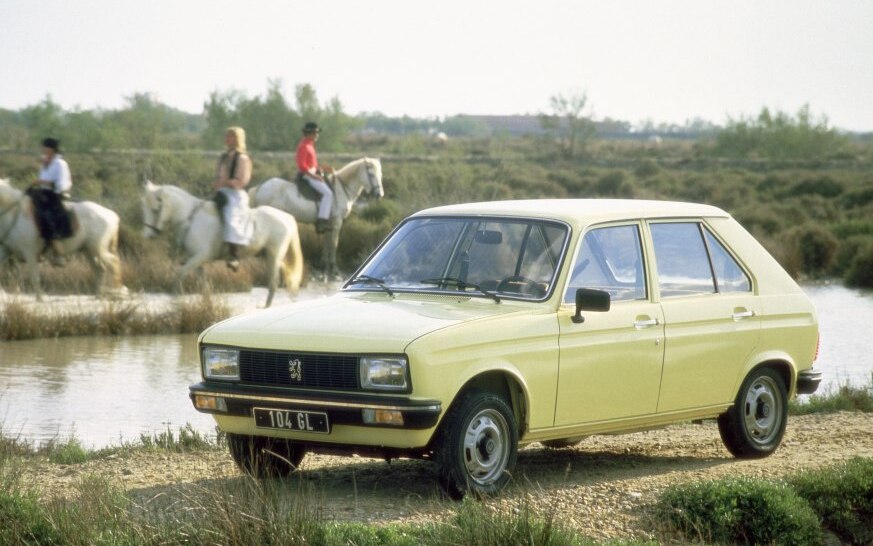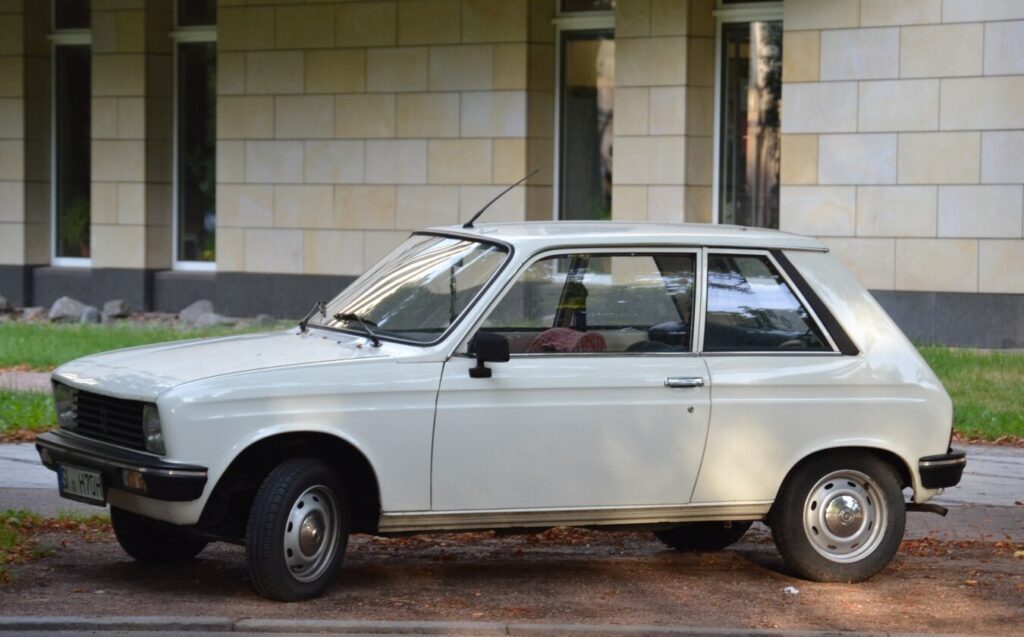
The Peugeot 104 Coupe 0.9, producing 45 horsepower, was a small, lightweight coupe manufactured between 1973 and 1979. It represented a more sporting and stylish derivative of the standard Peugeot 104 hatchback, aiming to attract buyers seeking a compact and affordable personal vehicle. Positioned as the entry-level coupe within the 104 range, it offered a more engaging driving experience than its more utilitarian siblings, though at the cost of outright performance. The 104 Coupe, and specifically this 0.9-liter variant, played a significant role in Peugeot’s strategy to offer a diverse range of vehicles to a broader customer base during the 1970s.
Peugeot 104 Coupe 0.9: An Overview
The 104 Coupe was based on the existing 104 platform, but distinguished itself with a sleeker, two-door coupe body style designed by Pininfarina. This collaboration resulted in a visually appealing car that belied its modest mechanical specifications. The 0.9-liter engine variant was the base engine option for the Coupe, offering a balance between affordability and acceptable performance for urban driving. It was intended to be a relatively inexpensive and economical coupe, appealing to younger drivers or those seeking a second car.
Powertrain & Engine Architecture
The heart of the Peugeot 104 Coupe 0.9 was the 108 XV5 engine, a 954cc (58.2 cubic inches) inline-four cylinder petrol engine. This engine was a naturally aspirated unit, meaning it did not employ a turbocharger or supercharger. It featured a single overhead camshaft (SOHC) valvetrain operating two valves per cylinder. The engine’s design prioritized simplicity and reliability over outright power. Fuel delivery was managed by a single Solex carburetor, a common setup for vehicles of this era. The engine’s bore and stroke were 71.4 mm x 84 mm, resulting in a compression ratio of 8.8:1.
The 104 Coupe 0.9 was exclusively offered with a four-speed manual transmission. An automatic transmission was not available for this engine size. The transmission was a conventional setup, driving the front wheels. The front-wheel-drive layout contributed to the car’s relatively good traction in adverse weather conditions, a notable advantage for European drivers. The gearbox ratios were geared towards maximizing fuel economy and providing adequate acceleration for city driving. The final drive ratio was typically around 3.92:1.
Driving Characteristics
The driving experience in the Peugeot 104 Coupe 0.9 was characterized by its light weight and nimble handling. With a curb weight of around 780 kg (1720 lbs), the 45 horsepower engine provided adequate, though not exhilarating, performance. Acceleration from 0 to 60 mph took approximately 18-20 seconds, and the top speed was around 85 mph. The car felt most at home in urban environments, where its small size and responsive steering made it easy to maneuver. The four-speed manual transmission required frequent shifting to maintain momentum, particularly when overtaking or climbing hills.
Compared to the slightly more powerful 1.1-liter version of the 104 Coupe, the 0.9-liter model felt noticeably slower. However, the 0.9-liter engine was generally considered more fuel-efficient. The suspension, consisting of independent front suspension with torsion bars and a trailing arm rear suspension, provided a comfortable ride, though it was not particularly sporty. The steering was unassisted, requiring some effort at low speeds, but providing good feedback to the driver.
Equipment & Trim Levels
The Peugeot 104 Coupe 0.9 was relatively sparsely equipped, reflecting its position as the entry-level model. Standard features typically included cloth upholstery, basic instrumentation (speedometer, fuel gauge, and temperature gauge), and manually operated windows and door locks. The interior was functional and utilitarian, prioritizing practicality over luxury. The dashboard was typically constructed from black plastic, and the seats were often finished in a durable woven fabric.
Optional extras included a sunroof, upgraded upholstery, a radio, and occasionally, a heated rear window. Higher trim levels, such as the GL, offered additional features like more comfortable seats, improved interior trim, and chrome exterior accents. However, the base 0.9-liter model was generally sold with minimal options to keep the price competitive.
Chassis & Braking
The Peugeot 104 Coupe utilized a monocoque chassis construction, providing a good balance of strength and lightness. The front suspension featured independent torsion bar springs, while the rear suspension employed trailing arms with coil springs. This setup provided a reasonably comfortable ride, although it wasn’t designed for high-performance handling. The steering was a rack and pinion system, offering precise control.
The braking system consisted of disc brakes on the front wheels and drum brakes on the rear wheels. This configuration was typical for cars in this price range during the 1970s. The brakes were adequate for normal driving conditions, but lacked the stopping power of more modern braking systems. The car did not feature power-assisted brakes.
Market Reception & Comparison
The Peugeot 104 Coupe 0.9 was generally well-received by critics as an affordable and stylish coupe. It was praised for its attractive design, nimble handling, and fuel efficiency. However, its modest performance was often criticized. Compared to other coupes available at the time, such as the Ford Capri or the Opel Manta, the 104 Coupe 0.9 offered less power but a more economical and practical package.
In terms of fuel economy, the 104 Coupe 0.9 achieved around 35-40 mpg, making it a relatively economical car to operate. Reliability was generally good, although the carburetor required periodic adjustment and maintenance. The 1.1-liter version of the 104 Coupe offered slightly better performance but at the cost of increased fuel consumption. The 104 Coupe, in general, was seen as a more refined and sophisticated alternative to other small coupes of the era.
Technical Specifications
| Engine Type | Inline-Four, Petrol |
| Engine Code | 108 XV5 |
| Displacement | 954 cc (58.2 cu in) |
| Bore x Stroke | 71.4 mm x 84 mm (2.81 in x 3.31 in) |
| Compression Ratio | 8.8:1 |
| Fuel System | Solex Carburetor |
| Maximum Power | 45 hp (34 kW) @ 6000 rpm |
| Maximum Torque | 63 Nm (46 lb-ft) @ 4000 rpm |
| Transmission | 4-Speed Manual |
| Drivetrain | Front-Wheel Drive |
| Curb Weight | 780 kg (1720 lbs) |
| Top Speed | 85 mph (137 km/h) |
| 0-60 mph | 18-20 seconds (approx.) |
| Fuel Consumption | 35-40 mpg |
| Engine Oil Capacity | 4.5 liters (4.76 US qt, 3.96 UK qt) |
| Coolant Capacity | 5.8 liters (6.13 US qt, 5.1 UK qt) |
Legacy
The Peugeot 104 Coupe 0.9, while not a performance icon, holds a special place in automotive history as a stylish and affordable coupe that appealed to a wide range of buyers. The 108 XV5 engine, while simple, proved to be relatively reliable, and many examples are still on the road today. In the used car market, the 104 Coupe 0.9 is sought after by enthusiasts and collectors who appreciate its classic design and charming character. Parts availability can be a challenge, but a dedicated community of owners and specialists helps to keep these cars running. The 104 Coupe, particularly the 0.9-liter variant, represents a significant chapter in Peugeot’s history, demonstrating the company’s ability to produce attractive and accessible vehicles.