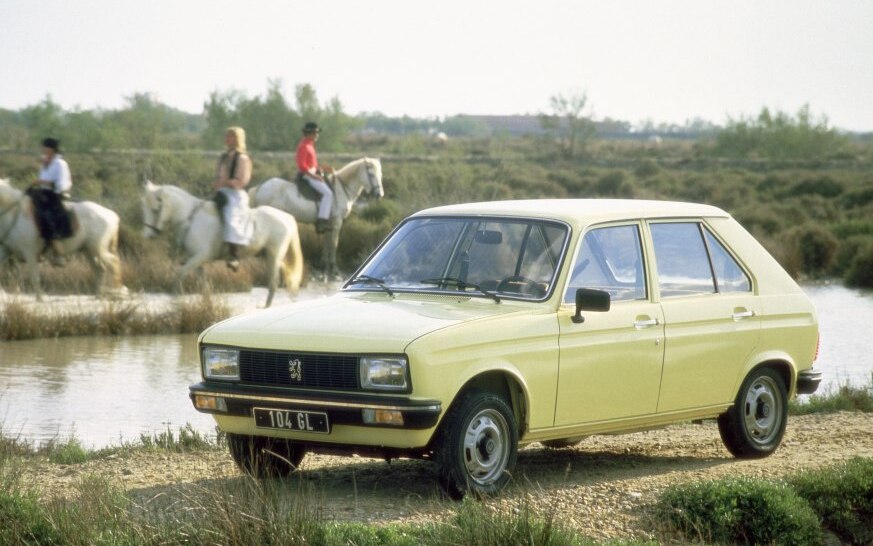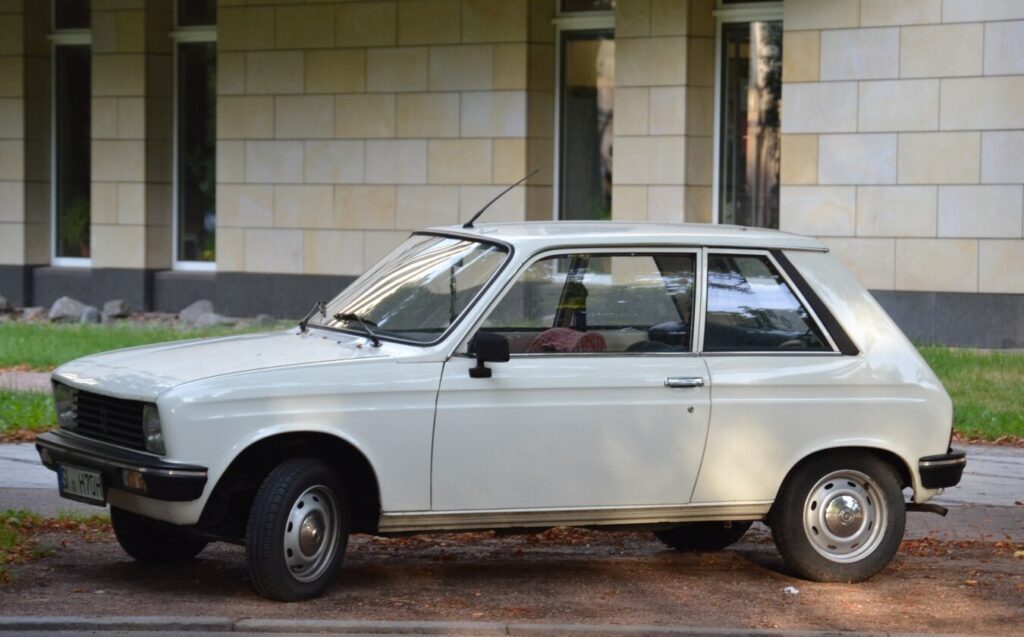
The Peugeot 104 Coupe 1.1, producing 50 horsepower, was a compact coupe manufactured by Peugeot between 1979 and 1988. It represented a stylish and affordable entry into the coupe market, building upon the success of the more utilitarian Peugeot 104 hatchback. This variant, powered by the XW7 engine, occupied the base trim level within the 104 Coupe range, offering a balance of economy and practicality. The 104 Coupe, and this 1.1L variant specifically, was part of Peugeot’s broader effort to offer a diverse range of vehicles to cater to different consumer needs during the late 1970s and 1980s.
Peugeot 104 Coupe 1.1: An Overview
The 104 Coupe was designed to provide a more sporting and aesthetically pleasing alternative to the standard 104 hatchback. While sharing many mechanical components with its hatchback sibling, the Coupe featured a distinctive fastback profile and a more refined interior. The 1.1-liter engine variant was positioned as the entry-level model, appealing to buyers prioritizing fuel efficiency and affordability over outright performance. It served as a stepping stone to the more powerful 1.6-liter versions available in the lineup.
Powertrain & Engine Architecture
The heart of the Peugeot 104 Coupe 1.1 was the XW7 engine, specifically designated as the 109F variant. This was a 1,124 cc (1.1 L) inline-four cylinder, naturally aspirated gasoline engine. It featured a single overhead camshaft (SOHC) valvetrain operating two valves per cylinder. The engine utilized a Solex carburetor for fuel delivery, a common setup for vehicles of this era. The XW7 engine was known for its simplicity and reliability, though it wasn’t particularly powerful.
The engine’s bore and stroke measured 76.2 mm (3.00 in) and 72 mm (2.83 in) respectively, contributing to its relatively undersquare configuration. Compression ratio was typically around 8.5:1. The engine produced a maximum power output of 50 hp (37 kW) at 6,000 rpm and a peak torque of 66 lb-ft (90 Nm) at 4,000 rpm. The engine was transversely mounted, a layout becoming increasingly common in European compact cars at the time, and drove the front wheels.
The 104 Coupe 1.1 was exclusively offered with a four-speed manual transmission. An automatic transmission was not available for this specific engine configuration. The transmission was a standard manual unit, designed for durability and ease of use rather than sporty performance. The gear ratios were geared towards maximizing fuel economy and providing adequate acceleration for everyday driving.
Driving Characteristics
The driving experience in the Peugeot 104 Coupe 1.1 was characterized by its light weight and nimble handling. With a curb weight of around 1,786 lbs (810 kg), the 50 hp engine provided adequate, though not exhilarating, performance. Acceleration from 0 to 60 mph took approximately 16-18 seconds, and the top speed was around 87 mph (140 km/h). The four-speed manual transmission required frequent shifting to maintain momentum, particularly when tackling hills or overtaking.
Compared to the 1.6-liter versions of the 104 Coupe, the 1.1-liter model felt noticeably slower. The 1.6-liter engine offered a significant power boost, resulting in quicker acceleration and a more relaxed cruising experience. However, the 1.1-liter version excelled in urban driving, where its compact size and light steering made it easy to maneuver in tight spaces. The suspension, while simple, provided a reasonably comfortable ride, absorbing most road imperfections without excessive body roll.
Equipment & Trim Levels
The Peugeot 104 Coupe 1.1 was typically equipped with basic, yet functional, features. Standard equipment included cloth upholstery, a basic instrument panel with speedometer and fuel gauge, and manually operated windows and door locks. The interior was relatively spartan, reflecting the car’s affordable price point. The steering wheel was a simple two-spoke design.
Optional extras included a sunroof, upgraded upholstery, and a radio. Higher trim levels, such as those equipped with the 1.6-liter engine, offered more luxurious features like power windows, central locking, and upgraded interior trim. The 1.1-liter model was often seen as a blank canvas for personalization, with owners frequently adding aftermarket accessories to enhance its appearance and functionality.
Chassis & Braking
The Peugeot 104 Coupe utilized a MacPherson strut front suspension and a trailing arm rear suspension. This setup provided a good balance of ride comfort and handling. The front suspension incorporated torsion bars for spring rate, while the rear suspension relied on coil springs. The steering was a rack and pinion system, offering precise and responsive control.
Braking was accomplished via disc brakes on the front wheels and drum brakes on the rear wheels. This configuration was typical for cars in this price range during the late 1970s and early 1980s. The brakes were adequate for normal driving conditions, but lacked the stopping power of more modern braking systems. A stabilizer bar was fitted to the front suspension to reduce body roll during cornering.
Market Reception & Comparison
The Peugeot 104 Coupe 1.1 was generally well-received by critics as an affordable and stylish coupe. It was praised for its nimble handling, fuel efficiency, and attractive design. However, its lack of power was often cited as a drawback, particularly when compared to its 1.6-liter sibling. Fuel economy was a strong point, averaging around 35-40 mpg (6.7-7.1 L/100km) in mixed driving conditions.
Compared to competitors like the Renault 5 Coupe and the Fiat 127 Coupe, the 104 Coupe 1.1 offered a similar level of performance and economy. However, the Peugeot was often considered to be more refined and better built. Reliability was generally good, although the carburetor required periodic adjustment and maintenance. The 104 Coupe 1.1 proved to be a popular choice among young drivers and those seeking an affordable and stylish coupe.
Technical Specifications
| Engine Code | 109F XW7 |
| Engine Type | Inline-Four, Naturally Aspirated |
| Displacement | 1,124 cc (1.1 L) |
| Bore x Stroke | 76.2 mm x 72 mm (3.00 in x 2.83 in) |
| Compression Ratio | 8.5:1 |
| Maximum Power | 50 hp (37 kW) @ 6,000 rpm |
| Maximum Torque | 66 lb-ft (90 Nm) @ 4,000 rpm |
| Fuel System | Solex Carburetor |
| Transmission | 4-Speed Manual |
| Drivetrain | Front-Wheel Drive |
| Curb Weight | 1,786 lbs (810 kg) |
| Top Speed | 87 mph (140 km/h) |
| 0-60 mph | 16-18 seconds (approx.) |
| Fuel Economy (Combined) | 35-40 mpg (6.7-7.1 L/100km) |
| Engine Oil Capacity | 4.5 l (4.76 US qt | 3.96 UK qt) |
Legacy
The Peugeot 104 Coupe 1.1, while not a performance icon, holds a significant place in automotive history as a stylish and affordable coupe that appealed to a wide range of buyers. The XW7 engine, while simple, proved to be remarkably durable and reliable. Today, well-maintained examples of the 104 Coupe 1.1 are becoming increasingly sought after by classic car enthusiasts.
The powertrain, while dated by modern standards, remains relatively easy to maintain and repair, thanks to its straightforward design. Parts availability can be a challenge, but a dedicated community of Peugeot enthusiasts continues to support the preservation of these classic vehicles. The 104 Coupe 1.1 represents a charming and nostalgic reminder of a bygone era of automotive design and engineering, and continues to offer an enjoyable driving experience for those who appreciate its unique character.