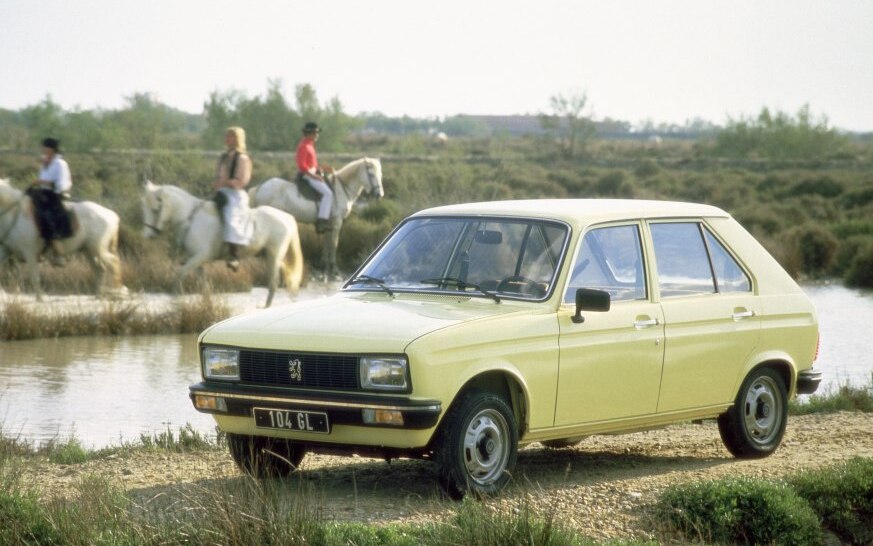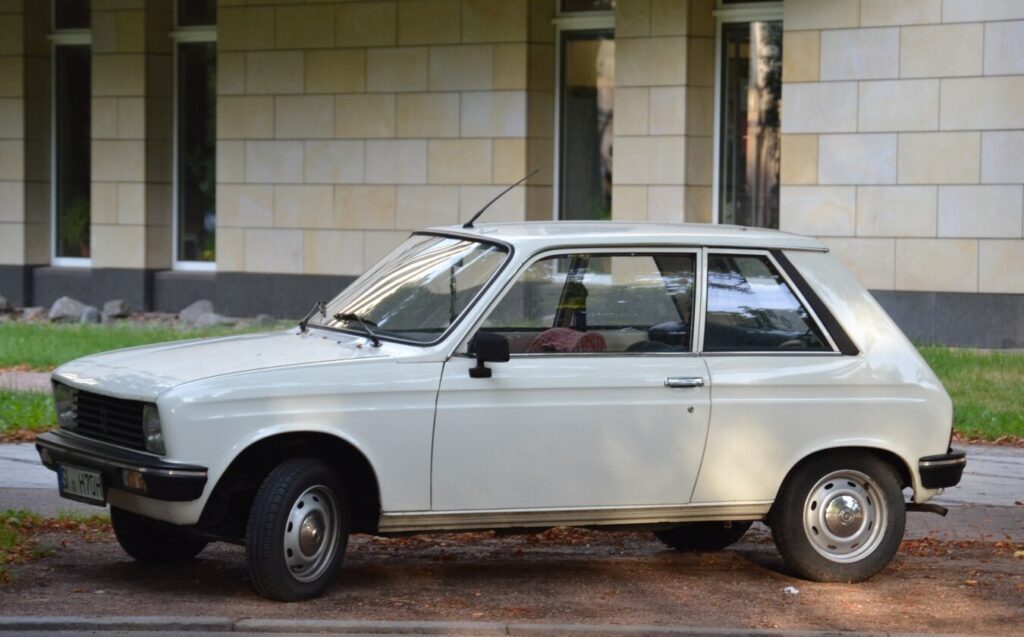
The Peugeot 104 Coupe 1.1, producing 66 horsepower, was a stylish and economical coupe produced between 1973 and 1979. It represented a significant departure for Peugeot, offering a smaller, more accessible coupe option alongside their larger, more traditionally styled vehicles. This variant, powered by the XW3S engine and typically equipped with a four-speed manual transmission (though a semi-automatic option was available), occupied the entry-level position within the 104 Coupe range. It was designed to appeal to buyers seeking a fashionable and affordable personal transportation option, particularly in the burgeoning European coupe market.
Peugeot 104 Coupe 1.1: An Overview
The 104 Coupe was based on the Peugeot 104 saloon (sedan), sharing its basic platform and mechanical components. However, the Coupe featured a distinctive fastback design penned by Pininfarina, giving it a more sporting and contemporary appearance. The 1.1-liter engine variant was the base model, intended to provide a balance between affordability and usability. While not a performance car, it offered sufficient power for everyday driving and was praised for its fuel efficiency. The 104 Coupe, in general, was a popular choice for young drivers and those seeking a small, stylish vehicle for urban commuting.
Positioning within the 104 Range
The 104 Coupe range offered several engine options, including 1.3 and 1.6-liter variants, which provided increased performance. The 1.1-liter model was the most affordable and served as the entry point to the Coupe lineup. It was targeted towards buyers who prioritized economy and style over outright speed. The 1.3 and 1.6-liter models catered to those willing to spend more for a more spirited driving experience. The 1.1L was often seen as a practical choice for city driving, while the larger engines were better suited for longer journeys and highway use.
Powertrain & Engine Architecture
The heart of the Peugeot 104 Coupe 1.1 was the XW3S engine, a 1124cc inline-four cylinder petrol (gasoline) engine. This engine was a relatively simple design, featuring a single overhead camshaft (SOHC) and two valves per cylinder. It was known for its reliability and ease of maintenance. The XW3S engine utilized a Solex carburetor for fuel delivery, a common setup for vehicles of this era. The engine produced 66 horsepower (49 kW) at 6000 rpm and 77 lb-ft (104 Nm) of torque at 4000 rpm.
The engine block was constructed from cast iron, while the cylinder head was made of aluminum alloy. This combination provided a good balance between strength and weight. The XW3S engine featured a relatively high compression ratio of 9.5:1, contributing to its modest power output. The engine was typically paired with a four-speed manual transmission, although a semi-automatic transmission (often referred to as a “column shift” automatic) was also available as an option. The semi-automatic transmission was a three-speed unit and utilized a vacuum-operated clutch and gear selection mechanism. This transmission was popular with drivers who preferred the convenience of an automatic but didn’t want the complexity or cost of a fully automatic gearbox.
Driving Characteristics
The Peugeot 104 Coupe 1.1 offered a comfortable, if not particularly exhilarating, driving experience. With 66 horsepower propelling a relatively lightweight vehicle (around 1,700 lbs), acceleration was adequate for everyday driving, but it wasn’t designed for rapid acceleration or high speeds. The 0-60 mph time was estimated to be around 14-16 seconds. The four-speed manual transmission allowed drivers to make the most of the engine’s power band, while the semi-automatic transmission provided a more relaxed driving experience, albeit with some performance compromises.
The 104 Coupe’s suspension, consisting of independent front suspension with torsion bars and a trailing arm rear suspension, provided a reasonably comfortable ride. Handling was generally good, although the car was prone to understeer when pushed hard. Compared to the 1.3 and 1.6-liter versions, the 1.1-liter model felt noticeably slower, particularly when climbing hills or overtaking. However, its lighter weight and lower engine stress contributed to improved fuel economy. The gear ratios in the manual transmission were well-suited to the engine’s characteristics, providing reasonable acceleration in each gear.
Equipment & Trim Levels
The Peugeot 104 Coupe 1.1 was typically equipped with basic but functional features. Standard equipment included cloth upholstery, a basic instrument panel with speedometer and fuel gauge, and front bucket seats. The interior was relatively spartan but well-designed, with a focus on practicality and usability. Optional extras included a radio, heated rear window, and upgraded upholstery. The dashboard layout was simple and straightforward, with all essential controls within easy reach of the driver. The steering wheel was a two-spoke design, and the door panels featured basic trim and armrests.
Trim levels were relatively limited for the 1.1-liter model. Typically, buyers could choose from a range of exterior colors, and some minor cosmetic upgrades were available. The semi-automatic transmission option often came with slightly different interior trim details. The overall emphasis was on providing a stylish and affordable coupe without unnecessary frills.
Chassis & Braking
The Peugeot 104 Coupe 1.1 utilized a monocoque chassis construction, providing a good balance between strength and weight. The front suspension featured independent torsion bar springs, while the rear suspension employed trailing arms with coil springs. This setup provided a comfortable ride and reasonable handling characteristics. The braking system consisted of disc brakes on the front wheels and drum brakes on the rear wheels. The brakes were adequate for normal driving conditions, but they lacked the stopping power of more modern braking systems.
The steering was a rack and pinion system, providing precise and responsive steering feel. The 104 Coupe 1.1 typically rode on 155/80 SR13 tires, which provided a good compromise between grip and ride comfort. A stabilizer bar was fitted to the front suspension to reduce body roll during cornering.
Market Reception & Comparison
The Peugeot 104 Coupe 1.1 was generally well-received by critics and buyers alike. It was praised for its stylish design, fuel efficiency, and affordability. However, some critics noted its lack of performance and its relatively basic interior. Compared to other coupes in its class, such as the Renault 8 Coupe and the Fiat 128 Coupe, the 104 Coupe offered a more sophisticated design and a more comfortable ride. Fuel economy was a strong point, with the 1.1-liter engine achieving around 35-40 mpg in typical driving conditions. Reliability was generally good, although the carburetor required periodic adjustment and maintenance.
The 1.3 and 1.6-liter versions of the 104 Coupe offered significantly improved performance, but they also came with a higher price tag. The 1.1-liter model remained a popular choice for buyers who prioritized economy and style over outright speed.
Technical Specifications
| Engine Type | Inline-Four Cylinder, Petrol (Gasoline) |
| Engine Code | XW3S |
| Displacement | 1124 cc (68.6 cu in) |
| Power Output | 66 hp (49 kW) @ 6000 rpm |
| Torque | 77 lb-ft (104 Nm) @ 4000 rpm |
| Compression Ratio | 9.5:1 |
| Fuel System | Solex Carburetor |
| Transmission | 4-Speed Manual or 3-Speed Semi-Automatic |
| Brakes (Front/Rear) | Disc / Drum |
| Suspension (Front/Rear) | Independent Torsion Bar / Trailing Arms with Coil Springs |
| Weight | Approx. 1700 lbs (771 kg) |
| Top Speed | Approx. 90 mph (145 km/h) |
| 0-60 mph | 14-16 seconds (estimated) |
Legacy
The Peugeot 104 Coupe 1.1 remains a popular classic car today, particularly among enthusiasts who appreciate its stylish design and affordability. The XW3S engine is known for its reliability, although regular maintenance is essential to keep it running smoothly. Parts availability can be a challenge, but many components are still available from specialist suppliers. The 104 Coupe 1.1 is a relatively affordable classic car to own and maintain, making it an attractive option for those looking to enter the classic car market. Its enduring appeal lies in its combination of style, practicality, and affordability, making it a beloved vehicle for a generation of drivers.