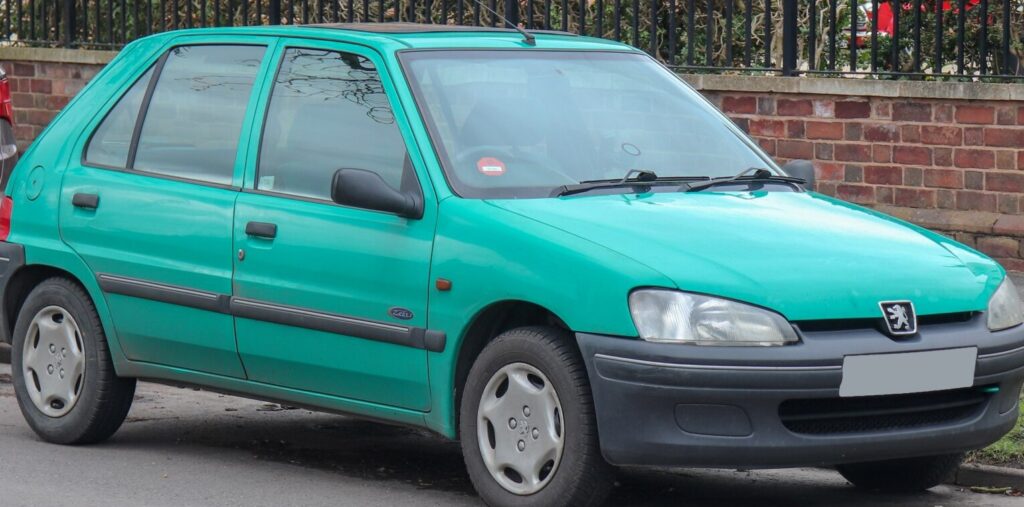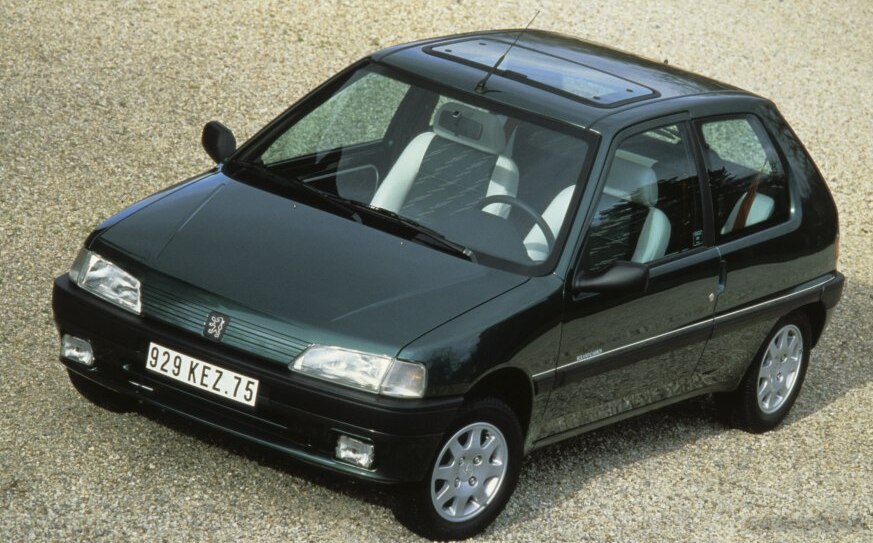
The Peugeot 106 I (1A/C) 1.4, producing 94 horsepower, was a mainstay of the Peugeot lineup from 1991 to 1996. This variant occupied a mid-range position within the 106 series, offering a balance between affordability, practicality, and performance. The 106, built on Peugeot’s small car platform, aimed to provide a modern and efficient supermini for the European market. The 1.4-liter engine, designated KFZ TU3J2/Z, became a popular choice for buyers seeking a reliable and economical city car, though it wasn’t the most powerful option available in the 106 range.
Peugeot 106 I (1A/C) 1.4: A Detailed Overview
The Peugeot 106, launched in 1991, was designed as a replacement for the aging Peugeot 205. The 106 I (1A/C) represents the first generation of this model, characterized by its distinctive hatchback body style and focus on compact dimensions. The 1.4-liter engine variant was introduced relatively early in the 106’s production run and remained a consistent offering throughout the first generation. It was positioned above the base 1.1-liter models and below the more performance-oriented 1.6-liter and Rallye variants. The 106 aimed to appeal to a broad demographic, including young drivers, city commuters, and those seeking a small, economical second car.
Powertrain & Engine Architecture
The heart of the 106 1.4 is the KFZ TU3J2/Z engine, a naturally aspirated, inline-four cylinder gasoline engine. This engine is part of Peugeot’s TU series, known for its simplicity and durability. The 1.4-liter displacement (1360 cc) is achieved with a bore of 75mm and a stroke of 82mm. The engine utilizes a single overhead camshaft (SOHC) valvetrain with two valves per cylinder (eight valves total). Fuel delivery is managed by a Bosch Mono-Motronic fuel injection system, a single-point injection system that was common in European cars of this era. While not as sophisticated as multi-point injection, Mono-Motronic provided adequate fuel atomization and control for the engine’s output.
The 1.4-liter engine produces 94 horsepower (70 kW) at 6000 rpm and 118 Nm (87 lb-ft) of torque at 3200 rpm. This power output, while modest by modern standards, was sufficient for the lightweight 106. The engine is typically paired with a four-speed automatic transmission, though a five-speed manual transmission was also available. The automatic transmission, while offering convenience, does impact performance slightly due to its inherent inefficiencies and gear spacing. The transmission is a conventional hydraulic automatic, lacking the electronic controls found in later designs. The engine block is constructed from cast iron, contributing to its robustness, while the cylinder head is made of aluminum alloy to reduce weight.
Driving Characteristics
The driving experience in a 106 1.4 automatic is best described as comfortable and undemanding. Acceleration is adequate for city driving and short highway trips, but it’s not particularly brisk. The 0-60 mph time is estimated to be around 13-14 seconds. The automatic transmission shifts smoothly, but can feel somewhat sluggish, especially when attempting to accelerate quickly. The gear ratios are optimized for fuel economy rather than performance. The engine is relatively quiet and refined for its size, although it can become noisy under heavy load. The 106’s light weight and nimble handling make it enjoyable to drive on winding roads, but the automatic transmission limits the driver’s control over gear selection. Compared to the manual transmission version, the automatic suffers a slight performance penalty and reduced fuel economy. The 1.6-liter models offer significantly more power and a more engaging driving experience, while the 1.1-liter models prioritize fuel efficiency over performance.
Equipment & Trim Levels
The 106 1.4 was typically offered in several trim levels, including LX, GL, and XSI. The base LX trim included basic features such as central locking, power steering, and a basic stereo. The GL trim added features like electric windows, upgraded upholstery, and a more comprehensive stereo system. The XSI trim, positioned as the sportier variant, included alloy wheels, a sunroof, and a more aggressive body kit. Interior upholstery was typically cloth, with options for different colors and patterns. The dashboard layout was simple and functional, with clearly labeled controls. Optional extras included air conditioning, a rear wash/wipe, and upgraded sound systems. Safety features were relatively basic for the early 1990s, typically including a driver’s airbag and seatbelts.
Chassis & Braking
The Peugeot 106 I (1A/C) utilizes a MacPherson strut front suspension and a torsion beam rear suspension. This setup provides a good balance between ride comfort and handling. The torsion beam rear suspension is a cost-effective solution that minimizes complexity and weight. The steering is rack and pinion, providing precise and responsive handling. The braking system consists of disc brakes on the front wheels and drum brakes on the rear wheels. The brakes are adequate for the car’s weight and performance, but they lack the stopping power of more modern braking systems. Stabilizer bars are fitted to both the front and rear axles to reduce body roll during cornering. The 106’s relatively lightweight construction contributes to its nimble handling characteristics.
Market Reception & Comparison
The Peugeot 106 1.4 was generally well-received by automotive critics. It was praised for its affordability, practicality, and fuel efficiency. However, some critics noted that the engine lacked power, especially when paired with the automatic transmission. Compared to its rivals, such as the Renault Clio and the Citroën Saxo, the 106 offered a competitive package. The 1.4-liter engine provided a good balance between performance and economy, making it a popular choice for buyers seeking a versatile city car. Fuel economy figures typically ranged from 45-55 mpg, depending on driving conditions. Reliability was generally good, although the Mono-Motronic fuel injection system could be prone to occasional issues. The 1.6-liter models were often preferred by drivers seeking more performance, while the 1.1-liter models appealed to those prioritizing fuel economy.
Technical Specifications
| Engine Code | KFZ TU3J2/Z |
| Engine Type | Inline-4, Naturally Aspirated |
| Displacement | 1360 cc (1.4 L) |
| Bore x Stroke | 75 mm x 82 mm |
| Compression Ratio | 9.7:1 |
| Maximum Power | 94 hp (70 kW) @ 6000 rpm |
| Maximum Torque | 118 Nm (87 lb-ft) @ 3200 rpm |
| Fuel System | Bosch Mono-Motronic (Single-Point Injection) |
| Valvetrain | SOHC, 2 Valves per Cylinder |
| Transmission | 4-Speed Automatic (Optional 5-Speed Manual) |
| Drivetrain | Front-Wheel Drive |
| Curb Weight | 880-920 kg (1937-2028 lbs) |
| Fuel Capacity | 40 Liters (10.6 US Gallons) |
Legacy
The Peugeot 106 1.4, while no longer in production, remains a popular choice among classic car enthusiasts and budget-conscious buyers. The KFZ TU3J2/Z engine is known for its reliability and relatively low maintenance costs. Parts availability is generally good, although some components may be becoming increasingly difficult to find. The 106’s simple construction makes it relatively easy to repair and maintain. In the used car market, the 106 1.4 is typically priced affordably, making it an attractive option for first-time car owners or those seeking a cheap and cheerful city car. While not a performance icon, the 106 1.4 represents a well-engineered and practical supermini that provided reliable transportation for many drivers throughout the 1990s.