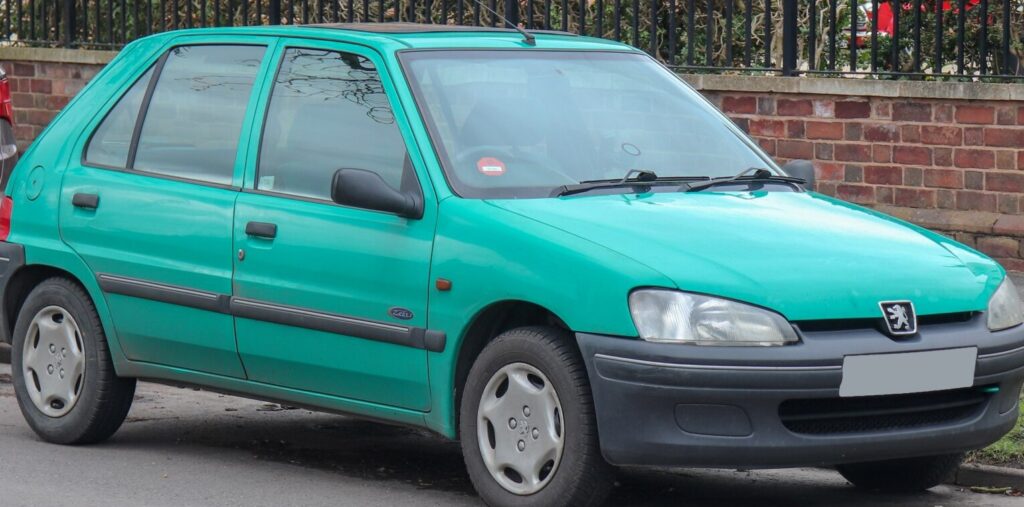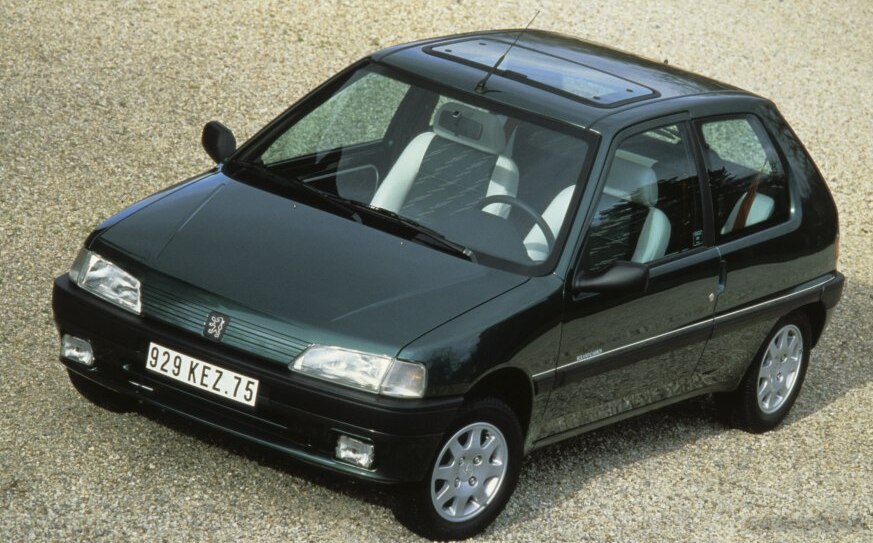
The Peugeot 106 I (1A/C) 1.6, produced between 1993 and 1996, represented a significant step up in performance and refinement within the 106 range. Positioned as a mid-range offering, it bridged the gap between the entry-level 1.1 and 1.4 liter models and the sportier, more expensive 1.6 Rallye and later, the 1.6 XSi. Built on the Peugeot 106 platform (1A/C), which shared components with the Citroën Saxo, the 1.6 model aimed to provide a balance of practicality, economy, and enjoyable driving dynamics for the European market.
Peugeot 106 I (1A/C) 1.6: An Overview
The 106 was Peugeot’s entry into the supermini segment, designed to compete with vehicles like the Renault Clio, Fiat Punto, and Volkswagen Polo. The 1.6-liter variant was introduced to offer buyers a more powerful and capable option without the higher price tag of the performance-focused models. It quickly became a popular choice for those seeking a small, reliable, and relatively affordable hatchback.
Powertrain & Engine Architecture
At the heart of the 106 1.6 was the NFZ (TU5JP) engine, a 1.6-liter inline four-cylinder gasoline engine. This engine was a mainstay in many Peugeot and Citroën vehicles of the era. It featured a single overhead camshaft (OHC) valvetrain with two valves per cylinder. The engine utilized a multi-port fuel injection system, contributing to improved fuel efficiency and smoother power delivery compared to earlier carbureted engines. The engine’s displacement was 1587 cm³ (96.84 cubic inches), and it boasted a compression ratio of 10:1. The NFZ engine was known for its robustness and relatively simple design, making it easier to maintain.
While a five-speed manual transmission was the most common pairing for the 1.6 engine, an optional four-speed automatic transmission was available, though less frequently chosen. This automatic transmission, while offering convenience, did impact acceleration and fuel economy compared to the manual version. The engine produced 89 horsepower (hp) at 5600 rpm and 135 Newton-meters (99.57 lb-ft) of torque at 3000 rpm. The engine was transversely mounted in the front of the vehicle, driving the front wheels.
Driving Characteristics
The 106 1.6 offered a noticeable improvement in performance over the lower-displacement models. The 89 hp output provided brisk acceleration, with a 0-62 mph (0-100 km/h) time of around 10.4 seconds. While not a sports car, the 1.6 felt lively and responsive in everyday driving situations. The five-speed manual transmission allowed drivers to keep the engine in its optimal power band, while the four-speed automatic, though less engaging, provided smooth and effortless cruising. The gear ratios in the manual transmission were well-spaced, contributing to good in-gear acceleration. The automatic transmission, however, could feel somewhat sluggish, particularly when attempting quick overtaking maneuvers. The power-to-weight ratio of 9.8 kg/hp gave the 106 1.6 a respectable feel for its class.
Equipment & Trim Levels
The 106 1.6 typically came equipped with a reasonable level of standard features for its time. These included power steering, central locking, and a basic stereo system. Interior upholstery was typically cloth, with a relatively simple dashboard layout. Optional extras included electric windows, a sunroof, and upgraded audio systems. Higher trim levels, often denoted by suffixes like ‘Style’ or ‘GL’, added features such as alloy wheels, upgraded interior trim, and more sophisticated audio systems. The 1.6 model often served as a base for these higher trim levels, allowing buyers to customize their vehicle with a range of options. Air conditioning was a relatively rare option, even on higher-spec models.
Chassis & Braking
The 106 1.6 utilized a relatively simple chassis design. The front suspension consisted of wishbones, while the rear suspension employed a trailing arm setup. This configuration provided a comfortable ride, although it wasn’t particularly sporty. The 1.6 models generally featured ventilated disc brakes on the front wheels and drum brakes on the rear. Anti-lock Braking System (ABS) was available as an option, enhancing braking performance and safety. The steering was a rack and pinion system with hydraulic power assistance, providing light and precise steering feel. Tire size was typically 165/65 R13, offering a good balance of grip and ride comfort. The kerb weight of approximately 870 kg (1918 lbs) contributed to the car’s nimble handling.
Market Reception & Comparison
The Peugeot 106 1.6 was generally well-received by automotive critics. It was praised for its lively performance, comfortable ride, and relatively low running costs. Compared to the lower-displacement 1.1 and 1.4 liter models, the 1.6 offered a significant improvement in driving enjoyment. However, it wasn’t as focused on performance as the 1.6 Rallye or XSi models. Fuel economy was respectable, averaging around 6.8 l/100 km (34.6 US mpg). Reliability was generally good, although, like all cars of this era, regular maintenance was essential. Compared to rivals like the Renault Clio 1.6 and Fiat Punto 1.6, the 106 1.6 offered a competitive package in terms of performance, price, and features.
Technical Specifications
| Brand | Peugeot |
| Model | 106 |
| Generation | 106 I (1A/C) |
| Type (Engine) | 1.6 (89 Hp) |
| Start of production | 1993 |
| End of production | 1996 |
| Fuel consumption (combined) | 6.8 l/100 km |
| Fuel Type | Petrol (Gasoline) |
| Acceleration 0 – 100 km/h | 10.4 sec |
| Acceleration 0 – 62 mph | 10.4 sec |
| Acceleration 0 – 60 mph | 9.9 sec |
| Maximum speed | 180 km/h (111.85 mph) |
| Power | 89 Hp @ 5600 rpm |
| Torque | 135 Nm @ 3000 rpm (99.57 lb.-ft. @ 3000 rpm) |
| Engine layout | Front, Transverse |
| Engine Model/Code | NFZ TU5JP |
| Engine displacement | 1587 cm3 (96.84 cu. in.) |
| Number of cylinders | 4 |
| Engine configuration | Inline |
| Cylinder Bore | 78.5 mm (3.09 in.) |
| Piston Stroke | 82 mm (3.23 in.) |
| Compression ratio | 10:1 |
| Number of valves per cylinder | 2 |
| Fuel injection system | Multi-port manifold injection |
| Engine oil capacity | 3.2 l (3.38 US qt | 2.82 UK qt) |
| Coolant capacity | 6 l (6.34 US qt | 5.28 UK qt) |
| Kerb Weight | 870 kg (1918.02 lbs.) |
| Max. weight | 1310 kg (2888.06 lbs.) |
| Max load | 440 kg (970.03 lbs.) |
| Trunk (boot) space – minimum | 215 l (7.59 cu. ft.) |
| Trunk (boot) space – maximum | 564 l (19.92 cu. ft.) |
| Fuel tank capacity | 45 l (11.89 US gal | 9.9 UK gal) |
| Length | 3564 mm (140.31 in.) |
| Width | 1607 mm (63.27 in.) |
| Height | 1360 mm (53.54 in.) |
| Wheelbase | 2385 mm (93.9 in.) |
| Number of gears | 5 (manual) / 4 (automatic) |
| Gearbox type | Manual / Automatic |
Legacy
The Peugeot 106 1.6 has proven to be a relatively reliable and durable vehicle. The NFZ engine is known for its longevity, and many examples are still on the road today. However, as with any older car, rust can be a significant issue, particularly in regions with harsh winters. The 106 1.6 has gained a following among classic car enthusiasts and is often sought after as an affordable and enjoyable classic. Parts availability is generally good, although some specific trim pieces may be difficult to find. The 1.6 automatic, while less desirable to driving enthusiasts, remains a practical and economical option for those seeking a small, reliable hatchback.