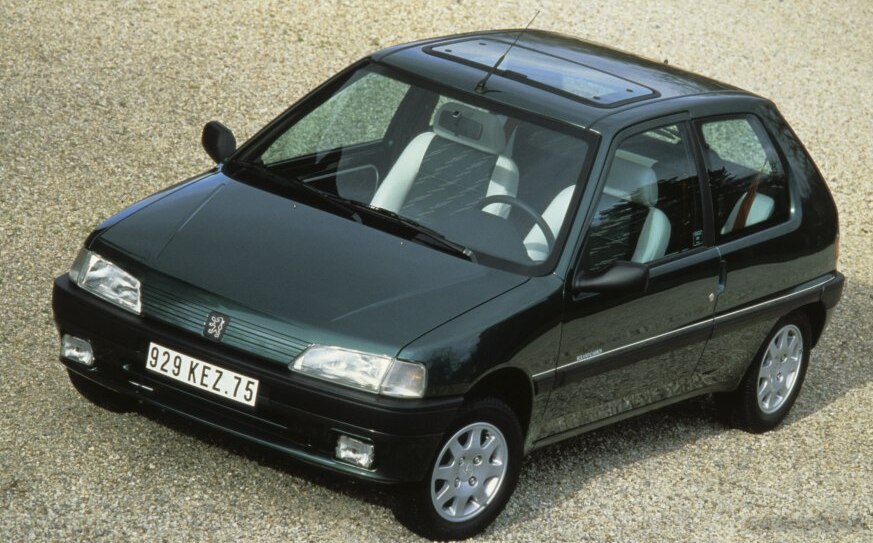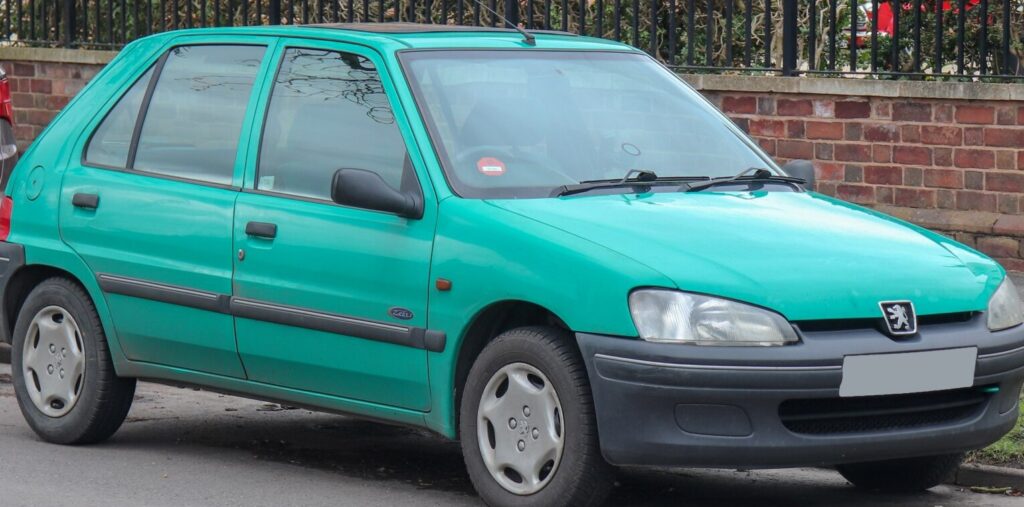
The Peugeot 106 II 1.0 i, producing 50 horsepower, was a mainstay of the Peugeot lineup from 1997 to 2000. This variant represented the entry point into the 106 range, a supermini known for its affordability and practicality. Built on the 1HX platform, the 106 II offered a significant update over the original 106, with revised styling, improved safety features, and updated engine options. The 1.0 i model specifically targeted budget-conscious buyers, offering a low cost of entry and reasonable fuel economy. It was primarily available as a three or five-door hatchback.
Peugeot 106 II 1.0 i: Powertrain & Engine Architecture
The heart of the 106 II 1.0 i was the CDZ (and sometimes TU9M) engine, a 954cc inline-four cylinder petrol engine. This engine was a naturally aspirated unit, utilizing a single-point fuel injection system. While relatively simple in design, it proved to be durable and reliable. The engine produced a maximum power output of 50 hp at 6000 rpm and 54.58 lb-ft of torque at 3700 rpm. The compression ratio was set at 9.4:1, and the engine featured two valves per cylinder. Engine oil capacity was 3.2 liters, and coolant capacity was 6 liters.
The 106 II 1.0 i was almost exclusively paired with a five-speed manual transmission. This transmission was chosen to maximize fuel efficiency and provide adequate performance for the engine’s output. The gearbox was a standard, non-synchronized setup, known for its light and precise shift action. The front wheels were driven via a standard front-wheel-drive configuration.
Engine Code Specifics
The CDZ engine code designates a specific iteration of the TU9M engine family. These engines were known for their simplicity and ease of maintenance. The single-point fuel injection system, while less efficient than multi-point injection, contributed to the engine’s reliability and lower production cost. The engine’s transverse mounting within the front engine bay helped optimize space utilization within the compact 106 chassis.
Driving Characteristics
The 106 II 1.0 i offered modest performance. Acceleration from 0 to 60 mph took approximately 18.4 seconds, and 0-100 km/h was achieved in 19.4 seconds. The top speed was around 93.21 mph (150 km/h). The engine’s limited torque meant that spirited driving required frequent gear changes to stay within the power band. However, for everyday commuting and urban driving, the 1.0 i proved perfectly adequate. The light weight of the vehicle (795 kg / 1752.67 lbs) helped to mitigate the effects of the low power output.
The five-speed manual transmission was well-matched to the engine’s characteristics. The gear ratios were relatively short, allowing the engine to rev freely and maintain momentum. While not a sporty vehicle, the 106 II 1.0 i offered a surprisingly nimble driving experience due to its small size and responsive steering.
Equipment & Trim Levels
The 1.0 i trim level was the base model in the 106 II range. As such, it came equipped with a relatively basic set of features. Standard equipment typically included power steering, central locking, and a basic stereo system. Interior upholstery was typically cloth, and the dashboard featured a simple, functional design. Safety features included driver and passenger airbags, although ABS was not standard on all models.
Optional extras included electric windows, air conditioning, and upgraded stereo systems. Higher trim levels, such as the XSi and Rallye, offered more luxurious features and more powerful engines, but at a higher price point. The 1.0 i was often chosen by first-time car buyers or those seeking an economical and reliable vehicle for city driving.
Chassis & Braking
The 106 II utilized a coil spring suspension system at the front and a torsion beam suspension at the rear. This setup provided a comfortable ride quality, although it was not particularly sporty. The front brakes were disc brakes, while the rear brakes were drum brakes. This configuration was typical for vehicles in this weight class and price range. ABS (Anti-lock Braking System) was available as an option, enhancing braking performance and safety.
The steering system was a rack and pinion setup, providing precise and responsive steering. The 106 II’s relatively small size and light weight contributed to its nimble handling characteristics. Tire size was typically 145/70 R13, mounted on 13-inch steel wheels.
Market Reception & Comparison
The Peugeot 106 II 1.0 i was generally well-received by critics as an affordable and practical supermini. It was praised for its fuel economy, reliability, and ease of driving. However, its limited performance was often cited as a drawback. Compared to other 106 II variants, such as the 1.4 and 1.6 models, the 1.0 i offered significantly less power and performance. However, it also offered lower running costs and a lower purchase price.
Fuel economy figures were impressive, with combined fuel consumption averaging around 36.2 US mpg (43.5 UK mpg or 6.5 l/100 km). This made the 106 II 1.0 i an attractive option for budget-conscious buyers. In terms of reliability, the 1.0 i engine proved to be durable and relatively trouble-free, although regular maintenance was essential.
Technical Specifications
| Brand | Peugeot |
| Model | 106 II |
| Type (Engine) | 1.0 i (50 Hp) |
| Start of production | 1997 |
| End of production | 2000 |
| Body type | Hatchback |
| Seats | 5 |
| Doors | 3-5 |
| Fuel consumption (urban) | 8.3 l/100 km (28.3 US mpg) |
| Fuel consumption (extra urban) | 5.1 l/100 km (46.1 US mpg) |
| Fuel consumption (combined) | 6.5 l/100 km (36.2 US mpg) |
| Fuel Type | Petrol (Gasoline) |
| Acceleration 0 – 100 km/h | 19.4 sec |
| Acceleration 0 – 62 mph | 19.4 sec |
| Acceleration 0 – 60 mph | 18.4 sec |
| Maximum speed | 150 km/h (93.21 mph) |
| Power | 50 Hp @ 6000 rpm |
| Torque | 74 Nm @ 3700 rpm (54.58 lb.-ft. @ 3700 rpm) |
| Engine layout | Front, Transverse |
| Engine Model/Code | CDZ TU9M |
| Engine displacement | 954 cm3 (58.22 cu. in.) |
| Number of cylinders | 4 |
| Cylinder Bore | 70 mm (2.76 in.) |
| Piston Stroke | 62 mm (2.44 in.) |
| Compression ratio | 9.4:1 |
| Kerb Weight | 795 kg (1752.67 lbs.) |
| Max. weight | 1215 kg (2678.62 lbs.) |
| Trunk (boot) space – minimum | 215 l (7.59 cu. ft.) |
| Trunk (boot) space – maximum | 953 l (33.65 cu. ft.) |
| Fuel tank capacity | 45 l (11.89 US gal) |
| Length | 3678 mm (144.8 in.) |
| Width | 1594 mm (62.76 in.) |
| Height | 1376 mm (54.17 in.) |
| Wheelbase | 2385 mm (93.9 in.) |
| Number of gears | 5 |
| Gearbox type | Manual transmission |
Legacy
The Peugeot 106 II 1.0 i remains a popular choice among classic car enthusiasts and budget-conscious buyers. Its simple design and robust engine make it relatively easy to maintain and repair. While parts availability may be becoming more challenging, many components are still readily available. The 1.0 i engine, while not particularly powerful, is known for its reliability and longevity. Today, well-maintained examples of the 106 II 1.0 i can be found for relatively low prices, making them an attractive option for those seeking an affordable and practical classic car.
The 106 II, in general, is remembered fondly for its affordability, practicality, and nimble handling. The 1.0 i variant, while the least powerful in the range, played a crucial role in making the 106 accessible to a wider audience. It remains a testament to Peugeot’s ability to produce well-engineered and reliable vehicles at an affordable price point.