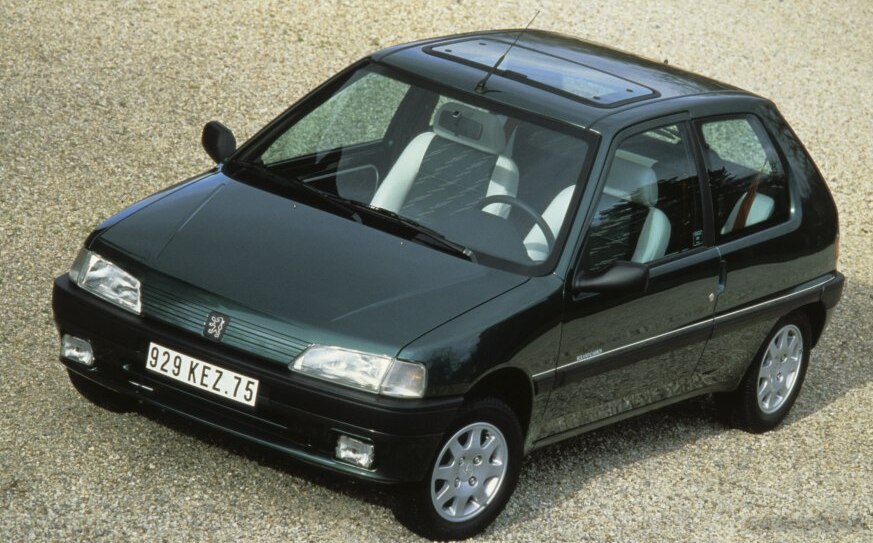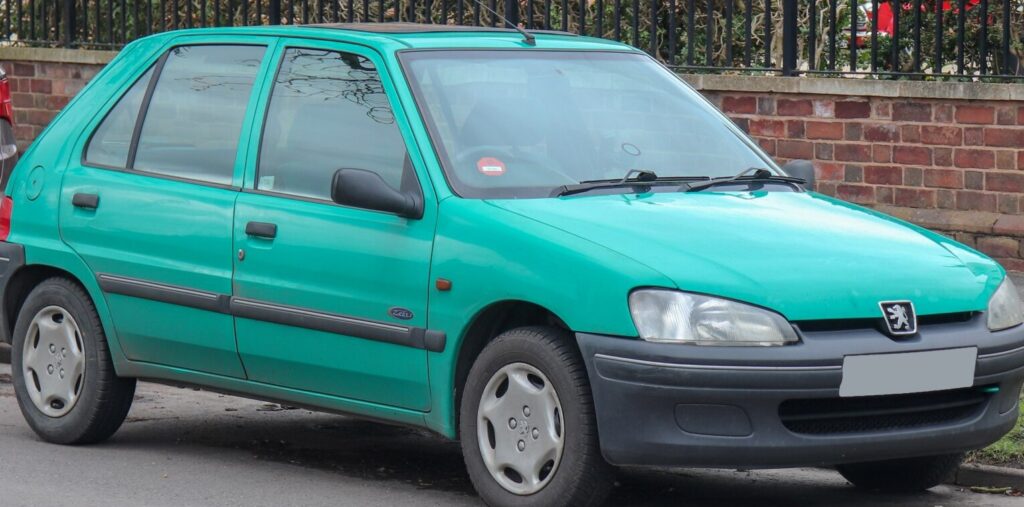
The Peugeot 106 II 1.4i Automatic, produced between May 1996 and October 2000, represented an entry-level offering within the second generation of Peugeot’s popular supermini. Part of the 106 II (1) series, this variant aimed to provide affordable and convenient transportation, particularly appealing to drivers prioritizing ease of use over outright performance. It occupied the lower end of the 106 lineup, positioned below the more sporty and powerful 1.6i and 2.0i S16 models, and also differed significantly from the diesel-powered options like the 1.5D. The 106 II was built on the shared Peugeot/Citroën platform, known internally as the B14, and later as the A3 platform after Peugeot-Citroën’s merger.
Powertrain & Engine Architecture
The 106 II 1.4i Automatic was powered by the Peugeot KFW (and later KFX) TU3JP engine, a 1361cc inline four-cylinder gasoline engine. This engine was a mainstay in many Peugeot and Citroën vehicles of the era. It featured a single overhead camshaft (OHC) valvetrain with two valves per cylinder. The engine utilized a multi-port fuel injection system, providing a balance between fuel efficiency and acceptable performance for its intended market segment. The compression ratio was set at 9.3:1. Engine oil capacity was 3.2 liters, and the recommended coolant capacity was 6 liters.
Crucially, this variant was equipped with a three-speed automatic transmission. This transmission, while offering convenience, was a significant factor in the car’s performance characteristics. It was not an electronically controlled unit, relying on hydraulic control for gear changes. The automatic transmission was chosen to broaden the 106’s appeal to drivers who preferred not to operate a manual gearbox, particularly in urban environments.
Engine Specifications (KFW/KFX TU3JP)
The TU3JP engine in this configuration produced 75 horsepower at 5800 rpm and 111 Newton-meters (81.87 lb-ft) of torque at 3400 rpm. This resulted in a power-to-liter ratio of 55.1 hp/l. The engine’s relatively modest output was typical for a small displacement engine of the time, and it was designed for reliability and fuel economy rather than high performance.
Driving Characteristics
The driving experience in the 106 II 1.4i Automatic was characterized by its smooth, if somewhat leisurely, pace. The three-speed automatic transmission, while convenient, limited acceleration. 0-62 mph (0-100 km/h) took approximately 17 seconds, and a 0-60 mph (0-97 km/h) sprint required around 16.2 seconds. The top speed was around 103 mph (166 km/h). The automatic transmission’s gear ratios were optimized for fuel efficiency and drivability in town, rather than rapid acceleration. Compared to the five-speed manual version of the 1.4i, the automatic suffered a noticeable performance deficit. The manual version offered quicker acceleration and a more engaging driving experience, while the automatic prioritized ease of use. The automatic also felt less responsive when overtaking, requiring more planning and anticipation.
The car’s relatively light weight (815 kg / 1797 lbs) helped to mitigate the effects of the low horsepower output, making it feel reasonably nimble in urban traffic. However, on highways or when fully loaded, the engine could feel strained, particularly when attempting to climb hills.
Equipment & Trim Levels
The 106 II 1.4i Automatic typically came with a basic level of equipment, reflecting its position as an entry-level model. Standard features generally included power steering, central locking, and front disc brakes. Interior upholstery was typically cloth, and the dashboard featured a simple, functional design. Air conditioning was often an optional extra, as were electric windows. Higher trim levels, such as the ‘X’ or ‘Style’ variants, added features like alloy wheels, upgraded interior trim, and a more comprehensive stereo system. The 106 was known for its relatively sparse interior, prioritizing practicality over luxury.
Chassis & Braking
The 106 II utilized a front-wheel-drive layout. The front suspension consisted of wishbones, while the rear suspension employed a trailing arm setup. This suspension configuration provided a reasonable balance between ride comfort and handling. The front brakes were discs, providing adequate stopping power, while the rear brakes were drums, a cost-saving measure common in this class of vehicle. Anti-lock Braking System (ABS) was often an optional extra, depending on the trim level and market. The steering was a rack and pinion system with hydraulic power assistance, making it light and easy to maneuver at low speeds. The standard tire size was 165/70 R13, mounted on 13-inch steel wheels.
Market Reception & Comparison
The Peugeot 106 II 1.4i Automatic was generally well-received as a practical and affordable city car. Critics praised its ease of use, compact size, and relatively low running costs. However, the automatic transmission was often criticized for its sluggish performance and lack of responsiveness. Compared to other superminis of the time, such as the Renault Clio, Volkswagen Polo, and Ford Fiesta, the 106 offered a competitive package, particularly in terms of price. Fuel economy was a strong point, with combined fuel consumption figures around 6.4 l/100 km (36.8 US mpg). Reliability was generally good, although the automatic transmission could be prone to issues if not properly maintained. The 1.6i manual version was often considered a better overall choice for drivers who prioritized performance and driving enjoyment.
Technical Specifications
| Brand | Peugeot |
| Model | 106 II |
| Type | 1.4i Automatic |
| Production Years | 1996-2000 |
| Engine Displacement | 1361 cm3 (83.05 cu. in.) |
| Engine Code | KFW/KFX TU3JP |
| Number of Cylinders | 4, Inline |
| Power | 75 hp @ 5800 rpm |
| Torque | 111 Nm (81.87 lb-ft) @ 3400 rpm |
| Fuel Injection | Multi-port |
| Transmission | 3-speed Automatic |
| Drive | Front-Wheel Drive |
| Kerb Weight | 815 kg (1797 lbs) |
| Maximum Weight | 1315 kg (2899 lbs) |
| Fuel Tank Capacity | 45 liters (11.89 US gal) |
| 0-62 mph | 17 seconds |
| Top Speed | 166 km/h (103 mph) |
| Fuel Consumption (Urban) | 10.5 l/100km (22.4 US mpg) |
| Fuel Consumption (Extra Urban) | 6.4 l/100km (36.8 US mpg) |
Legacy
The Peugeot 106 II 1.4i Automatic, while not the most exciting version of the 106, remains a relatively common sight on used car markets. The TU3JP engine is known for its durability and relatively simple maintenance requirements. However, the automatic transmission can be a potential weak point, and regular servicing is essential to prevent issues. Parts availability is generally good, as the 106 shared many components with other Peugeot and Citroën models. Today, these cars are often sought after as affordable and reliable city runabouts, or as a classic first car. The 106’s simple construction and relatively low running costs make it an appealing option for those seeking a basic, no-frills mode of transportation. While not a performance icon, the 106 II 1.4i Automatic holds a place in automotive history as a practical and accessible supermini that served a generation of drivers.