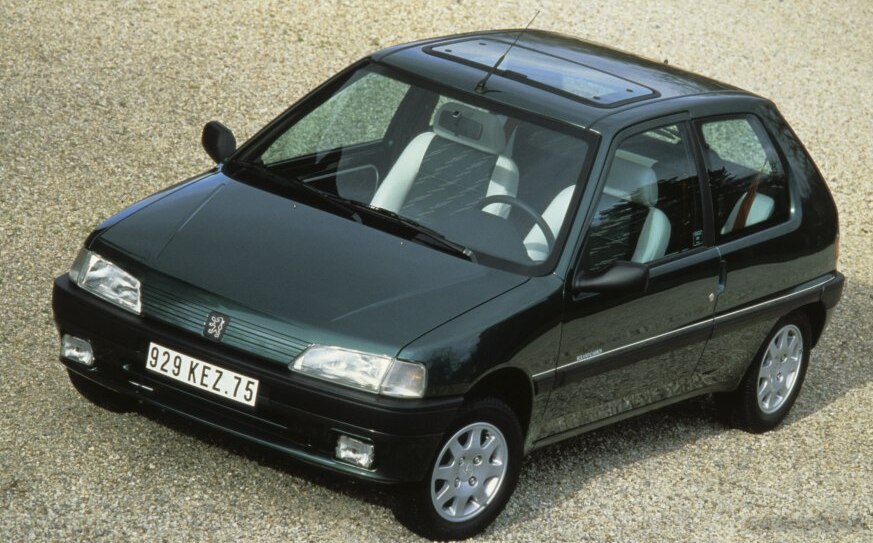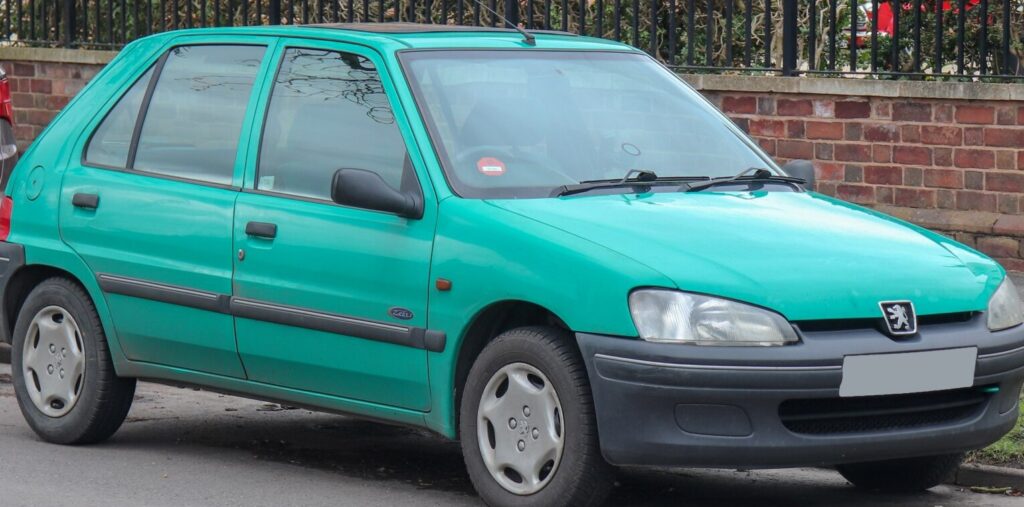
The Peugeot 106 II 1.6i, producing 88 horsepower, was a short-lived but significant variant within the second generation of the Peugeot 106 (1996-1997). Positioned as a mid-range offering, it bridged the gap between the more economical 1.1 and 1.4 liter models and the sportier, more expensive 1.6 Rallye. This model represented a sweet spot for buyers seeking a blend of performance and affordability in a compact hatchback. The 106 II series, built on the shared Peugeot/Citroën X10 platform, aimed to provide a modern and practical city car with a degree of sophistication not typically found in its class.
Peugeot 106 II 1.6i: An Overview
The 106 II, launched in May 1996, brought a substantial refresh to the original 106, with revised styling, improved safety features, and updated engine options. The 1.6i variant, though only available for a limited time until March 1997, quickly gained recognition for its lively performance and relatively low running costs. It was offered in both three-door and five-door body styles, catering to a wider range of customer needs. The 1.6i aimed to appeal to drivers who wanted more than basic transportation but didn’t require the outright performance of the Rallye model.
Powertrain & Engine Architecture
At the heart of the 106 II 1.6i lies the NFZ (TU5JP) engine, a 1.6-liter inline four-cylinder gasoline engine. This engine, a staple in many Peugeot and Citroën vehicles of the era, is characterized by its robust construction and relatively simple design. It features a double overhead camshaft (DOHC) valvetrain operating two valves per cylinder. Fuel delivery is managed by a multi-port fuel injection system, ensuring efficient combustion and smooth power delivery. The engine produces 88 hp at 5600 rpm and 135 Nm (99.57 lb-ft) of torque at 3000 rpm. This configuration provides a noticeable improvement in acceleration compared to the lower-displacement engines in the 106 range.
The 106 II 1.6i was exclusively offered with a five-speed manual transmission. This gearbox was chosen to complement the engine’s power output, providing precise shifts and allowing drivers to fully exploit the available torque. The transmission’s gear ratios were tuned for a balance between acceleration and fuel efficiency. First gear was relatively short for quick starts, while fifth gear was geared for comfortable cruising at highway speeds.
Driving Characteristics
The 1.6i variant of the Peugeot 106 II offered a significantly more engaging driving experience than its smaller-engined siblings. The increased power and torque resulted in a 0-60 mph time of approximately 11.6 seconds and a top speed of 114.95 mph. While not a sports car, the 1.6i felt lively and responsive in everyday driving situations. The five-speed manual transmission allowed for precise control, and the engine was willing to rev, providing a satisfying sound. Compared to the 1.4-liter model, the 1.6i offered noticeably stronger acceleration in all gears, making overtaking and merging onto highways much easier. It lacked the sharper handling and more powerful engine of the Rallye, but provided a more refined and comfortable ride.
Equipment & Trim Levels
The 106 II 1.6i typically came equipped with a reasonable level of standard features for its price point. These included power steering, central locking, and an adjustable steering column. Interior upholstery was typically cloth, with a simple but functional dashboard layout. Options available included electric windows, a sunroof, and upgraded audio systems. The trim level often dictated the color of the interior trim and the availability of certain cosmetic enhancements. While not luxurious, the interior was well-built and offered a comfortable driving environment. The 1.6i often featured slightly upgraded interior trim compared to the base models, with more attractive fabric patterns and detailing.
Chassis & Braking
The 106 II 1.6i utilized a front-wheel-drive layout with a relatively simple suspension setup. The front suspension consisted of wishbones, while the rear employed a trailing arm configuration. This setup provided a good balance between ride comfort and handling. The car’s kerb weight of 895 kg (1973.14 lbs) contributed to its nimble handling characteristics. Braking duties were handled by ventilated discs at the front and drum brakes at the rear. An Anti-lock Braking System (ABS) was often included as standard equipment, enhancing safety and control during emergency braking situations. The steering was a rack and pinion system with hydraulic power assistance, providing light and precise steering feel.
Market Reception & Comparison
The Peugeot 106 II 1.6i was generally well-received by automotive critics. It was praised for its lively performance, good fuel economy (approximately 41.3 US mpg extra urban), and affordable price. However, some critics noted that the interior was somewhat basic and lacked the refinement of some competitors. Compared to other small hatchbacks of the time, such as the Renault Clio and the Volkswagen Polo, the 106 II 1.6i offered a compelling combination of value and driving enjoyment. The 1.6i was considered a more practical and comfortable alternative to the sportier 1.6 Rallye, while still offering a significant performance upgrade over the lower-displacement models. Reliability was generally good, although routine maintenance was essential to ensure long-term durability.
Technical Specifications
| Brand | Peugeot |
| Model | 106 |
| Generation | 106 II (1) |
| Type (Engine) | 1.6 i (88 Hp) |
| Start of production | May, 1996 |
| End of production | March, 1997 |
| Powertrain Architecture | Internal Combustion engine |
| Body type | Hatchback |
| Seats | 5 |
| Doors | 3-5 |
| Fuel consumption (urban) | 9.9 l/100 km (23.8 US mpg) |
| Fuel consumption (extra urban) | 5.7 l/100 km (41.3 US mpg) |
| Fuel Type | Petrol (Gasoline) |
| Acceleration 0 – 100 km/h | 12.2 sec |
| Acceleration 0 – 62 mph | 12.2 sec |
| Acceleration 0 – 60 mph | 11.6 sec |
| Maximum speed | 185 km/h (114.95 mph) |
| Weight-to-power ratio | 10.2 kg/Hp |
| Power | 88 Hp @ 5600 rpm |
| Torque | 135 Nm @ 3000 rpm (99.57 lb.-ft. @ 3000 rpm) |
| Engine layout | Front, Transverse |
| Engine Model/Code | NFZ TU5JP |
| Engine displacement | 1587 cm3 (96.84 cu. in.) |
| Number of cylinders | 4 |
| Engine configuration | Inline |
| Cylinder Bore | 78.5 mm (3.09 in.) |
| Piston Stroke | 82 mm (3.23 in.) |
| Compression ratio | 10.2:1 |
| Number of valves per cylinder | 2 |
| Fuel injection system | Multi-port manifold injection |
| Engine oil capacity | 3.2 l (3.38 US qt | 2.82 UK qt) |
| Coolant capacity | 6 l (6.34 US qt | 5.28 UK qt) |
| Kerb Weight | 895 kg (1973.14 lbs.) |
| Max. weight | 1405 kg (3097.49 lbs.) |
| Trunk (boot) space – minimum | 215 l (7.59 cu. ft.) |
| Trunk (boot) space – maximum | 530 l (18.72 cu. ft.) |
| Fuel tank capacity | 45 l (11.89 US gal | 9.9 UK gal) |
| Length | 3680 mm (144.88 in.) |
| Width | 1590 mm (62.6 in.) |
| Height | 1380 mm (54.33 in.) |
| Wheelbase | 2385 mm (93.9 in.) |
| Tires size | 165/70 R13 |
Legacy
The Peugeot 106 II 1.6i, despite its short production run, remains a fondly remembered model among enthusiasts. The NFZ engine is known for its durability and relatively simple maintenance requirements. Today, well-maintained examples are becoming increasingly sought after by collectors and classic car enthusiasts. While not immune to the usual issues associated with older vehicles, such as rust and wear and tear, the 1.6i powertrain is generally considered reliable. The 106 II 1.6i represents a sweet spot in the 106 lineup, offering a good balance of performance, practicality, and affordability. Its nimble handling and lively engine make it a fun and engaging car to drive, even by modern standards.