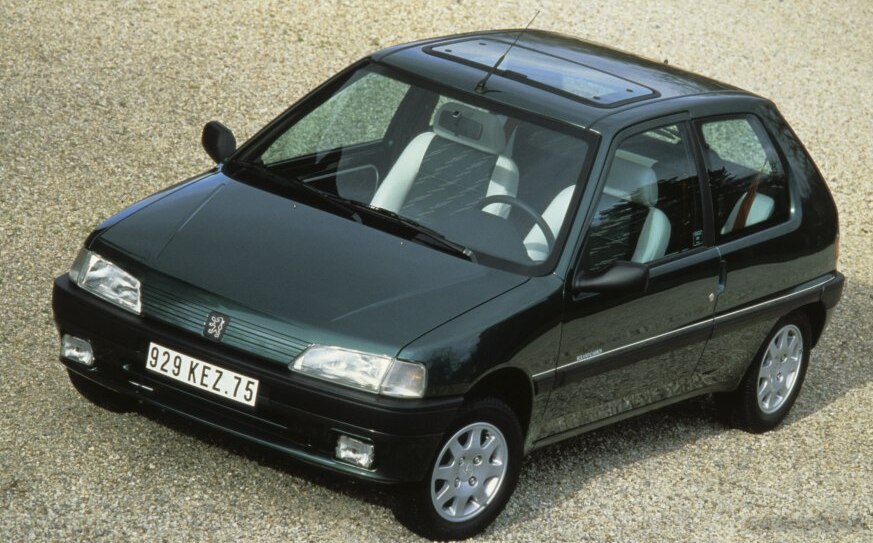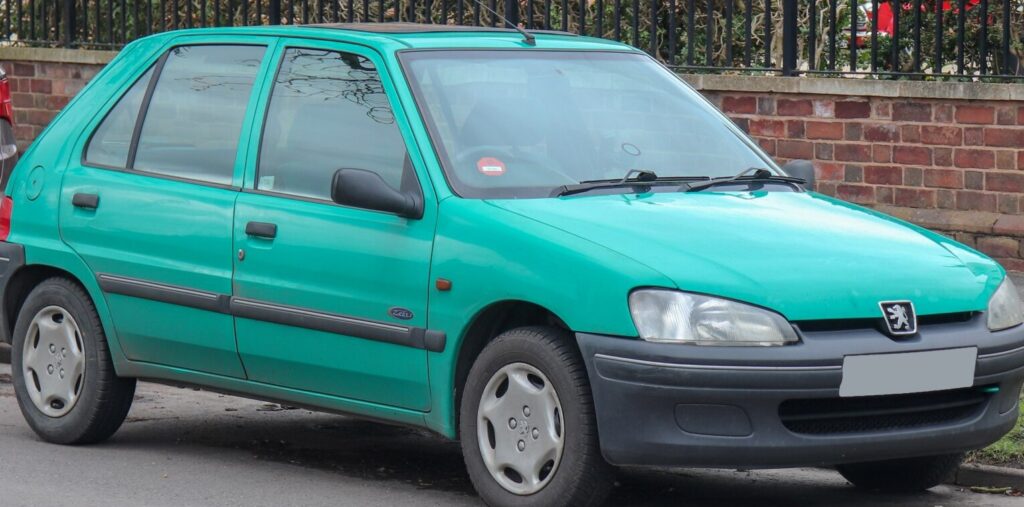
The Peugeot 106 II 1.6 S16, produced from May 1996 to October 2000, represented the performance-oriented pinnacle of the second-generation Peugeot 106 range. Positioned as the flagship model, it offered a significant step up in power and handling compared to the lower-spec 1.1 and 1.4 liter versions. Built on the Peugeot 106 II (1) platform, this sporty hatchback aimed to deliver an engaging driving experience in a compact and affordable package. The 1.6 S16 was a popular choice for enthusiasts seeking a nimble and fun-to-drive city car with surprising performance capabilities.
Powertrain & Engine Architecture
The heart of the 106 II 1.6 S16 is the NFX TU5J4 engine, a 1.6-liter inline four-cylinder gasoline engine. This engine is a naturally aspirated unit, meaning it does not utilize a turbocharger or supercharger. It boasts a displacement of 1587 cm³ (96.84 cubic inches) and features a cylinder bore of 78.5 mm (3.09 inches) and a piston stroke of 82 mm (3.23 inches). The engine operates with a compression ratio of 10.2:1 and utilizes a double overhead camshaft (DOHC) valvetrain with four valves per cylinder. This configuration contributes to its relatively high power output for its size.
Fuel delivery is managed by a multi-port manifold injection system, ensuring precise fuel atomization and efficient combustion. The engine produces a maximum power output of 118 horsepower (hp) at 6600 rpm, and a peak torque of 145 Newton-meters (106.95 lb-ft) at 5200 rpm. The engine’s power-to-liter ratio is a respectable 74.4 hp/liter. The engine oil capacity is 3.2 liters (3.38 US quarts / 2.82 UK quarts), and the cooling system requires 6 liters (6.34 US quarts / 5.28 UK quarts) of coolant.
The 1.6 S16 was exclusively offered with a 5-speed manual transmission. This transmission was chosen to complement the engine’s sporty character and allow drivers to fully exploit its power potential. The gear ratios were tuned for responsive acceleration and engaging driving dynamics.
Engine Code Specifics
The NFX TU5J4 engine code designates a specific variant of the TU5J series, known for its reliability and tunability. This engine was a mainstay in several Peugeot and Citroën models during the 1990s and early 2000s. The S16 designation specifically indicates the high-performance version of this engine, featuring optimized cylinder head porting, a higher compression ratio, and a revised engine management system compared to lower-output versions.
Driving Characteristics
The Peugeot 106 II 1.6 S16 delivers a noticeably more spirited driving experience than its lower-powered siblings. Acceleration from 0 to 100 km/h (0 to 62 mph) takes approximately 8.7 seconds, while 0 to 60 mph is achieved in around 8.3 seconds. The top speed is rated at 205 km/h (127.38 mph). These figures were impressive for a small hatchback of its era.
The 5-speed manual transmission provides precise gear changes, and the engine’s torque curve allows for strong acceleration in each gear. While not a high-torque engine, the 1.6 S16 feels responsive and eager to rev. The relatively light weight of the 106 (950 kg / 2094.39 lbs) contributes significantly to its nimble handling and quick acceleration. Compared to the 1.1 and 1.4 liter models, the S16 offers a much more engaging and rewarding driving experience, particularly on winding roads.
Equipment & Trim Levels
The 1.6 S16 trim level was the most comprehensively equipped version of the Peugeot 106 II. Standard features typically included power steering, alloy wheels, a sports-tuned suspension, and upgraded interior trim. The interior featured sport seats, often upholstered in a combination of cloth and patterned materials. The dashboard layout was consistent with other 106 II models, but the S16 often featured unique instrument cluster graphics and additional trim accents.
Optional extras available for the 1.6 S16 included air conditioning, electric windows, and a sunroof. Some models also featured a factory-fitted alarm system and upgraded audio systems. The overall interior ambiance was focused on providing a sporty and comfortable environment for the driver and passengers.
Chassis & Braking
The 106 II 1.6 S16 utilizes a front-engine, front-wheel-drive layout. The front suspension employs a wishbone configuration, while the rear suspension utilizes a trailing arm setup. This suspension arrangement provides a good balance between ride comfort and handling performance. The S16 trim level often featured a thicker front stabilizer bar compared to lower-spec models, further enhancing its cornering stability.
Braking duties are handled by ventilated discs on the front wheels and solid discs on the rear wheels. An Anti-lock Braking System (ABS) was standard equipment, providing enhanced braking control in emergency situations. The steering system is a rack and pinion type with hydraulic power assistance, offering precise and responsive steering feel.
Market Reception & Comparison
The Peugeot 106 II 1.6 S16 was generally well-received by automotive critics. It was praised for its lively performance, nimble handling, and affordability. Reviewers noted that it offered a surprisingly engaging driving experience for a small city car. Compared to other small hatchbacks of the era, such as the Renault Clio and the Citroën Saxo, the 106 S16 stood out for its sporty character and responsive engine.
Fuel economy was reasonable for a performance-oriented model, with combined fuel consumption figures around 8.8 km/l (20.6 US mpg / 24.8 UK mpg) in urban driving and 15.9 km/l (37.3 US mpg / 44.8 UK mpg) on the open road. Reliability was generally good, although regular maintenance was essential to ensure optimal performance. The 1.6 S16 offered a compelling alternative to larger and more expensive hot hatches.
Technical Specifications
| Brand | Peugeot |
| Model | 106 |
| Generation | 106 II (1) |
| Type (Engine) | 1.6 S16 (118 Hp) |
| Start of production | May, 1996 |
| End of production | October, 2000 |
| Powertrain Architecture | Internal Combustion engine |
| Body type | Hatchback |
| Seats | 5 |
| Doors | 3 |
| Fuel consumption (urban) | 11.4 l/100 km (20.6 US mpg / 24.8 UK mpg) |
| Fuel consumption (extra urban) | 6.3 l/100 km (37.3 US mpg / 44.8 UK mpg) |
| Fuel Type | Petrol (Gasoline) |
| Acceleration 0 – 100 km/h | 8.7 sec |
| Acceleration 0 – 62 mph | 8.7 sec |
| Acceleration 0 – 60 mph | 8.3 sec |
| Maximum speed | 205 km/h (127.38 mph) |
| Weight-to-power ratio | 8.1 kg/Hp |
| Weight-to-torque ratio | 6.6 kg/Nm |
| Power | 118 Hp @ 6600 rpm |
| Torque | 145 Nm @ 5200 rpm (106.95 lb.-ft. @ 5200 rpm) |
| Engine layout | Front, Transverse |
| Engine Model/Code | NFX TU5J4 |
| Engine displacement | 1587 cm3 (96.84 cu. in.) |
| Number of cylinders | 4 |
| Engine configuration | Inline |
| Cylinder Bore | 78.5 mm (3.09 in.) |
| Piston Stroke | 82 mm (3.23 in.) |
| Compression ratio | 10.2:1 |
| Number of valves per cylinder | 4 |
| Fuel injection system | Multi-port manifold injection |
| Engine aspiration | Naturally aspirated |
| Valvetrain | DOHC |
| Engine oil capacity | 3.2 l (3.38 US qt | 2.82 UK qt) |
| Coolant | 6 l (6.34 US qt | 5.28 UK qt) |
| Kerb Weight | 950 kg (2094.39 lbs.) |
| Max. weight | 1385 kg (3053.4 lbs.) |
| Trunk (boot) space – minimum | 215 l (7.59 cu. ft.) |
| Trunk (boot) space – maximum | 953 l (33.65 cu. ft.) |
| Fuel tank capacity | 45 l (11.89 US gal | 9.9 UK gal) |
| Length | 3678 mm (144.8 in.) |
| Width | 1610 mm (63.39 in.) |
| Height | 1357 mm (53.43 in.) |
| Wheelbase | 2385 mm (93.9 in.) |
| Front track | 1387 mm (54.61 in.) |
| Rear track | 1310 mm (51.57 in.) |
| Drive wheel | Front wheel drive |
| Number of gears | 5 gears, manual transmission |
| Front suspension | Wishbone |
| Rear suspension | Trailing arm |
| Front brakes | Ventilated discs |
| Rear brakes | Disc |
| Assisting systems | ABS (Anti-lock braking system) |
| Steering type | Steering rack and pinion |
| Power steering | Hydraulic |
| Tires size | 185/55R14 |
Legacy
The Peugeot 106 II 1.6 S16 has developed a strong following among enthusiasts. Its combination of affordability, performance, and nimble handling has made it a popular choice for track days, rallying, and general spirited driving. The NFX TU5J4 engine is known for its durability and relatively simple maintenance requirements.
In the used car market, well-maintained examples of the 1.6 S16 command a premium compared to lower-spec 106 models. However, potential buyers should be aware of common issues such as corrosion and wear and tear on suspension components. Overall, the Peugeot 106 II 1.6 S16 remains a highly regarded and enjoyable small hatchback, offering a unique blend of practicality and performance.