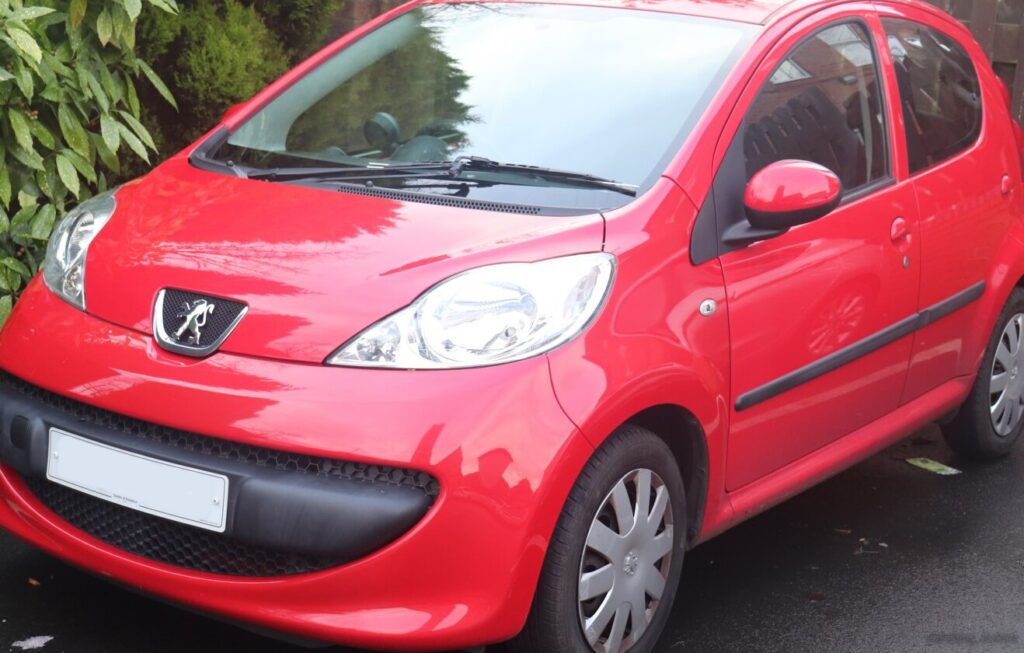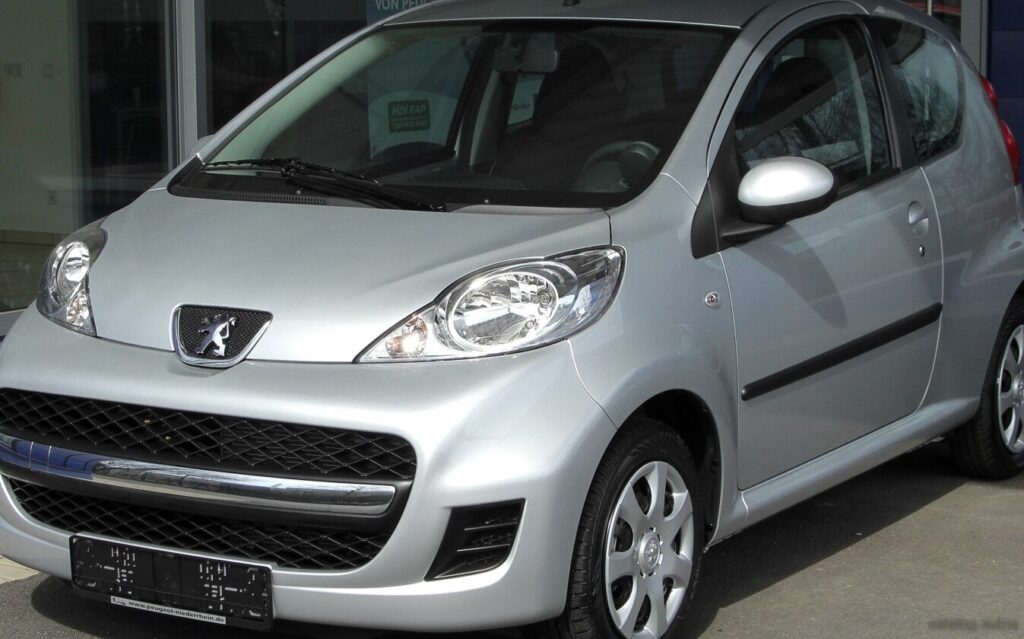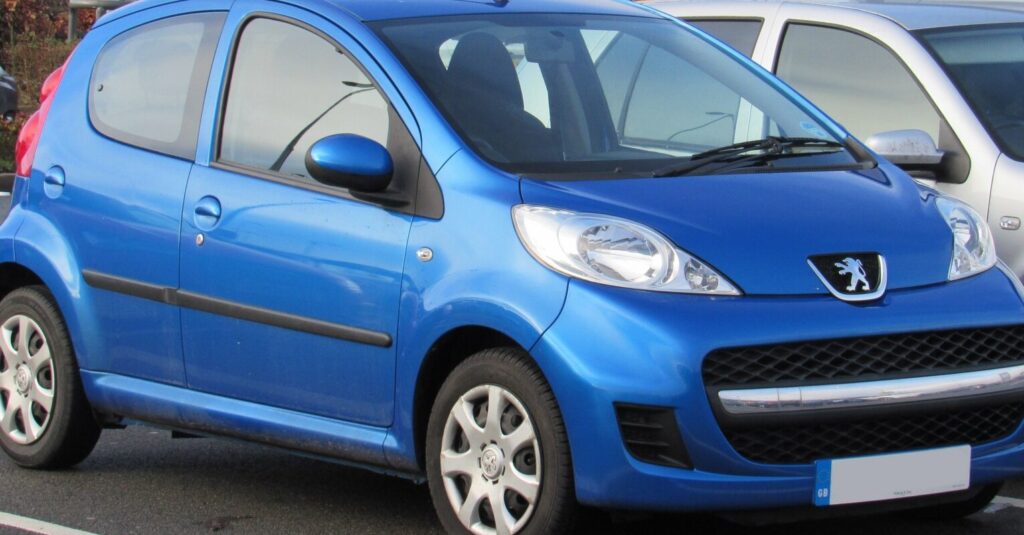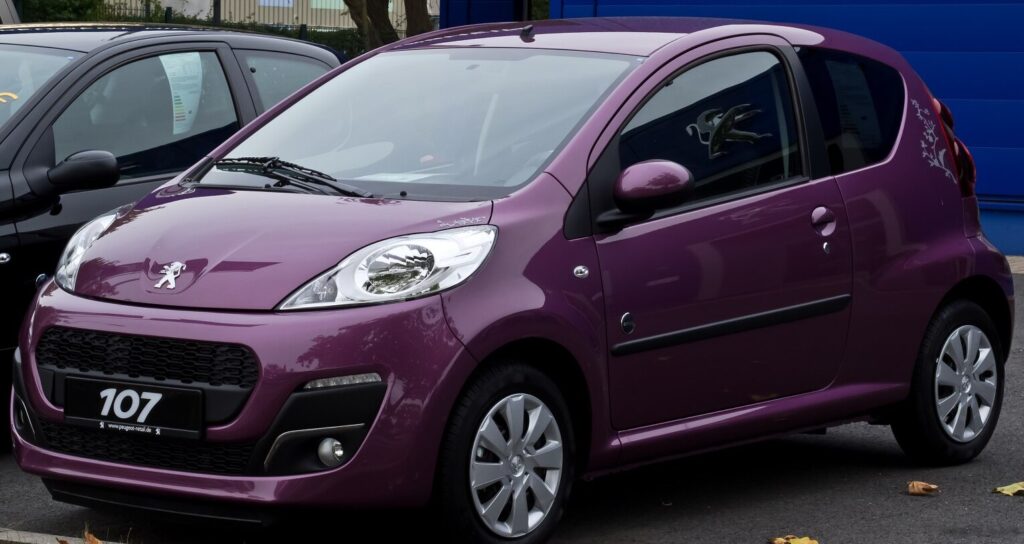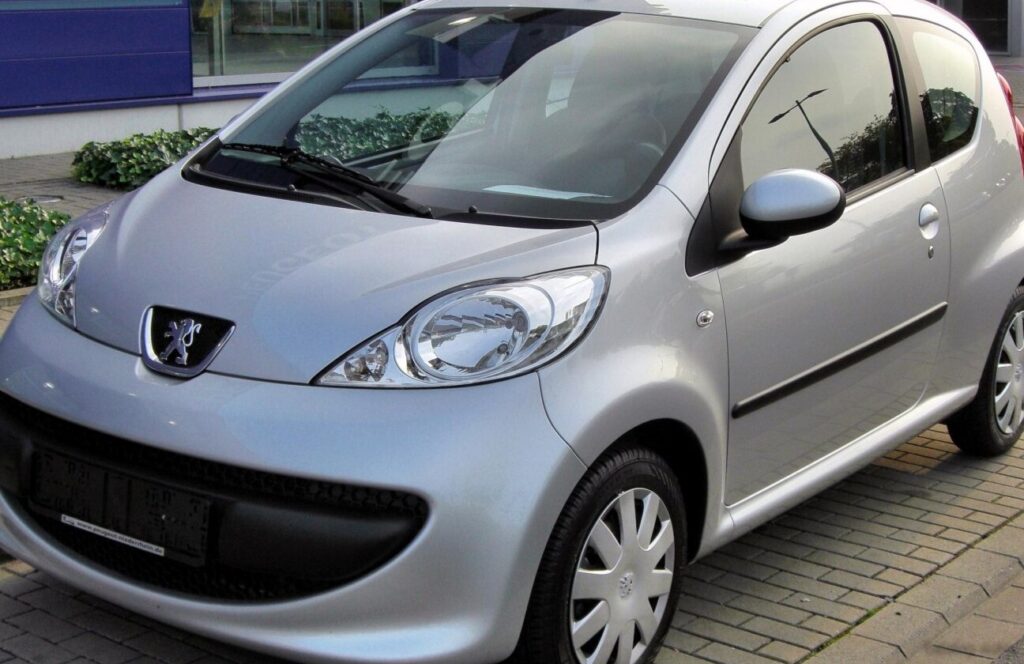
The Peugeot 107, launched in June 2005, was a city car designed for affordability and practicality. This article focuses on the first generation (Phase I), specifically the 3-door hatchback variant equipped with the 1.0-liter, 68 horsepower engine and the 2-Tronic automated manual transmission, produced through December 2008. The 107 was developed as part of a joint venture with Toyota and Citroën, sharing its platform and many components with the Toyota Aygo and Citroën C1. This collaborative effort aimed to reduce development costs and offer a competitive entry-level vehicle in the European market. The 1.0L 2-Tronic model represented a key part of the 107 lineup, targeting buyers seeking ease of use and fuel efficiency in an urban environment.
The 1.0L 2-Tronic: Positioning in the 107 Range
The 1.0L 2-Tronic version of the Peugeot 107 occupied the entry-level to mid-range position within the model’s initial lineup. While a 1.0L manual transmission was also available, the 2-Tronic offered a more convenient, albeit less engaging, driving experience. It was positioned below any potential higher-performance variants (which never materialized for the 107) and aimed at buyers who prioritized ease of driving over outright speed or sporty handling. The 2-Tronic transmission appealed to those unfamiliar with manual gearboxes or those frequently navigating congested city streets.
Powertrain & Engine Architecture
The heart of the 107 1.0L 2-Tronic is the CFA 384F engine, a 998cc inline-three cylinder petrol engine. This engine utilizes a naturally aspirated configuration and multi-port fuel injection. The engine produces 68 horsepower at 6000 rpm and 93 Nm (68.59 lb-ft) of torque at 3600 rpm. The cylinder bore measures 71mm, with a piston stroke of 84mm, resulting in a compression ratio of 10.5:1. The engine features a double overhead camshaft (DOHC) valvetrain with four valves per cylinder. Engine oil capacity is 3.2 liters, and the recommended coolant capacity is 4 liters.
The 2-Tronic transmission is a five-speed automated manual gearbox. Unlike a traditional automatic transmission with a torque converter, the 2-Tronic uses electronic actuators to shift gears, effectively automating the operation of a conventional manual transmission. This design aims to combine the fuel efficiency of a manual gearbox with the convenience of an automatic. However, it’s known for its sometimes jerky shifts, particularly at lower speeds. The transmission sends power to the front wheels, as the 107 is a front-wheel-drive vehicle.
Engine Code Specifics
The CFA 384F engine code is crucial for identifying parts and service information. This engine is known for its relatively simple design, contributing to its reliability. However, the 2-Tronic transmission itself has been a source of some reported issues, primarily related to the automated shifting mechanism.
Driving Characteristics
The Peugeot 107 1.0L 2-Tronic delivers modest performance, prioritizing fuel economy over acceleration. The 0-100 km/h (0-62 mph) sprint takes approximately 14 seconds, with a top speed of 157 km/h (97.56 mph). The 2-Tronic transmission’s gear ratios are optimized for urban driving, providing adequate acceleration from a standstill but feeling somewhat sluggish at higher speeds. The automated shifting can be noticeable, with occasional hesitations or jerky transitions between gears. Compared to the manual version, the 2-Tronic offers less driver control and a slightly slower response. The power delivery is linear, but the engine lacks significant low-end torque, requiring drivers to utilize the full rev range for optimal performance. The lightweight nature of the vehicle (830 kg / 1829.84 lbs) helps to mitigate the effects of the relatively low horsepower output.
Equipment & Trim Levels
The 1.0L 2-Tronic 107 typically came equipped with basic but functional features. Standard equipment included power steering, central locking, electric front windows, and an ABS (Anti-lock Braking System). Interior upholstery was typically cloth, with a simple dashboard layout. Optional extras included air conditioning, a radio/CD player, and alloy wheels. Higher trim levels, if selected, might have added features like body-colored door mirrors and handles. The focus was on providing a no-frills, affordable transportation solution.
Chassis & Braking
The 107 utilizes a McPherson strut independent suspension system at the front, providing a comfortable ride on smooth surfaces. The rear suspension employs an elastic beam setup, which is a cost-effective solution for compact cars. The front brakes are ventilated discs, offering adequate stopping power, while the rear brakes are drums. The steering is rack and pinion with electric power assistance, providing light and easy steering feel. Tire size is typically 155/65 R14, mounted on 4.5J x 14 inch wheel rims. The relatively lightweight construction of the vehicle contributes to its nimble handling.
Market Reception & Comparison
The Peugeot 107 1.0L 2-Tronic received mixed reviews. Critics praised its fuel efficiency (4.6 l/100 km combined / 51.1 US mpg) and affordability, but the 2-Tronic transmission was often criticized for its jerky shifts and lack of responsiveness. Compared to the manual version, the 2-Tronic offered slightly lower fuel economy and a less engaging driving experience. Within the broader city car segment, the 107 competed with models like the Fiat Panda, Renault Twingo, and Volkswagen Fox. The 107’s collaborative development with Toyota and Citroën gave it a competitive edge in terms of cost and reliability, although the 2-Tronic transmission remained a potential weak point.
Technical Specifications
| Brand | Peugeot |
| Model | 107 |
| Generation | 107 (Phase I, 2005) |
| Type | 1.0 (68 Hp) 2-Tronic |
| Start of Production | June, 2005 |
| End of Production | December, 2008 |
| Engine Displacement | 998 cm3 (60.9 cu. in.) |
| Engine Layout | Inline-3 |
| Power | 68 Hp @ 6000 rpm |
| Torque | 93 Nm @ 3600 rpm (68.59 lb.-ft.) |
| Fuel Consumption (Urban) | 5.5 l/100 km (42.8 US mpg) |
| Fuel Consumption (Extra Urban) | 4.1 l/100 km (57.4 US mpg) |
| Fuel Consumption (Combined) | 4.6 l/100 km (51.1 US mpg) |
| CO2 Emissions | 109 g/km |
| Transmission | 5-speed 2-Tronic (Automated Manual) |
| Kerb Weight | 830 kg (1829.84 lbs) |
| Maximum Speed | 157 km/h (97.56 mph) |
| 0-100 km/h | 14 sec |
| Fuel Tank Capacity | 35 l (9.25 US gal) |
| Trunk Space (Minimum) | 130 l (4.59 cu. ft.) |
| Trunk Space (Maximum) | 712 l (25.14 cu. ft.) |
Legacy
The Peugeot 107 1.0L 2-Tronic, while not without its flaws, remains a popular choice in the used car market, particularly for first-time drivers or those seeking an affordable and economical city car. The CFA 384F engine is generally considered reliable, although regular maintenance is crucial. The 2-Tronic transmission, however, requires careful attention. Potential buyers should be aware of the possibility of issues with the automated shifting mechanism and factor in potential repair costs. Despite the transmission concerns, the 107’s low running costs and compact size continue to make it an attractive option for urban commuters. Its collaborative design with Toyota and Citroën has contributed to its overall durability and availability of parts. The 107 represents a significant example of cost-effective automotive engineering and a successful attempt to provide affordable transportation to a wide audience.