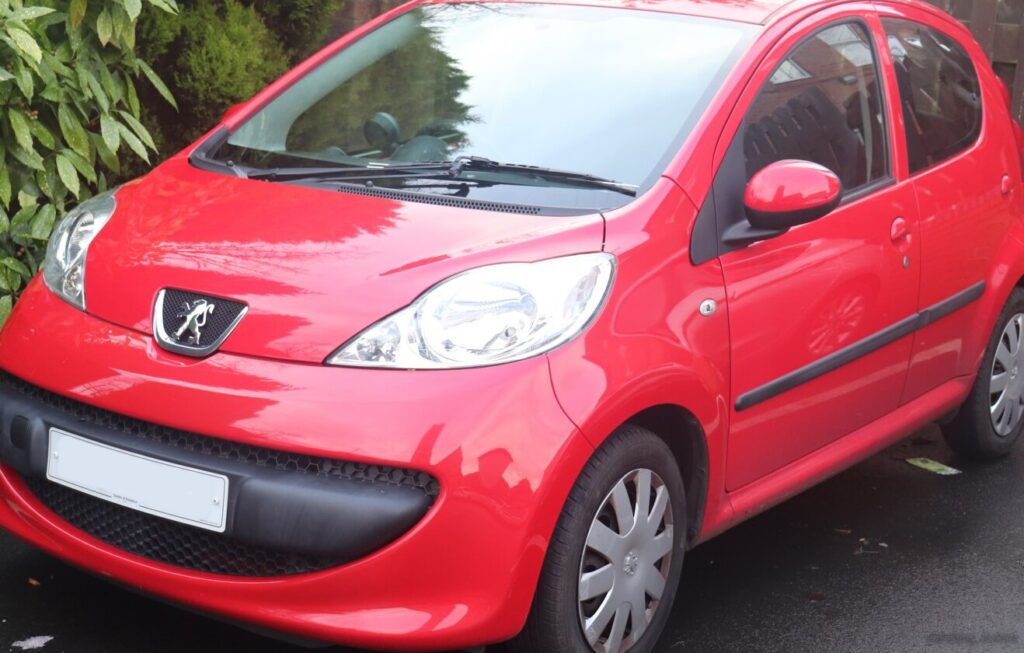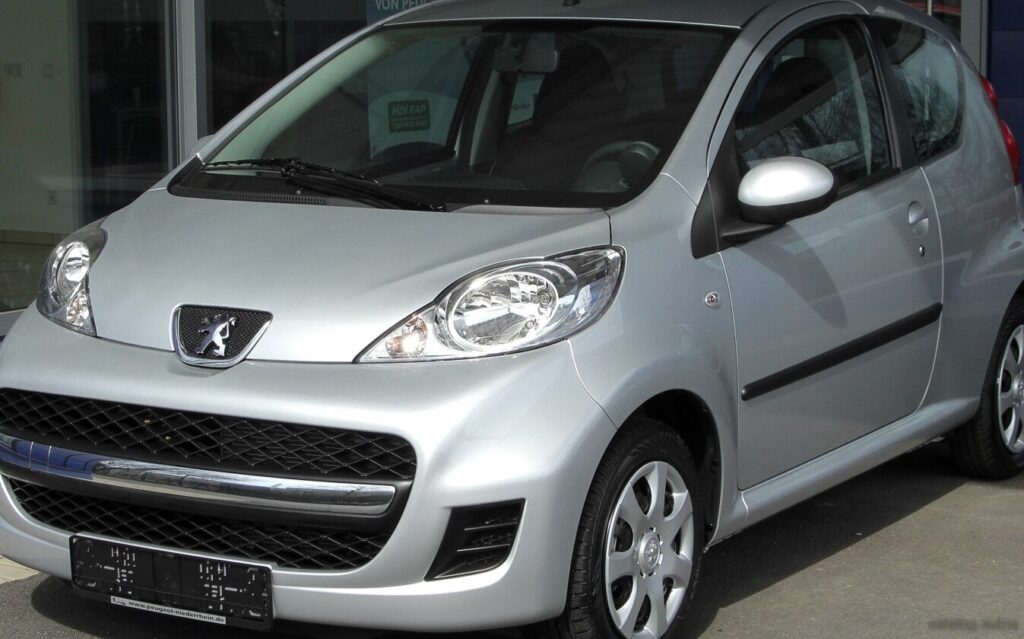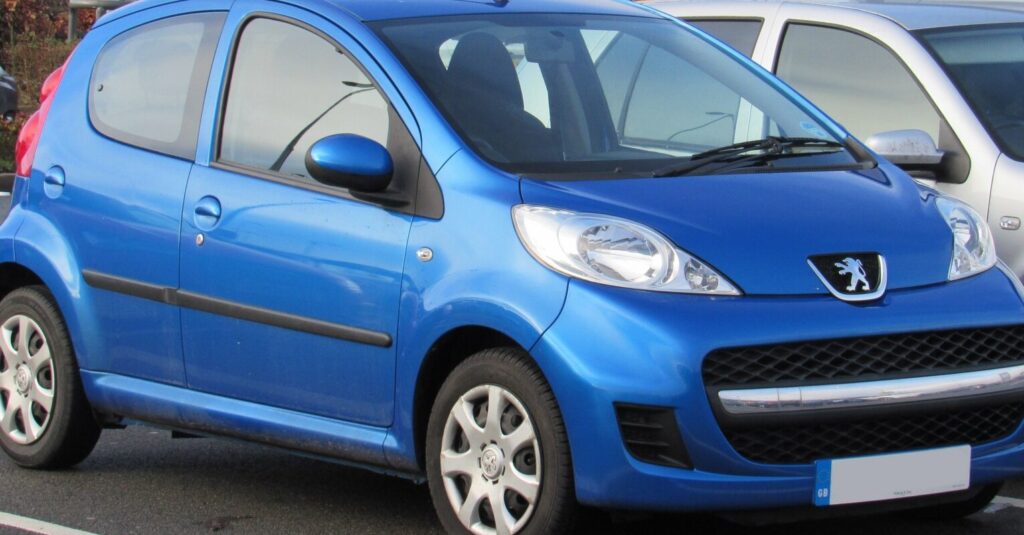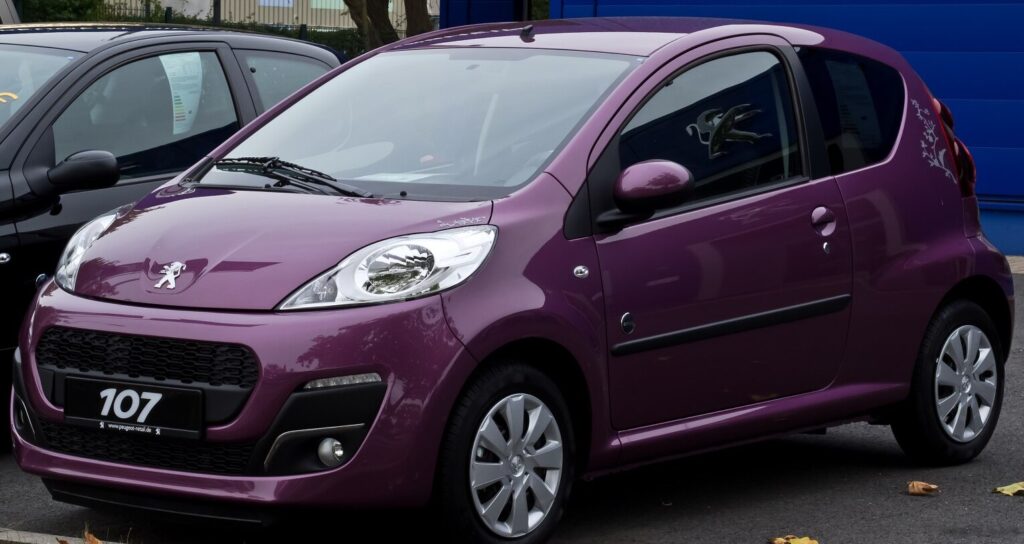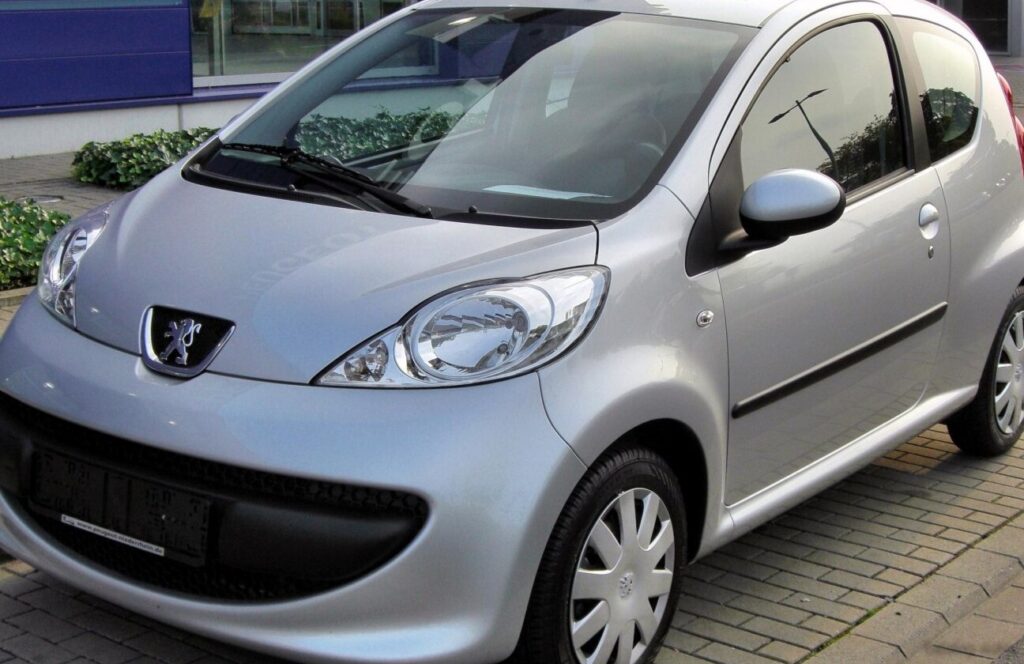
The Peugeot 107 1.4 HDI, introduced in June 2005 as part of the first phase (Phase I) of the 107 model range, represented a fuel-efficient and economical entry point into the city car segment. Produced until December 2008, this 3-door hatchback was developed as part of a collaborative venture between Peugeot, Citroën, and Toyota, sharing its platform and many components with the Citroën C1 and Toyota Aygo. The 1.4 HDI variant, powered by a diesel engine, was positioned as the most economical option in the 107 lineup, targeting buyers prioritizing low running costs over outright performance. It was built on the A1 platform, internally designated as X10 within Peugeot.
Peugeot 107 1.4 HDI: Powertrain & Engine Architecture
The heart of the 107 1.4 HDI is the 8HT engine, a 1.4-liter inline-four cylinder diesel engine. This engine, while relatively small, was designed to maximize fuel efficiency and minimize emissions. It featured a common rail direct fuel injection system, delivering fuel directly into the combustion chamber at high pressure for improved combustion and reduced noise. The engine produced 54 horsepower (hp) at 4000 rpm and 130 Newton-meters (95.88 lb-ft) of torque at 1750 rpm. The engine utilized a single overhead camshaft (SOHC) valvetrain with two valves per cylinder. A turbocharger was incorporated to boost power and torque output, particularly at lower engine speeds. The engine’s displacement was 1398 cm³ (85.31 cubic inches) with a bore of 73.7 mm (2.9 inches) and a stroke of 82 mm (3.23 inches). The compression ratio was a high 17.9:1, typical for diesel engines. Engine oil capacity was 3.8 liters (4.02 US quarts / 3.34 UK quarts), and the recommended oil specification was dependent on the specific market.
Transmission
The 1.4 HDI variant of the Peugeot 107 was exclusively offered with a 5-speed manual transmission. This transmission was chosen to further enhance fuel economy and provide drivers with greater control over the engine’s power delivery. The gear ratios were optimized for urban driving, with a relatively short first gear for easy acceleration from standstill and a taller fifth gear for efficient cruising on highways. The transmission was a standard front-wheel-drive configuration, as all 107 models were front-wheel drive.
Driving Characteristics
The Peugeot 107 1.4 HDI was not designed for spirited driving. Its focus was firmly on practicality and economy. Acceleration from 0 to 100 km/h (0 to 62 mph) took 16.8 seconds, and the top speed was 154 km/h (95.69 mph). The engine’s torque peak at 1750 rpm provided adequate pulling power for everyday driving situations, but overtaking maneuvers required careful planning. Compared to the petrol-powered 1.0-liter version of the 107, the 1.4 HDI offered significantly more torque, making it feel more responsive in everyday traffic. However, the diesel engine was noticeably louder and produced more vibration than the petrol engine. The 5-speed manual transmission allowed drivers to keep the engine in its optimal power band, maximizing fuel efficiency and minimizing noise. The relatively light weight of the vehicle (885 kg / 1951.09 lbs) helped to offset the engine’s modest power output.
Equipment & Trim Levels
The 107 1.4 HDI was typically offered in a relatively basic trim level, reflecting its position as the entry-level diesel variant. Standard equipment generally included power steering, central locking, and an adjustable steering column. Safety features included ABS (Anti-lock Braking System) and front airbags. Interior upholstery was typically cloth, and the dashboard featured a simple, functional design. Optional extras included air conditioning, electric front windows, and a radio/CD player. The 3-door body style offered limited rear passenger access, but the rear seats could be folded down to increase luggage capacity. The trunk space ranged from 130 liters (4.59 cu. ft.) with the rear seats up to 712 liters (25.14 cu. ft.) with the rear seats folded down.
Chassis & Braking
The Peugeot 107 1.4 HDI utilized a McPherson strut independent suspension system at the front, providing a comfortable ride and good handling characteristics. The rear suspension employed an elastic beam setup, which was a cost-effective solution that provided adequate stability. The front brakes were ventilated discs, offering good stopping power, while the rear brakes were drums. This combination was chosen to balance performance and cost. The steering system was a rack and pinion type with electric power steering, providing light and precise steering feel. The 107 1.4 HDI was equipped with 155/65 R14 tires mounted on 4.5J x 14 inch steel wheels.
Market Reception & Comparison
The Peugeot 107 1.4 HDI was generally well-received by critics for its exceptional fuel economy and low running costs. It was praised as an ideal city car for drivers who prioritized practicality and affordability. However, some critics noted the engine’s lack of refinement and the car’s limited performance. Compared to the 1.0-liter petrol version, the 1.4 HDI offered significantly better fuel economy (4.1 l/100 km combined vs. 5.5 l/100 km) and more torque, but at the expense of some refinement and a slightly higher purchase price. The 107 also competed with other city cars such as the Fiat Panda, Renault Twingo, and Volkswagen Fox. The 107’s collaborative development with Citroën and Toyota allowed for economies of scale, resulting in a competitive price point.
Technical Specifications
| Brand | Peugeot |
| Model | 107 |
| Generation | 107 (Phase I, 2005) 3-door |
| Type (Engine) | 1.4 HDI (54 Hp) |
| Start of production | June, 2005 |
| End of production | December, 2008 |
| Body type | Hatchback |
| Seats | 4 |
| Doors | 3 |
| Fuel consumption (urban) | 5.3 l/100 km (44.4 US mpg / 53.3 UK mpg) |
| Fuel consumption (extra urban) | 3.4 l/100 km (69.2 US mpg / 83.1 UK mpg) |
| Fuel consumption (combined) | 4.1 l/100 km (57.4 US mpg / 68.9 UK mpg) |
| CO2 emissions | 109 g/km |
| Fuel Type | Diesel |
| Acceleration 0 – 100 km/h | 16.8 sec |
| Acceleration 0 – 62 mph | 16.8 sec |
| Maximum speed | 154 km/h (95.69 mph) |
| Emission standard | Euro 4 |
| Power | 54 Hp @ 4000 rpm |
| Torque | 130 Nm @ 1750 rpm (95.88 lb.-ft. @ 1750 rpm) |
| Engine displacement | 1398 cm3 (85.31 cu. in.) |
| Engine layout | Front, Transverse |
| Engine Model/Code | 8HT |
| Kerb Weight | 885 kg (1951.09 lbs.) |
| Max. weight | 1235 kg (2722.71 lbs.) |
| Trunk (boot) space (min) | 130 l (4.59 cu. ft.) |
| Trunk (boot) space (max) | 712 l (25.14 cu. ft.) |
| Fuel tank capacity | 35 l (9.25 US gal / 7.7 UK gal) |
| Length | 3430 mm (135.04 in.) |
| Width | 1630 mm (64.17 in.) |
| Height | 1470 mm (57.87 in.) |
| Wheelbase | 2340 mm (92.13 in.) |
| Number of gears | 5 |
| Gearbox type | Manual transmission |
Legacy
The Peugeot 107 1.4 HDI, while no longer in production, remains a popular choice in the used car market, particularly for buyers seeking an affordable and fuel-efficient city car. The 8HT engine is generally considered to be reliable, although regular maintenance is essential to prevent issues such as injector clogging and turbocharger failure. The simple mechanical design of the 107 makes it relatively easy and inexpensive to repair. The 1.4 HDI variant has earned a reputation for its longevity and low running costs, making it a practical and economical option for urban commuters and first-time car owners. However, potential buyers should be aware of the engine’s relatively low power output and the car’s limited interior space.