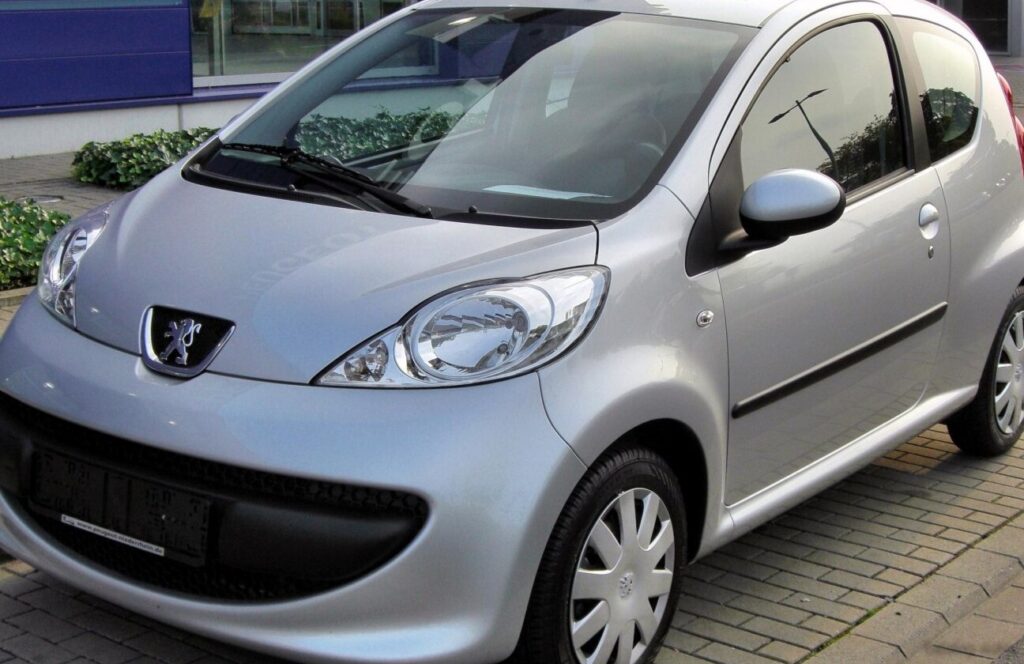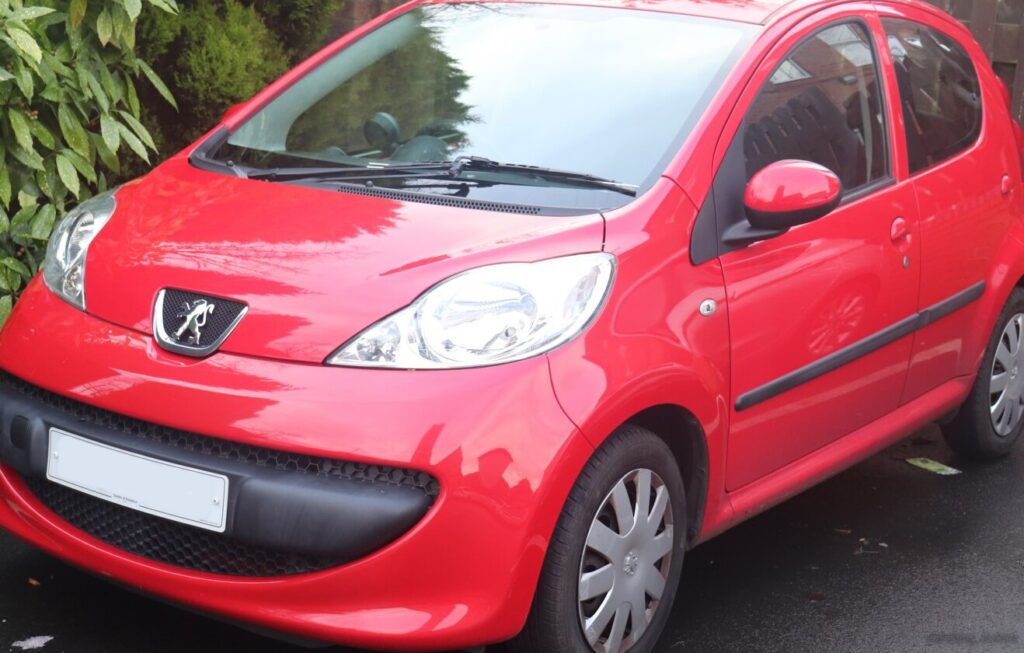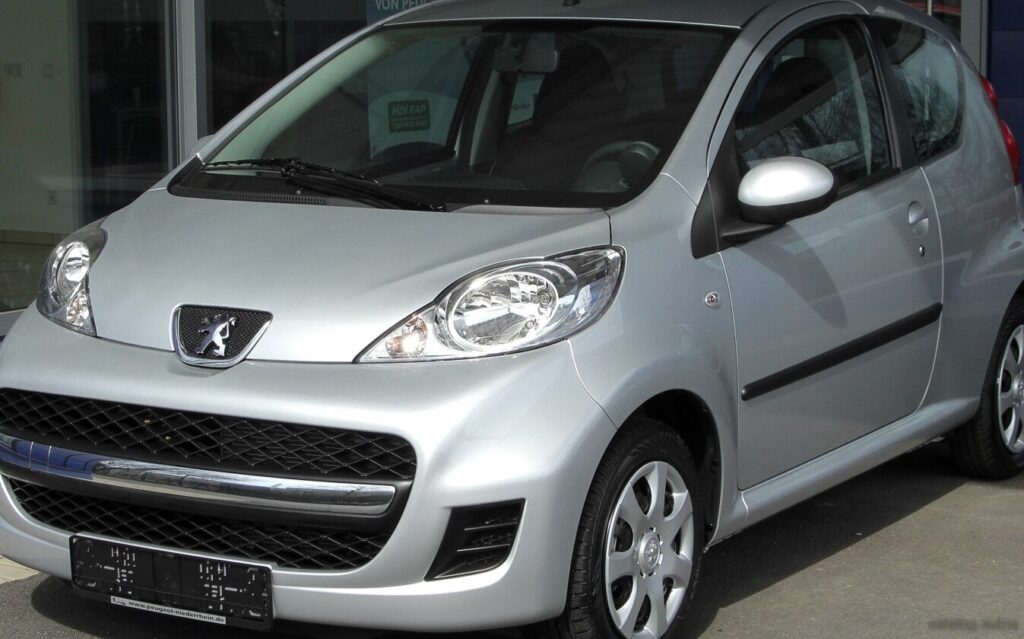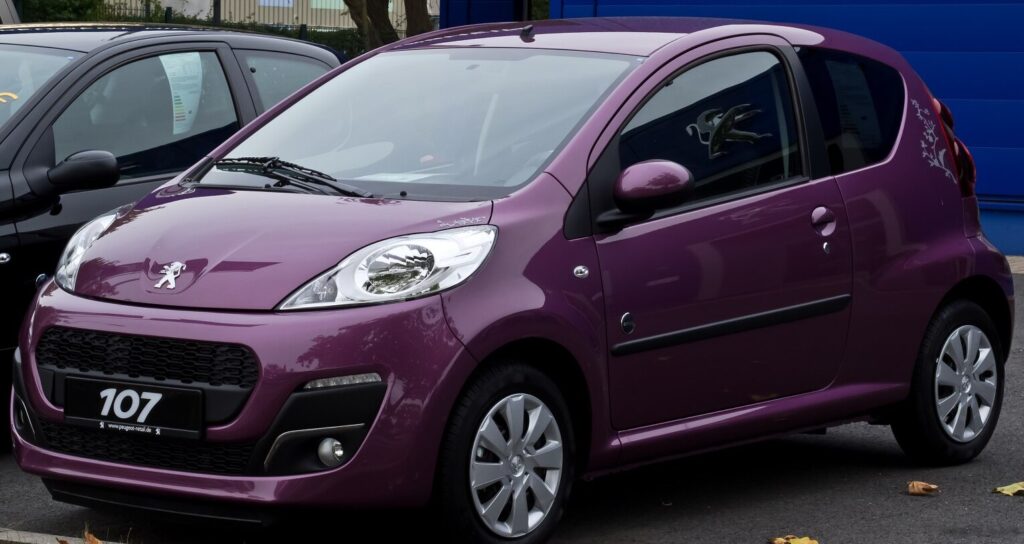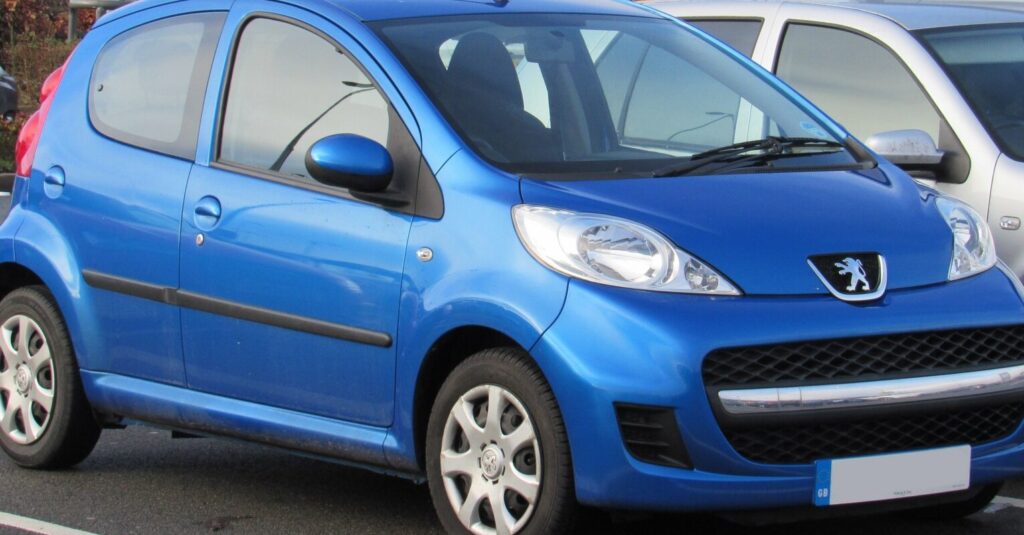
The Peugeot 107, specifically the Phase II 5-door model produced between December 2008 and September 2010 equipped with the 1.0-liter 68 horsepower engine, represents an entry-level offering within the broader 107 range. This variant was part of the first generation of the 107 (A8 series), a city car jointly developed by Peugeot and Toyota (resulting in the mechanically identical Toyota Aygo and Citroën C1). The Phase II update brought minor cosmetic revisions and refinements to the original design. Positioned as the most economical and accessible version of the 107, it targeted budget-conscious buyers and those primarily using the vehicle for urban commuting.
Peugeot 107 1.0 (68 Hp) Powertrain & Engine Architecture
The heart of this 107 variant is the CFA 384F engine, a 998 cc inline three-cylinder petrol engine. This engine is naturally aspirated and utilizes a multi-port fuel injection system. The engine’s architecture is relatively simple, featuring a double overhead camshaft (DOHC) valvetrain with four valves per cylinder, contributing to reasonable efficiency for its displacement. The compression ratio is set at 10.5:1. The engine produces 68 horsepower at 6000 rpm and 93 Nm (68.59 lb-ft) of torque at 3600 rpm. The engine’s power per liter is a respectable 68.1 hp/l.
The 1.0-liter engine was typically paired with a five-speed manual transmission, however, this article focuses on the variant equipped with a four-speed automatic transmission. This automatic gearbox, while offering convenience, was a significant factor in the car’s slightly lower performance figures compared to the manual version. The automatic transmission was chosen to broaden the appeal of the 107 to drivers who preferred the ease of use of an automatic, particularly in congested city environments. The transmission’s gear ratios are geared towards maximizing fuel efficiency rather than outright acceleration.
Engine Specifications
Key engine specifications include a cylinder bore of 71 mm (2.8 in) and a piston stroke of 84 mm (3.31 in). The engine requires 3.2 liters (3.38 US qt, 2.82 UK qt) of engine oil, specified to meet Peugeot’s standards. The cooling system requires 4 liters (4.23 US qt, 3.52 UK qt) of coolant.
Driving Characteristics
The Peugeot 107 1.0 (68 Hp) with the automatic transmission delivers a driving experience focused on practicality and ease of use. Acceleration is modest, taking 13.7 seconds to reach 62 mph (100 km/h) and approximately 13 seconds to reach 60 mph. The automatic transmission contributes to a smoother, albeit slower, driving experience compared to the manual version. The car’s limited power output is most noticeable during overtaking maneuvers or when climbing hills. The automatic transmission’s shift points are programmed for fuel economy, meaning the engine often operates at lower RPMs, which can sometimes feel sluggish. However, within the confines of city driving, the 1.0-liter engine and automatic transmission provide adequate performance for everyday commuting. The car’s light weight (805 kg / 1774.72 lbs) helps to mitigate the effects of the low horsepower.
Equipment & Trim Levels
The 1.0-liter automatic 5-door 107 typically came with a basic level of equipment, reflecting its position as the entry-level model. Standard features generally included power steering, central locking, electric front windows, and an adjustable steering column. Safety features included ABS (Anti-lock Braking System) and driver and passenger airbags. Interior upholstery was typically cloth, and the dashboard featured a simple, functional design. Optional extras available for this trim level included air conditioning, a radio/CD player, and alloy wheels. Higher trim levels, such as the Verve or Sportium, offered additional features like upgraded interior trim, alloy wheels, and body-colored bumpers, but these were not typically paired with the 1.0-liter automatic powertrain.
Chassis & Braking
The Peugeot 107 utilizes a McPherson strut independent suspension system at the front, providing a comfortable ride quality, particularly on smoother roads. The rear suspension employs an elastic beam setup, which is a cost-effective and space-saving solution. The front brakes are ventilated discs, offering adequate stopping power, while the rear brakes are drums. This combination was chosen to balance cost and performance for the vehicle’s weight class. The steering system is a rack and pinion type with electric power steering, providing light and easy steering feel, ideal for maneuvering in tight urban spaces. The car is equipped with 155/65 R14 tires mounted on 4.5J x 14 inch wheel rims.
Market Reception & Comparison
The Peugeot 107 1.0 (68 Hp) automatic received generally positive reviews for its fuel economy and affordability. Critics praised its nimble handling and ease of parking, making it well-suited for city driving. However, the automatic transmission was often criticized for its sluggish performance and impact on fuel economy compared to the manual version. Compared to other trims in the 107 lineup, such as the 1.4-liter models, the 1.0-liter automatic offered significantly less power and performance but boasted superior fuel efficiency. Fuel consumption figures were approximately 5.5 l/100 km (42.8 US mpg, 51.4 UK mpg) in urban conditions, 3.9 l/100 km (60.3 US mpg, 72.4 UK mpg) in extra-urban conditions, and 4.5 l/100 km (52.3 US mpg, 62.8 UK mpg) combined, with CO2 emissions of 106 g/km (Euro 4 standard). The 1.0-liter automatic was often compared to similar city cars like the Toyota Aygo and Citroën C1, offering a similar driving experience and level of equipment.
Technical Specifications
| Body type | Hatchback, 5 Doors, 4 Seats |
| Fuel economy (combined) | 4.5 l/100 km / 52.3 US mpg / 62.8 UK mpg / 22.2 km/l |
| CO2 emissions | 106 g/km |
| Maximum speed | 157 km/h / 97.56 mph |
| Acceleration 0-100 km/h | 13.7 sec |
| Acceleration 0-60 mph | 13 sec |
| Power | 68 Hp @ 6000 rpm |
| Torque | 93 Nm @ 3600 rpm / 68.59 lb.-ft. @ 3600 rpm |
| Engine layout | Front, Transverse |
| Engine Model/Code | CFA 384F |
| Engine displacement | 998 cm3 / 60.9 cu. in. |
| Number of cylinders | 3 |
| Engine configuration | Inline |
| Cylinder Bore | 71 mm / 2.8 in. |
| Piston Stroke | 84 mm / 3.31 in. |
| Compression ratio | 10.5:1 |
| Number of valves per cylinder | 4 |
| Fuel injection system | Multi-port manifold injection |
| Engine oil capacity | 3.2 l / 3.38 US qt | 2.82 UK qt |
| Coolant capacity | 4 l / 4.23 US qt | 3.52 UK qt |
| Kerb Weight | 805 kg / 1774.72 lbs. |
| Max. weight | 1190 kg / 2623.5 lbs. |
| Trunk (boot) space – minimum | 130 l / 4.59 cu. ft. |
| Trunk (boot) space – maximum | 712 l / 25.14 cu. ft. |
| Fuel tank capacity | 35 l / 9.25 US gal | 7.7 UK gal |
| Length | 3430 mm / 135.04 in. |
| Width | 1630 mm / 64.17 in. |
| Height | 1465 mm / 57.68 in. |
| Wheelbase | 2340 mm / 92.13 in. |
| Drive wheel | Front wheel drive |
| Number of gears and type of gearbox | 4 gears, automatic transmission |
Legacy
The Peugeot 107 1.0 (68 Hp) automatic, while not known for its blistering performance, has proven to be a relatively reliable and economical city car. The simple engine design and robust automatic transmission contribute to its longevity. In the used car market, these models are often sought after by first-time drivers or those seeking a low-cost, fuel-efficient vehicle for urban commuting. Maintenance costs are generally low, and parts availability remains good. However, potential buyers should be aware of the limitations of the automatic transmission and the car’s modest power output. Overall, the 107 1.0 automatic represents a practical and affordable option for those prioritizing fuel economy and ease of use over outright performance.