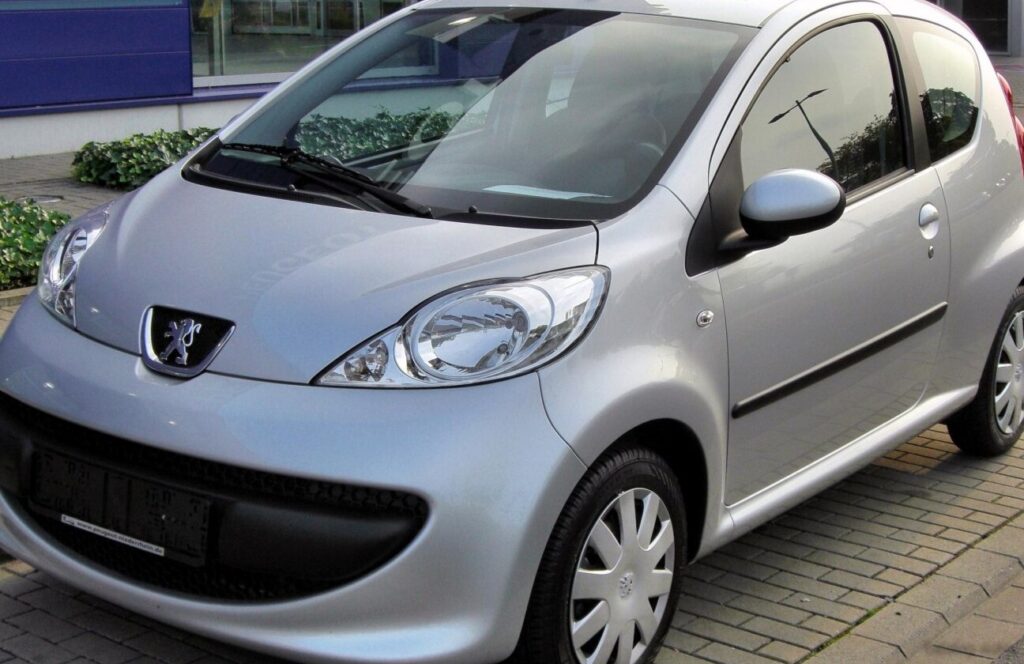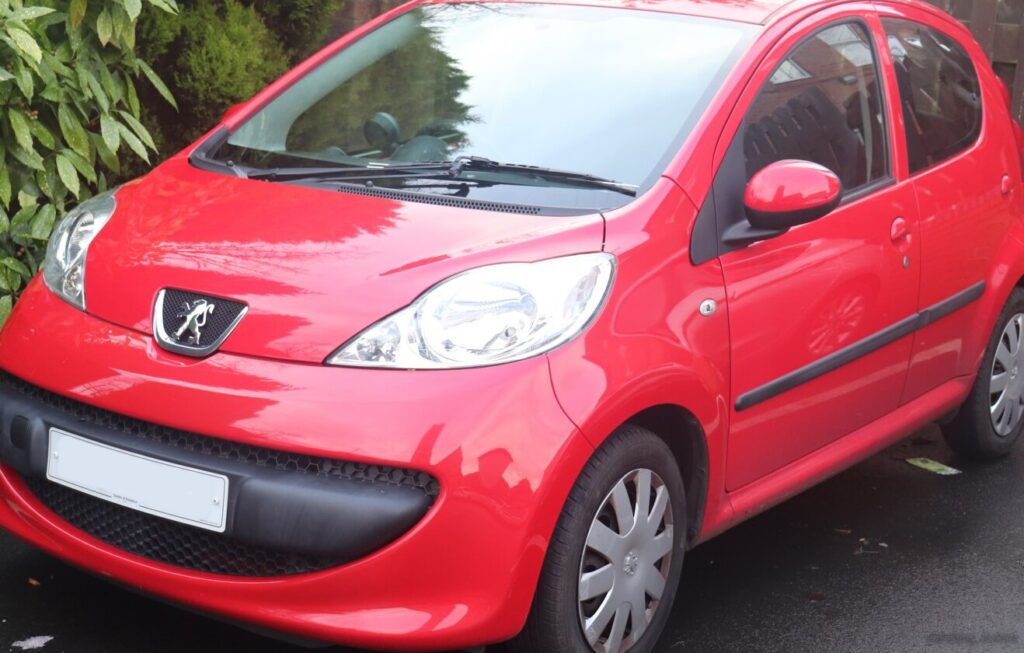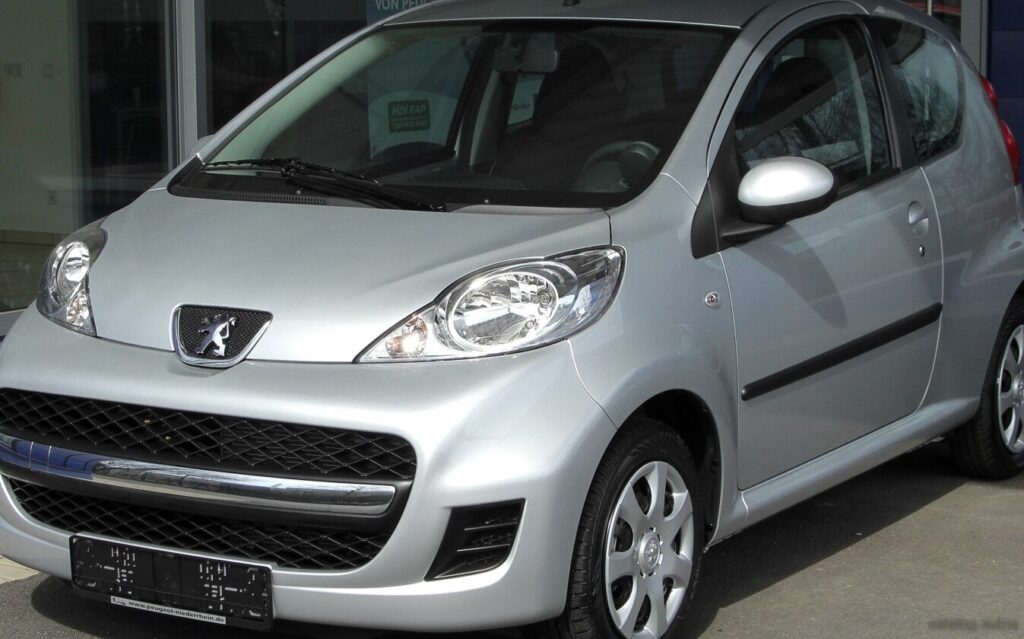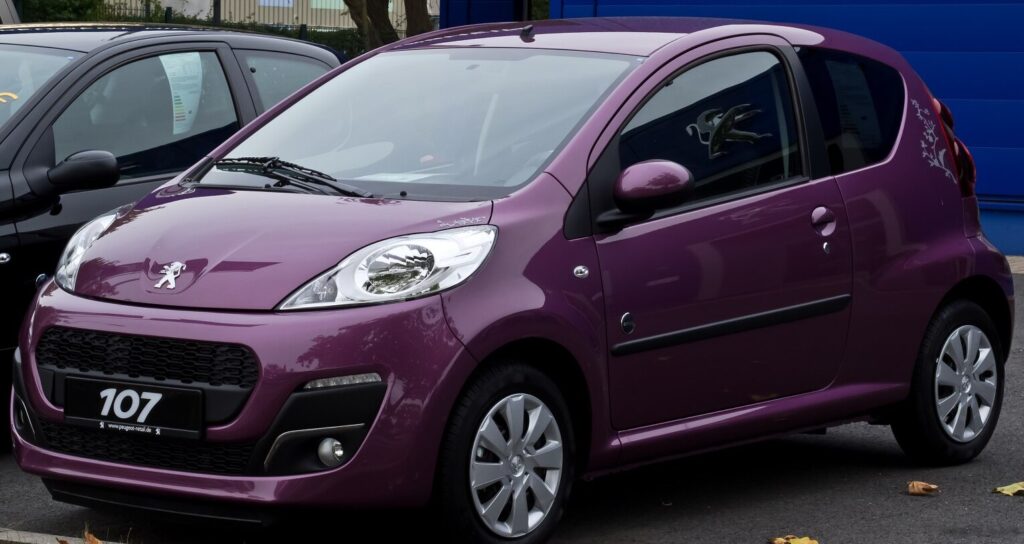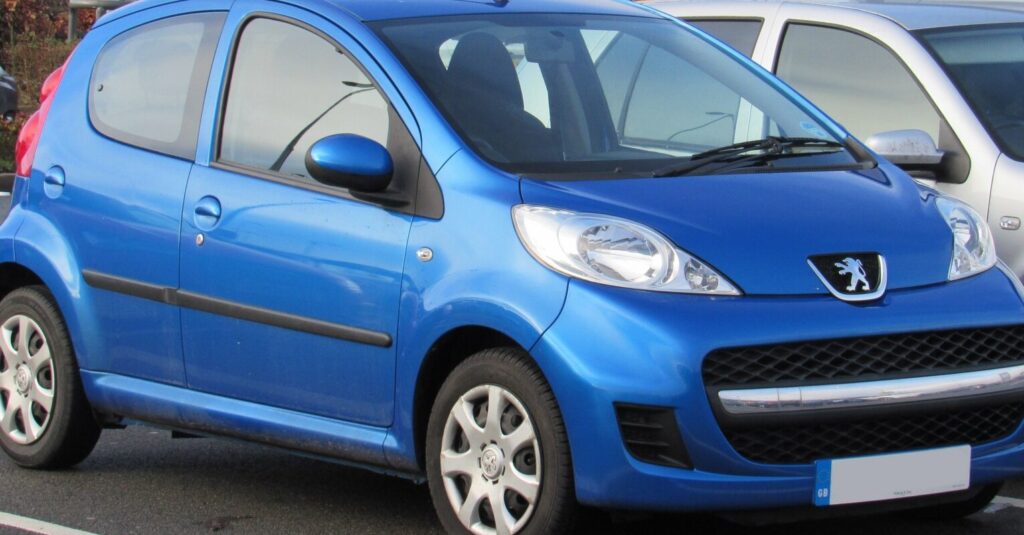
The Peugeot 107, specifically the Phase II 5-door model produced between December 2008 and September 2010, equipped with the 1.0-liter 68 horsepower engine and 2-Tronic automated manual transmission, represents an entry-level offering within the broader 107 range. This variant was part of the first generation of the 107 (A8 series), a city car jointly developed by Peugeot, Citroën, and Toyota – sharing its platform and many components with the Citroën C1 and Toyota Aygo. The Phase II update brought minor cosmetic revisions and refinements to the original design. This particular configuration aimed for affordability and fuel efficiency, targeting urban commuters and first-time car buyers.
Powertrain & Engine Architecture
The heart of the 107 1.0 2-Tronic is the CFA 384F engine, a 998 cc inline three-cylinder petrol engine. This engine utilizes a naturally aspirated intake and multi-port fuel injection. The engine’s valvetrain features a Double Overhead Camshaft (DOHC) configuration with four valves per cylinder, contributing to improved breathing and efficiency. The engine produces 68 horsepower at 6000 rpm and 93 Nm (68.59 lb-ft) of torque at 3600 rpm. Power per liter is a respectable 68.1 hp/l for a naturally aspirated engine of this displacement.
The 2-Tronic transmission is a five-speed automated manual gearbox. Unlike a traditional automatic transmission with a torque converter, the 2-Tronic uses electronic actuators to shift gears, offering a degree of fuel efficiency closer to a manual transmission. However, it’s often described as less smooth than conventional automatics, with noticeable shifts. The transmission operates in both fully automatic and semi-automatic modes, allowing the driver some control over gear selection.
Engine Specifications
Key engine specifications include a compression ratio of 10.5:1, a cylinder bore of 71 mm (2.8 in), and a piston stroke of 84 mm (3.31 in). The engine requires 3.2 liters (3.38 US qt) of engine oil, specified to meet Peugeot’s standards, and 4 liters (4.23 US qt) of coolant. The engine’s layout is front-mounted and transverse, a common configuration for front-wheel-drive vehicles.
Driving Characteristics
The 107 1.0 2-Tronic delivers modest performance, prioritizing fuel economy over outright speed. Acceleration from 0 to 100 km/h (0-62 mph) takes approximately 14 seconds, and 0-60 mph is achieved in around 13.3 seconds. The top speed is 157 km/h (97.56 mph). The 2-Tronic transmission, while improving fuel efficiency, contributes to a less refined driving experience compared to manual or higher-powered versions of the 107. The gear ratios are tuned for economy, meaning the engine often needs to be revved to access its limited power. Compared to a manual transmission equipped 107, the 2-Tronic version feels slightly slower due to the transmission’s inherent inefficiencies and shift times. The power delivery is linear but lacks significant punch, making it best suited for city driving and shorter journeys.
Equipment & Trim Levels
The 107 1.0 2-Tronic, as an entry-level trim, typically came equipped with basic features. Standard equipment generally included power steering, central locking, electric front windows, and an ABS (Anti-lock Braking System). Interior upholstery was typically cloth, and the dashboard featured a simple, functional design. Optional extras available for this trim level included air conditioning, a radio/CD player, and alloy wheels. Higher trim levels, such as the Sportium, offered additional features like upgraded interior trim, fog lights, and a more comprehensive audio system. The 5-door configuration provided enhanced practicality and easier access to the rear seats compared to the 3-door version.
Chassis & Braking
The 107 1.0 2-Tronic utilizes a McPherson strut independent suspension system at the front, paired with an elastic beam rear suspension. This setup provides a reasonable balance between ride comfort and handling for a city car. The front brakes are ventilated discs, offering adequate stopping power, while the rear brakes are drums. The steering system is an electric power steering rack and pinion, providing light and easy steering for maneuvering in urban environments. The vehicle’s kerb weight of 840 kg (1851.88 lbs) contributes to its relatively nimble handling. Tire size is typically 155/65 R14, mounted on 4.5J x 14 inch wheel rims.
Market Reception & Comparison
The Peugeot 107 1.0 2-Tronic received mixed reviews. Critics praised its fuel efficiency – achieving 4.6 l/100 km (51.1 US mpg) combined – and affordability. However, the 2-Tronic transmission was often criticized for its jerky shifts and lack of refinement. Compared to the manual transmission version, the 2-Tronic offered slightly worse fuel economy and a less engaging driving experience. Against competitors like the Fiat Panda and Toyota Aygo (with which it shared many components), the 107 1.0 2-Tronic held its own in terms of price and fuel economy, but lagged behind in terms of driving dynamics and overall refinement. Reliability was generally considered good, although the 2-Tronic transmission was sometimes reported to have issues with actuator failures.
Technical Specifications
| Brand | Peugeot |
| Model | 107 |
| Generation | 107 (Phase II, 2008) 5-door |
| Type (Engine) | 1.0 (68 Hp) 2-Tronic |
| Start of production | December, 2008 |
| End of production | September, 2010 |
| Powertrain Architecture | Internal Combustion engine |
| Body type | Hatchback |
| Seats | 4 |
| Doors | 5 |
| Fuel consumption (urban) | 5.5 l/100 km (42.8 US mpg) |
| Fuel consumption (extra urban) | 4.1 l/100 km (57.4 US mpg) |
| Fuel consumption (combined) | 4.6 l/100 km (51.1 US mpg) |
| CO2 emissions | 107 g/km |
| Fuel Type | Petrol (Gasoline) |
| Acceleration 0 – 100 km/h | 14 sec |
| Acceleration 0 – 62 mph | 14 sec |
| Acceleration 0 – 60 mph | 13.3 sec |
| Maximum speed | 157 km/h (97.56 mph) |
| Emission standard | Euro 4 |
| Weight-to-power ratio | 12.4 kg/Hp |
| Power | 68 Hp @ 6000 rpm |
| Torque | 93 Nm @ 3600 rpm (68.59 lb.-ft. @ 3600 rpm) |
| Engine layout | Front, Transverse |
| Engine Model/Code | CFA 384F |
| Engine displacement | 998 cm3 (60.9 cu. in.) |
| Number of cylinders | 3 |
| Engine configuration | Inline |
| Cylinder Bore | 71 mm (2.8 in.) |
| Piston Stroke | 84 mm (3.31 in.) |
| Compression ratio | 10.5:1 |
| Number of valves per cylinder | 4 |
| Fuel injection system | Multi-port manifold injection |
| Engine oil capacity | 3.2 l (3.38 US qt | 2.82 UK qt) |
| Coolant capacity | 4 l (4.23 US qt | 3.52 UK qt) |
| Kerb Weight | 840 kg (1851.88 lbs.) |
| Max. weight | 1190 kg (2623.5 lbs.) |
| Trunk (boot) space – minimum | 130 l (4.59 cu. ft.) |
| Trunk (boot) space – maximum | 712 l (25.14 cu. ft.) |
| Fuel tank capacity | 35 l (9.25 US gal | 7.7 UK gal) |
| Length | 3430 mm (135.04 in.) |
| Width | 1630 mm (64.17 in.) |
| Height | 1465 mm (57.68 in.) |
| Wheelbase | 2340 mm (92.13 in.) |
| Number of gears and type of gearbox | 5 gears, automatic transmission 2-Tronic |
Legacy
The Peugeot 107 1.0 2-Tronic, while not a performance icon, remains a relatively affordable and fuel-efficient option on the used car market. The 2-Tronic transmission’s reliability can be a concern, and potential buyers should carefully inspect the transmission for smooth operation. However, the engine itself is generally considered robust and capable of high mileage with proper maintenance. The 107’s simple construction and readily available parts contribute to relatively low maintenance costs. Today, these vehicles are often sought after as inexpensive city runabouts or first cars, appreciated for their practicality and low running costs.