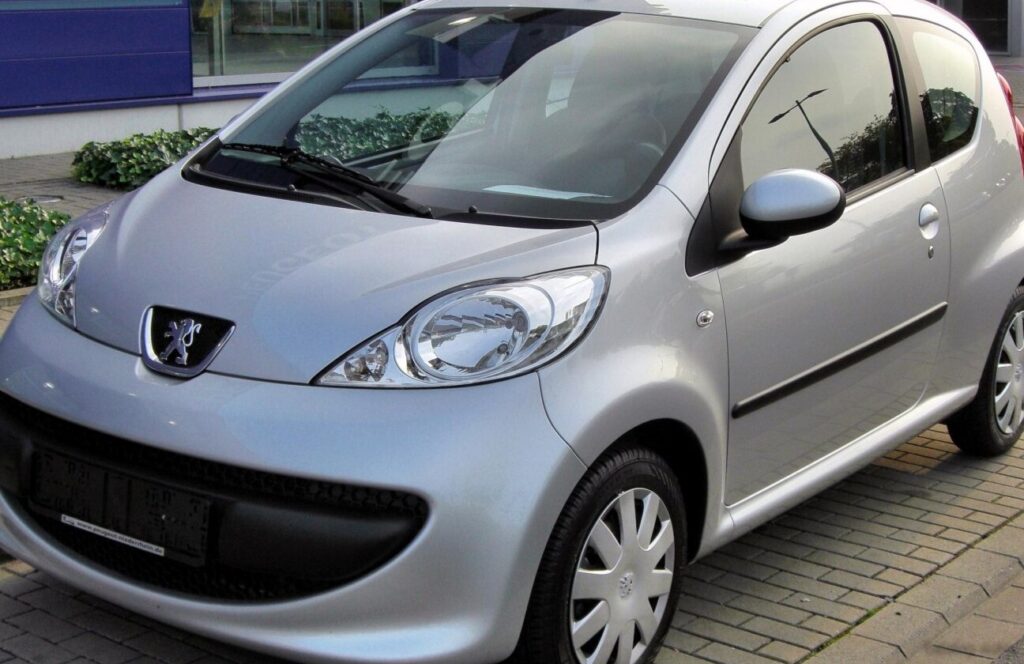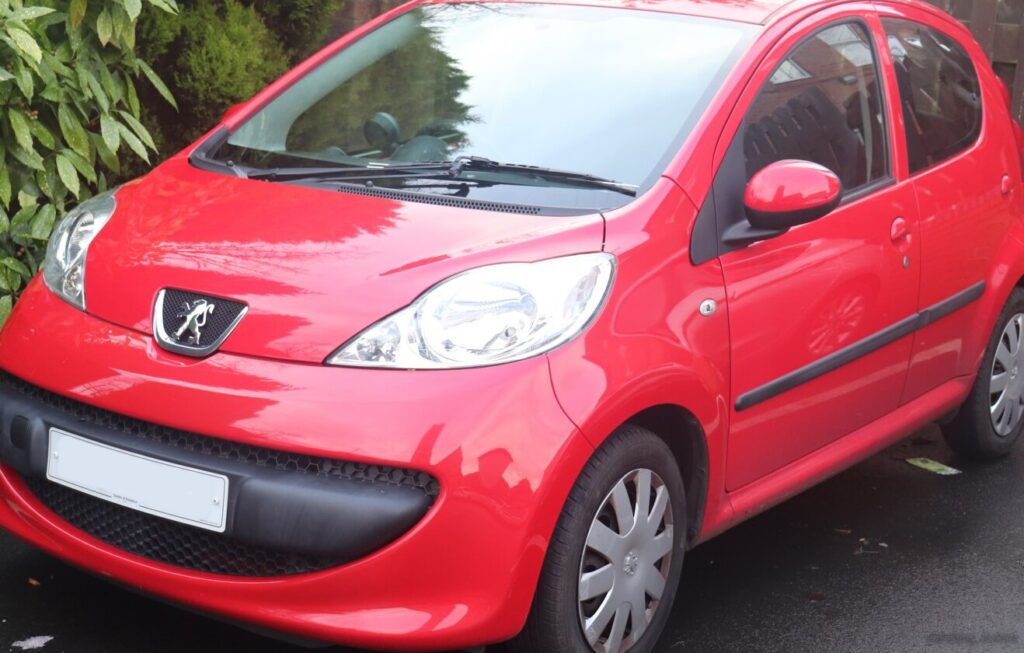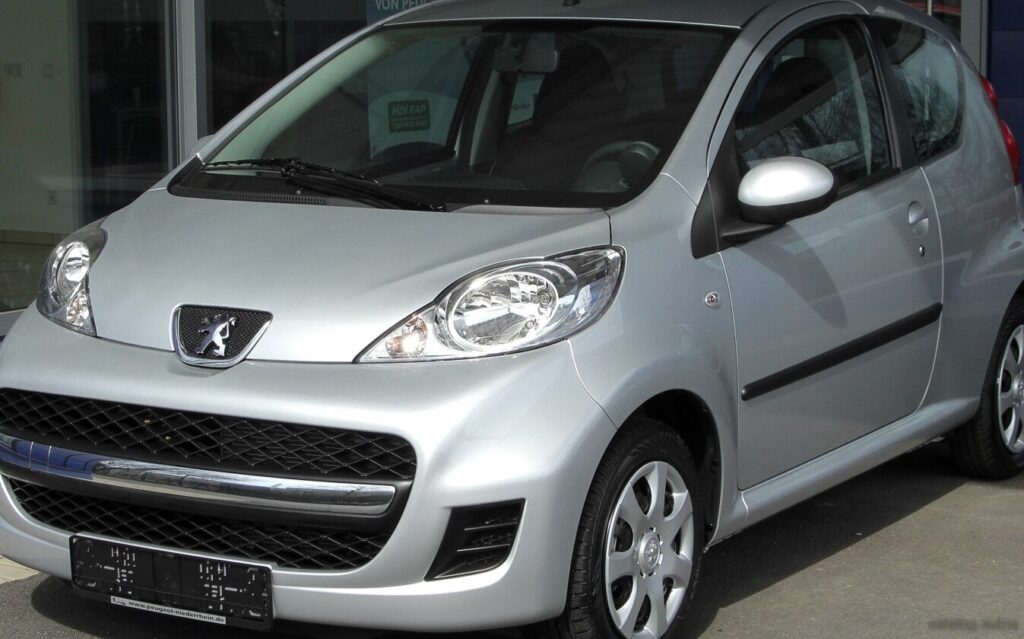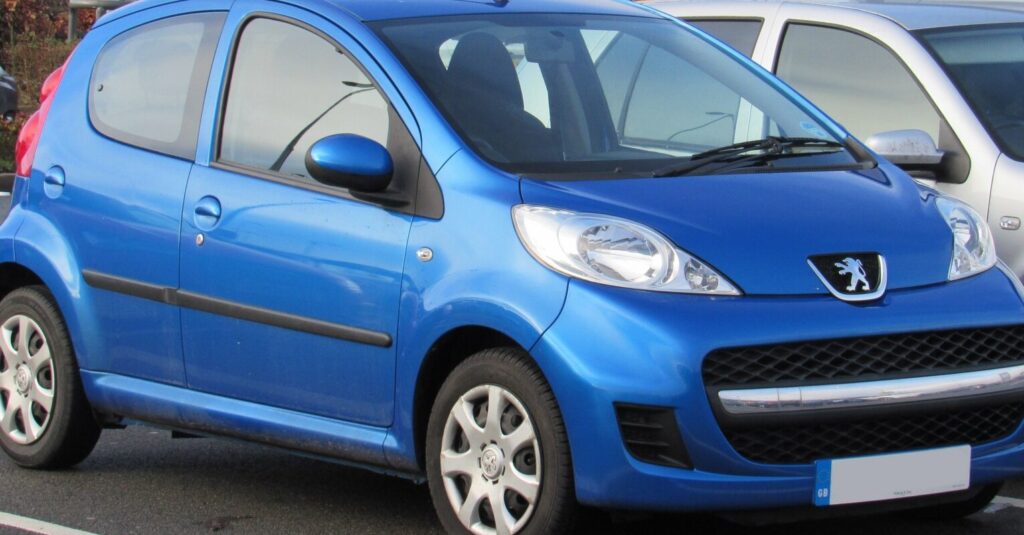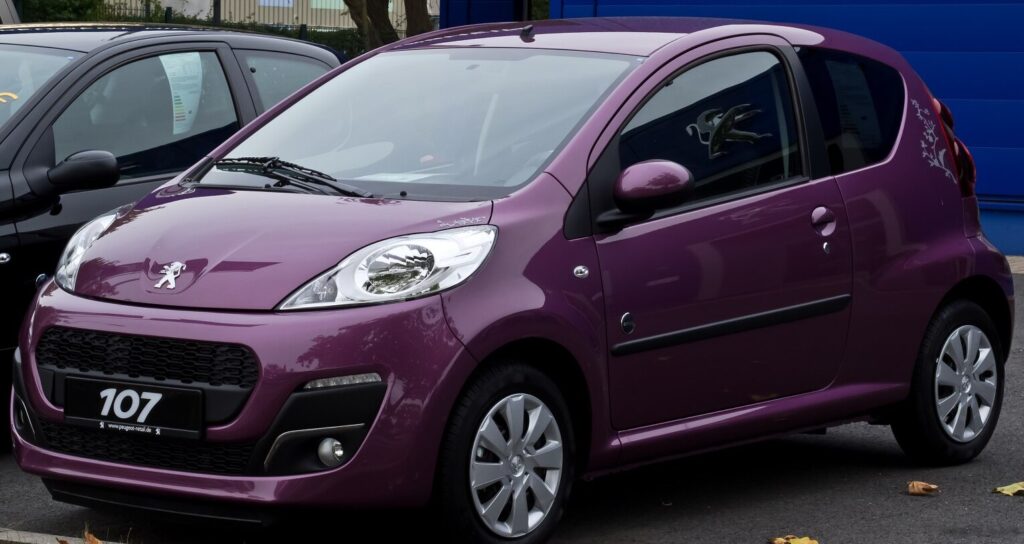
The Peugeot 107, specifically the Phase III 3-door model produced between 2012 and 2014 with the 1.0-liter 68 horsepower engine and 2-Tronic automated manual transmission, represents an entry-level offering within the broader Peugeot 107 range. This variant was part of the first generation of the 107 (A8 series), which was developed in collaboration with Toyota and Citroën, sharing its platform and many components with the Toyota Aygo and Citroën C1. The Phase III update brought minor cosmetic and equipment revisions to the existing 107 design. This particular configuration aimed to provide affordable and economical transportation, primarily targeting urban drivers and first-time car buyers.
Powertrain & Engine Architecture
The heart of this 107 variant is the CFB 1KR engine, a 998 cc inline three-cylinder petrol engine. This engine utilizes a multi-port fuel injection system and a double overhead camshaft (DOHC) valvetrain with four valves per cylinder. The engine’s design prioritizes fuel efficiency and low emissions over outright performance. It’s naturally aspirated, meaning it doesn’t employ a turbocharger or supercharger. The engine produces a maximum power output of 68 horsepower at 6000 rpm and 93 Nm (68.59 lb-ft) of torque at 3600 rpm. The compression ratio is set at 10.5:1.
Paired with this engine is the 2-Tronic transmission, a five-speed automated manual gearbox. This transmission, developed by Aisin, operates without a traditional clutch pedal, offering the convenience of an automatic while retaining some of the efficiency benefits of a manual transmission. It functions by utilizing actuators to control the clutch and gear changes. While marketed as an automatic, the 2-Tronic can exhibit slightly jerky shifts compared to a conventional torque-converter automatic, particularly at lower speeds.
Engine Specifications
The CFB 1KR engine is known for its simplicity and relatively low maintenance requirements. Engine oil capacity is 3.2 liters (3.38 US quarts / 2.82 UK quarts), and the recommended oil specification should be consulted in the vehicle’s owner’s manual. The cooling system requires approximately 4 liters (4.23 US quarts / 3.52 UK quarts) of coolant.
Driving Characteristics
The 1.0-liter 68 hp engine and 2-Tronic transmission combination delivers modest performance. Acceleration from 0 to 100 km/h (0-62 mph) takes approximately 14 seconds, and the top speed is around 157 km/h (97.56 mph). In real-world driving, this translates to adequate performance for city commuting and short trips, but it can feel strained when fully loaded or attempting to overtake on highways. The 2-Tronic transmission’s gear ratios are optimized for fuel economy rather than rapid acceleration. The shifts, while automated, aren’t as smooth or quick as those found in more sophisticated automatic transmissions. Compared to the slightly more powerful (though still modest) manual transmission versions of the 107, the 2-Tronic variant offers less driver engagement and a slightly slower overall driving experience.
Equipment & Trim Levels
The 2012-2014 Peugeot 107 Phase III 1.0 2-Tronic typically came with a basic level of standard equipment. This generally included power steering, electric front windows, a CD player with auxiliary input, and ABS (Anti-lock Braking System). Safety features were relatively minimal, reflecting the car’s entry-level positioning. Interior upholstery was typically cloth, and the dashboard featured a simple, functional design. Optional extras available for this trim could include air conditioning, alloy wheels, and a passenger airbag. The 3-door configuration meant limited rear passenger access, making it less practical for families.
Chassis & Braking
The Peugeot 107 utilizes a McPherson strut independent suspension system at the front, providing a reasonable level of ride comfort for a city car. The rear suspension employs an elastic beam setup, which is a simpler and more cost-effective design. The front brakes are ventilated discs, offering adequate stopping power, while the rear brakes are drums. This combination was chosen to balance cost and performance for the vehicle’s weight class. The steering system is an electric power steering rack and pinion, providing light and easy steering for urban maneuvering. The vehicle rides on 155/65 R14 tires mounted on 4.5J x 14 inch steel wheels.
Market Reception & Comparison
The Peugeot 107 1.0 2-Tronic was generally well-received as an affordable and economical city car. Critics praised its fuel efficiency – achieving around 4.5 l/100 km (52.3 US mpg) combined – and its compact size, making it easy to park and maneuver in urban environments. However, the 2-Tronic transmission received mixed reviews, with some testers finding its shifts to be jerky and slow. Compared to the manual transmission versions of the 107, the 2-Tronic offered less driver involvement and slightly lower fuel economy. In terms of reliability, the 107, and its Toyota Aygo/Citroën C1 siblings, generally proved to be reliable vehicles, with the 1.0-liter engine being particularly robust. However, the 2-Tronic transmission was sometimes reported to experience issues with its actuators.
Technical Specifications
| Brand | Peugeot |
| Model | 107 |
| Generation | 107 (Phase III, 2012) 3-door |
| Type (Engine) | 1.0 (68 Hp) 2-Tronic |
| Start of production | 2012 |
| End of production | 2014 |
| Powertrain Architecture | Internal Combustion engine |
| Body type | Hatchback |
| Seats | 4 |
| Doors | 3 |
| Fuel consumption (urban) | 5.4 l/100 km (43.6 US mpg) |
| Fuel consumption (extra urban) | 4 l/100 km (58.8 US mpg) |
| Fuel consumption (combined) | 4.5 l/100 km (52.3 US mpg) |
| CO2 emissions | 104 g/km |
| Fuel Type | Petrol (Gasoline) |
| Acceleration 0 – 100 km/h | 14 sec |
| Acceleration 0 – 60 mph | 13.3 sec |
| Maximum speed | 157 km/h (97.56 mph) |
| Emission standard | Euro 5 |
| Power | 68 Hp @ 6000 rpm |
| Torque | 93 Nm @ 3600 rpm (68.59 lb.-ft.) |
| Engine displacement | 998 cm3 (60.9 cu. in.) |
| Number of cylinders | 3 |
| Engine layout | Front, Transverse |
| Engine Model/Code | CFB 1KR |
| Kerb Weight | 843 kg (1858.5 lbs.) |
| Max. weight | 1180 kg (2601.45 lbs.) |
| Trunk (boot) space (min) | 130 l (4.59 cu. ft.) |
| Trunk (boot) space (max) | 712 l (25.14 cu. ft.) |
| Fuel tank capacity | 35 l (9.25 US gal) |
| Gears/Transmission | 5 gears, automatic transmission 2-Tronic |
Legacy
The Peugeot 107 1.0 2-Tronic, while not a performance icon, has proven to be a durable and economical vehicle. In the used car market, these models are typically available at very affordable prices. The CFB 1KR engine is known for its reliability, and with regular maintenance, it can provide many years of service. However, potential buyers should be aware of the potential for issues with the 2-Tronic transmission, and a thorough inspection is recommended before purchase. The 107’s simplicity and low running costs continue to make it an attractive option for budget-conscious buyers seeking a small, practical city car.