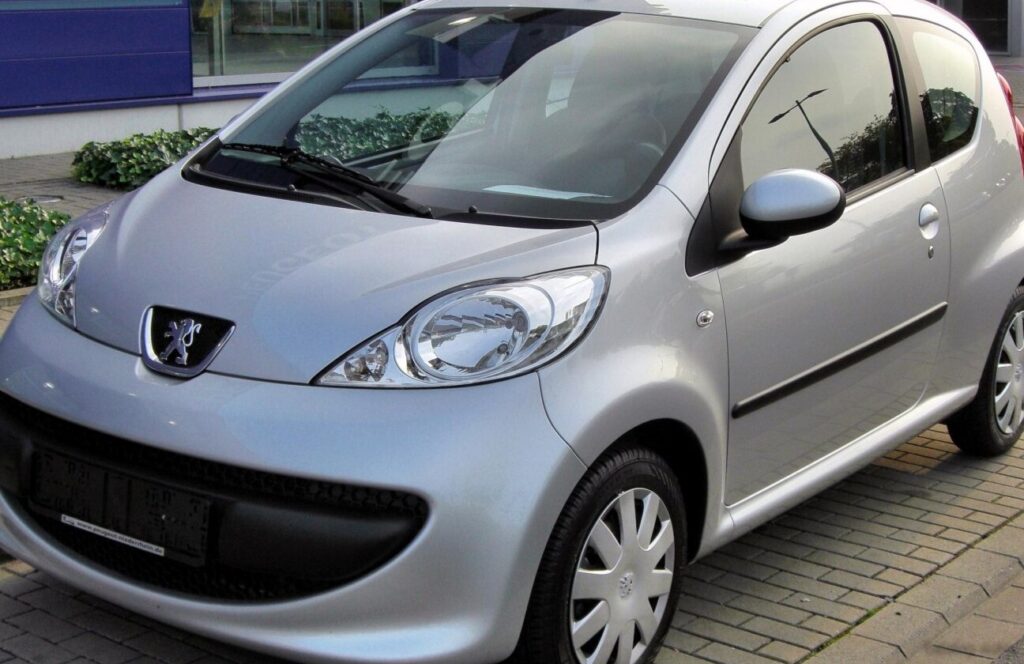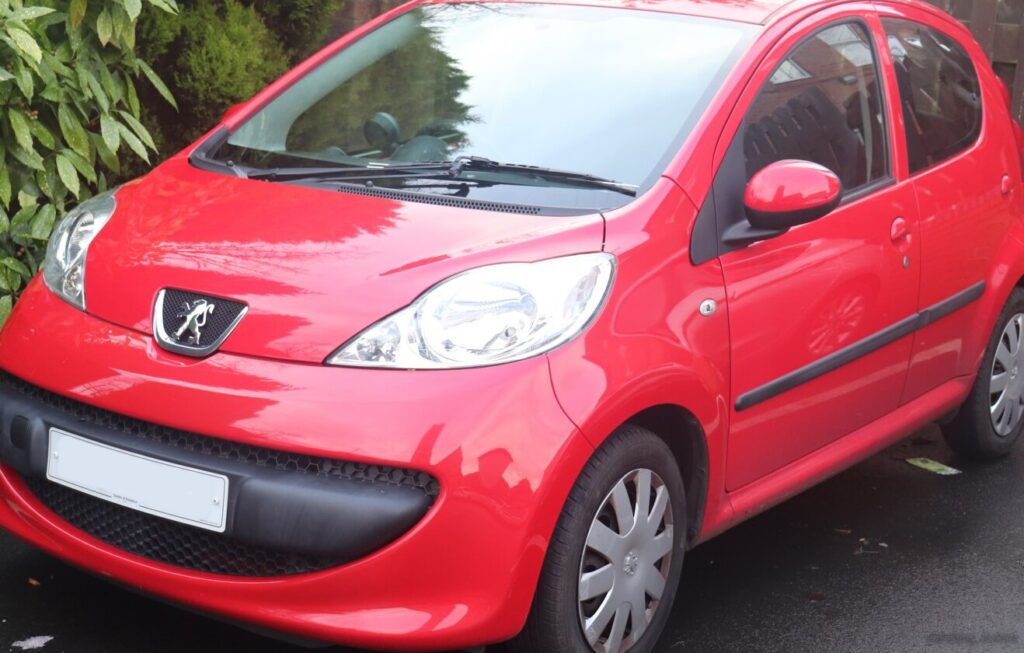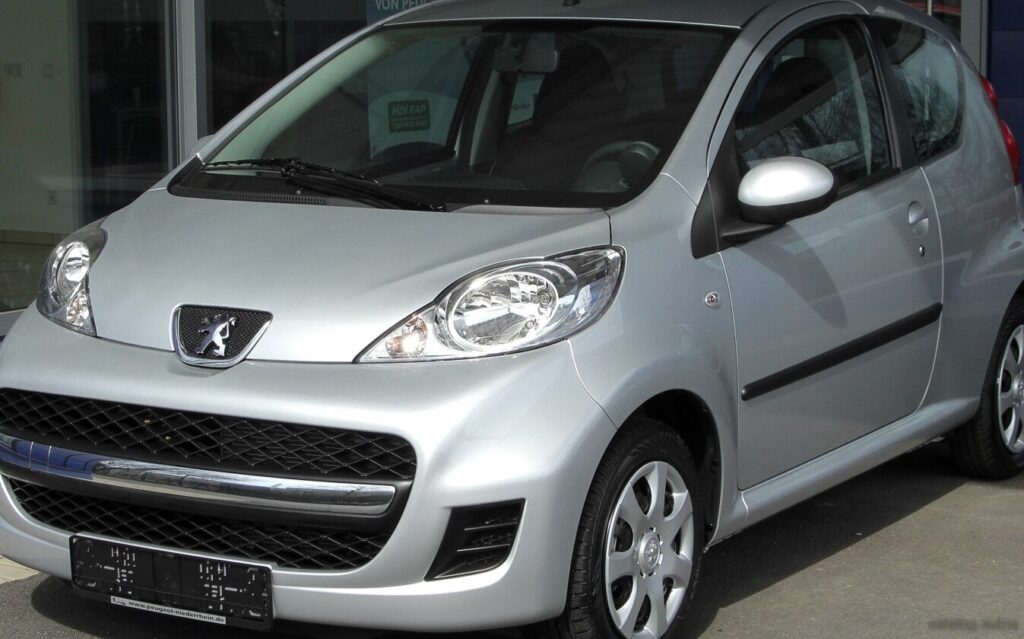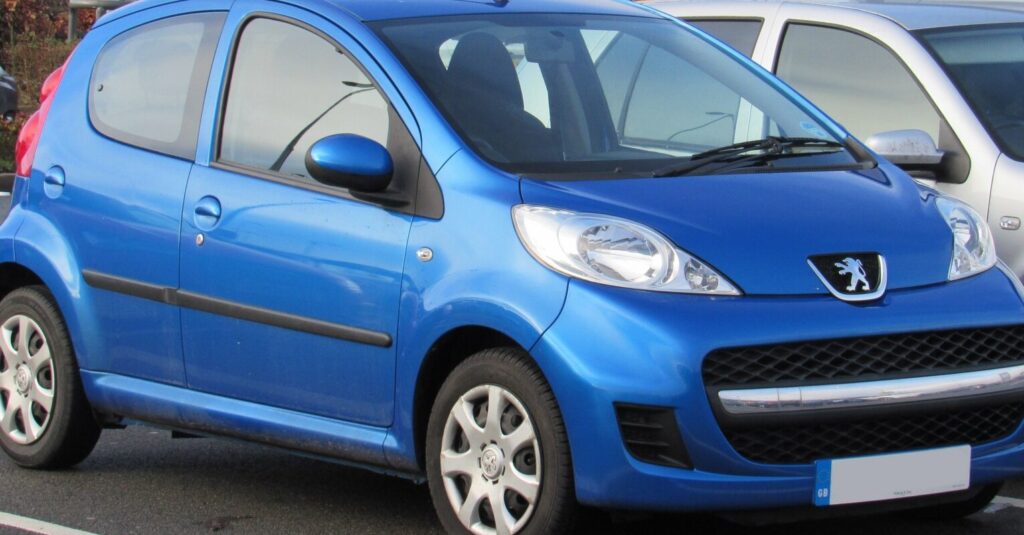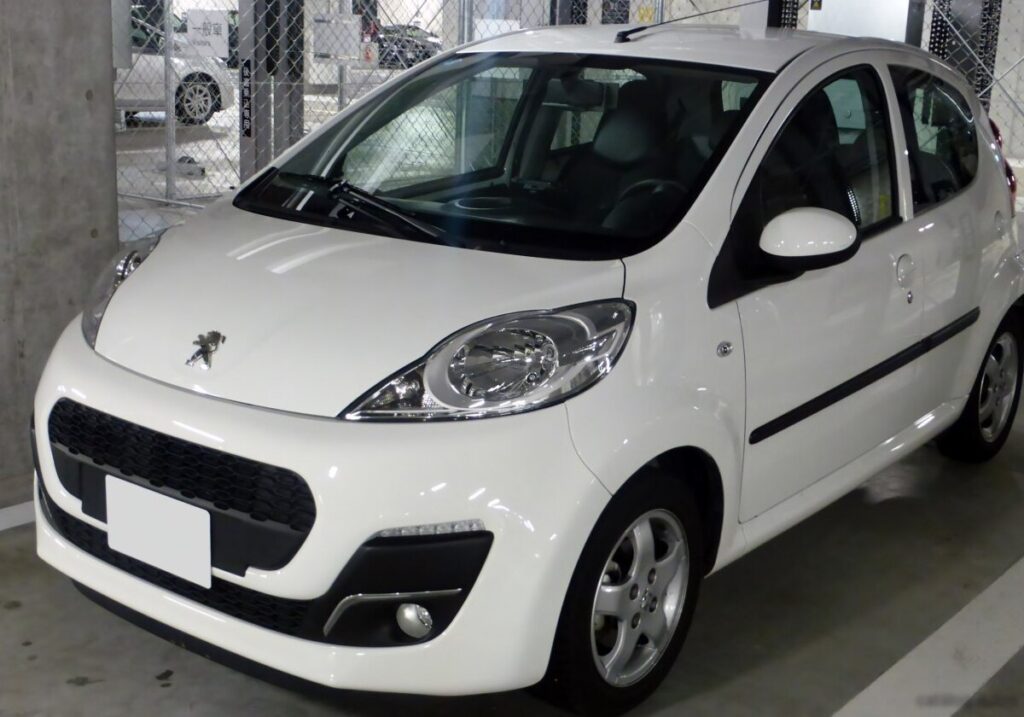
The Peugeot 107, specifically the Phase III 5-door model produced between 2012 and 2014 equipped with the 1.0-liter 68 horsepower engine, represents the final iteration of Peugeot’s entry-level city car. This variant was part of the first generation of the 107 (codenamed XM11), which was jointly developed with Toyota (as the Toyota Aygo and Citroën C1) and built at the Toyota Motor Manufacturing UK plant in France. The Phase III update brought minor cosmetic changes and refinements to the already economical and practical 107, solidifying its position as a budget-friendly option in the European microcar segment.
Peugeot 107 1.0 (68 Hp) – Overview and Positioning
The 1.0-liter 68 hp version of the Peugeot 107 Phase III occupied the base trim level within the 107 lineup. It was designed to appeal to buyers prioritizing fuel efficiency and low running costs over outright performance. Compared to the slightly more powerful (though rarely offered) 72 hp version, the 68 hp model focused on maximizing economy. It served as the gateway into the 107 range, offering a simple, affordable, and reliable mode of transportation, particularly well-suited for urban environments. The 5-door configuration added practicality for families or those frequently carrying passengers in the rear seats, distinguishing it from the also-available 3-door model.
Powertrain & Engine Architecture
At the heart of the Peugeot 107 1.0 (68 Hp) lies the CFB 1KR engine, a 998 cc inline-three cylinder petrol engine. This engine is a naturally aspirated unit featuring a double overhead camshaft (DOHC) valvetrain with four valves per cylinder. The engine utilizes a multi-port fuel injection system, delivering fuel directly into the intake ports. The 1KR engine is known for its simplicity and durability, contributing to the 107’s reputation for reliability. The engine’s bore and stroke measure 71 mm and 84 mm respectively, resulting in a compression ratio of 10.5:1. Engine oil capacity is 3.2 liters, and the recommended oil specification is crucial for maintaining engine health. Coolant capacity is 4 liters.
The engine is mated to a five-speed manual transmission, which was the standard offering for this variant. While an automated manual transmission (2-Tronic) was available as an option, the five-speed manual was the most common configuration. The transmission is front-wheel drive, and the gear ratios are optimized for fuel efficiency and low-speed maneuverability. The first gear is relatively short, aiding in quick acceleration from a standstill, while the higher gears are geared for relaxed cruising on the highway. The transmission’s simplicity contributes to its reliability and low maintenance requirements.
Driving Characteristics
The driving experience in the Peugeot 107 1.0 (68 Hp) is best described as utilitarian. With 68 horsepower and 93 Nm (68.59 lb-ft) of torque, acceleration is modest. The 0-100 km/h (0-62 mph) sprint takes approximately 13.7 seconds, and the top speed is around 157 km/h (97.56 mph). However, the 107 wasn’t designed for speed; it excels in city driving. The light weight of the vehicle (830 kg / 1829.84 lbs) helps to mitigate the lack of power, making it feel reasonably nippy in urban traffic. The five-speed manual transmission allows drivers to keep the engine in its optimal power band, maximizing efficiency and responsiveness. The steering is light and precise, making parking and maneuvering in tight spaces effortless. The suspension, while basic, provides a comfortable ride on smooth roads, although it can become a little unsettled on rough surfaces.
Equipment & Trim Levels
The Phase III 1.0-liter 107 typically came equipped with a basic but functional set of features. Standard equipment included power steering, central locking, electric front windows, and an adjustable steering column. Safety features included ABS (Anti-lock Braking System) and driver and passenger airbags. The interior upholstery was typically cloth, with a simple dashboard layout. Optional extras included air conditioning, a radio/CD player, and alloy wheels. Higher trim levels, though less common with the 1.0-liter engine, could add features like electric door mirrors and a passenger airbag deactivation switch. The 5-door configuration provided easier access to the rear seats, enhancing practicality for families.
Chassis & Braking
The Peugeot 107 utilizes a McPherson strut independent suspension system at the front, providing a reasonable level of comfort and handling. The rear suspension employs a simple elastic beam setup, which is cost-effective and space-efficient. The front brakes are ventilated discs, offering adequate stopping power, while the rear brakes are drums. The use of drum brakes on the rear was a cost-saving measure typical of vehicles in this segment. The steering system is a rack and pinion type with electric power assistance, providing light and precise steering feel. The 107 rides on 155/65 R14 tires mounted on 4.5J x 14 inch steel wheels.
Market Reception & Comparison
The Peugeot 107, and its sister models, were generally well-received by critics for their affordability, fuel efficiency, and practicality. The 1.0-liter engine was praised for its economy, achieving combined fuel consumption figures of around 4.3 l/100 km (54.7 US mpg). However, the performance was often criticized as being underpowered, particularly when the car was fully loaded. Compared to the slightly more expensive Citroën C1 and Toyota Aygo, the Peugeot 107 offered a similar driving experience and level of equipment. The 107’s reliability was generally good, although some owners reported minor issues with the engine’s cooling system. In terms of running costs, the 107 was one of the most affordable cars on the market, making it a popular choice for first-time drivers and those on a tight budget.
Technical Specifications
| Brand | Peugeot |
| Model | 107 |
| Generation | 107 (Phase III, 2012) 5-door |
| Type (Engine) | 1.0 (68 Hp) |
| Start of production | 2012 |
| End of production | 2014 |
| Engine Code | CFB 1KR |
| Engine Displacement | 998 cm3 (60.9 cu. in.) |
| Number of Cylinders | 3 (Inline) |
| Power | 68 Hp @ 6000 rpm |
| Torque | 93 Nm @ 3600 rpm (68.59 lb.-ft. @ 3600 rpm) |
| Fuel Consumption (Urban) | 5.1 l/100 km (46.1 US mpg) |
| Fuel Consumption (Extra Urban) | 3.8 l/100 km (61.9 US mpg) |
| Fuel Consumption (Combined) | 4.3 l/100 km (54.7 US mpg) |
| CO2 Emissions | 99 g/km |
| Kerb Weight | 830 kg (1829.84 lbs) |
| Maximum Speed | 157 km/h (97.56 mph) |
| Acceleration 0-100 km/h | 13.7 sec |
| Fuel Tank Capacity | 35 l (9.25 US gal) |
| Transmission | 5-speed Manual |
Legacy
The Peugeot 107 1.0 (68 Hp) has proven to be a remarkably durable and reliable vehicle. On the used car market, these models are often sought after for their low running costs and simplicity. The 1KR engine is known for its longevity, and with regular maintenance, it can easily exceed 150,000 miles. While not a performance car, the 107 remains a practical and economical choice for urban commuting and short trips. Its affordability and ease of maintenance continue to make it a popular option for budget-conscious buyers, and a testament to the successful joint venture between Peugeot, Citroën, and Toyota.