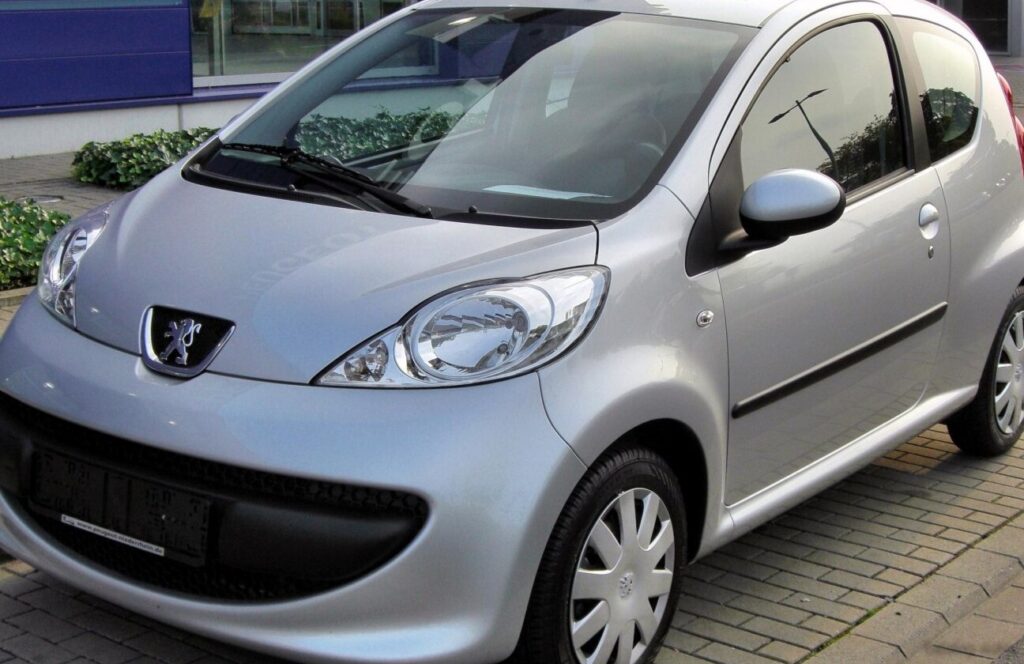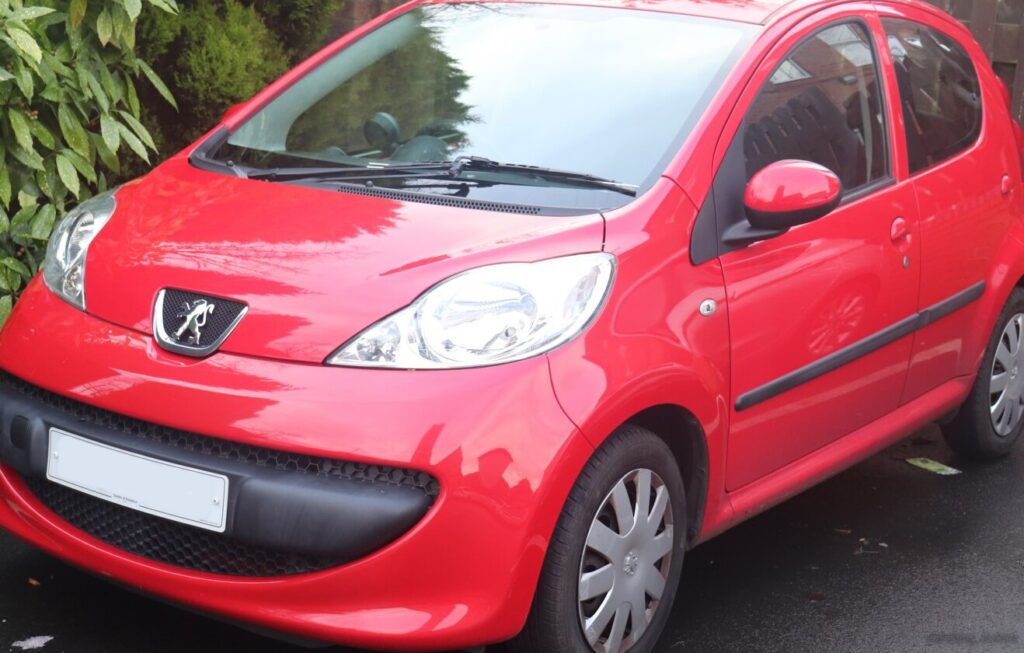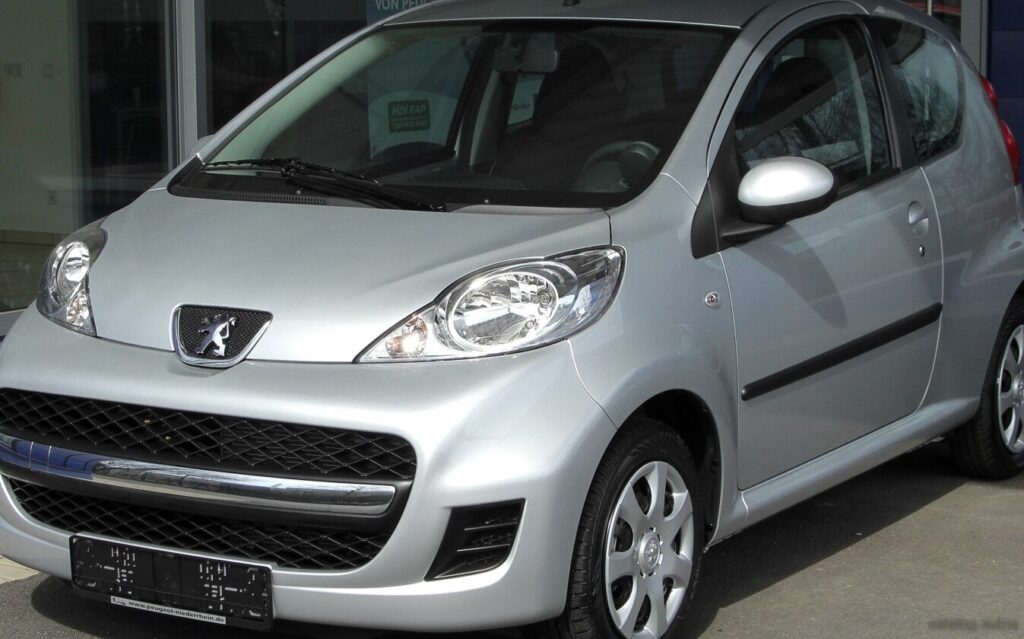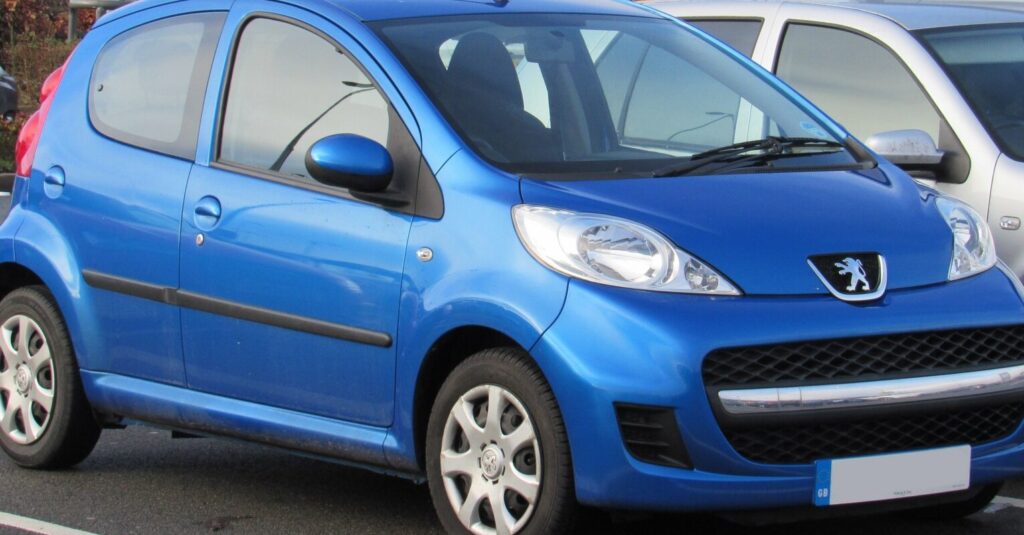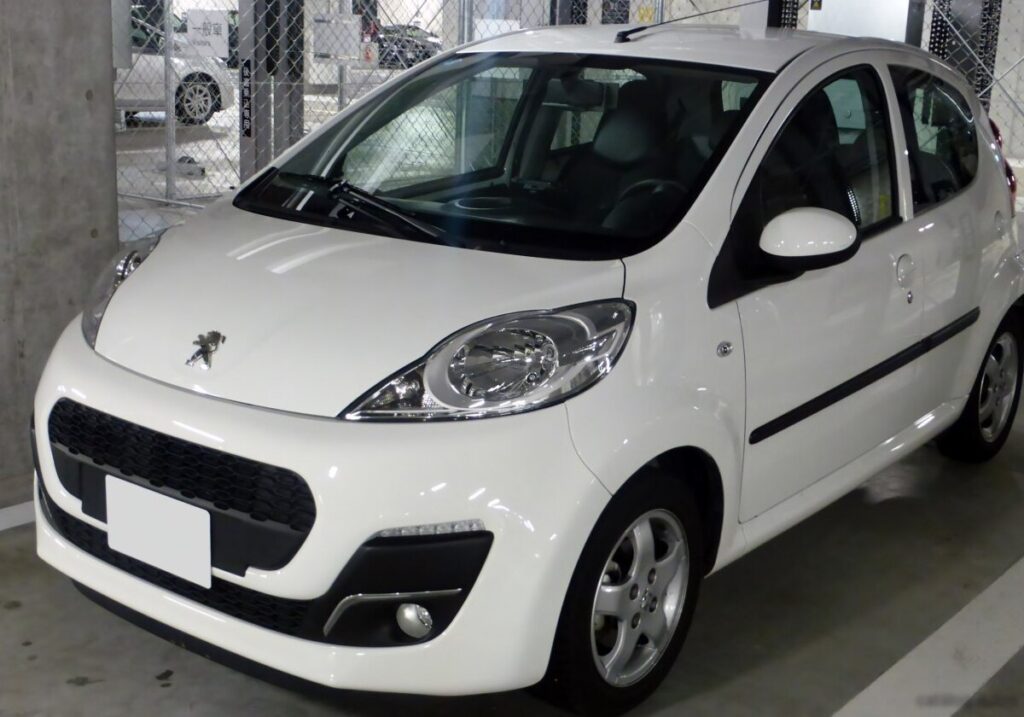
The Peugeot 107, specifically the Phase III 5-door model produced from 2012 to 2014, represents a refinement of Peugeot’s entry-level city car. This variant, equipped with a 1.0-liter engine producing 68 horsepower and a 2-Tronic automated manual transmission, occupied the base trim level within the 107 range. It was designed to offer affordable and economical transportation, primarily targeting urban drivers and first-time car buyers. The 107, along with its Citroën C1 and Toyota Aygo siblings, was built under a joint venture and shared a common platform, known internally as the A1 platform.
Peugeot 107 1.0 (68 Hp) 2-Tronic: Powertrain & Engine Architecture
The heart of this 107 variant is the CFB 1KR engine, a 998cc inline three-cylinder petrol engine. This engine falls under Peugeot’s small displacement engine family, prioritizing fuel efficiency over outright performance. It features a naturally aspirated intake and utilizes multi-port fuel injection. The engine’s valvetrain employs a Double Overhead Camshaft (DOHC) configuration with four valves per cylinder, contributing to improved breathing and efficiency. Compression ratio is set at 10.5:1. The engine produces 68 horsepower at 6000 rpm and 93 Nm (68.59 lb-ft) of torque at 3600 rpm.
Paired with this engine is the 2-Tronic transmission, a five-speed automated manual gearbox developed by Aisin. Unlike a traditional automatic transmission with a torque converter, the 2-Tronic utilizes a conventional manual gearbox with actuators controlling the clutch and gear changes. This design aims to combine the fuel efficiency of a manual transmission with the convenience of an automatic. However, it’s known for its sometimes jerky shifts, particularly at lower speeds, a characteristic that differentiates it from smoother torque converter automatics.
Engine Code & Specifics
The CFB 1KR engine code designates this specific iteration of the 1.0-liter three-cylinder. It’s a relatively simple engine design, contributing to its reliability and ease of maintenance. Engine oil capacity is 3.2 liters (3.38 US qt / 2.82 UK qt), and the recommended oil specification should be consulted in the vehicle’s owner’s manual. The cooling system requires approximately 4 liters (4.23 US qt / 3.52 UK qt) of coolant.
Driving Characteristics
The 1.8L 1.0-liter 68 hp engine and 2-Tronic transmission combination delivers modest performance. Acceleration from 0 to 100 km/h (0-62 mph) takes approximately 14 seconds, and 0-60 mph is achieved in around 13.3 seconds. The top speed is rated at 157 km/h (97.56 mph). The 2-Tronic transmission’s gear ratios are geared towards maximizing fuel economy rather than providing rapid acceleration. The power delivery is relatively linear, but the engine feels strained at higher speeds or when carrying a full load. Compared to the slightly more powerful (though still modest) manual transmission versions of the 107, the 2-Tronic feels noticeably slower, particularly during overtaking maneuvers. The automated shifting can also feel less responsive than a skilled driver using a manual gearbox.
Equipment & Trim Levels
The 1.0-liter 2-Tronic 107 typically came with a basic level of equipment, reflecting its position as the entry-level trim. Standard features generally included power steering, central locking, electric front windows, and an ABS anti-lock braking system. Interior upholstery was typically cloth, and the dashboard featured a simple, functional design. Air conditioning was often an optional extra, as were features like alloy wheels and a radio/CD player. Safety features were limited to the basics, including driver and passenger airbags. The 5-door configuration offered increased practicality compared to the 3-door model, providing easier access to the rear seats.
Chassis & Braking
The Peugeot 107 utilizes a front-engine, front-wheel-drive layout. The front suspension consists of an independent McPherson strut setup with a coil spring and anti-roll bar, providing a reasonable level of ride comfort for a city car. The rear suspension employs a simpler elastic beam configuration, which prioritizes space efficiency and cost savings. The braking system features ventilated discs on the front wheels and drum brakes on the rear. The electric power steering provides light and easy steering, making it ideal for maneuvering in tight urban environments. Tire size is typically 155/65 R14, mounted on 4.5J x 14 inch steel wheels.
Market Reception & Comparison
The Peugeot 107 1.0 2-Tronic was generally well-received as an affordable and economical city car. Critics praised its low running costs, compact size, and ease of parking. However, the 2-Tronic transmission received mixed reviews, with many testers noting its jerky shifts and lack of responsiveness. Compared to other trims in the 107 lineup, the 1.0 2-Tronic offered the lowest performance but also the lowest price. Fuel economy figures are impressive, with combined cycle consumption rated at 4.5 l/100 km (52.3 US mpg / 62.8 UK mpg), and CO2 emissions of 104 g/km. In comparison to competitors like the Fiat Panda and Toyota Aygo, the 107 offered a similar level of practicality and economy, with the 2-Tronic transmission being a key differentiator.
Technical Specifications
| Brand | Peugeot |
| Model | 107 |
| Generation | 107 (Phase III, 2012) 5-door |
| Type (Engine) | 1.0 (68 Hp) 2-Tronic |
| Start of production | 2012 |
| End of production | 2014 |
| Powertrain Architecture | Internal Combustion engine |
| Body type | Hatchback |
| Seats | 4 |
| Doors | 5 |
| Fuel consumption (urban) | 5.4 l/100 km (43.6 US mpg / 52.3 UK mpg) |
| Fuel consumption (extra urban) | 4 l/100 km (58.8 US mpg / 70.6 UK mpg) |
| Fuel consumption (combined) | 4.5 l/100 km (52.3 US mpg / 62.8 UK mpg) |
| CO2 emissions | 104 g/km |
| Fuel Type | Petrol (Gasoline) |
| Acceleration 0 – 100 km/h | 14 sec |
| Acceleration 0 – 62 mph | 14 sec |
| Acceleration 0 – 60 mph | 13.3 sec |
| Maximum speed | 157 km/h (97.56 mph) |
| Emission standard | Euro 5 |
| Weight-to-power ratio | 12.5 kg/Hp |
| Power | 68 Hp @ 6000 rpm |
| Torque | 93 Nm @ 3600 rpm (68.59 lb.-ft. @ 3600 rpm) |
| Engine layout | Front, Transverse |
| Engine Model/Code | CFB 1KR |
| Engine displacement | 998 cm3 (60.9 cu. in.) |
| Number of cylinders | 3 |
| Engine configuration | Inline |
| Cylinder Bore | 71 mm (2.8 in.) |
| Piston Stroke | 84 mm (3.31 in.) |
| Compression ratio | 10.5:1 |
| Number of valves per cylinder | 4 |
| Fuel injection system | Multi-port manifold injection |
| Engine aspiration | Naturally aspirated |
| Valvetrain | DOHC |
| Engine oil capacity | 3.2 l (3.38 US qt / 2.82 UK qt) |
| Coolant capacity | 4 l (4.23 US qt / 3.52 UK qt) |
| Kerb Weight | 850 kg (1873.93 lbs.) |
| Max. weight | 1190 kg (2623.5 lbs.) |
| Trunk (boot) space (min) | 130 l (4.59 cu. ft.) |
| Trunk (boot) space (max) | 712 l (25.14 cu. ft.) |
| Fuel tank capacity | 35 l (9.25 US gal / 7.7 UK gal) |
| Length | 3430 mm (135.04 in.) |
| Width | 1630 mm (64.17 in.) |
| Height | 1465 mm (57.68 in.) |
| Wheelbase | 2340 mm (92.13 in.) |
| Gearbox | 5 gears, automatic transmission 2-Tronic |
Legacy
The Peugeot 107 1.0 2-Tronic, while not known for its performance, has proven to be a relatively reliable and economical city car. The CFB 1KR engine is generally considered durable, and the simple design contributes to lower maintenance costs. However, the 2-Tronic transmission can be a potential weak point, with some owners reporting issues with the actuators and control unit. On the used car market, these 107s are typically available at very affordable prices, making them attractive to budget-conscious buyers. Their compact size and low running costs continue to make them a practical choice for urban commuting, despite being superseded by newer models.