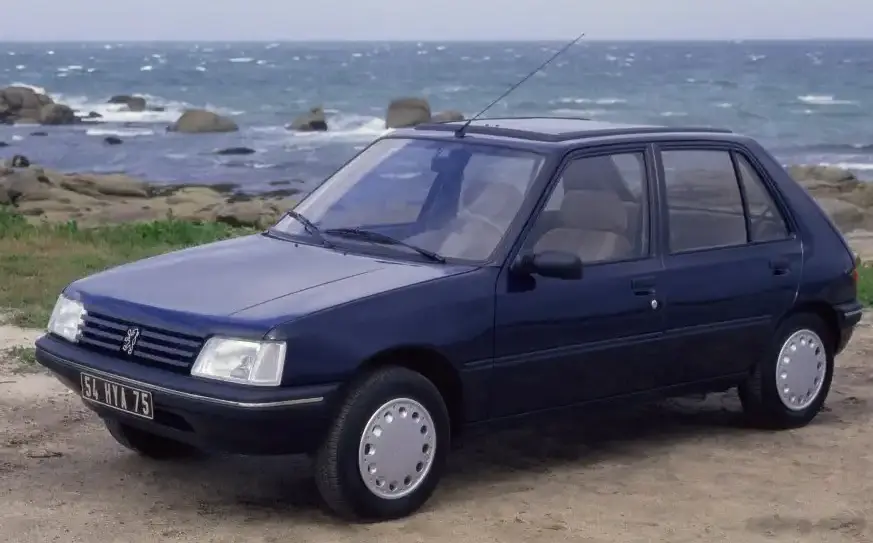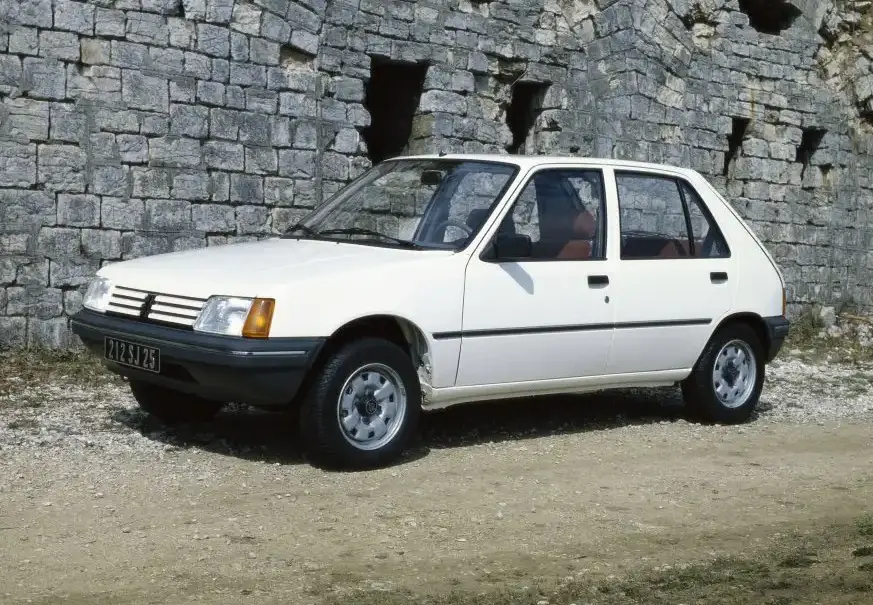
The Peugeot 205 I, specifically the 1.6-liter (72 horsepower) automatic variant produced between 1983 and 1987, represents a significant entry point into the highly successful 205 series. Falling within the 741A/C generation, this model aimed to provide comfortable and convenient transportation for a broader audience, prioritizing ease of use over outright performance. It occupied a middle-ground position in the 205 lineup, offering a step up from the base 1.0-liter models while remaining more accessible than the sportier 1.6 and 1.9 GTI versions. The 205, as a whole, was a pivotal model for Peugeot, revitalizing the supermini segment and becoming a cultural icon in Europe.
Technical Specifications
| Brand | Peugeot |
| Model | 205 |
| Generation | 205 I (741A/C) |
| Type (Engine) | 1.6 (72 Hp) Automatic |
| Start of production | 1983 |
| End of production | 1987 |
| Powertrain Architecture | Internal Combustion engine |
| Body type | Hatchback |
| Doors | 3-5 |
| Fuel Type | Petrol (Gasoline) |
| Power | 72 Hp |
| Engine Model/Code | B1E XU51C |
| Engine aspiration | Naturally aspirated engine |
| Engine oil capacity | 4.6 l (4.86 US qt | 4.05 UK qt) |
| Coolant capacity | 6.7 l (7.08 US qt | 5.9 UK qt) |
Powertrain & Engine Architecture
The heart of the 205 1.6 Automatic is the B1E XU51C engine, a 1580cc, naturally aspirated inline-four cylinder. This engine is part of the XU series, known for its robustness and relatively simple design. It features a single overhead camshaft (SOHC) operating two valves per cylinder. Fuel delivery is managed by a Bosch mechanical fuel injection system, a common setup for the era, providing a balance between efficiency and performance. The XU51C engine produces 72 horsepower at approximately 6000 rpm and 99 lb-ft of torque at 4000 rpm.
The automatic transmission paired with this engine is a three-speed unit. While not known for its speed or sophistication, it was designed for smooth operation and ease of use, aligning with the target demographic for this trim level. The transmission utilizes a traditional torque converter, providing a degree of torque multiplication at lower speeds. The gear ratios are optimized for fuel economy and comfortable cruising rather than rapid acceleration.
Driving Characteristics
The 205 1.6 Automatic delivers a comfortable, if not particularly exciting, driving experience. Acceleration is adequate for everyday driving, but noticeably slower than the manual transmission versions or the higher-powered GTI models. The three-speed automatic transmission contributes to this, with wider gear spacing and less frequent shifting. The power delivery is relatively linear, with usable torque available from mid-range engine speeds. The automatic transmission tends to hunt for gears on inclines, and kickdown response can be somewhat sluggish. Compared to the five-speed manual 1.6, the automatic version sacrifices responsiveness for convenience. The overall feel is one of relaxed motoring, suited for urban commutes and longer journeys where outright speed isn’t a priority.
Equipment & Trim Levels
The 1.6 Automatic trim level of the 205 I typically included features aimed at enhancing comfort and convenience. Standard equipment generally included cloth upholstery, a basic instrument cluster, and a four-speaker radio. Power steering was often an optional extra, as was air conditioning. Interior trim levels varied, with some models featuring upgraded seat fabrics and door panels. The dashboard layout is functional and straightforward, with clearly labeled controls. The 3-door and 5-door body styles were both available with this engine/transmission combination, offering varying levels of practicality. Optional extras could include a sunroof, upgraded wheels, and tinted glass.
Chassis & Braking
The 205 1.6 Automatic utilizes a MacPherson strut front suspension and a torsion beam rear suspension. This setup provides a good balance between ride comfort and handling. The torsion beam rear suspension is a cost-effective solution that contributes to the car’s relatively light weight. Braking is typically accomplished with disc brakes on the front wheels and drum brakes on the rear wheels. The braking system is adequate for the car’s performance, but lacks the stopping power of the GTI models which often featured larger brakes. Stabilizer bars were often fitted to improve handling, though their thickness could vary depending on the specific trim level and optional equipment.
Market Reception & Comparison
The Peugeot 205 1.6 Automatic was generally well-received as a practical and affordable family car. Critics praised its comfortable ride, ease of use, and relatively low running costs. However, it was often criticized for its lack of performance compared to other 205 variants and its competitors. Fuel economy was a strong point, averaging around 32-38 mpg in mixed driving conditions. Compared to the 1.6 manual, the automatic version offered less driver engagement but greater convenience. Against rivals like the Renault 5 and Citroën Visa, the 205 1.6 Automatic held its own in terms of build quality and interior space. The 1.9 TDI models, introduced later in the 205’s lifespan, offered significantly better fuel economy and torque, but at a higher price point.
Legacy
The Peugeot 205 1.6 Automatic, while not the most iconic version of the 205, remains a popular choice among classic car enthusiasts and those seeking a reliable and affordable vintage vehicle. The XU51C engine is known for its durability, and with proper maintenance, can provide many years of service. Parts availability is generally good, although some trim-specific components may be difficult to find. Today, these cars are often sought after as affordable entry points into classic French motoring, offering a charming and nostalgic driving experience. The automatic transmission, while not highly regarded by performance enthusiasts, adds to the car’s appeal for those seeking a relaxed and easy-to-drive classic. The 205’s overall impact on the supermini segment is undeniable, and the 1.6 Automatic played a role in making this iconic car accessible to a wider range of buyers.