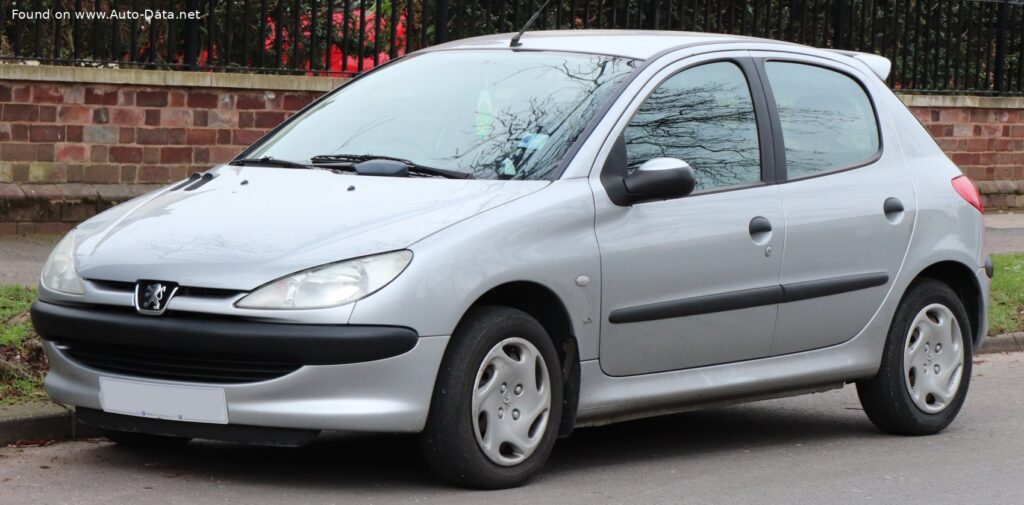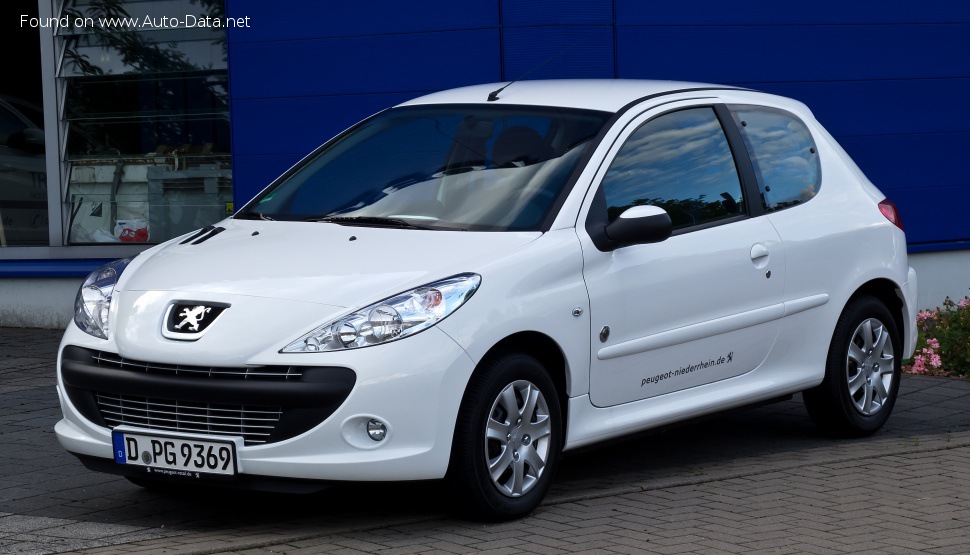
The Peugeot 206+ 1.1i (60 hp) was a budget-focused variant of the 206+ model, produced from 2009 to 2013. It represented the entry point into the 206+ range, a facelifted and updated version of the highly successful Peugeot 206. The 206+ was designed to offer a more affordable and contemporary option in the supermini segment, extending the life of the 206 platform. This particular 1.1-liter engine and five-speed manual transmission combination was aimed at drivers prioritizing fuel economy and low running costs over outright performance. It was primarily sold in European markets, particularly where smaller, economical cars were in high demand.
The 1.1i Variant: Positioning and Target Audience
Within the 206+ lineup, the 1.1i 60 hp model occupied the base trim level. It was positioned below the 1.4-liter and 1.6-liter gasoline engines, as well as the 1.4-liter HDi diesel option. The target audience for this variant was primarily first-time car buyers, city dwellers, and individuals seeking a reliable and inexpensive mode of transportation. It was often favored by driving schools and those on a tight budget. The 1.1i offered a practical and economical solution for everyday commuting and short trips, sacrificing performance for affordability.
Powertrain & Engine Architecture
The heart of the 206+ 1.1i is the HFX (TU1A or TU1JP) inline-four cylinder gasoline engine, displacing 1,124 cubic centimeters (68.59 cubic inches). This engine is a naturally aspirated, single overhead camshaft (SOHC) design, utilizing a multi-port fuel injection system. The engine’s architecture is relatively simple and robust, contributing to its reliability and ease of maintenance. The HFX engine is known for its durability, though it lacks the sophistication of more modern engine designs.
The engine produces a maximum power output of 60 horsepower (44.7 kW) at 5,500 rpm and 94 Newton-meters (69.33 lb-ft) of torque at 2,700 rpm. This modest output is delivered through a five-speed manual transmission, which is the only transmission option available with this engine. The transmission is a conventional setup, designed for smooth and reliable operation. The gear ratios are optimized for fuel efficiency and low-speed drivability, rather than sporty acceleration.
Engine Codes and Variations
The HFX engine code encompasses both the TU1A and TU1JP variants. While largely similar, the TU1JP version incorporated minor improvements to the cylinder head and intake manifold for slightly enhanced performance and emissions control. Both versions share the same basic architecture and are largely interchangeable. The engine’s compression ratio is 10.2:1, a typical value for a naturally aspirated gasoline engine of this era.
Driving Characteristics
The driving experience in the 206+ 1.1i is characterized by its relaxed and unhurried nature. Acceleration is modest, taking approximately 15.2 seconds to reach 100 km/h (62 mph) and 14.4 seconds to reach 60 mph. The engine feels strained at higher speeds, and overtaking maneuvers require careful planning. However, within urban environments, the 1.1i provides sufficient power for everyday driving. The five-speed manual transmission allows for efficient cruising at highway speeds, although the engine can feel underpowered when climbing hills or carrying a full load.
The gear ratios are relatively long, prioritizing fuel economy over rapid acceleration. The clutch is light and easy to operate, making it suitable for novice drivers. The steering is precise and responsive, providing a confident feel in corners. Overall, the driving experience is best described as practical and economical, rather than exciting or engaging.
Equipment & Trim Levels
The 206+ 1.1i typically came equipped with a basic level of standard features. These generally included power steering, central locking, front airbags, and an adjustable steering column. Interior upholstery was typically cloth, with a simple and functional dashboard layout. Air conditioning was often an optional extra, as were features such as electric windows and a radio/CD player. Higher trim levels within the 206+ range offered more luxurious features, but the 1.1i was deliberately kept spartan to maintain its affordability.
Optional extras available for the 1.1i included alloy wheels, a sunroof, and upgraded audio systems. However, these options were rarely specified, as buyers of this variant typically prioritized cost savings over additional features.
Chassis & Braking
The 206+ 1.1i utilizes a MacPherson strut front suspension and a torsion beam rear suspension. This setup provides a comfortable ride quality, although it is not particularly sporty. The torsion beam rear suspension is a cost-effective solution that minimizes complexity and weight. The front brakes are ventilated discs, while the rear brakes are drums. This configuration is typical for a vehicle in this weight class and provides adequate stopping power for everyday driving. Anti-lock Braking System (ABS) was standard equipment, enhancing safety in emergency braking situations.
The 206+ 1.1i has a curb weight of 930 kg (2050.3 lbs), which contributes to its relatively good fuel economy. The tires are typically 175/65 R14 T size, mounted on 14-inch steel wheels.
Market Reception & Comparison
The Peugeot 206+ 1.1i received mixed reviews from automotive critics. While praised for its affordability and fuel economy, it was often criticized for its lack of performance and basic interior. Compared to the 1.4-liter and 1.6-liter gasoline engines, the 1.1i felt significantly underpowered. The 1.4-liter HDi diesel offered better fuel economy and more torque, but at a higher purchase price. However, the 1.1i remained a popular choice for budget-conscious buyers, particularly in markets where fuel costs were high.
Fuel economy figures for the 206+ 1.1i are impressive, with combined fuel consumption of 5.8 l/100 km (40.6 US mpg, 48.7 UK mpg). CO2 emissions are rated at 133 g/km, placing it within the lower emission brackets for vehicles of its era.
Technical Specifications
| Brand | Peugeot |
| Model | 206+ |
| Generation | 206+ |
| Type (Engine) | 1.1i (60 Hp) |
| Start of production | 2009 |
| End of production | 2013 |
| Powertrain Architecture | Internal Combustion engine |
| Body type | Hatchback |
| Seats | 5 |
| Doors | 3-5 |
| Fuel consumption (urban) | 7.8 l/100 km (30.2 US mpg) |
| Fuel consumption (extra urban) | 4.6 l/100 km (51.1 US mpg) |
| Fuel consumption (combined) | 5.8 l/100 km (40.6 US mpg) |
| CO2 emissions | 133 g/km |
| Fuel Type | Petrol (Gasoline) |
| Acceleration 0 – 100 km/h | 15.2 sec |
| Acceleration 0 – 60 mph | 14.4 sec |
| Maximum speed | 155 km/h (96.31 mph) |
| Emission standard | Euro 5 |
| Power | 60 Hp @ 5500 rpm |
| Torque | 94 Nm @ 2700 rpm (69.33 lb.-ft. @ 2700 rpm) |
| Engine layout | Front, Transverse |
| Engine Model/Code | HFX TU1A, HFX TU1JP |
| Engine displacement | 1124 cm3 (68.59 cu. in.) |
| Number of cylinders | 4 |
| Cylinder Bore | 72 mm (2.83 in.) |
| Piston Stroke | 69 mm (2.72 in.) |
| Compression ratio | 10.2:1 |
| Kerb Weight | 930 kg (2050.3 lbs.) |
| Trunk (boot) space – minimum | 210 l (7.42 cu. ft.) |
| Trunk (boot) space – maximum | 992 l (35.03 cu. ft.) |
| Fuel tank capacity | 50 l (13.21 US gal) |
Legacy
The Peugeot 206+ 1.1i remains a relatively common sight on European roads today, thanks to its affordability and reliability. The HFX engine is known for its durability, and with regular maintenance, it can provide many years of service. However, parts availability may become an issue as the model ages. In the used car market, the 1.1i commands a low price, making it an attractive option for budget-conscious buyers. While it may not offer the performance or features of more modern vehicles, it remains a practical and economical choice for those seeking a simple and reliable mode of transportation.