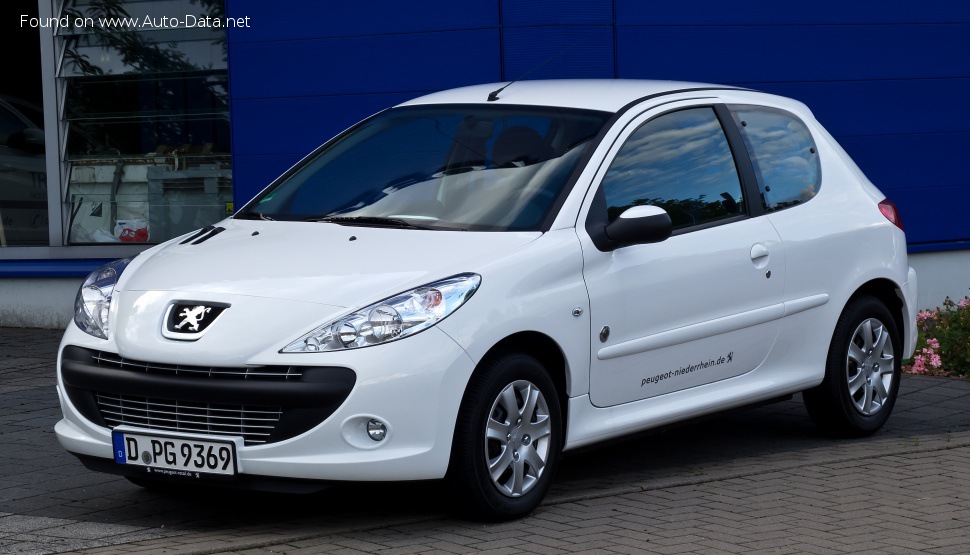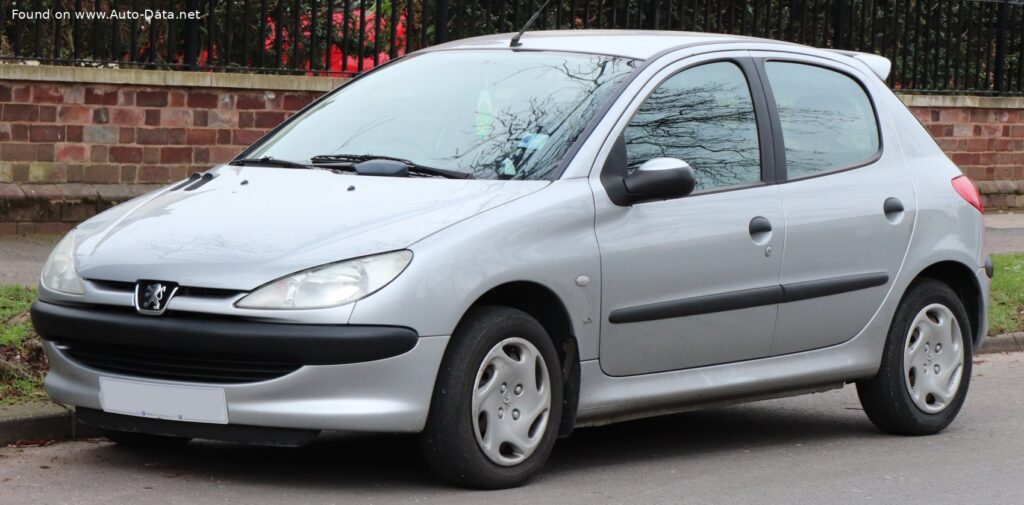
The Peugeot 206 1.1i, producing 60 horsepower, was a mainstay of the Peugeot 206 range from its introduction in 1998 until 2003. Positioned as the entry-level model, it represented an affordable and economical option within the broader 206 lineup, which also included more powerful variants like the 1.6L and 2.0L petrol engines, as well as diesel options. The 206 itself was built on the Peugeot 206 platform (T1 platform), and was a significant model for Peugeot, representing a move towards more modern design and engineering. This particular 1.1i variant was primarily aimed at first-time car buyers, city commuters, and those prioritizing fuel efficiency over outright performance.
Peugeot 206 1.1i: An Overview
The 1.1i version of the Peugeot 206 was characterized by its small displacement engine and focus on practicality. It was available in both 3-door and 5-door hatchback configurations, offering a degree of flexibility to suit different needs. While not a performance-oriented model, the 1.1i provided reliable transportation and was known for its relatively low running costs. It served as a gateway into the 206 range, attracting buyers who might otherwise have considered older or smaller vehicles.
Powertrain & Engine Architecture
At the heart of the 206 1.1i lies the HFY (or sometimes TU1JP) engine, a 1.124-liter (68.59 cubic inches) inline-four cylinder petrol engine. This engine utilizes a naturally aspirated intake and a multi-port fuel injection system. The engine’s valvetrain consists of an overhead camshaft (OHC) design with two valves per cylinder. The compression ratio is set at 10.2:1. The engine produces 60 hp at 5500 rpm and 91 Nm (67.12 lb-ft) of torque at 2600 rpm. The engine oil capacity is 3 liters (3.17 US quarts / 2.64 UK quarts) and requires a specification that was typically detailed in the owner’s manual. The cooling system holds 7 liters (7.4 US quarts / 6.16 UK quarts) of coolant.
The 206 1.1i was primarily offered with a 5-speed manual transmission. While an automatic transmission was available in some markets, it was less common and often resulted in a further reduction in performance and fuel economy. The manual gearbox was designed for durability and ease of use, contributing to the car’s overall reliability.
Driving Characteristics
The driving experience in the 206 1.1i is best described as utilitarian. Acceleration is modest, taking approximately 15.2 seconds to reach 100 km/h (62 mph) and around 14.4 seconds to reach 60 mph. The top speed is rated at 158 km/h (98.18 mph). The engine’s torque peak at 2600 rpm means that it feels relatively responsive in city driving, but struggles when faced with steep inclines or when fully loaded. The 5-speed manual transmission allows drivers to keep the engine in its optimal power band, but requires frequent gear changes to maintain momentum. Compared to the more powerful 1.6L and 2.0L versions, the 1.1i feels significantly slower and less refined. However, its lightweight construction and nimble handling make it enjoyable to drive in urban environments.
Equipment & Trim Levels
The 1.1i typically came with a basic level of equipment, reflecting its position as the entry-level model. Standard features generally included power steering, central locking, and an immobilizer. Interior upholstery was typically cloth, and the dashboard featured a simple, functional design. Optional extras included air conditioning, electric windows, and a radio/CD player. Higher trim levels, such as the ‘LX’ or ‘GL’ variants, added features like alloy wheels, upgraded interior trim, and additional safety equipment. The 3-door version often appealed to younger drivers, while the 5-door offered greater practicality for families.
Chassis & Braking
The Peugeot 206 1.1i utilizes a front-wheel-drive layout with a spring strut suspension system at the front and a torsion beam suspension at the rear. This suspension setup provides a comfortable ride quality, although it is not particularly sporty. The front brakes are disc brakes, while the rear brakes are drum brakes. Anti-lock Braking System (ABS) was often included as standard equipment, enhancing safety. The steering is a hydraulic power steering system, providing light and easy steering feel. The vehicle rides on 165/70R13 tires, which contribute to its fuel efficiency and ride comfort.
Market Reception & Comparison
The Peugeot 206 1.1i was generally well-received by critics as an affordable and practical city car. Its fuel economy – around 8.2 l/100 km (28.7 US mpg) in urban conditions and 5.1 l/100 km (46.1 US mpg) on the extra-urban cycle – was a major selling point. However, its lack of power was often criticized, particularly when compared to competitors like the Renault Clio and Volkswagen Polo. In terms of reliability, the 1.1i engine proved to be relatively robust, although regular maintenance was essential. Compared to the higher-output 1.6L and 2.0L versions of the 206, the 1.1i offered significantly lower running costs but at the expense of performance and refinement. The diesel variants offered even better fuel economy, but were typically more expensive to purchase.
Technical Specifications
| Engine Displacement | 1124 cm3 (68.59 cu. in.) |
| Engine Code | HFY / TU1JP |
| Number of Cylinders | 4, Inline |
| Fuel Type | Petrol (Gasoline) |
| Maximum Power | 60 hp @ 5500 rpm |
| Maximum Torque | 91 Nm (67.12 lb-ft) @ 2600 rpm |
| Compression Ratio | 10.2:1 |
| Fuel Injection | Multi-port |
| Valvetrain | OHC, 2 valves/cylinder |
| Transmission | 5-speed Manual (primarily) |
| Drive Wheels | Front Wheel Drive |
| Kerb Weight | 910 kg (2006.21 lbs) |
| Maximum Weight | 1405 kg (3097.49 lbs) |
| Fuel Tank Capacity | 55 l (14.53 US gal / 12.1 UK gal) |
| 0-100 km/h | 15.2 sec |
| Top Speed | 158 km/h (98.18 mph) |
| Trunk Space (min/max) | 245 l / 1130 l (8.65 cu. ft / 39.91 cu. ft) |
Legacy
The Peugeot 206 1.1i remains a popular choice in the used car market, particularly for those seeking an affordable and reliable city car. The HFY/TU1JP engine is known for its durability, and parts are readily available. While not a particularly exciting vehicle to drive, its low running costs and practicality make it a sensible option for first-time car buyers or those on a tight budget. However, potential buyers should be aware of the age-related issues common to all 206 models, such as corrosion and wear and tear on suspension components. The 1.1i variant, due to its lower stress levels on the engine, often presents a more reliable long-term ownership experience compared to the higher-performance models.