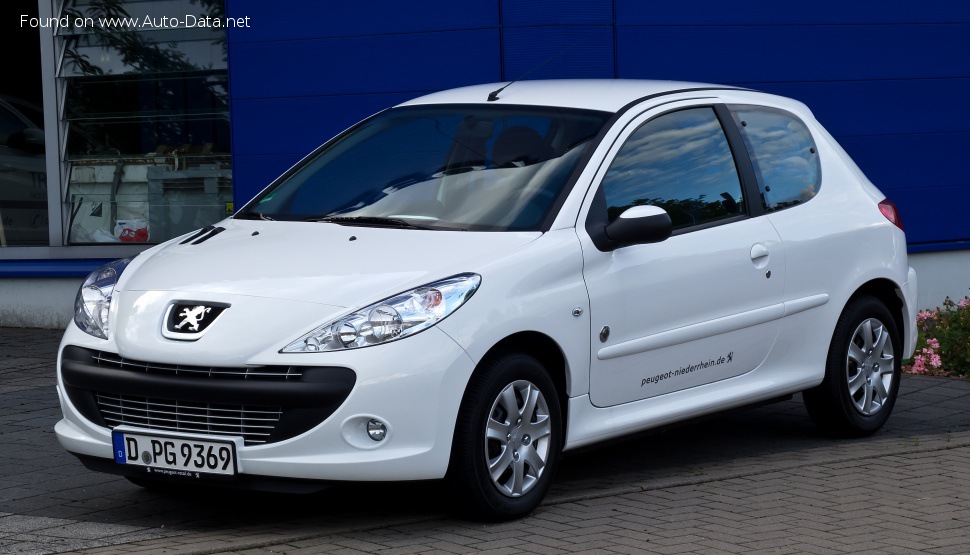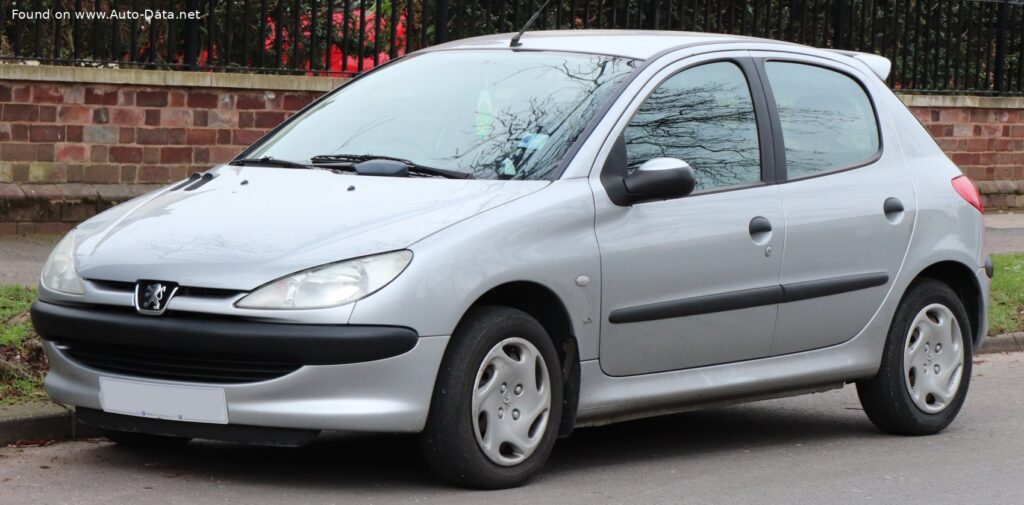
The Peugeot 206 1.6i, producing 88 horsepower, was a popular variant of the 206 series produced between 1998 and 2003. Positioned as a mid-range offering within the 206 lineup, it served as a step up from the base 1.4-liter models, providing a balance between affordability, fuel economy, and performance. The 206, built on the T1 platform, was a significant model for Peugeot, representing a move towards more modern design and engineering. This 1.6i version aimed to appeal to buyers seeking a practical and reliable hatchback with a bit more punch than the entry-level options.
Peugeot 206 1.6i: A Detailed Overview
The 1.6i variant of the Peugeot 206 was available in both 3-door and 5-door hatchback configurations, catering to different lifestyle needs. It quickly became a common sight on European roads, known for its compact size, nimble handling, and relatively low running costs. The engine, designated NFZ (TU5JP), was a key component of Peugeot’s engine family at the time, and its robust design contributed to the 206’s reputation for dependability.
Powertrain & Engine Architecture
At the heart of the 206 1.6i lies the NFZ (TU5JP) 1.6-liter inline four-cylinder gasoline engine. This engine utilizes a multi-port fuel injection system, delivering fuel directly into the intake ports just before the intake valves. The engine features a double overhead camshaft (DOHC) valvetrain, operating two valves per cylinder (two intake and two exhaust). This configuration optimizes airflow and contributes to the engine’s power output. The compression ratio is set at 10.2:1, a common figure for naturally aspirated engines of this era, balancing performance and fuel efficiency.
While a five-speed manual transmission was the most common pairing for the 1.6i, an optional four-speed automatic transmission was also available. This automatic gearbox, though providing convenience, was generally considered less responsive and slightly less fuel-efficient than the manual counterpart. The automatic transmission featured standard torque converter technology and electronic control for smoother shifting. The engine produces 88 hp at 5600 rpm and 135 Nm (99.57 lb-ft) of torque at 3000 rpm. The engine’s transverse mounting and front-wheel-drive configuration contribute to the 206’s compact footprint and efficient packaging.
Driving Characteristics
The 206 1.6i offered a noticeable improvement in performance compared to the 1.4-liter models. Acceleration from 0 to 100 km/h (0-62 mph) took approximately 12.5 seconds, while 0-60 mph was achieved in around 11.9 seconds. The top speed was rated at 185 km/h (114.95 mph). While not a sports car, the 1.6i provided sufficient power for everyday driving, including highway cruising and overtaking maneuvers. The manual transmission versions felt more engaging and responsive, allowing drivers to fully utilize the engine’s power band. The automatic transmission, while convenient, resulted in slightly slower acceleration and a less direct driving experience.
The 206’s relatively light weight (around 1025 kg or 2259.74 lbs) contributed to its nimble handling. The steering was precise and well-weighted, making it enjoyable to drive on winding roads. The suspension, while basic, provided a comfortable ride for passengers, absorbing bumps and imperfections in the road surface effectively. The gear ratios in the manual transmission were well-chosen, providing good acceleration in lower gears and comfortable cruising at higher speeds.
Equipment & Trim Levels
The 1.6i trim level typically included features such as power steering, central locking, electric front windows, and an adjustable steering column. Air conditioning was often an optional extra. Interior upholstery was typically cloth, with a range of colors and patterns available. The dashboard layout was functional and straightforward, with easy-to-read gauges and controls. Higher trim levels, such as the ‘Equip’ or ‘Sport’ variants, added features like alloy wheels, a CD player, and upgraded interior trim. Safety features included ABS (Anti-lock Braking System) as standard equipment, enhancing braking performance and stability.
Chassis & Braking
The Peugeot 206 1.6i utilized a spring strut suspension system at the front and a torsion beam suspension at the rear. This setup provided a good balance between ride comfort and handling. The front brakes were disc brakes, offering superior stopping power compared to drum brakes. However, the rear brakes were typically drum brakes, a cost-saving measure common in vehicles of this class. The steering system employed a rack and pinion setup with hydraulic power assistance, providing precise and responsive steering feel. Tire size was typically 175/65R14.
Market Reception & Comparison
The Peugeot 206 1.6i was generally well-received by automotive critics. It was praised for its stylish design, comfortable interior, and enjoyable driving dynamics. Compared to the base 1.4-liter models, the 1.6i offered a significant improvement in performance, making it a more appealing option for drivers who frequently traveled on highways or carried passengers. Compared to the higher-performance 2.0-liter models (like the GTI), the 1.6i was more affordable and fuel-efficient, but lacked the same level of excitement. Fuel economy was respectable, with combined fuel consumption figures around 7.3 l/100km (32.2 US mpg). Reliability was generally good, although some owners reported minor issues with the electrical system.
Technical Specifications
| Engine Type | 1.6L Inline-4 Gasoline |
| Engine Code | NFZ (TU5JP) |
| Displacement | 1587 cm³ (96.84 cu in) |
| Power | 88 hp @ 5600 rpm |
| Torque | 135 Nm (99.57 lb-ft) @ 3000 rpm |
| Compression Ratio | 10.2:1 |
| Fuel Injection | Multi-port Fuel Injection |
| Valvetrain | DOHC, 2 valves/cylinder |
| Transmission | 5-speed Manual or 4-speed Automatic |
| Drive Wheels | Front Wheel Drive |
| Kerb Weight | 1025 kg (2259.74 lbs) |
| Maximum Weight | 1525 kg (3362.05 lbs) |
| Fuel Tank Capacity | 50 L (13.21 US gal) |
| 0-100 km/h | 12.5 sec |
| Top Speed | 185 km/h (114.95 mph) |
Legacy
The Peugeot 206 1.6i remains a popular choice in the used car market, particularly for its affordability and reliability. The NFZ engine is known for its durability, and with proper maintenance, it can provide many years of service. While the automatic transmission versions are less sought after, the manual transmission models are highly regarded by enthusiasts. The 206’s compact size and nimble handling make it a practical and enjoyable car for city driving. Parts availability is generally good, and maintenance costs are relatively low. The 206 1.6i represents a sweet spot in the 206 lineup, offering a good balance of performance, economy, and practicality.