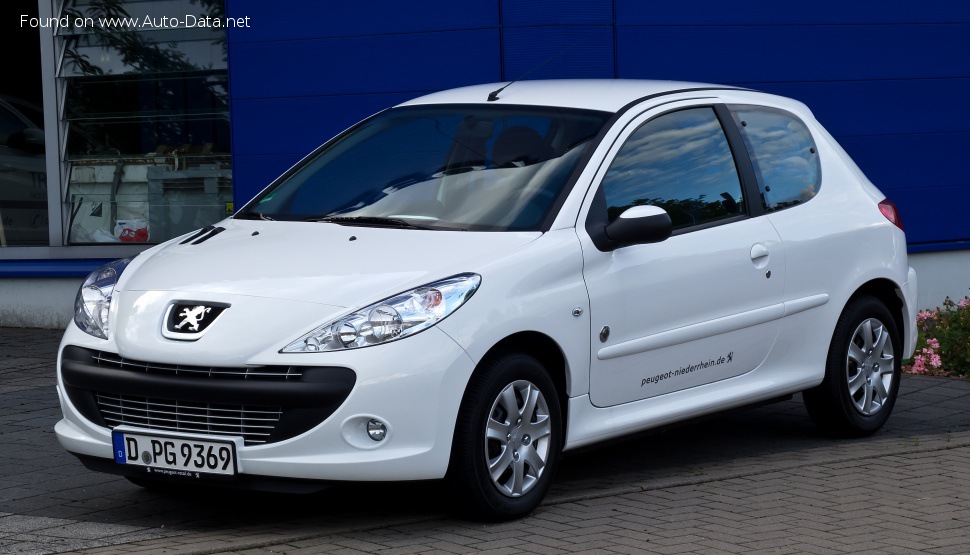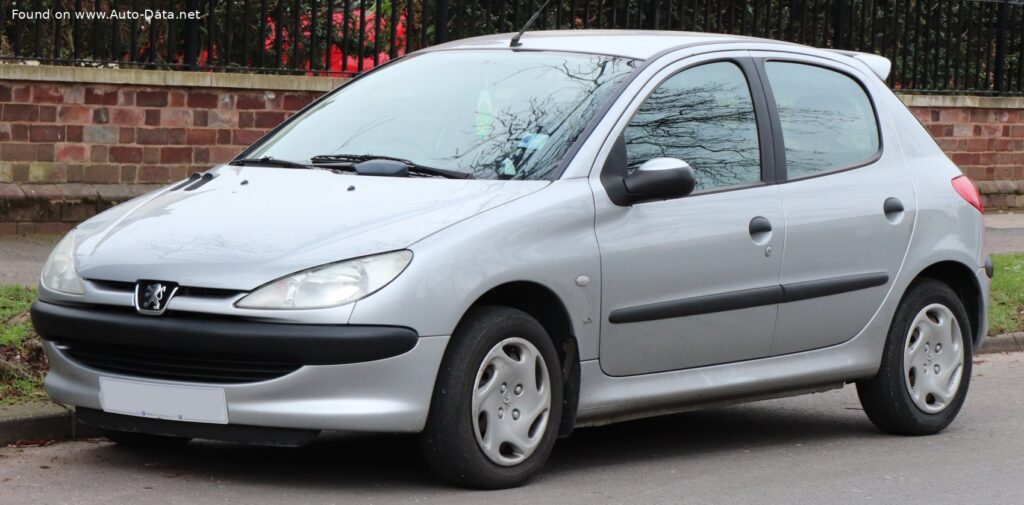
The Peugeot 206 2.0 HDI (90 hp) was a popular subcompact hatchback produced between 1999 and 2003. It represented a significant offering within the 206 range, providing a diesel-powered alternative focused on fuel efficiency and reasonable performance. This variant occupied a mid-range position in the 206 lineup, slotting above the lower-powered petrol engines and below the sportier, higher-output versions. The 206, built on the T1 platform, was a successor to the Peugeot 205 and aimed to continue its predecessor’s success in the competitive European small car market. The 2.0 HDI model was particularly notable for bringing diesel technology, previously often associated with commercial vehicles, to a wider audience seeking economical personal transportation.
2.0 HDI Powertrain & Engine Architecture
The heart of the 206 2.0 HDI (90 hp) is the DW10TD engine, specifically the RHY variant. This is a 1.997-liter (121.86 cubic inches) inline four-cylinder diesel engine. It utilizes a common rail direct injection system, a relatively advanced technology for its time, allowing for precise fuel delivery and improved combustion efficiency. The engine produces 90 horsepower (67 kW) at 4000 rpm and 205 Nm (151.2 lb-ft) of torque at 2000 rpm. This torque output, available relatively low in the rev range, is a key characteristic of diesel engines and contributes to the car’s usability in everyday driving conditions.
The engine features a double overhead camshaft (DOHC) valvetrain with two valves per cylinder. It is turbocharged and intercooled, further enhancing performance and efficiency. The turbocharger forces more air into the engine, allowing it to burn more fuel and produce more power. The intercooler cools the compressed air from the turbocharger, increasing its density and further improving combustion. The compression ratio is a high 18:1, typical for diesel engines, which contributes to their thermal efficiency. The engine oil capacity is 4.75 liters (5.02 US quarts / 4.18 UK quarts), and the cooling system holds 6.3 liters (6.66 US quarts / 5.54 UK quarts).
While a five-speed manual transmission was the most common pairing for the 2.0 HDI engine, an automatic transmission option was also available, though less frequently seen. This automatic was a four-speed unit, designed to provide convenience but at the expense of some fuel economy and performance compared to the manual gearbox. The automatic transmission’s gear ratios were optimized for smooth operation and reasonable acceleration, but it didn’t offer the same level of driver control as the manual.
Driving Characteristics
The 206 2.0 HDI (90 hp) offered a distinctly different driving experience compared to the petrol-powered versions of the 206. The diesel engine’s strong low-end torque meant that the car felt responsive in urban driving and capable of effortless cruising on highways. While not a particularly fast car – 0-100 km/h (0-62 mph) took around 11.5 seconds – it provided ample power for most everyday driving situations. The automatic transmission, when equipped, smoothed out gear changes but did slightly diminish acceleration times. Compared to the more powerful 2.0 HDI 110 hp variant, the 90 hp version felt less urgent, but it offered a better balance between performance and fuel economy. The manual transmission versions provided a more engaging driving experience, allowing drivers to fully utilize the engine’s torque.
Equipment & Trim Levels
The 206 2.0 HDI (90 hp) was typically offered in several trim levels, varying by market. Standard equipment generally included power steering, central locking, electric front windows, and an anti-lock braking system (ABS). Higher trim levels added features such as air conditioning, alloy wheels, a CD player, and upgraded interior trim. Interior upholstery was typically cloth, with options for different colors and patterns. The dashboard layout was functional and straightforward, with clearly labeled controls. Optional extras included a sunroof, rear parking sensors, and a trip computer. The 206’s interior, while not luxurious, was well-built and durable.
Chassis & Braking
The 206 2.0 HDI (90 hp) utilized a front-wheel-drive layout with a MacPherson strut suspension at the front and a torsion beam suspension at the rear. This suspension setup provided a good balance between ride comfort and handling. The front brakes were disc brakes, while the rear brakes were typically drum brakes, although some higher-spec models featured rear disc brakes. The steering was a hydraulic power steering system, providing a light and responsive feel. The car’s curb weight of 1070 kg (2358.95 lbs) contributed to its nimble handling characteristics. A stabilizer bar was fitted to both the front and rear axles to reduce body roll during cornering.
Market Reception & Comparison
The Peugeot 206 2.0 HDI (90 hp) was generally well-received by automotive critics. It was praised for its fuel efficiency, comfortable ride, and practical interior. The diesel engine was seen as a significant improvement over the petrol engines in terms of fuel economy, making it an attractive option for drivers who covered long distances. However, some critics noted that the engine was somewhat noisy compared to petrol engines, and the automatic transmission was not as refined as some of its competitors. Compared to other trims in the 206 lineup, the 2.0 HDI offered a compelling combination of economy and usability. It was a popular choice for fleet buyers and private individuals alike. Fuel consumption figures were impressive, averaging around 5.5 l/100 km (42.8 US mpg / 51.4 UK mpg).
Technical Specifications
| Brand | Peugeot |
| Model | 206 |
| Type (Engine) | 2.0 HDI (90 Hp) |
| Start of production | 1999 year |
| End of production | 2003 year |
| Fuel consumption (urban) | 6.6 l/100 km (35.6 US mpg, 42.8 UK mpg) |
| Fuel consumption (extra urban) | 4.1 l/100 km (57.4 US mpg, 68.9 UK mpg) |
| Fuel consumption (combined) | 5.5 l/100 km (42.8 US mpg, 51.4 UK mpg) |
| Fuel Type | Diesel |
| Acceleration 0 – 100 km/h | 11.5 sec |
| Acceleration 0 – 62 mph | 11.5 sec |
| Acceleration 0 – 60 mph | 10.9 sec |
| Maximum speed | 180 km/h (111.85 mph) |
| Power | 90 Hp @ 4000 rpm |
| Torque | 205 Nm @ 2000 rpm (151.2 lb.-ft. @ 2000 rpm) |
| Engine layout | Front, Transverse |
| Engine Model/Code | RHY DW10TD |
| Engine displacement | 1997 cm3 (121.86 cu. in.) |
| Number of cylinders | 4 |
| Cylinder Bore | 85 mm (3.35 in.) |
| Piston Stroke | 88 mm (3.46 in.) |
| Compression ratio | 18:1 |
| Kerb Weight | 1070 kg (2358.95 lbs.) |
| Max. weight | 1585 kg (3494.33 lbs.) |
| Trunk (boot) space – minimum | 1070 l (37.79 cu. ft.) |
| Trunk (boot) space – maximum | 1130 l (39.91 cu. ft.) |
| Fuel tank capacity | 50 l (13.21 US gal, 11 UK gal) |
| Length | 3835 mm (150.98 in.) |
| Width | 1652 mm (65.04 in.) |
| Height | 1432 mm (56.38 in.) |
Legacy
The Peugeot 206 2.0 HDI (90 hp) has proven to be a relatively reliable vehicle, particularly the engine itself. The DW10TD engine is known for its durability and longevity, provided it is properly maintained. Common issues include wear and tear on the turbocharger and potential problems with the fuel injection system. In the used car market today, the 206 2.0 HDI remains a popular choice for budget-conscious buyers seeking an economical and practical hatchback. Its fuel efficiency and relatively low running costs continue to make it an attractive option, despite its age. However, potential buyers should be aware of the car’s age and the possibility of needing to address age-related maintenance issues. The 206 2.0 HDI represents a significant step in the acceptance of diesel engines in the mainstream automotive market, paving the way for the widespread adoption of diesel technology in subsequent generations of vehicles.