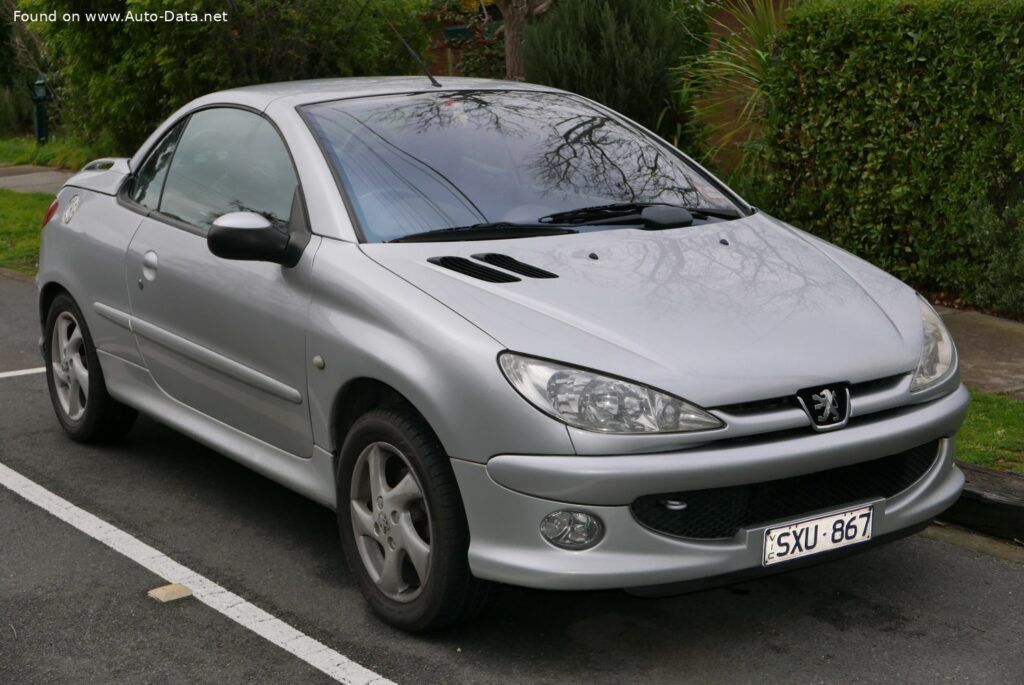
The Peugeot 206 CC 2.0 S16 Automatic, produced between 2000 and 2007, represents a significant offering within the 206 CC (Coupe-Cabriolet) range. This variant, built on the T1 platform, combined a 2.0-liter naturally aspirated engine with a four-speed automatic transmission, aiming to provide a blend of performance and convenience within the compact convertible market. It occupied a mid-to-premium position in the 206 CC lineup, offering more power and a more sophisticated driving experience than the base 1.6-liter models, but positioned below the potential for higher-performance, manually-equipped versions.
Powertrain & Engine Architecture
The heart of the 206 CC 2.0 S16 Automatic is the RFN (also sometimes designated EW10J4) 2.0-liter inline-four cylinder gasoline engine. This engine is part of Peugeot’s EW series, known for its robust construction and relatively simple design. It features a cast iron block with an aluminum cylinder head, employing a dual overhead camshaft (DOHC) valvetrain with four valves per cylinder. This configuration allows for efficient cylinder filling and exhaust scavenging, contributing to the engine’s power output.
Fuel delivery is managed by a multi-port fuel injection system, providing precise fuel metering for optimal combustion. The engine boasts a compression ratio of 10.8:1, striking a balance between performance and fuel efficiency. The engine produces 135 horsepower at 6000 rpm and 190 Nm (140.14 lb-ft) of torque at 4100 rpm. The engine oil capacity is 4.25 liters (4.49 US quarts / 3.74 UK quarts) and requires a specification adhering to Peugeot’s standards for the EW series engines.
The engine is mated to a four-speed automatic transmission. While not the most modern transmission by today’s standards, it was a common choice for providing ease of use in the 206 CC. The transmission’s gear ratios are geared towards providing reasonable acceleration and comfortable cruising, though it lacks the responsiveness of a manual gearbox. Specific gear ratios were not widely published, but the transmission is designed to deliver smooth shifts under normal driving conditions.
Engine Code Specifics
The RFN engine code designates a specific calibration of the EW10J4 engine, tailored for the 206 CC. Variations within the EW10J4 family existed, with some versions appearing in other Peugeot and Citroën models. The RFN version was optimized for the 206 CC’s weight and chassis characteristics, providing a balance between performance and drivability in the convertible body style.
Driving Characteristics
The 206 CC 2.0 S16 Automatic delivers a respectable driving experience, particularly for a car of its size and era. Acceleration from 0 to 100 km/h (0-62 mph) takes approximately 8.9 seconds, while 0-60 mph is reported around 8.5 seconds. The maximum speed is rated at 204 km/h (126.76 mph). However, the automatic transmission does impact performance compared to the manual transmission versions of the 2.0 S16. The automatic transmission introduces some inherent power loss and slower shift times, resulting in slightly reduced acceleration.
The power delivery is relatively linear, with the engine providing usable torque throughout the rev range. The automatic transmission’s shift points are programmed to prioritize smooth operation, which can sometimes feel slightly hesitant during aggressive driving. The car feels stable and composed during cornering, thanks to its well-tuned suspension and relatively low center of gravity. However, the automatic transmission doesn’t offer the driver the same level of control as a manual gearbox, limiting the ability to fully exploit the engine’s potential.
Equipment & Trim Levels
The 2.0 S16 Automatic trim level generally included a comprehensive list of standard features. Interior appointments typically included cloth upholstery, although leather options were available as an upgrade. The dashboard featured a conventional layout with analog gauges for speed, tachometer, fuel level, and coolant temperature. Air conditioning was standard, as were power windows and central locking. Safety features included ABS (Anti-lock Braking System) and driver and passenger airbags.
Optional extras commonly included a panoramic sunroof, upgraded audio systems, and leather upholstery. Metallic paint finishes were also available at an additional cost. The 206 CC was marketed as a stylish and well-equipped convertible, and the 2.0 S16 Automatic trim level aimed to provide a premium experience within that context.
Chassis & Braking
The 206 CC 2.0 S16 Automatic utilizes a front-engine, front-wheel-drive layout. The front suspension consists of a spring strut configuration, while the rear suspension employs a torsion beam setup. This combination provides a good balance between ride comfort and handling. The torsion beam rear suspension is a cost-effective solution that minimizes complexity while still offering acceptable handling characteristics.
Braking duties are handled by ventilated discs at the front and solid discs at the rear. The ABS system helps to prevent wheel lockup during hard braking, enhancing stability and control. The hydraulic power steering provides light and responsive steering feel, making the car easy to maneuver in urban environments. Tire size is typically 205/50 R16, mounted on 16-inch alloy wheels.
Market Reception & Comparison
The Peugeot 206 CC 2.0 S16 Automatic was generally well-received by automotive critics. It was praised for its stylish design, comfortable interior, and enjoyable driving experience. However, the four-speed automatic transmission was often criticized for being somewhat dated and lacking the responsiveness of more modern automatic gearboxes. Fuel economy was considered reasonable for a car of its type, with combined fuel consumption figures around 8.6 l/100 km (27.4 US mpg / 32.8 UK mpg).
Compared to the 1.6-liter versions of the 206 CC, the 2.0 S16 Automatic offered significantly more power and a more refined driving experience. However, it was also more expensive to purchase and maintain. Compared to the manual transmission versions of the 2.0 S16, the automatic offered greater convenience but sacrificed some performance. Reliability was generally good, although some owners reported issues with the electric folding roof mechanism, a common concern with convertible vehicles.
Technical Specifications
| Engine Type | Inline-4, Naturally Aspirated |
| Engine Displacement | 1997 cm³ (121.86 cu in) |
| Engine Code | RFN (EW10J4) |
| Power Output | 135 hp @ 6000 rpm |
| Torque Output | 190 Nm (140.14 lb-ft) @ 4100 rpm |
| Compression Ratio | 10.8:1 |
| Fuel Injection | Multi-port Fuel Injection |
| Transmission | 4-speed Automatic |
| Drive Wheels | Front Wheel Drive |
| Kerb Weight | 1227 kg (2705.07 lbs) |
| Maximum Weight | 1562 kg (3443.62 lbs) |
| Fuel Consumption (Urban) | 11.2 l/100 km (21 US mpg) |
| Fuel Consumption (Extra Urban) | 6.2 l/100 km (37.9 US mpg) |
| Fuel Consumption (Combined) | 8.6 l/100 km (27.4 US mpg) |
| Acceleration 0-100 km/h | 8.9 sec |
| Maximum Speed | 204 km/h (126.76 mph) |
| Fuel Tank Capacity | 47 l (12.42 US gal) |
Legacy
The Peugeot 206 CC 2.0 S16 Automatic remains a popular choice among used car buyers seeking a stylish and affordable convertible. The RFN engine is generally considered to be reliable, although regular maintenance is essential to ensure its longevity. The automatic transmission, while not the most advanced, is generally durable if properly serviced. Common issues to look for include wear and tear on the convertible roof mechanism and potential corrosion in areas prone to rust. Today, the 206 CC 2.0 S16 Automatic represents a relatively accessible entry point into the world of classic French convertibles, offering a unique blend of style, performance, and affordability.