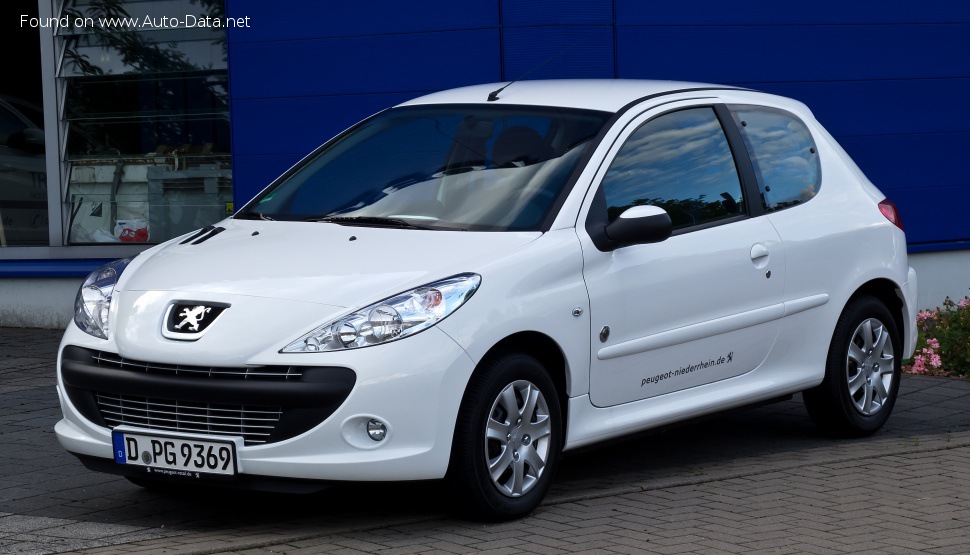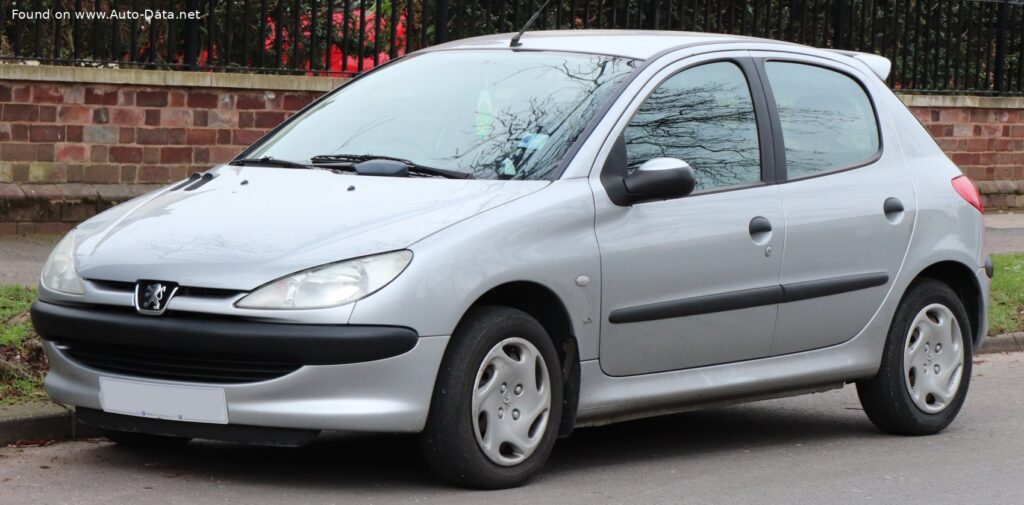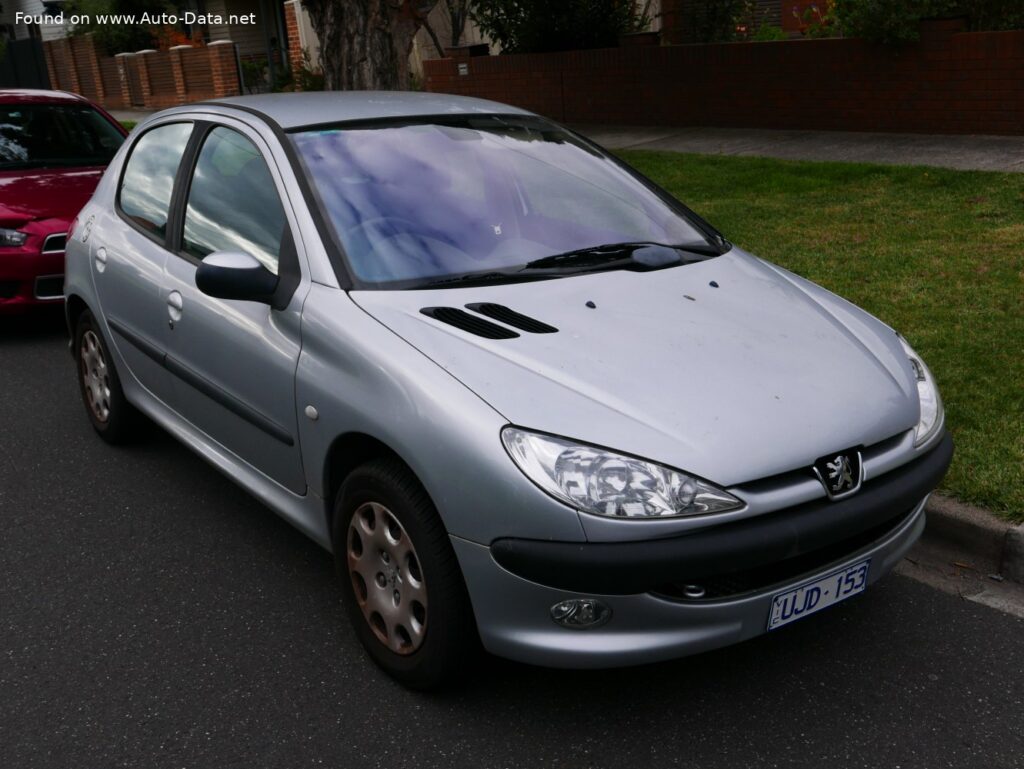
The Peugeot 206, specifically the 1.4i 16V variant produced from 2003 to 2009, represents a significant iteration of Peugeot’s popular supermini. This version, introduced with the 2003 facelift, aimed to provide an affordable and efficient entry point into the 206 range, appealing to buyers prioritizing economy and practicality. It was positioned as the mid-range offering, sitting below the more powerful 2.0L petrol and HDi diesel models, but above the base 1.1L engine option. The 206 (facelift) series, internally designated as the T1 platform, benefited from styling revisions and minor mechanical updates compared to the pre-2003 models.
Powertrain & Engine Architecture
The heart of the 206 1.4i 16V is the KFU (ET3J4) engine, a 1361cc (83.05 cubic inches) inline-four cylinder petrol engine. This engine utilizes a multi-port fuel injection system, delivering fuel directly into the intake ports just before the intake valves. The 16-valve configuration, achieved through a double overhead camshaft (DOHC) valvetrain, enhances breathing and contributes to the engine’s relatively high output for its displacement. The engine produces 88 horsepower (hp) at 5250 rpm and 133 Newton-meters (98.1 lb-ft) of torque at 3250 rpm. The compression ratio is set at 10.2:1, a common figure for naturally aspirated engines of this era.
The 206 1.4i 16V was primarily offered with a five-speed manual transmission. However, a four-speed automatic transmission was also available, though less common. This automatic gearbox, while providing convenience, was known for its relatively slow shift speeds and tendency to hunt for gears, particularly under heavy load. The automatic transmission’s gear ratios were geared towards fuel efficiency rather than outright performance. The engine oil capacity is 3 liters (3.17 US quarts / 2.64 UK quarts), and the coolant capacity is 5.6 liters (5.92 US quarts / 4.93 UK quarts).
Engine Codes and Variations
While the KFU engine code is the most prevalent for this specification, slight variations existed depending on the specific market. These variations typically related to emissions control equipment and minor tuning differences. The engine is a naturally aspirated design, meaning it does not utilize a turbocharger or supercharger to force air into the cylinders.
Driving Characteristics
The 206 1.4i 16V, particularly when equipped with the manual transmission, offered a reasonably engaging driving experience for a supermini. Acceleration from 0 to 100 km/h (0 to 62 mph) took approximately 12.2 seconds, while 0 to 60 mph was achieved in around 11.6 seconds. The maximum speed was rated at 178 km/h (110.6 mph). The engine felt responsive at higher RPMs, but lacked significant low-end torque. This meant drivers often needed to rev the engine to extract the most performance, especially when overtaking or climbing hills.
The automatic transmission version noticeably dulled the driving experience. The slower gear changes and less direct connection to the engine resulted in a more leisurely pace. Fuel economy was also slightly reduced with the automatic gearbox. The suspension, tuned for comfort, provided a compliant ride, but didn’t offer the same level of handling precision as some of its rivals. The steering was light and easy to use, making it well-suited for urban driving.
Equipment & Trim Levels
The 206 1.4i 16V typically came equipped with a reasonable level of standard features. These included power steering, central locking, electric front windows, and an adjustable steering column. Air conditioning was often an optional extra, as were alloy wheels and a CD player. Interior upholstery was typically cloth, with a relatively simple dashboard layout. Higher trim levels, such as the ‘Sport’ or ‘S’ variants, added features like sport seats, upgraded audio systems, and exterior styling enhancements.
Safety features included ABS (Anti-lock Braking System) as standard, and driver and passenger airbags were also commonly fitted. The 206 scored reasonably well in crash tests for its time, but safety standards have evolved significantly since its production run.
Chassis & Braking
The 206 1.4i 16V utilized a front-wheel-drive layout with a MacPherson strut front suspension and a torsion beam rear suspension. This configuration provided a good balance between ride comfort and handling. The front brakes were ventilated discs, offering good stopping power, while the rear brakes were typically solid discs. The kerb weight of the vehicle was approximately 963 kg (2123.05 lbs), contributing to its relatively nimble handling.
Tire size was typically 175/65 R14 H, mounted on 14-inch steel or alloy wheels. The steering system was a power-assisted rack and pinion setup, providing light and precise steering feel.
Market Reception & Comparison
The Peugeot 206 1.4i 16V was generally well-received by automotive critics as a practical and affordable supermini. It was praised for its stylish design, comfortable ride, and relatively fuel-efficient engine. However, the automatic transmission was often criticized for its sluggish performance. Compared to its rivals, such as the Ford Fiesta, Volkswagen Polo, and Renault Clio, the 206 offered a distinctive French flair and a comfortable interior.
Fuel economy figures were respectable, with combined fuel consumption averaging around 6.5 l/100 km (36.2 US mpg / 43.5 UK mpg). CO2 emissions were rated at 155 g/km, placing it within the Euro 3 emission standard. Reliability was generally good, although some owners reported issues with the electric windows and central locking systems. The 1.4i engine proved to be durable and relatively inexpensive to maintain.
Technical Specifications
| Brand | Peugeot |
| Model | 206 |
| Generation | 206 (facelift 2003) |
| Type (Engine) | 1.4i 16V (88 Hp) |
| Start of production | 2003 |
| End of production | 2009 |
| Powertrain Architecture | Internal Combustion engine |
| Body type | Hatchback |
| Seats | 5 |
| Doors | 3-5 |
| Fuel consumption (urban) | 8.5 l/100 km (27.7 US mpg) |
| Fuel consumption (extra urban) | 5.3 l/100 km (44.4 US mpg) |
| Fuel consumption (combined) | 6.5 l/100 km (36.2 US mpg) |
| CO2 emissions | 155 g/km |
| Fuel Type | Petrol (Gasoline) |
| Acceleration 0 – 100 km/h | 12.2 sec |
| Acceleration 0 – 62 mph | 12.2 sec |
| Acceleration 0 – 60 mph | 11.6 sec |
| Maximum speed | 178 km/h (110.6 mph) |
| Emission standard | Euro 3 |
| Weight-to-power ratio | 10.9 kg/Hp |
| Power | 88 Hp @ 5250 rpm |
| Torque | 133 Nm @ 3250 rpm (98.1 lb.-ft. @ 3250 rpm) |
| Engine layout | Front, Transverse |
| Engine displacement | 1361 cm3 (83.05 cu. in.) |
| Number of cylinders | 4 |
| Cylinder Bore | 75 mm (2.95 in.) |
| Piston Stroke | 77 mm (3.03 in.) |
| Compression ratio | 10.2:1 |
| Engine oil capacity | 3 l (3.17 US qt | 2.64 UK qt) |
| Kerb Weight | 963 kg (2123.05 lbs.) |
| Trunk (boot) space – minimum | 210 l (7.42 cu. ft.) |
| Trunk (boot) space – maximum | 992 l (35.03 cu. ft.) |
| Fuel tank capacity | 50 l (13.21 US gal | 11 UK gal) |
Legacy
The Peugeot 206 1.4i 16V remains a popular choice in the used car market, particularly for first-time drivers or those seeking an affordable and reliable city car. The 1.4i engine is known for its durability and relatively low running costs. While the automatic transmission is less desirable, the manual version offers a more engaging driving experience. Common issues, such as those with the electric windows and central locking, are generally inexpensive to repair. The 206’s stylish design and comfortable interior have helped it maintain a loyal following, and it continues to be a viable option for buyers on a budget.