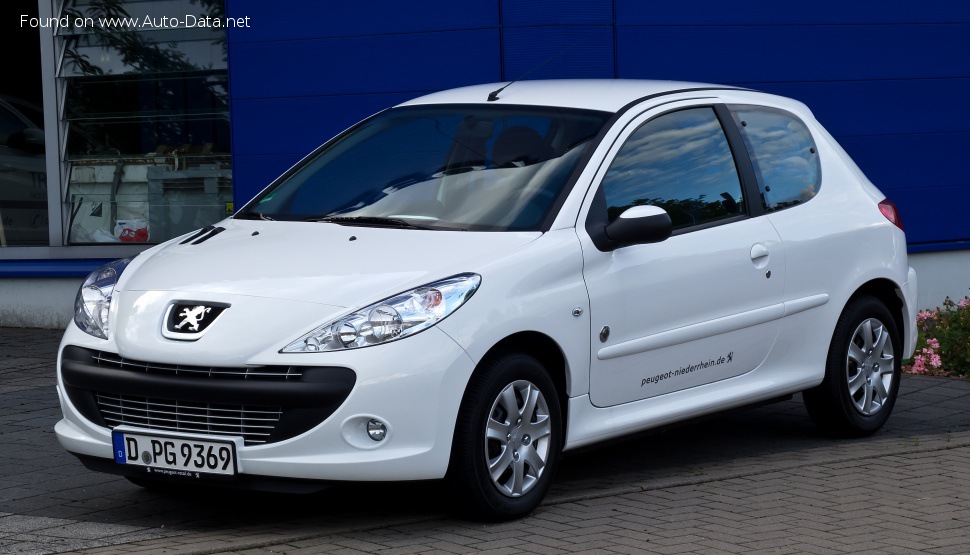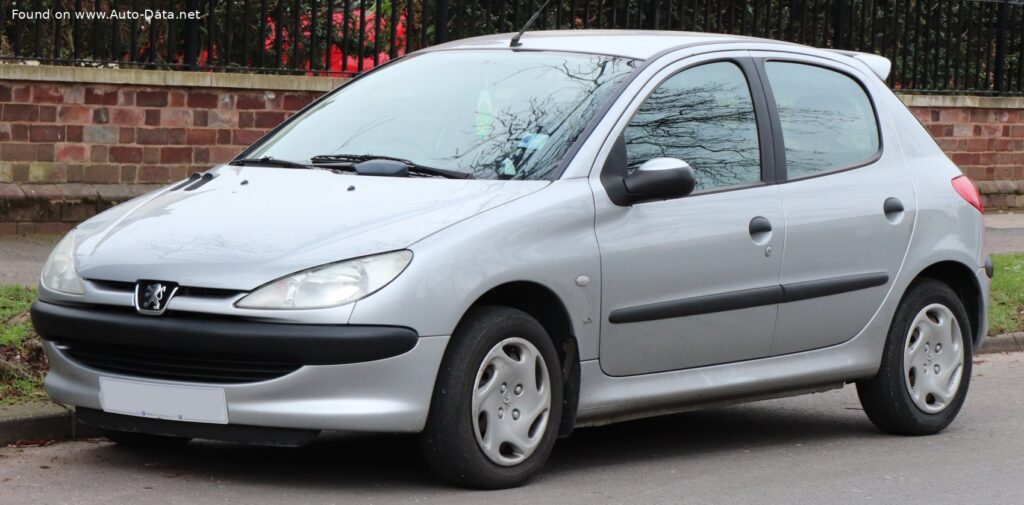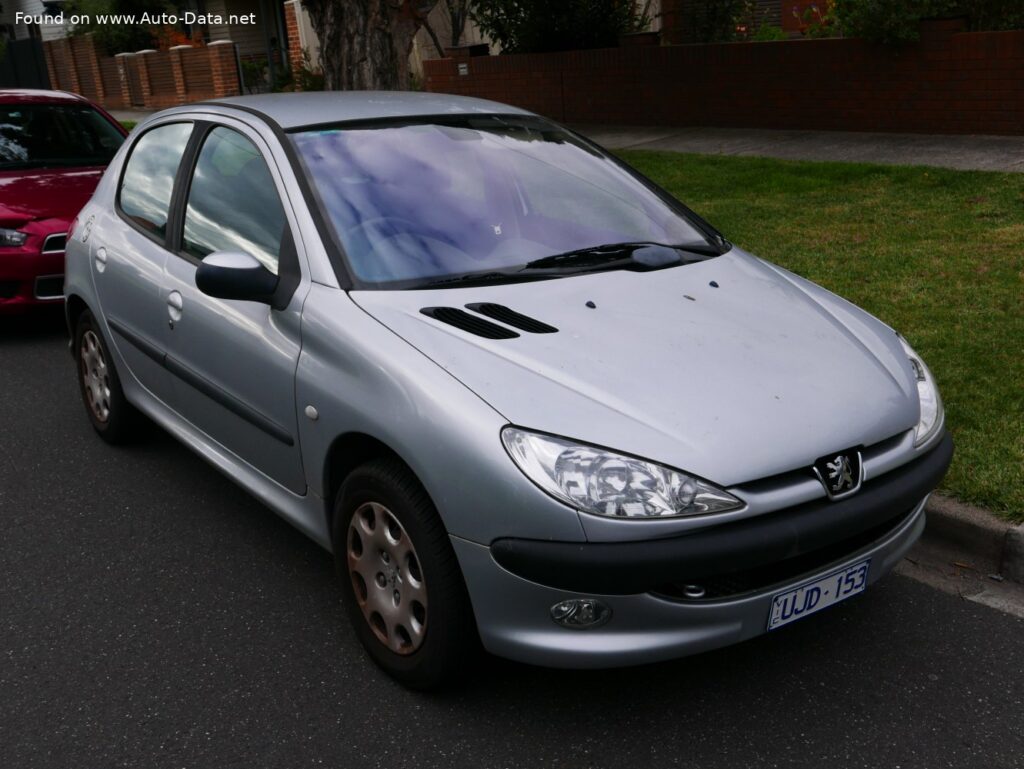
The Peugeot 206, produced from 1998 to 2012, was a supermini car manufactured by the French automaker Peugeot. The facelifted version, introduced in 2003, brought revised styling and mechanical updates. Among the various engine and transmission combinations offered, the 1.6 GTI HDi (109 hp) variant, produced between 2003 and 2007, represented a unique offering – blending the sporty aspirations of the GTI designation with the fuel efficiency of a modern turbodiesel engine. This model occupied a mid-range position within the 206 lineup, appealing to drivers seeking a balance between performance, economy, and practicality.
The 1.6 GTI HDi: A Diesel-Powered Hot Hatch
The 1.6 GTI HDi was a somewhat unconventional offering in the supermini segment, particularly in the United States where diesel passenger cars were less common. It aimed to provide a sporty driving experience similar to the gasoline-powered GTI models, but with the added benefits of diesel’s superior fuel economy and torque characteristics. This variant distinguished itself from the base 1.4L and 1.6L petrol models with its significantly increased power output and more sophisticated engine technology. Compared to other diesel variants in the 206 range, such as the 1.4 HDi, the 1.6 GTI HDi offered a substantial performance upgrade, targeting a more enthusiastic driver.
Powertrain & Engine Architecture
At the heart of the 1.6 GTI HDi lies the DV6TED4 engine, specifically the 9HY or 9HZ engine code. This is a 1.6-liter (1560 cc) inline-four cylinder diesel engine featuring a turbocharger with an intercooler. The engine utilizes a common rail direct fuel injection system, delivering fuel at extremely high pressure for optimized combustion. This system, coupled with the turbocharger, allows the engine to produce 109 horsepower at 4000 rpm and 240 Nm (177 lb-ft) of torque at 1750 rpm. The engine boasts a relatively high compression ratio of 17.6:1, typical for diesel engines, and employs a double overhead camshaft (DOHC) valvetrain with four valves per cylinder. The engine oil capacity is 3.75 liters (3.96 US qt), and the recommended coolant capacity is 6 liters (6.34 US qt). The engine’s transverse mounting within the front-wheel-drive configuration contributes to its compact footprint.
Driving Characteristics
The 1.6 GTI HDi offered a noticeably different driving experience compared to the standard 206 models. The high torque output, available from low engine speeds, provided strong acceleration in everyday driving situations. While not as outright quick as the gasoline-powered GTI, the diesel variant offered a more relaxed and flexible driving style. The 0-62 mph (0-100 km/h) acceleration time was approximately 9.9 seconds, and it could achieve a maximum speed of 118 mph (190 km/h). The five-speed manual transmission was the only gearbox option available, providing precise gear changes and allowing drivers to fully utilize the engine’s power band. The turbocharger did exhibit some lag at lower RPMs, but once spooled up, it delivered a strong surge of power. The combination of a relatively lightweight chassis and the torquey diesel engine made the 1.6 GTI HDi a surprisingly capable performer on winding roads.
Equipment & Trim Levels
The 1.6 GTI HDi typically came well-equipped, reflecting its position as a mid-range performance model. Standard features often included alloy wheels (typically 16-inch), sports seats, air conditioning, electric front windows, and a CD stereo system. The interior trim generally featured a sporty design with unique upholstery patterns. Optional extras available included a sunroof, rear parking sensors, and upgraded audio systems. The dashboard layout was consistent with other 206 facelift models, featuring a functional and ergonomic design. Safety features included ABS (Anti-lock Braking System) and driver and passenger airbags.
Chassis & Braking
The 206’s chassis was designed to provide a balance between comfort and handling. The 1.6 GTI HDi featured a MacPherson strut front suspension and a torsion beam rear suspension. The front suspension incorporated a stabilizer bar to reduce body roll during cornering. The braking system consisted of ventilated discs on the front wheels and drum brakes on the rear wheels. This configuration was adequate for the vehicle’s weight and performance capabilities. The 206 GTI HDi typically rode on 205/45 R16 V tires, providing good grip and handling characteristics. The steering was power-assisted, offering a responsive and precise feel.
Market Reception & Comparison
The Peugeot 206 1.6 GTI HDi received generally positive reviews from automotive critics. It was praised for its fuel efficiency, strong torque, and sporty handling. However, some critics noted the presence of turbo lag and the slightly less refined engine note compared to gasoline engines. In terms of fuel economy, the 1.6 GTI HDi offered significant advantages over the gasoline-powered GTI models. Combined fuel consumption was around 4.8 l/100 km (49 US mpg), making it an attractive option for drivers seeking low running costs. Reliability was generally good, although, like all diesel engines, it was susceptible to issues related to the fuel injection system and turbocharger. Compared to other diesel variants in the 206 range, the 1.6 GTI HDi offered a noticeable performance upgrade, justifying its higher price point.
Technical Specifications
| Brand | Peugeot |
| Model | 206 |
| Generation | 206 (facelift 2003) |
| Type (Engine) | 1.6 GTI HDi (109 Hp) |
| Start of production | 2003 |
| End of production | 2007 |
| Powertrain Architecture | Internal Combustion engine |
| Body type | Hatchback |
| Seats | 5 |
| Doors | 3 |
| Fuel consumption (urban) | 6 l/100 km (39.2 US mpg) |
| Fuel consumption (extra urban) | 4.1 l/100 km (57.4 US mpg) |
| Fuel consumption (combined) | 4.8 l/100 km (49 US mpg) |
| CO2 emissions | 126 g/km |
| Fuel Type | Diesel |
| Acceleration 0 – 100 km/h | 9.9 sec |
| Acceleration 0 – 62 mph | 9.9 sec |
| Acceleration 0 – 60 mph | 9.4 sec |
| Maximum speed | 190 km/h (118.06 mph) |
| Emission standard | Euro 4 |
| Weight-to-power ratio | 9.7 kg/Hp |
| Weight-to-torque ratio | 4.4 kg/Nm |
| Power | 109 Hp @ 4000 rpm |
| Torque | 240 Nm @ 1750 rpm (177.01 lb.-ft. @ 1750 rpm) |
| Engine layout | Front, Transverse |
| Engine Model/Code | 9HY DV6TED4, 9HZ DV6TED4 |
| Engine displacement | 1560 cm3 (95.2 cu. in.) |
| Number of cylinders | 4 |
| Engine configuration | Inline |
| Cylinder Bore | 75 mm (2.95 in.) |
| Piston Stroke | 88.3 mm (3.48 in.) |
| Compression ratio | 17.6:1 |
| Number of valves per cylinder | 4 |
| Fuel injection system | Diesel Commonrail |
| Engine aspiration | Turbocharger, Intercooler |
| Valvetrain | DOHC |
| Engine oil capacity | 3.75 l (3.96 US qt | 3.3 UK qt) |
| Kerb Weight | 1055 kg (2325.88 lbs.) |
| Max. weight | 1521 kg (3353.23 lbs.) |
| Trunk (boot) space – minimum | 210 l (7.42 cu. ft.) |
| Trunk (boot) space – maximum | 992 l (35.03 cu. ft.) |
| Fuel tank capacity | 50 l (13.21 US gal | 11 UK gal) |
| Length | 3822 mm (150.47 in.) |
| Width | 1673 mm (65.87 in.) |
| Height | 1425 mm (56.1 in.) |
| Wheelbase | 2442 mm (96.14 in.) |
| Number of gears and type of gearbox | 5 gears, manual transmission |
Legacy
The Peugeot 206 1.6 GTI HDi remains a popular choice in the used car market, particularly among those seeking an economical and enjoyable supermini. The DV6 engine is known for its durability, although regular maintenance is crucial to prevent issues with the turbocharger and fuel injection system. The 1.6 GTI HDi’s blend of performance, fuel efficiency, and practicality has ensured its continued appeal to a wide range of drivers. While it may not possess the outright speed of some of its gasoline-powered rivals, its unique character and low running costs make it a compelling option for those seeking a distinctive and affordable hatchback.