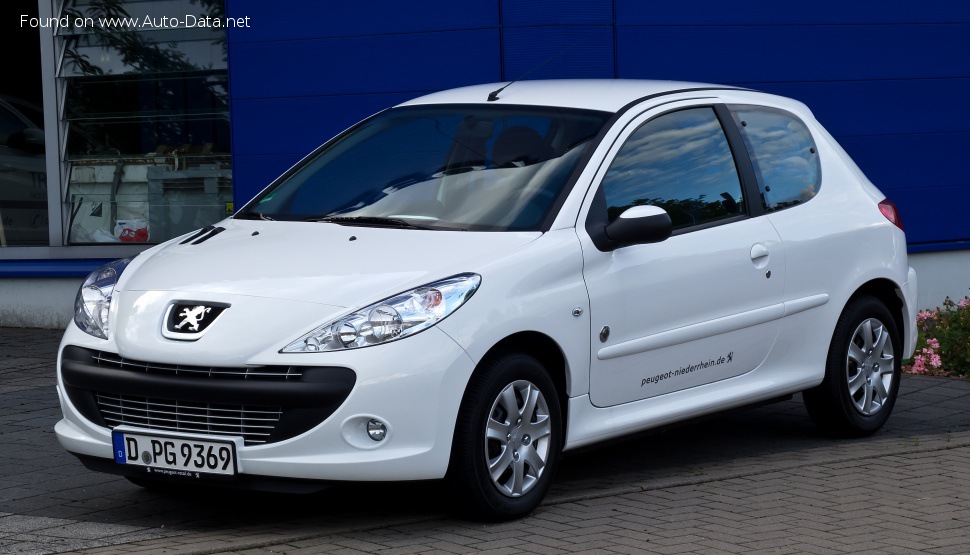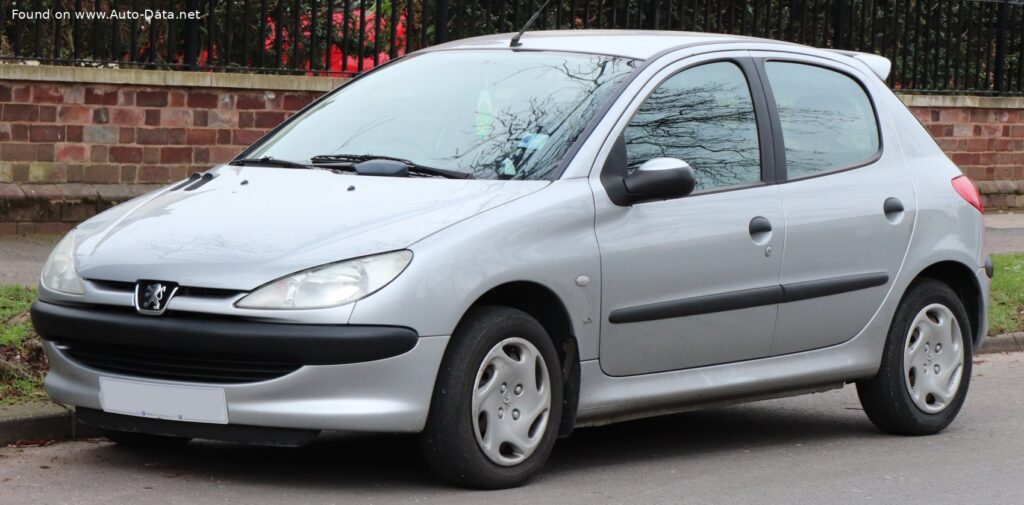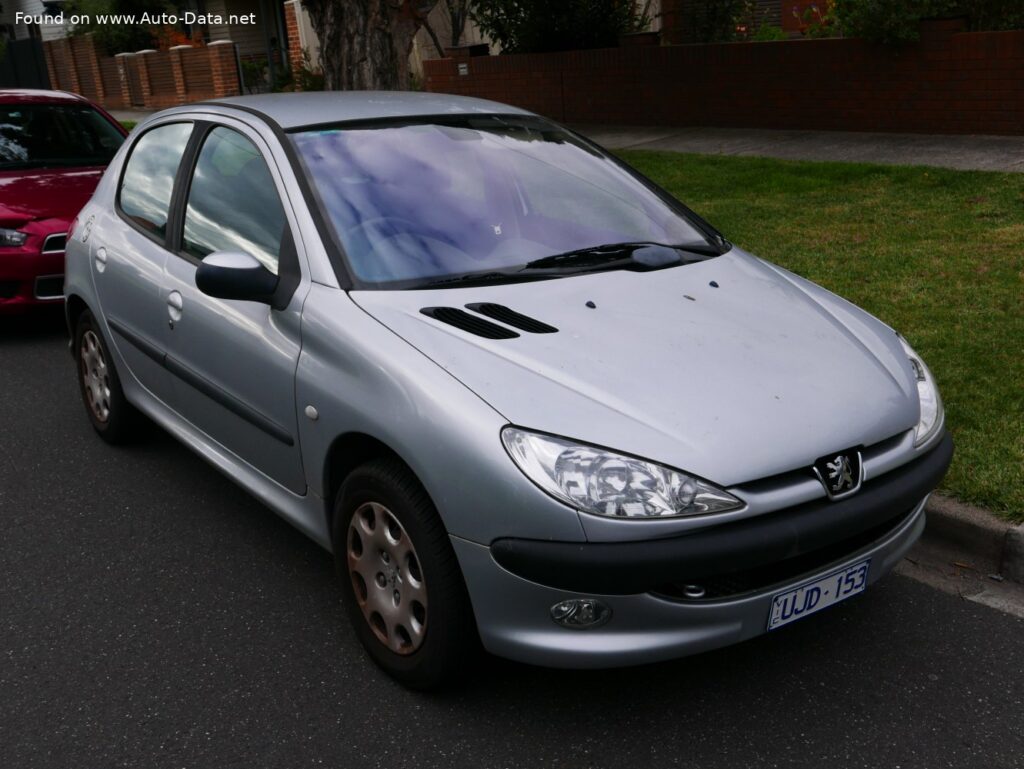
The Peugeot 206, produced from 1998 to 2012, was a supermini car manufactured by the French automaker Peugeot. The facelifted version, introduced in 2003, brought with it revised styling, improved safety features, and a range of updated engine options. Among these, the 1.6 HDi 109 hp variant, available between 2003 and 2009, represented a significant offering in the diesel-powered small car segment. This model occupied a mid-range position within the 206 lineup, appealing to buyers seeking a balance of fuel efficiency, performance, and practicality. It was positioned above the lower-powered petrol engines and below the more performance-oriented GTI models.
The 1.6 HDi 109 hp: A Detailed Overview
The 1.6 HDi 109 hp version of the Peugeot 206 facelift was a popular choice for European drivers, particularly those covering significant distances. It combined the benefits of a modern common-rail diesel engine with the compact dimensions and nimble handling of the 206 platform. This variant was available with both 3-door and 5-door body styles, catering to a wider range of customer needs. The introduction of the HDi engine marked a shift towards diesel power in the supermini class, driven by increasing fuel costs and growing environmental awareness.
Powertrain & Engine Architecture
At the heart of the 206 1.6 HDi 109 hp lies the DV6TED4 engine, specifically the 9HY or 9HZ engine code. This 1.6-liter inline-four cylinder diesel engine utilizes a common-rail direct injection system, delivering fuel directly into the combustion chamber at extremely high pressure. This technology, coupled with a variable geometry turbocharger and intercooler, allows for efficient combustion and increased power output. The engine produces 109 horsepower (hp) at 4000 rpm and 240 Newton-meters (177 lb-ft) of torque at 1750 rpm. The high torque figure, available from relatively low engine speeds, provides strong acceleration and effortless cruising. The engine features a double overhead camshaft (DOHC) valvetrain with four valves per cylinder, optimizing gas flow and contributing to its performance. Engine oil capacity is 3.75 liters (3.96 US qt | 3.3 UK qt) and coolant capacity is 6 liters (6.34 US qt | 5.28 UK qt).
The 206 1.6 HDi was primarily offered with a 5-speed manual transmission. While an automatic transmission was available in some markets, it was less common and generally considered to detract from the driving experience due to slower shift times and reduced fuel economy. The manual gearbox was well-matched to the engine’s characteristics, providing smooth and precise gear changes.
Driving Characteristics
The 1.6 HDi 109 hp 206 offered a noticeable step up in performance compared to the lower-powered petrol variants. Acceleration from 0 to 100 km/h (0-62 mph) took approximately 10 seconds, and 0 to 60 mph was achieved in around 9.5 seconds. While not a sports car, the engine’s strong torque made it feel responsive in everyday driving situations, such as overtaking and climbing hills. The 206’s relatively light weight (approximately 1055 kg or 2325.88 lbs) further enhanced its agility. Compared to the petrol versions, the HDi offered superior fuel economy and a more relaxed driving experience, particularly on longer journeys. The manual transmission allowed for greater driver control, while the automatic, when equipped, prioritized convenience over performance.
Equipment & Trim Levels
The 1.6 HDi 109 hp variant was typically offered in several trim levels, including LX, XR, and Sport. The base LX trim included features such as power steering, central locking, and an adjustable steering column. The XR trim added features like air conditioning, electric front windows, and a CD player. The Sport trim, the highest level, included alloy wheels, sports seats, and often additional styling enhancements. Interior upholstery was typically cloth, with options for upgraded materials on higher trims. Dashboard configurations were consistent across trims, featuring a functional and straightforward layout. Optional extras included a sunroof, parking sensors, and upgraded audio systems.
Chassis & Braking
The 206 1.6 HDi utilized a MacPherson strut front suspension and a torsion beam rear suspension. This setup provided a good balance of ride comfort and handling. The front brakes were ventilated discs, offering good stopping power, while the rear brakes were typically drums, although some higher-spec models featured rear discs. Anti-lock Braking System (ABS) was standard equipment, enhancing safety. The 206’s relatively compact size and light weight contributed to its nimble handling characteristics. Tire size was commonly 195/55 R15 H, mounted on 15-inch steel or alloy wheels.
Market Reception & Comparison
The Peugeot 206 1.6 HDi 109 hp was well-received by automotive critics for its fuel efficiency, strong performance, and comfortable ride. It was often praised as a practical and economical choice for city driving and long-distance journeys. Compared to other superminis of the time, such as the Ford Fiesta and Volkswagen Polo, the 206 HDi offered a competitive combination of features and price. Fuel economy was a key selling point, with combined fuel consumption figures around 4.8 l/100 km (49 US mpg or 58.9 UK mpg). Reliability was generally good, although some owners reported issues with the diesel particulate filter (DPF) and the turbocharger. The 1.6 HDi was significantly more economical than the petrol-powered 206 variants, but offered a similar level of performance.
Technical Specifications
| Brand | Peugeot |
| Model | 206 |
| Generation | 206 (facelift 2003) |
| Type (Engine) | 1.6 HDi (109 Hp) |
| Start of production | 2003 |
| End of production | 2009 |
| Fuel consumption (urban) | 6 l/100 km (39.2 US mpg, 47.1 UK mpg) |
| Fuel consumption (extra urban) | 4.1 l/100 km (57.4 US mpg, 68.9 UK mpg) |
| Fuel consumption (combined) | 4.8 l/100 km (49 US mpg, 58.9 UK mpg) |
| CO2 emissions | 126 g/km |
| Fuel Type | Diesel |
| Acceleration 0-100 km/h | 10 sec |
| Acceleration 0-62 mph | 10 sec |
| Acceleration 0-60 mph | 9.5 sec |
| Maximum speed | 190 km/h (118.06 mph) |
| Emission standard | Euro 4 |
| Weight-to-power ratio | 9.7 kg/Hp |
| Weight-to-torque ratio | 4.4 kg/Nm |
| Power | 109 Hp @ 4000 rpm |
| Torque | 240 Nm @ 1750 rpm (177.01 lb.-ft. @ 1750 rpm) |
| Engine layout | Front, Transverse |
| Engine Model/Code | 9HY DV6TED4, 9HZ DV6TED4 |
| Engine displacement | 1560 cm3 (95.2 cu. in.) |
| Number of cylinders | 4 |
| Engine configuration | Inline |
| Cylinder Bore | 75 mm (2.95 in.) |
| Piston Stroke | 88.3 mm (3.48 in.) |
| Compression ratio | 17.6:1 |
| Number of valves per cylinder | 4 |
| Fuel injection system | Diesel Commonrail |
| Engine aspiration | Turbocharger, Intercooler |
| Valvetrain | DOHC |
| Kerb Weight | 1055 kg (2325.88 lbs.) |
| Max. weight | 1521 kg (3353.23 lbs.) |
| Trunk (boot) space (minimum) | 210 l (7.42 cu. ft.) |
| Trunk (boot) space (maximum) | 992 l (35.03 cu. ft.) |
| Fuel tank capacity | 50 l (13.21 US gal | 11 UK gal) |
| Length | 3822 mm (150.47 in.) |
| Width | 1652 mm (65.04 in.) |
| Height | 1425 mm (56.1 in.) |
| Wheelbase | 2442 mm (96.14 in.) |
| Drive wheel | Front wheel drive |
| Number of gears | 5 |
| Gearbox type | Manual transmission |
Legacy
The Peugeot 206 1.6 HDi 109 hp remains a popular choice in the used car market, particularly for buyers seeking an economical and reliable small car. The DV6 engine, while occasionally prone to DPF issues, is generally considered robust and long-lasting. Parts availability is good, and maintenance costs are relatively low. The 206 HDi’s fuel efficiency and practicality continue to appeal to a wide range of drivers, making it a viable option for those seeking a budget-friendly and dependable vehicle. Its success helped pave the way for the widespread adoption of diesel engines in the supermini segment, influencing the development of subsequent generations of small cars.