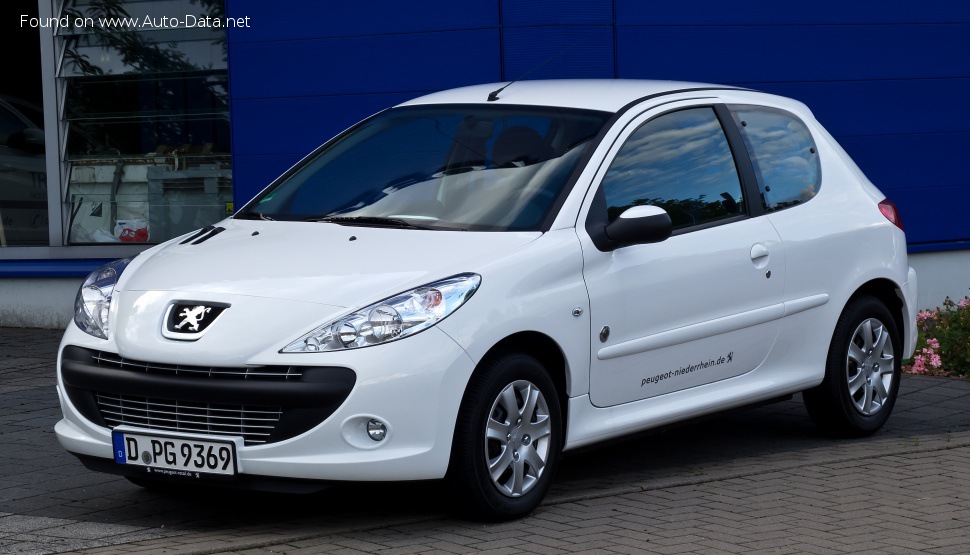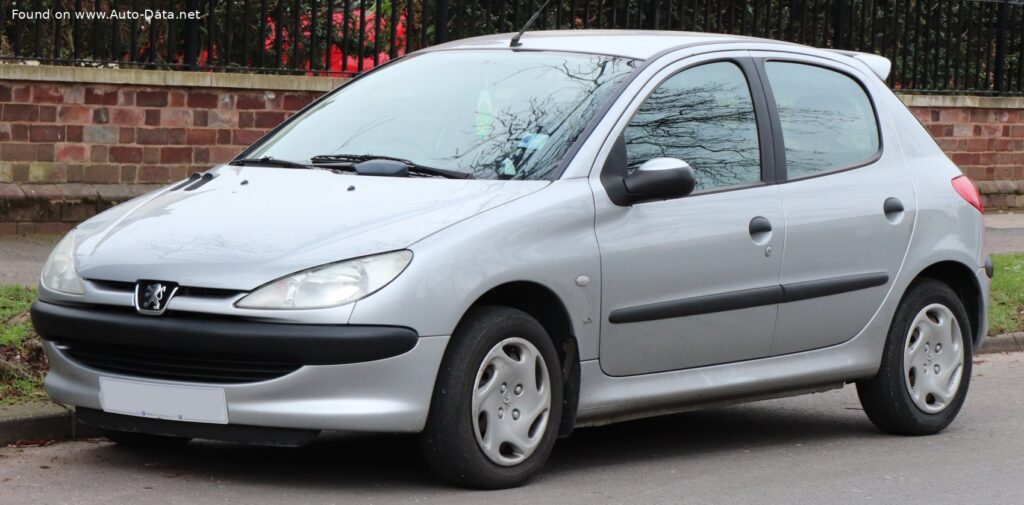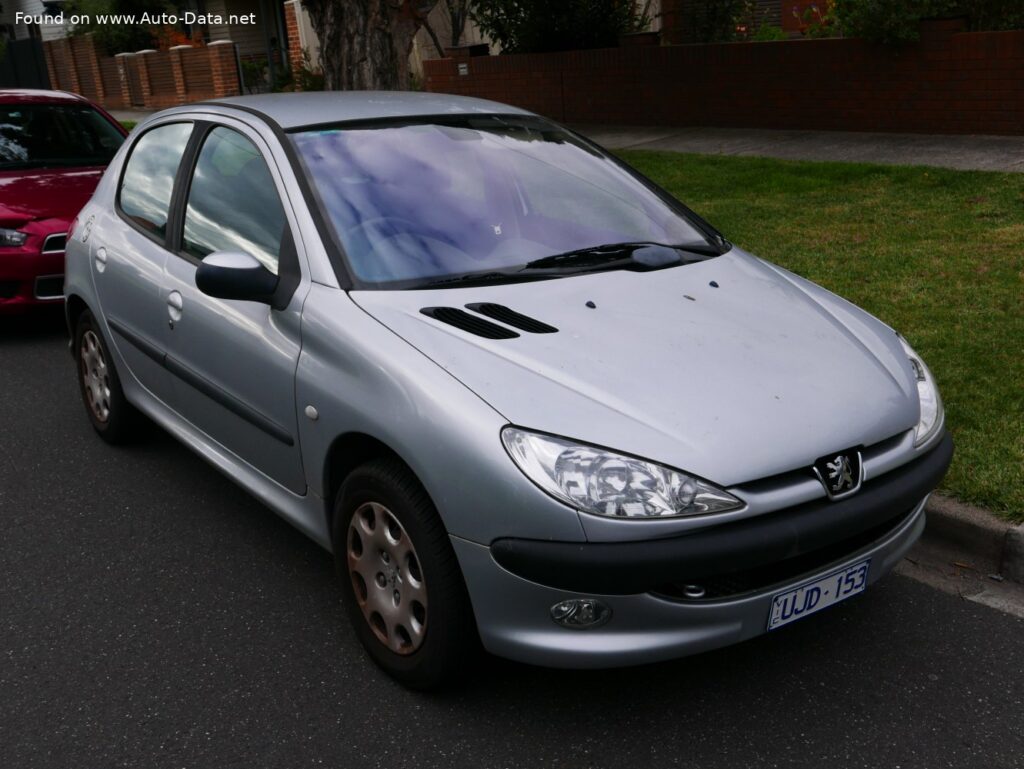
The Peugeot 206, produced from 1998 to 2012, was a supermini car that represented a significant step forward for the French manufacturer in terms of design, build quality, and driving dynamics. The facelifted version, introduced in 2003, brought with it revised styling, improved safety features, and updated engine options. Among these, the 1.6i 16V variant, producing 109 horsepower, occupied a mid-range position in the 206 lineup, offering a balance between performance, economy, and affordability. Production of this specific configuration ran from 2003 through 2009, primarily targeting buyers seeking a more spirited driving experience than the base models, but without the higher costs associated with the GTI or performance-oriented trims.
The 1.6i 16V: Positioning and Overview
The 206 1.6i 16V (often simply referred to as the 1.6) was positioned as a step up from the entry-level 1.4-liter models. While the 1.4 offered basic transportation, the 1.6 provided noticeably more power and responsiveness, making it a more enjoyable car to drive, particularly on open roads. It sat below the high-performance 206 GTI, which featured a significantly more powerful engine and sport-tuned suspension. Compared to the diesel options available (like the 1.4 HDi), the 1.6i 16V offered a different driving character, prioritizing rev-happy performance over fuel efficiency. The facelifted 206, identifiable by its revised front grille, headlights, and interior trim, further refined the model, addressing some of the criticisms leveled at the earlier versions.
Powertrain & Engine Architecture
The heart of the 206 1.6i 16V is the NFU (or sometimes TU5JP4) engine, a 1.6-liter inline four-cylinder gasoline engine. This engine is a naturally aspirated unit, meaning it doesn’t utilize a turbocharger or supercharger. It features a double overhead camshaft (DOHC) valvetrain with four valves per cylinder, contributing to its relatively high power output for its displacement. The engine utilizes multi-port fuel injection, delivering fuel directly into the intake ports. This system, while not as advanced as direct injection, proved reliable and efficient for its time.
The 1.6-liter engine produces 109 hp at 5750 rpm and 147 Nm (108.42 lb-ft) of torque at 4000 rpm. This power is delivered to the front wheels through a five-speed manual transmission, which was the most common configuration. While a four-speed automatic transmission was offered as an option, it was less popular due to its impact on performance and fuel economy. The automatic transmission, while providing convenience, resulted in slower acceleration times and increased fuel consumption compared to the manual gearbox. The engine’s bore and stroke are 78.5mm x 82mm, resulting in a displacement of 1587 cm³ (96.84 cu. in.). The compression ratio is 11:1.
Driving Characteristics
The 206 1.6i 16V offered a noticeably more engaging driving experience than the base 1.4-liter models. The extra power allowed for quicker acceleration and more confident overtaking maneuvers. While not a sports car, the 1.6 felt nimble and responsive, particularly when driven on winding roads. The five-speed manual transmission provided precise gear changes, allowing drivers to keep the engine in its optimal power band. The automatic transmission, while smooth, felt somewhat sluggish and robbed the engine of some of its responsiveness.
Acceleration from 0 to 62 mph (0-100 km/h) took approximately 9.9 seconds, a respectable figure for a supermini of its era. Top speed was rated at 196 km/h (121.79 mph). The suspension, while relatively simple, provided a good balance between comfort and handling. The steering was light and precise, making the car easy to maneuver in urban environments. The 1.6i 16V’s power delivery was linear, making it predictable and easy to control.
Equipment & Trim Levels
The 206 1.6i 16V was typically equipped with a reasonable level of standard features. These included power steering, central locking, electric front windows, and an adjustable steering column. Air conditioning was often an optional extra, as were alloy wheels and a CD player. Interior upholstery was typically cloth, with a choice of colors and patterns. Higher trim levels offered upgrades such as leather upholstery, automatic climate control, and a sunroof. The dashboard layout was functional and straightforward, with easy-to-read gauges and controls. Safety features included ABS brakes and driver and passenger airbags.
Chassis & Braking
The 206 1.6i 16V utilized a MacPherson strut front suspension and a torsion beam rear suspension. This setup provided a good compromise between ride comfort and handling. The front brakes were ventilated discs, while the rear brakes were typically solid discs, although some earlier models featured drum brakes. ABS (Anti-lock Braking System) was standard, enhancing braking performance and stability, particularly in wet or slippery conditions. The 1.6i 16V typically came equipped with 195/55 R15 tires, providing adequate grip and ride comfort. The chassis was relatively lightweight, contributing to the car’s nimble handling.
Market Reception & Comparison
The Peugeot 206 1.6i 16V was generally well-received by automotive critics. It was praised for its stylish design, engaging driving dynamics, and relatively affordable price. Compared to the base 1.4-liter models, the 1.6 offered a significant improvement in performance, making it a more enjoyable car to drive. However, it was often criticized for its somewhat cramped interior and limited rear passenger space. Fuel economy was respectable, averaging around 35.1 US mpg (42.2 UK mpg) on the combined cycle. Reliability was generally good, although some owners reported issues with the electrical system. Compared to competitors such as the Ford Fiesta and Volkswagen Polo, the 206 1.6i 16V offered a more distinctive design and a more engaging driving experience.
Technical Specifications
| Engine Model/Code | NFU TU5JP4 |
| Engine Displacement | 1587 cm³ (96.84 cu. in.) |
| Number of Cylinders | 4, Inline |
| Cylinder Bore | 78.5 mm (3.09 in.) |
| Piston Stroke | 82 mm (3.23 in.) |
| Compression Ratio | 11:1 |
| Number of Valves per Cylinder | 4 |
| Fuel Injection System | Multi-port manifold injection |
| Engine Aspiration | Naturally aspirated |
| Power | 109 Hp @ 5750 rpm |
| Torque | 147 Nm (108.42 lb.-ft.) @ 4000 rpm |
| Fuel Consumption (Urban) | 8.7 l/100 km (27 US mpg, 32.5 UK mpg, 11.5 km/l) |
| Fuel Consumption (Extra Urban) | 5.5 l/100 km (42.8 US mpg, 51.4 UK mpg, 18.2 km/l) |
| Fuel Consumption (Combined) | 6.7 l/100 km (35.1 US mpg, 42.2 UK mpg, 14.9 km/l) |
| CO2 Emissions | 159 g/km |
| Kerb Weight | 1013 kg (2233.28 lbs.) |
| Max. Weight | 1567 kg (3454.64 lbs.) |
| Trunk (Boot) Space (Minimum) | 210 l (7.42 cu. ft.) |
| Trunk (Boot) Space (Maximum) | 992 l (35.03 cu. ft.) |
| Fuel Tank Capacity | 50 l (13.21 US gal, 11 UK gal) |
Legacy
The Peugeot 206 1.6i 16V remains a popular choice in the used car market, particularly for those seeking an affordable and reliable supermini with a bit more character than some of its competitors. The NFU engine is known for its durability, and with regular maintenance, it can provide many years of reliable service. While some components may require attention due to age, parts are generally readily available and relatively inexpensive. The 206 1.6i 16V represents a sweet spot in the 206 lineup, offering a good balance of performance, economy, and practicality. It’s a car that’s still enjoyable to drive today, and its stylish design continues to turn heads.