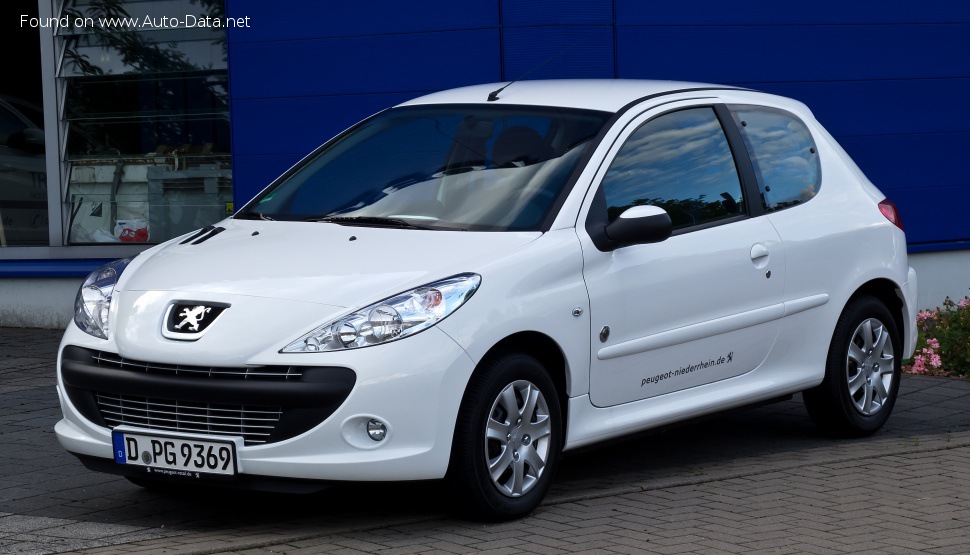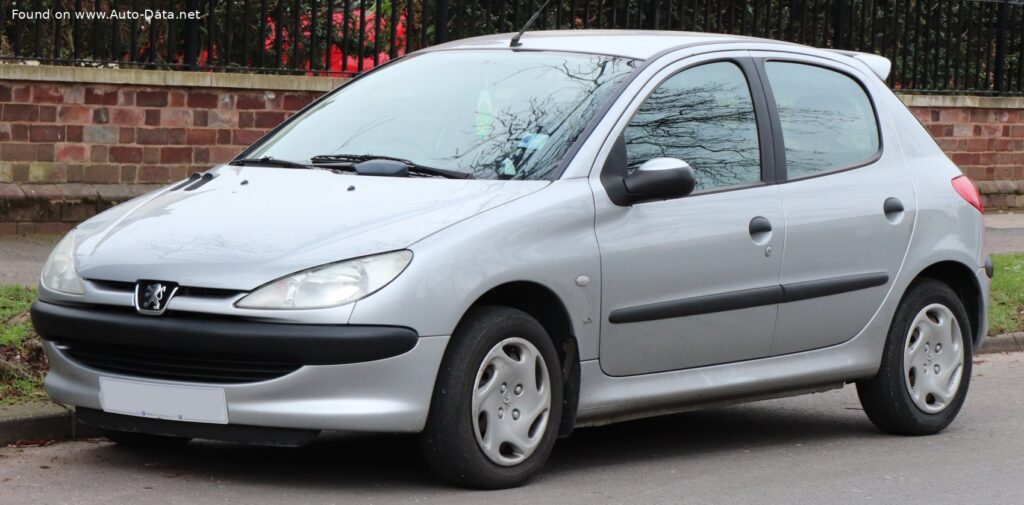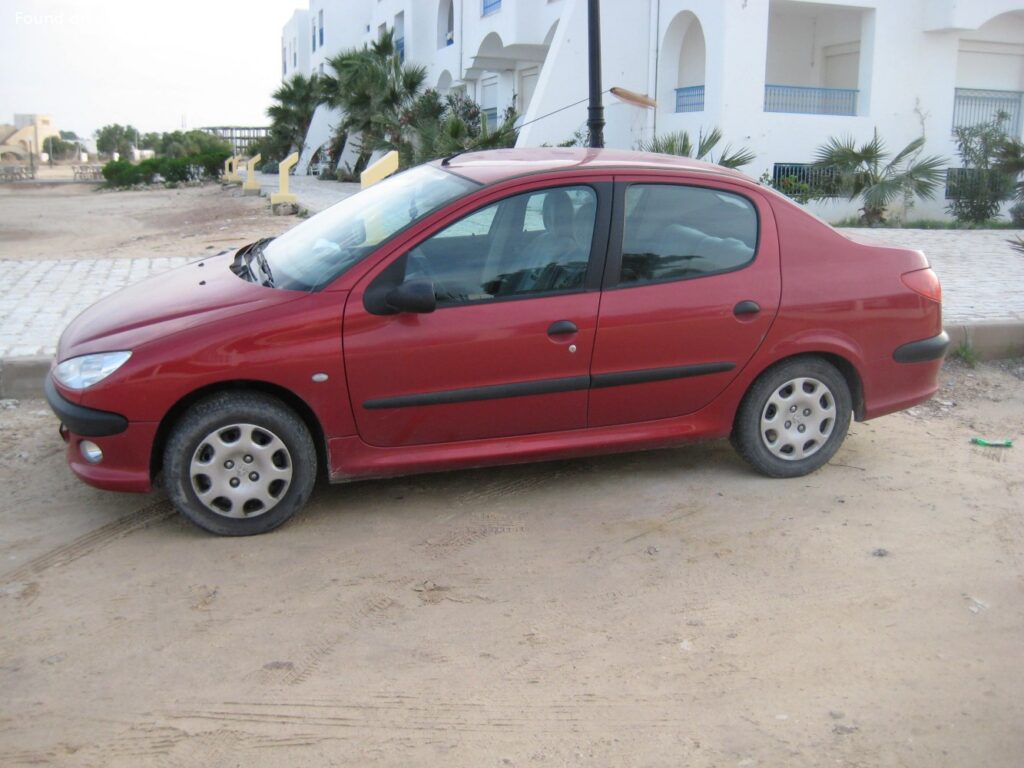
The Peugeot 206 Sedan 1.4, producing 75 horsepower, was a variant of the 206 Sedan model manufactured between 2007 and 2012. This version occupied the entry-level position within the 206 Sedan lineup, serving as the most affordable and fuel-efficient option. It was based on the 206 platform, a popular choice in many international markets, particularly those seeking a practical and economical compact sedan. The 206 Sedan itself was designed to offer a more spacious and traditional trunk compared to the hatchback version, catering to preferences in regions where sedan body styles were favored.
Peugeot 206 Sedan 1.4 (75 Hp): Overview and Positioning
The 206 Sedan 1.4 (75 hp) was specifically targeted at buyers prioritizing affordability, fuel economy, and basic transportation. It was often chosen by first-time car owners, families on a budget, or those needing a reliable vehicle for urban commuting. Compared to other engine options available in the 206 Sedan range (which varied by market, but could include larger 1.6L and even diesel variants), the 1.4L engine offered a more economical purchase price and lower running costs, albeit at the expense of outright performance. It represented a pragmatic choice for drivers who didn’t require the extra power of higher-spec models.
Powertrain & Engine Architecture
The heart of the 206 Sedan 1.4 was the KFV (or sometimes TU3A) engine, a 1.4-liter inline-four cylinder gasoline engine. This engine was a staple in many Peugeot and Citroën vehicles of the era, known for its relative simplicity and durability. It featured a single overhead camshaft (OHC) valvetrain with two valves per cylinder. Fuel delivery was managed by a multi-port manifold injection system, providing a balance between efficiency and responsiveness. The engine displaced 1360 cm³ (82.99 cubic inches) and produced a maximum power output of 75 hp at 5800 rpm, with a peak torque of 111 Nm (81.87 lb-ft) at 3400 rpm. The compression ratio was set at 9.3:1.
While a five-speed manual transmission was the most common pairing for this engine, an automatic transmission was also offered in some markets. This automatic was typically a four-speed unit, designed for smooth, if not particularly sporty, operation. The automatic transmission contributed to a more relaxed driving experience, especially in congested urban environments, but it did come with a slight penalty in terms of fuel economy and acceleration compared to the manual version.
Driving Characteristics
The 1.4L engine in the 206 Sedan delivered modest performance. Acceleration from 0 to 100 km/h (0-62 mph) took approximately 14.6 seconds, while 0-60 mph was achieved in around 13.9 seconds. The top speed was limited to 170 km/h (105.63 mph). The power delivery was relatively linear, with usable torque available from mid-range revs. However, the engine could feel strained when climbing hills or carrying a full load of passengers and luggage. The automatic transmission, while convenient, further muted the engine’s response, resulting in a more leisurely driving experience. Gear ratios were optimized for fuel efficiency rather than outright acceleration. Compared to the more powerful 1.6L variants, the 1.4L felt noticeably slower, but it offered a more forgiving and economical driving experience.
Equipment & Trim Levels
The 206 Sedan 1.4 typically came with a basic level of equipment, reflecting its entry-level positioning. Standard features generally included power steering, central locking, front electric windows, and an AM/FM radio. Air conditioning was often an optional extra, as were features like alloy wheels, a CD player, and upgraded interior trim. Interior upholstery was typically cloth, with a simple and functional dashboard layout. Safety features included ABS (Anti-lock Braking System) as standard in many markets, though the availability of airbags varied depending on the region and specific trim level. The overall interior design prioritized practicality and durability over luxury.
Chassis & Braking
The 206 Sedan 1.4 utilized a front-wheel-drive layout with a MacPherson strut suspension at the front and a torsion beam suspension at the rear. This suspension setup provided a reasonable balance between ride comfort and handling. The front brakes were disc brakes, offering adequate stopping power, while the rear brakes were typically drum brakes to keep costs down. The hydraulic steering provided a light and easy steering feel, making it well-suited for urban driving. Tire size was commonly 185/65 R14, mounted on 5.5Jx14 steel or alloy wheels. The relatively lightweight nature of the 1.4L engine and the basic trim level contributed to a manageable overall weight, aiding in fuel efficiency and handling.
Market Reception & Comparison
The Peugeot 206 Sedan 1.4 was generally well-received as an affordable and reliable compact sedan. Critics praised its fuel economy and practicality, but noted its lack of outright performance. Compared to other vehicles in its class, such as the Renault Symbol or the Fiat Albea, the 206 Sedan offered a slightly more refined driving experience and a more modern interior design. However, it often came at a slightly higher price point. Fuel economy was a key selling point, with the 1.4L engine achieving around 6.5-7.5 liters per 100 kilometers (36-41 mpg) in mixed driving conditions. Reliability was generally good, although some owners reported minor issues with the electrical system and the cooling system.
Technical Specifications
| Body Type | Sedan, 4 Doors, 5 Seats |
| Engine Type | Petrol (Gasoline) |
| Engine Displacement | 1.4 l (1360 cm3 / 82.99 cu. in.) |
| Number of Cylinders | 4, Inline |
| Power Output | 75 Hp @ 5800 rpm |
| Torque | 111 Nm @ 3400 rpm (81.87 lb.-ft. @ 3400 rpm) |
| Fuel Injection | Multi-port manifold injection |
| Valvetrain | OHC (2 valves per cylinder) |
| Compression Ratio | 9.3:1 |
| Transmission | 5 gears, manual transmission (automatic available) |
| Drive Wheels | Front wheel drive |
| Brakes (Front) | Disc |
| Brakes (Rear) | Drum |
| Length | 4188 mm (164.88 in.) |
| Width | 1655 mm (65.16 in.) |
| Height | 1452 mm (57.17 in.) |
| Wheelbase | 2442 mm (96.14 in.) |
| Trunk Space (Maximum) | 402 l (14.2 cu. ft.) |
| Fuel Tank Capacity | 50 l (13.21 US gal | 11 UK gal) |
| 0-100 km/h | 14.6 sec |
| 0-60 mph | 13.9 sec |
| Top Speed | 170 km/h (105.63 mph) |
Legacy
The Peugeot 206 Sedan 1.4, while not a performance icon, proved to be a reliable and economical choice for many drivers. The KFV/TU3A engine is known for its durability, and with proper maintenance, can last for many years. In the used car market, these models are often sought after by buyers looking for an affordable and practical vehicle. Parts availability is generally good, and maintenance costs are relatively low. While newer vehicles offer more advanced features and improved safety technology, the 206 Sedan 1.4 remains a viable option for those seeking a simple, dependable, and fuel-efficient compact sedan. Its enduring popularity in certain markets is a testament to its practicality and affordability.