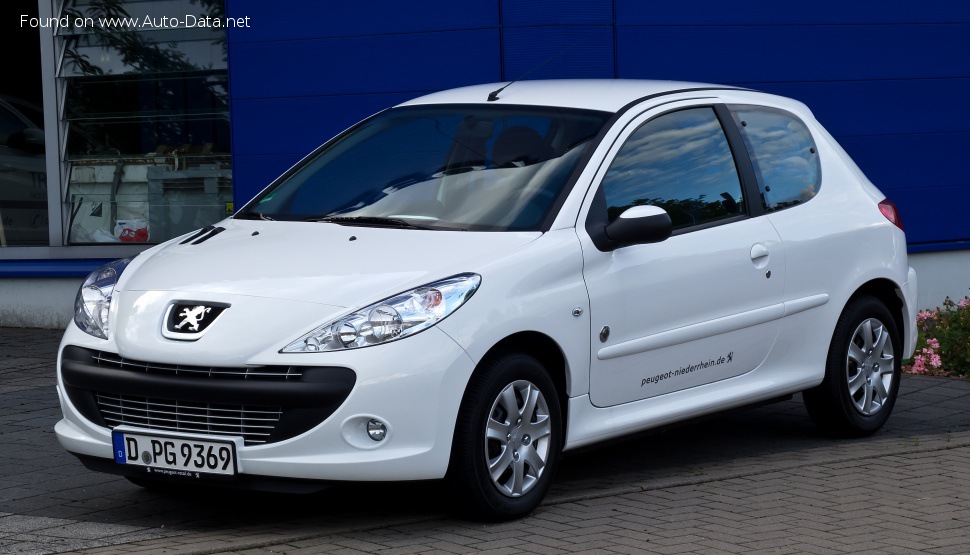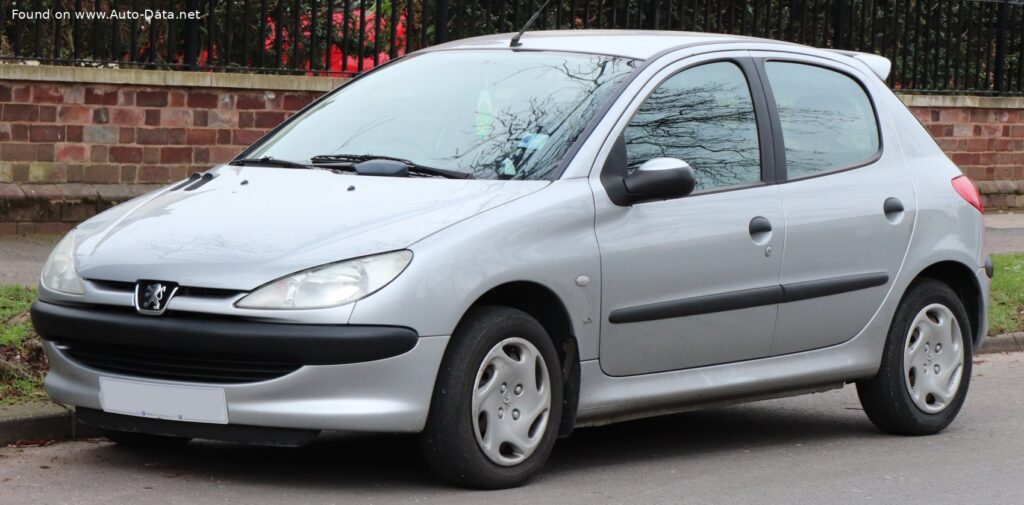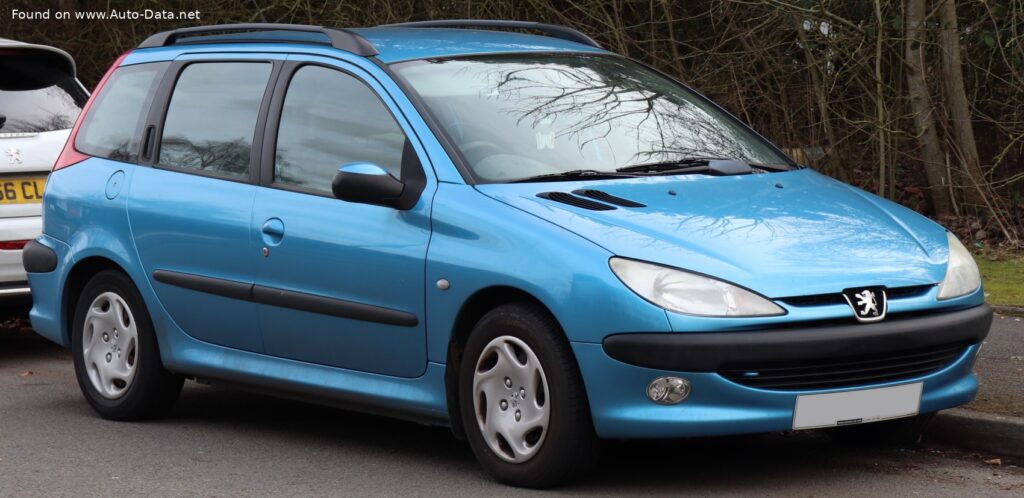
The Peugeot 206 SW 1.1i, produced from 2002 to 2007, was a practical and affordable station wagon variant of the popular 206 hatchback. Positioned as the entry-level model within the 206 SW range, it offered increased cargo capacity and versatility compared to the standard hatchback, appealing to families and those needing a flexible vehicle. The 1.1i designation refers to the engine displacement and power output – a 1.1-liter inline-four engine producing 60 horsepower. This model was a key part of Peugeot’s strategy to offer a diverse range of options within the 206 family, catering to a broad spectrum of buyers. It was built on the T1 platform, shared with the Citroën 206 and other small Peugeot and Citroën vehicles.
Powertrain & Engine Architecture
The heart of the 206 SW 1.1i is the HFX (also sometimes referred to as TU1JP) inline-four cylinder engine, displacing 1124cc (68.59 cubic inches). This engine is a naturally aspirated, gasoline-powered unit featuring a single overhead camshaft (OHC) valvetrain with two valves per cylinder. Fuel delivery is managed by a multi-port fuel injection system, providing a balance between efficiency and acceptable performance for its intended role. The engine’s relatively simple design contributed to its reliability and ease of maintenance.
While a five-speed manual transmission was standard, the 1.1i engine was also offered with a four-speed automatic transmission in some markets. This automatic, though providing convenience, was a significant factor in the car’s slower acceleration times. The automatic transmission was a conventional hydraulic unit, lacking the sophistication of more modern electronically controlled gearboxes. It was chosen for its cost-effectiveness and simplicity, rather than outright performance. The engine produces 60 hp at 5500 rpm and 91 Nm (67.12 lb-ft) of torque at 2600 rpm. The compression ratio is 10.2:1.
Engine Codes and Variations
The HFX engine code is the primary identifier for this specific 1.1-liter engine. While largely consistent across the 206 SW range, minor variations in engine management software and components may exist depending on the specific market and year of production. These variations typically relate to emissions compliance and regional regulations.
Driving Characteristics
The 206 SW 1.1i, particularly when equipped with the four-speed automatic transmission, was not known for its blistering performance. Acceleration from 0 to 100 km/h (0-62 mph) took approximately 17.8 seconds, and 0-60 mph was achieved in around 16.9 seconds. The top speed was limited to 160 km/h (99.42 mph). The engine’s modest power output meant that overtaking maneuvers required careful planning, and the car felt most comfortable cruising at lower speeds.
The automatic transmission’s gear ratios were optimized for fuel economy rather than acceleration. The shifts were generally smooth but lacked the responsiveness of a manual gearbox. The manual transmission version offered a more engaging driving experience and slightly improved performance, but the automatic was favored by drivers prioritizing ease of use. The weight-to-power ratio of 16.5 kg/hp and weight-to-torque ratio of 10.9 kg/Nm further illustrate the car’s focus on practicality over performance.
Equipment & Trim Levels
As the entry-level 206 SW, the 1.1i typically came with a relatively basic level of equipment. Standard features generally included power steering, central locking, front electric windows, and an adjustable steering column. Safety features included ABS (Anti-lock Braking System) and driver and passenger airbags. Interior upholstery was typically cloth, and the dashboard featured a simple, functional design.
Optional extras included air conditioning, rear electric windows, a CD player, and alloy wheels. Higher trim levels, such as the ‘Sport’ or ‘GLX’ variants, added features like upgraded upholstery, more comprehensive audio systems, and additional exterior styling enhancements. The SW body style itself offered a significant advantage in terms of practicality, with a versatile cargo area that could be expanded by folding down the rear seats. Trunk space ranged from 313 liters (11.05 cu. ft.) with the rear seats up to 1136 liters (40.12 cu. ft.) with them folded down.
Chassis & Braking
The 206 SW 1.1i utilized a front-wheel-drive layout with a MacPherson strut front suspension and a coil spring rear suspension. This suspension setup provided a reasonable balance between ride comfort and handling. The front brakes were disc brakes, while the rear brakes were drum brakes – a cost-saving measure common in entry-level models. The steering was a hydraulic power steering system, offering light and easy steering feel.
The car’s curb weight of 990 kg (2182.58 lbs) contributed to its relatively nimble handling, despite its modest power output. Tire size was typically 175/65 R14. The chassis was designed to prioritize stability and comfort over sporty handling, making it well-suited for everyday driving conditions. The front track measured 1419 mm (55.87 in) and the rear track 1407 mm (55.39 in).
Market Reception & Comparison
The Peugeot 206 SW 1.1i was generally well-received as a practical and affordable family car. Critics praised its spacious interior, versatile cargo area, and fuel efficiency. However, the 1.1-liter engine was often criticized for its lack of power, particularly when paired with the automatic transmission. Compared to higher-spec 206 SW models, such as those equipped with the 1.6-liter or 2.0-liter engines, the 1.1i offered significantly less performance.
Fuel economy was a strong point, with combined fuel consumption figures of around 8.7 l/100 km (27 US mpg, 32.5 UK mpg). This made it an attractive option for budget-conscious buyers. Reliability was generally good, although the automatic transmission could be prone to issues if not properly maintained. The 1.1i appealed to a different demographic than the more powerful 206 SW variants, targeting families and individuals who prioritized practicality and affordability over performance.
Technical Specifications
| Engine Model/Code | HFX TU1JP |
| Engine Displacement | 1124 cm3 (68.59 cu. in.) |
| Number of Cylinders | 4, Inline |
| Cylinder Bore | 72 mm (2.83 in.) |
| Piston Stroke | 69 mm (2.72 in.) |
| Compression Ratio | 10.2:1 |
| Number of Valves per Cylinder | 2 |
| Fuel Injection System | Multi-port manifold injection |
| Engine Aspiration | Naturally aspirated |
| Power | 60 Hp @ 5500 rpm |
| Torque | 91 Nm @ 2600 rpm (67.12 lb.-ft. @ 2600 rpm) |
| Fuel Type | Petrol (Gasoline) |
| Acceleration 0-100 km/h | 17.8 sec |
| Acceleration 0-62 mph | 17.8 sec |
| Maximum Speed | 160 km/h (99.42 mph) |
| Kerb Weight | 990 kg (2182.58 lbs.) |
| Max. Weight | 1485 kg (3273.86 lbs.) |
| Fuel Tank Capacity | 50 l (13.21 US gal | 11 UK gal) |
| Length | 4028 mm (158.58 in.) |
| Width | 1652 mm (65.04 in.) |
| Height | 1460 mm (57.48 in.) |
| Wheelbase | 2442 mm (96.14 in.) |
Legacy
The Peugeot 206 SW 1.1i remains a relatively common sight on used car markets today. The HFX engine is known for its durability and relatively low maintenance costs, making it a popular choice for first-time car buyers or those seeking an affordable and reliable vehicle. However, potential buyers should be aware of the limitations of the 1.1-liter engine, particularly when considering models equipped with the automatic transmission. Regular maintenance, including oil changes and timing belt replacements, is crucial to ensure the long-term reliability of this powertrain. While not a performance icon, the 206 SW 1.1i served as a practical and economical option within the 206 range, offering a compelling blend of space, versatility, and affordability.