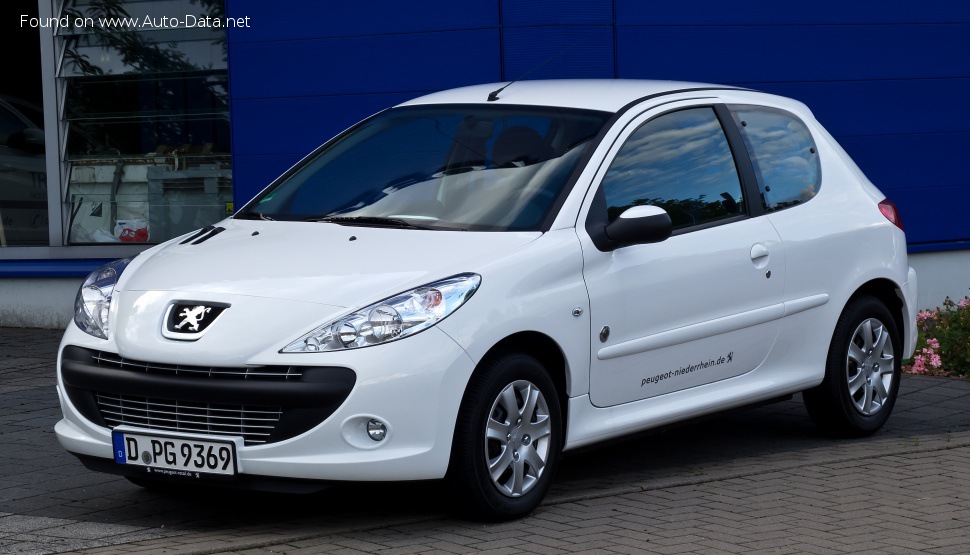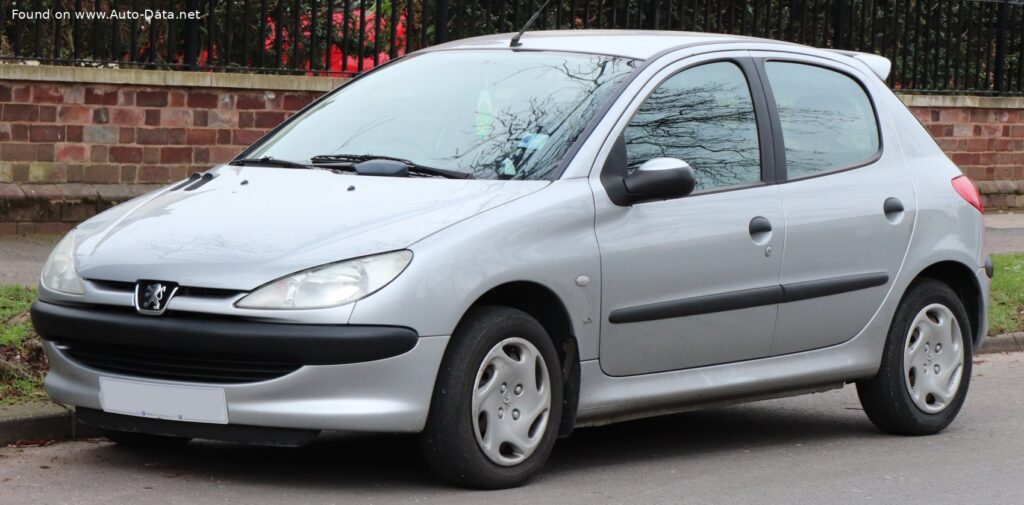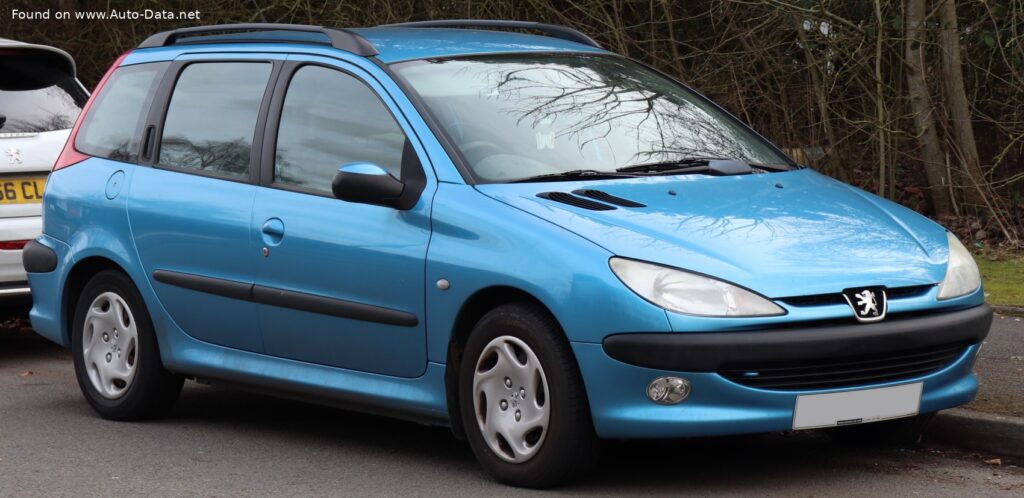
The Peugeot 206 SW 1.4 HDi, producing 68 horsepower, was a popular variant of the 206 SW (Station Wagon) model, manufactured between 2002 and 2007. Positioned as the entry-level engine option for the SW body style, it offered a balance of fuel efficiency and practicality aimed at families and budget-conscious buyers. The 206 SW itself was part of the T1 platform, shared with the Peugeot 206 hatchback and Citroën 206, offering an extended cargo area compared to its three-door and five-door counterparts. This variant played a significant role in establishing the 206 SW as a competitive option in the European small estate market.
Powertrain & Engine Architecture
The heart of the 206 SW 1.4 HDi was the 8HX (DV4TD) engine, a 1.4-liter inline four-cylinder diesel engine. This engine was a common choice in many Peugeot and Citroën models of the era, known for its relatively simple design and fuel efficiency. It featured a turbocharger with an intercooler to improve power output and efficiency. The engine utilized a diesel common rail fuel injection system, delivering fuel at high pressure for optimized combustion. The engine’s valvetrain employed a double overhead camshaft (DOHC) configuration with two valves per cylinder. The 8HX engine produced 68 hp at 4000 rpm and 150 Nm (110.63 lb-ft) of torque at 1750 rpm. The engine’s bore and stroke measured 73.7 mm (2.9 in) and 82 mm (3.23 in) respectively, resulting in a displacement of 1398 cm³ (85.31 cu. in). The compression ratio was a high 17.9:1, typical for diesel engines. The engine required 3.75 liters (3.96 US qt, 3.3 UK qt) of engine oil, specified to Peugeot’s standards.
Transmission
The 206 SW 1.4 HDi was exclusively offered with a five-speed manual transmission. This transmission was chosen to maximize fuel economy and provide a reasonably engaging driving experience, despite the engine’s modest power output. The gear ratios were optimized for low-speed torque and efficient cruising, reflecting the engine’s characteristics and the vehicle’s intended use as a practical family car. There was no automatic transmission option available for this specific engine and body style combination.
Driving Characteristics
The 206 SW 1.4 HDi offered a driving experience focused on practicality and fuel economy rather than outright performance. Acceleration from 0 to 100 km/h (0-62 mph) took approximately 14.7 seconds, and 0 to 60 mph was achieved in around 14 seconds. The top speed was 165 km/h (102.53 mph). While not particularly quick, the engine provided sufficient torque for everyday driving, including carrying passengers and cargo. The turbocharger helped to mitigate turbo lag, providing a usable power band from relatively low engine speeds. The five-speed manual transmission allowed drivers to keep the engine in its optimal power range. Compared to the more powerful petrol (gasoline) versions of the 206, the 1.4 HDi felt noticeably slower, but it offered significantly better fuel economy. Compared to other diesel variants, like the 2.0 HDi, the 1.4 HDi was less refined and had a narrower power band, but it was also more affordable to purchase and operate.
Equipment & Trim Levels
The 206 SW 1.4 HDi typically came with a modest level of standard equipment, reflecting its position as the entry-level SW variant. Standard features generally included power steering, central locking, front airbags, and an adjustable steering column. Interior upholstery was typically cloth, and the dashboard featured a functional, if somewhat basic, design. Optional extras included air conditioning, alloy wheels, a CD player, and electric windows. Higher trim levels, such as the ‘Sport’ or ‘GLX’ variants, added features like upgraded upholstery, more comprehensive audio systems, and additional safety equipment. The SW body style itself offered a significant advantage in terms of practicality, with a large cargo area that could be expanded by folding down the rear seats. The rear seats often featured a 60/40 split for flexible cargo configurations.
Chassis & Braking
The 206 SW 1.4 HDi utilized a relatively simple chassis design. Front suspension consisted of a spring strut setup, while the rear suspension employed a torsion beam. This configuration provided a reasonable balance of ride comfort and handling. The front brakes were discs, offering good stopping power, while the rear brakes were drums, a cost-saving measure common in this segment. Anti-lock Braking System (ABS) was standard, enhancing safety. The steering system was a rack and pinion type with hydraulic power assistance. The vehicle rode on 175/65 R14 tires mounted on 14-inch steel or alloy wheels. The kerb weight of the 206 SW 1.4 HDi was approximately 1073 kg (2365.56 lbs), contributing to its relatively good fuel economy.
Market Reception & Comparison
The Peugeot 206 SW 1.4 HDi was generally well-received by critics for its practicality, fuel efficiency, and affordability. It was praised as a sensible choice for families and those seeking a versatile small estate car. However, some reviewers noted the engine’s lack of outright power and its somewhat noisy operation. Compared to other small estates of the time, such as the Renault Mégane Estate and the Ford Focus Estate, the 206 SW offered a more stylish design and a more engaging driving experience, but it often lacked the spaciousness of its rivals. In terms of fuel economy, the 1.4 HDi was among the best in its class, achieving approximately 4.4 l/100 km (53.5 US mpg, 64.2 UK mpg) on the combined cycle. Reliability was generally good, although some owners reported issues with the diesel particulate filter (DPF) and the turbocharger.
Technical Specifications
| Engine Type | 1.4 HDi Diesel |
| Engine Code | 8HX (DV4TD) |
| Displacement | 1398 cm³ (85.31 cu. in.) |
| Cylinders | 4, Inline |
| Power | 68 hp @ 4000 rpm |
| Torque | 150 Nm (110.63 lb-ft) @ 1750 rpm |
| Fuel Injection | Diesel Commonrail |
| Valvetrain | DOHC, 2 valves/cylinder |
| Compression Ratio | 17.9:1 |
| Transmission | 5-speed Manual |
| Drive Wheels | Front |
| Kerb Weight | 1073 kg (2365.56 lbs) |
| Maximum Weight | 1563 kg (3445.83 lbs) |
| Fuel Consumption (Urban) | 5.6 l/100 km (42 US mpg, 50.4 UK mpg) |
| Fuel Consumption (Extra Urban) | 3.8 l/100 km (61.9 US mpg, 74.3 UK mpg) |
| Fuel Consumption (Combined) | 4.4 l/100 km (53.5 US mpg, 64.2 UK mpg) |
| Fuel Tank Capacity | 50 l (13.21 US gal, 11 UK gal) |
| Acceleration 0-100 km/h | 14.7 sec |
| Top Speed | 165 km/h (102.53 mph) |
Legacy
The Peugeot 206 SW 1.4 HDi remains a relatively common sight on European roads today, testament to its durability and practicality. The 8HX engine, while not known for its refinement, proved to be reasonably reliable when properly maintained. Used examples are generally affordable, making them an attractive option for budget-conscious buyers. However, potential buyers should be aware of potential issues with the DPF and turbocharger, and ensure that the vehicle has been regularly serviced. The 206 SW 1.4 HDi helped to establish the 206 SW as a popular choice in the small estate market, paving the way for future Peugeot estate models. Its combination of fuel efficiency, practicality, and affordability continues to appeal to a wide range of buyers in the used car market.