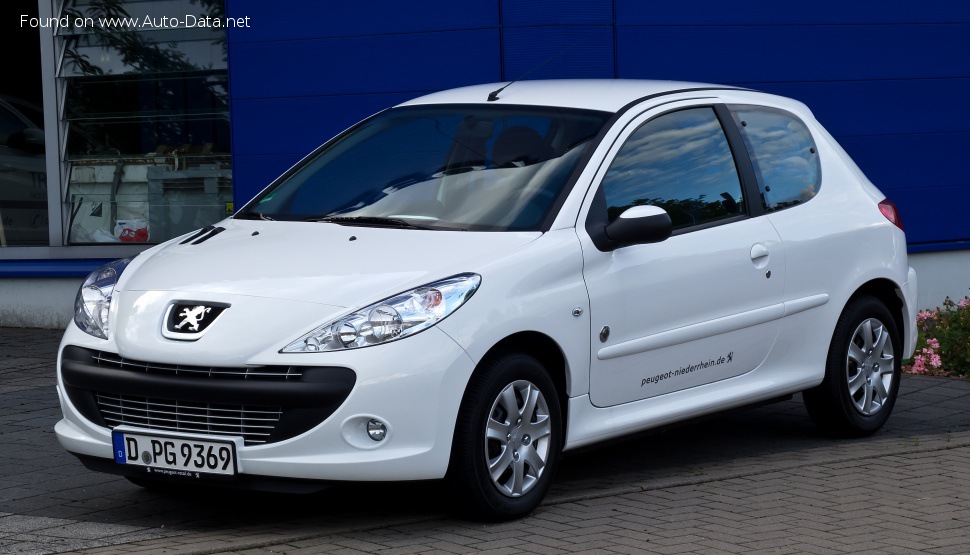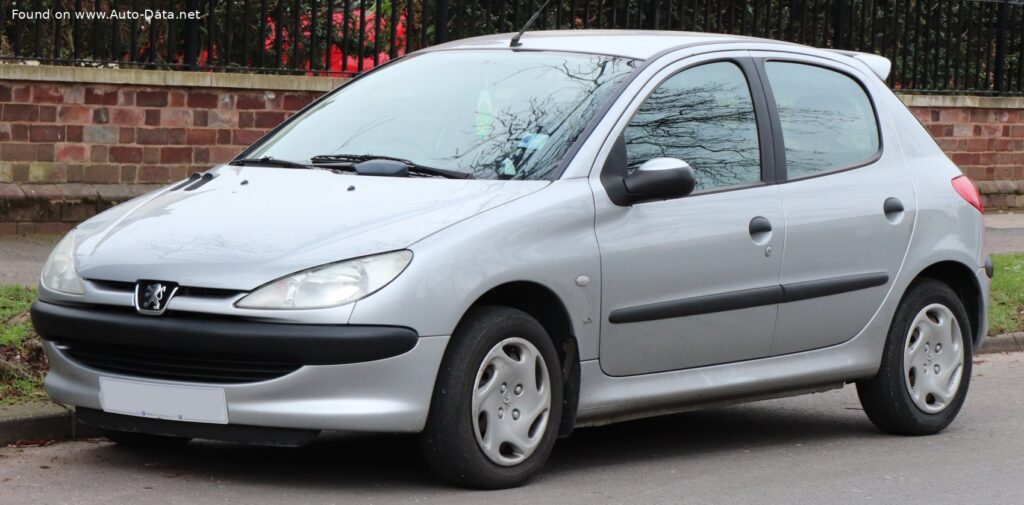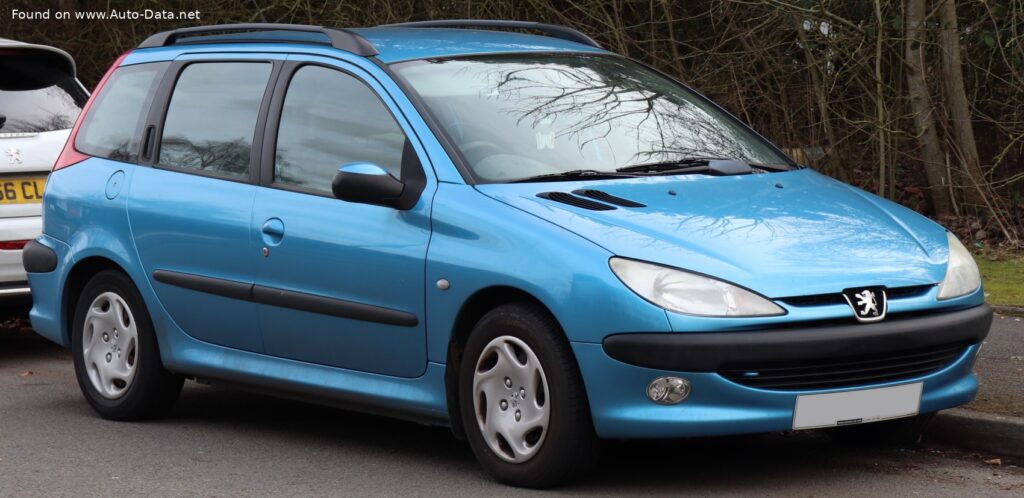
The Peugeot 206 SW 1.4i, producing 75 horsepower, was a popular variant of the 206 SW (Station Wagon) model, manufactured between 2002 and 2007. Positioned as the entry-level engine option for the SW body style, it offered a practical and affordable family vehicle within the broader 206 range, which spanned from the base LX to the sporty GTI. The 206 SW itself was built on the Peugeot 206 platform (T1 platform), and later the 206+ update utilized the T1A platform. This particular 1.4-liter engine and five-speed manual transmission combination aimed to balance fuel efficiency with reasonable usability for everyday driving, making it a common sight on European roads.
Powertrain & Engine Architecture
The heart of the 206 SW 1.4i is the KFW (and sometimes DJZ) engine code, representing a 1360cc (82.99 cu. in.) inline-four cylinder petrol engine. This engine belongs to the Peugeot-Citroën (PSA) TU3 family, known for its robustness and relatively simple design. The TU3JP variant, specifically, features a single overhead camshaft (SOHC) valvetrain with two valves per cylinder. Fuel delivery is managed by a multi-port fuel injection (MPFI) system, providing a balance between cost-effectiveness and adequate performance. The engine’s compression ratio is 10.2:1, contributing to its efficiency. The engine is transversely mounted at the front of the vehicle, driving the front wheels.
The 206 SW 1.4i was exclusively offered with a five-speed manual transmission. This gearbox was chosen to maximize fuel economy and provide a more engaging driving experience compared to the optional four-speed automatic transmission available on some other 206 models. The transmission utilizes a standard shift pattern, and its gear ratios are tuned for acceleration and cruising efficiency. The final drive ratio is typically around 3.94:1, contributing to the vehicle’s overall gearing.
Engine Specifications (KFW/DJZ)
- Displacement: 1360 cc (82.99 cu. in.)
- Cylinder Bore: 75 mm (2.95 in.)
- Piston Stroke: 77 mm (3.03 in.)
- Compression Ratio: 10.2:1
- Valves per Cylinder: 2
- Fuel Injection: Multi-port Fuel Injection
- Maximum Power: 75 hp @ 5500 rpm
- Maximum Torque: 90 Nm (66.38 lb-ft) @ 2800 rpm
Driving Characteristics
The 206 SW 1.4i offers a modest but adequate driving experience. Acceleration from 0 to 100 km/h (0-62 mph) takes approximately 14.7 seconds, and top speed is around 172 km/h (106.88 mph). While not particularly quick, the engine provides sufficient power for everyday driving situations, including city commuting and highway cruising. The five-speed manual transmission allows drivers to keep the engine in its optimal power band, improving responsiveness. Compared to the more powerful 2.0-liter petrol or 1.6-liter HDI diesel variants, the 1.4i feels noticeably slower, particularly when fully loaded or climbing hills. However, it compensates with superior fuel economy and a lighter front-end feel, making it more nimble in tight corners.
The gear ratios are spaced to provide a balance between acceleration and fuel efficiency. First gear is relatively short for quick starts, while fifth gear is geared for comfortable highway cruising. The clutch is light and easy to operate, making it suitable for novice drivers. The steering is precise and provides good feedback, contributing to a confident driving experience. The suspension, while basic, offers a comfortable ride quality, absorbing most road imperfections effectively.
Equipment & Trim Levels
The 206 SW 1.4i typically came equipped with a reasonable level of standard features, reflecting its position as an entry-level model. These included power steering, central locking, front electric windows, and an adjustable steering column. Safety features included ABS (Anti-lock Braking System) and driver and passenger airbags. Interior upholstery was typically cloth, with a simple dashboard layout.
Optional extras included air conditioning, rear electric windows, a CD player, alloy wheels, and metallic paint. Higher trim levels, such as the ‘Sport’ or ‘S’ variants, added features like sport seats, upgraded interior trim, and fog lights. The SW body style itself offered a significant advantage in terms of practicality, with a versatile interior and a large cargo area. The rear seats could be folded down to create a flat load floor, increasing cargo capacity from 313 liters (11.05 cu. ft.) to 1136 liters (40.12 cu. ft.).
Chassis & Braking
The 206 SW 1.4i utilizes a MacPherson strut front suspension and a torsion beam rear suspension. This setup provides a good balance between ride comfort and handling. The front suspension incorporates coil springs and a stabilizer bar to reduce body roll. The rear suspension is relatively simple, but effective in maintaining stability. The braking system consists of disc brakes on the front wheels and drum brakes on the rear wheels. The ABS system helps to prevent wheel lockup during hard braking, improving stopping performance and maintaining steering control. The steering is a rack and pinion system with hydraulic power assistance, providing precise and responsive steering feel.
Tire size for the 1.4i SW was typically 175/65R14. The relatively narrow tires contribute to fuel efficiency and provide adequate grip in most driving conditions. The curb weight of the vehicle is approximately 999 kg (2202.42 lbs), which helps to offset the relatively low power output of the engine.
Market Reception & Comparison
The Peugeot 206 SW 1.4i was generally well-received by critics as a practical and affordable family vehicle. It was praised for its spacious interior, versatile cargo area, and fuel efficiency. However, it was also criticized for its relatively slow acceleration and basic interior trim. Compared to other vehicles in its class, such as the Renault Mégane Scenic or the Citroën Xsara Picasso, the 206 SW offered a more stylish design and a more engaging driving experience.
Fuel economy was a strong point for the 1.4i, with combined fuel consumption figures around 6.8 l/100 km (34.9 US mpg / 41.5 UK mpg). Reliability was generally good, although some owners reported issues with the engine’s cooling system and the electrical components. The 1.6-liter HDI diesel version offered significantly better fuel economy and more torque, but at a higher purchase price. The 2.0-liter petrol version provided more power, but at the expense of fuel efficiency.
Technical Specifications
| Engine Type | Inline-4, Petrol |
| Engine Code | KFW/DJZ |
| Displacement | 1360 cc (82.99 cu. in.) |
| Power | 75 hp @ 5500 rpm |
| Torque | 90 Nm (66.38 lb-ft) @ 2800 rpm |
| Compression Ratio | 10.2:1 |
| Fuel Injection | Multi-port Fuel Injection |
| Transmission | 5-speed Manual |
| Drive Wheels | Front |
| Curb Weight | 999 kg (2202.42 lbs) |
| Maximum Weight | 1499 kg (3304.73 lbs) |
| Fuel Tank Capacity | 50 l (13.21 US gal / 11 UK gal) |
| Length | 4028 mm (158.58 in) |
| Width | 1652 mm (65.04 in) |
| Height | 1460 mm (57.48 in) |
| Trunk Space (min/max) | 313 l / 1136 l (11.05 cu. ft. / 40.12 cu. ft.) |
Legacy
The Peugeot 206 SW 1.4i remains a relatively common sight on used car markets today. Its simple engine design and robust construction contribute to its long-term reliability. While not a performance car, it offers a practical and affordable transportation solution for families. Maintenance costs are generally low, and spare parts are readily available. However, potential buyers should be aware of potential issues with the cooling system and electrical components. The 206 SW, in general, is remembered fondly for its stylish design and versatility, and the 1.4i variant continues to provide a cost-effective entry point into the world of Peugeot station wagons.