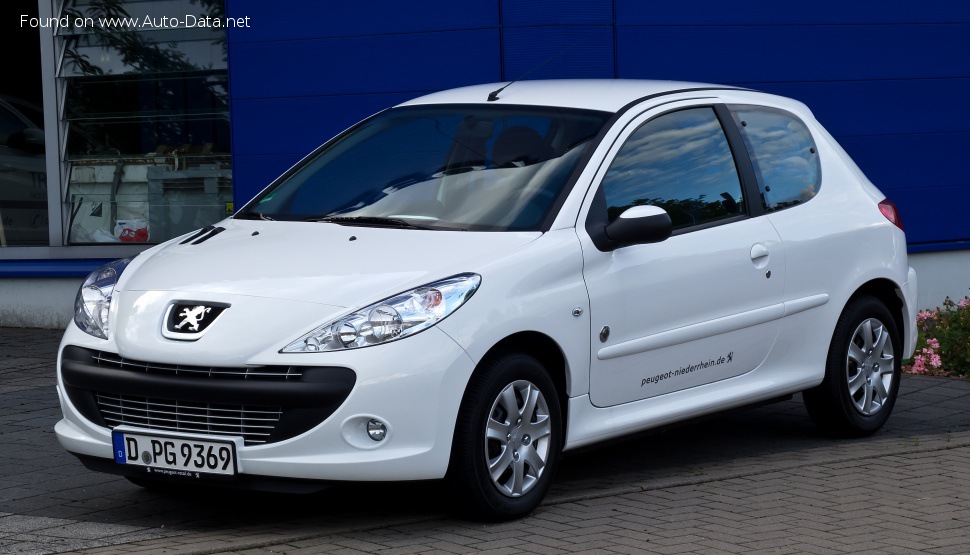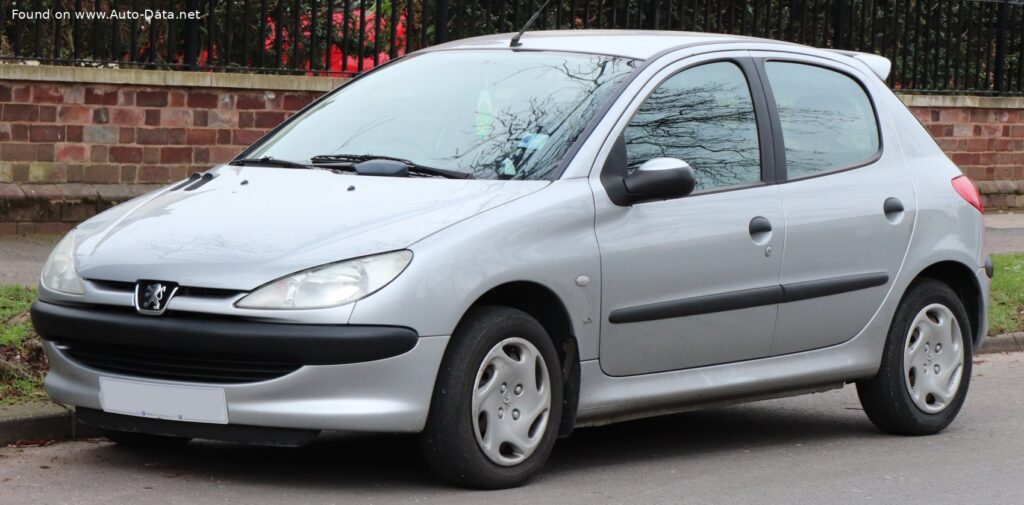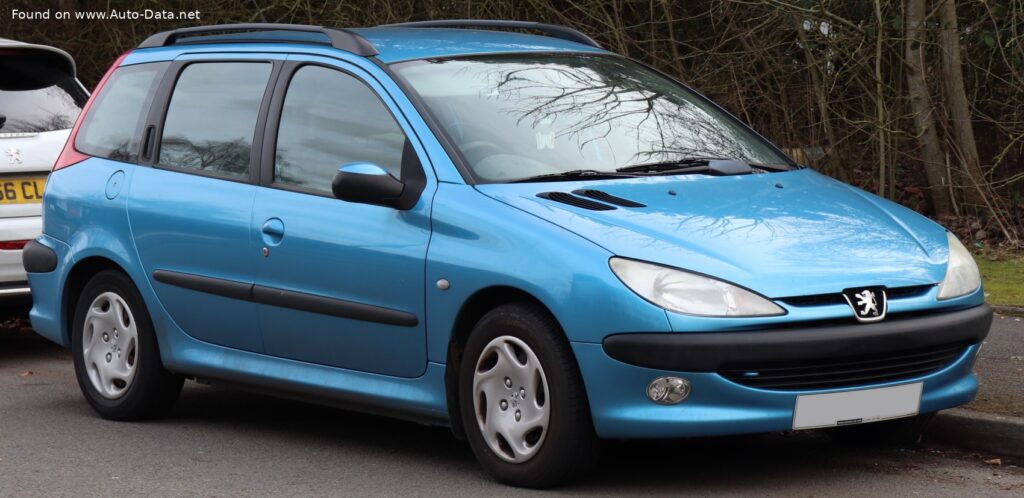
The Peugeot 206 SW 1.6 HDI, produced from 2005 to 2007, was a station wagon (estate) variant of the popular Peugeot 206. This model distinguished itself with a 1.6-liter High Pressure Diesel (HDI) engine producing 109 horsepower. It occupied a mid-range position within the 206 SW lineup, offering a balance between fuel efficiency, practicality, and performance, appealing to families and individuals needing a versatile vehicle. The 206 SW, built on the T1 platform, represented Peugeot’s entry into the compact leisure activity vehicle (LAV) segment, offering increased cargo capacity compared to the standard hatchback.
Peugeot 206 SW 1.6 HDI: Powertrain & Engine Architecture
The heart of the 206 SW 1.6 HDI is the DV6TED4 engine, specifically the 9HY or 9HZ engine code variants. This is a 1.6-liter, inline-four cylinder diesel engine utilizing common rail direct injection. The DV6 engine family, developed jointly by PSA Peugeot Citroën and Ford, was known for its robust design and relatively advanced technology for its time. The 109 hp output was achieved through a turbocharger with an intercooler, boosting intake air density and improving combustion efficiency. The engine featured a double overhead camshaft (DOHC) valvetrain with four valves per cylinder, optimizing gas flow for increased power and torque.
Fuel injection was managed by a Bosch common rail system, delivering highly pressurized fuel directly into the combustion chamber. This system allowed for precise control over fuel delivery, resulting in improved fuel economy and reduced emissions. The engine’s compression ratio was relatively high at 17.6:1, typical for diesel engines, contributing to its thermal efficiency. The engine oil capacity was 3.75 liters (3.96 US quarts), and the recommended oil specification should be consulted in the vehicle’s owner’s manual. The cooling system held 6 liters (6.34 US quarts) of coolant.
Transmission
The 206 SW 1.6 HDI was primarily equipped with a 5-speed manual transmission. While an automatic transmission was offered in some markets, it was less common and generally considered less efficient and responsive than the manual counterpart. The manual gearbox was designed to handle the engine’s 260 Nm (191.77 lb-ft) of torque, providing smooth and reliable shifting. The gear ratios were tailored to provide a balance between acceleration and fuel economy, with a relatively long fifth gear for efficient cruising.
Driving Characteristics
The 1.6 HDI engine in the 206 SW provided a noticeable step up in performance compared to the smaller displacement petrol engines available in the 206 range. While not a sports car, the 109 hp and 260 Nm of torque delivered adequate acceleration for everyday driving and highway cruising. The 0-100 km/h (0-62 mph) acceleration time was approximately 11.1 seconds, and 0-60 mph took around 10.5 seconds. The engine’s peak torque was available from 1750 rpm, providing strong pulling power from low engine speeds. This made the 206 SW 1.6 HDI particularly well-suited for carrying passengers and luggage, even on inclines.
The driving experience was generally comfortable, with the suspension tuned for ride quality rather than outright handling. The steering was hydraulic, providing a reasonable level of assistance without feeling overly light or disconnected. The 5-speed manual transmission offered precise shifts, and the clutch was relatively light, making it easy to operate in urban traffic. Compared to the petrol versions, the diesel engine offered significantly better fuel economy, making it a popular choice for drivers covering long distances.
Equipment & Trim Levels
The 206 SW 1.6 HDI typically came with a reasonable level of standard equipment. This included power steering, central locking, electric front windows, and an ABS (Anti-lock Braking System). Air conditioning was often an optional extra, as were alloy wheels and a CD player. Interior upholstery was typically cloth, with a dark color scheme. The dashboard layout was functional and straightforward, with clearly labeled controls. Higher trim levels, such as the ‘Sport’ or ‘SE’ variants, added features like rear electric windows, a trip computer, and upgraded interior trim.
Safety features included driver and passenger airbags, and seatbelt pretensioners. The rear seats could be folded down to increase cargo capacity, providing a versatile loading area. The 206 SW’s design prioritized practicality, with numerous storage compartments throughout the cabin.
Chassis & Braking
The 206 SW 1.6 HDI utilized a front-wheel-drive layout with a MacPherson strut front suspension and a coil spring rear suspension. This setup provided a good balance between ride comfort and handling. The front brakes were ventilated discs, offering good stopping power, while the rear brakes were typically solid discs. The chassis was reinforced compared to the standard 206 hatchback to accommodate the increased weight and load-carrying capacity of the station wagon body style.
The steering system employed a rack and pinion setup with hydraulic power assistance. Tire size was typically 195/55 R15H. The weight distribution was reasonably balanced, contributing to stable handling characteristics. The kerb weight of the 206 SW 1.6 HDI was approximately 1120 kg (2469.18 lbs).
Market Reception & Comparison
The Peugeot 206 SW 1.6 HDI was generally well-received by automotive critics. It was praised for its fuel efficiency, practicality, and comfortable ride. The 1.6 HDI engine was considered a strong performer, offering a good balance between power and economy. However, some critics noted that the handling was not as sharp as some of its competitors, and the interior quality was somewhat basic. Compared to the petrol versions of the 206 SW, the 1.6 HDI offered significantly better fuel economy, making it a more cost-effective option for drivers covering long distances. Compared to other diesel-powered compact station wagons, the 206 SW 1.6 HDI offered a competitive price point and a good level of standard equipment.
Technical Specifications
| Engine Type | 1.6L Inline-4 Diesel |
| Engine Code | 9HY/9HZ DV6TED4 |
| Displacement | 1560 cm3 (95.2 cu. in.) |
| Power | 109 hp @ 4000 rpm |
| Torque | 260 Nm (191.77 lb-ft) @ 1750 rpm |
| Fuel Injection | Diesel Commonrail |
| Valvetrain | DOHC, 4 valves/cylinder |
| Compression Ratio | 17.6:1 |
| Transmission | 5-speed Manual |
| Drive Wheels | Front Wheel Drive |
| Kerb Weight | 1120 kg (2469.18 lbs) |
| Maximum Speed | 190 km/h (118.06 mph) |
| 0-100 km/h | 11.1 sec |
| Fuel Consumption (Urban) | 6 l/100 km (39.2 US mpg) |
| Fuel Consumption (Extra Urban) | 4.1 l/100 km (57.4 US mpg) |
| Fuel Tank Capacity | 50 l (13.21 US gal) |
Legacy
The Peugeot 206 SW 1.6 HDI has proven to be a relatively reliable vehicle, with the DV6 engine family generally considered durable. However, like all diesel engines, it is susceptible to issues related to the fuel injection system and turbocharger. Regular maintenance, including oil changes and filter replacements, is crucial for ensuring long-term reliability. In the used car market, the 206 SW 1.6 HDI remains a popular choice for budget-conscious buyers seeking a practical and fuel-efficient vehicle. Its compact size, versatile interior, and good fuel economy make it well-suited for urban driving and family use. While its age means that finding well-maintained examples can be challenging, the 206 SW 1.6 HDI continues to offer good value for money.